What's the Green Office?
Sustainability is important and there are numerous guiding principles and theoretical frameworks that explain what goals need to be attained. But what does the implementation of such big ideas look like? A particularly important factor in initiating and sustaining change is the reduction of inequalities, thereby enabling everyone to participate.
We have opted for the ‘Green Office’ approach. This is an award-winning model, originally developed by students at Maastricht University in 2010.
The goal is to promote equal collaboration between students and staff, support the development and implementation of sustainability projects, foster better networking among various sustainability initiatives, and embed sustainability within the university’s structures.
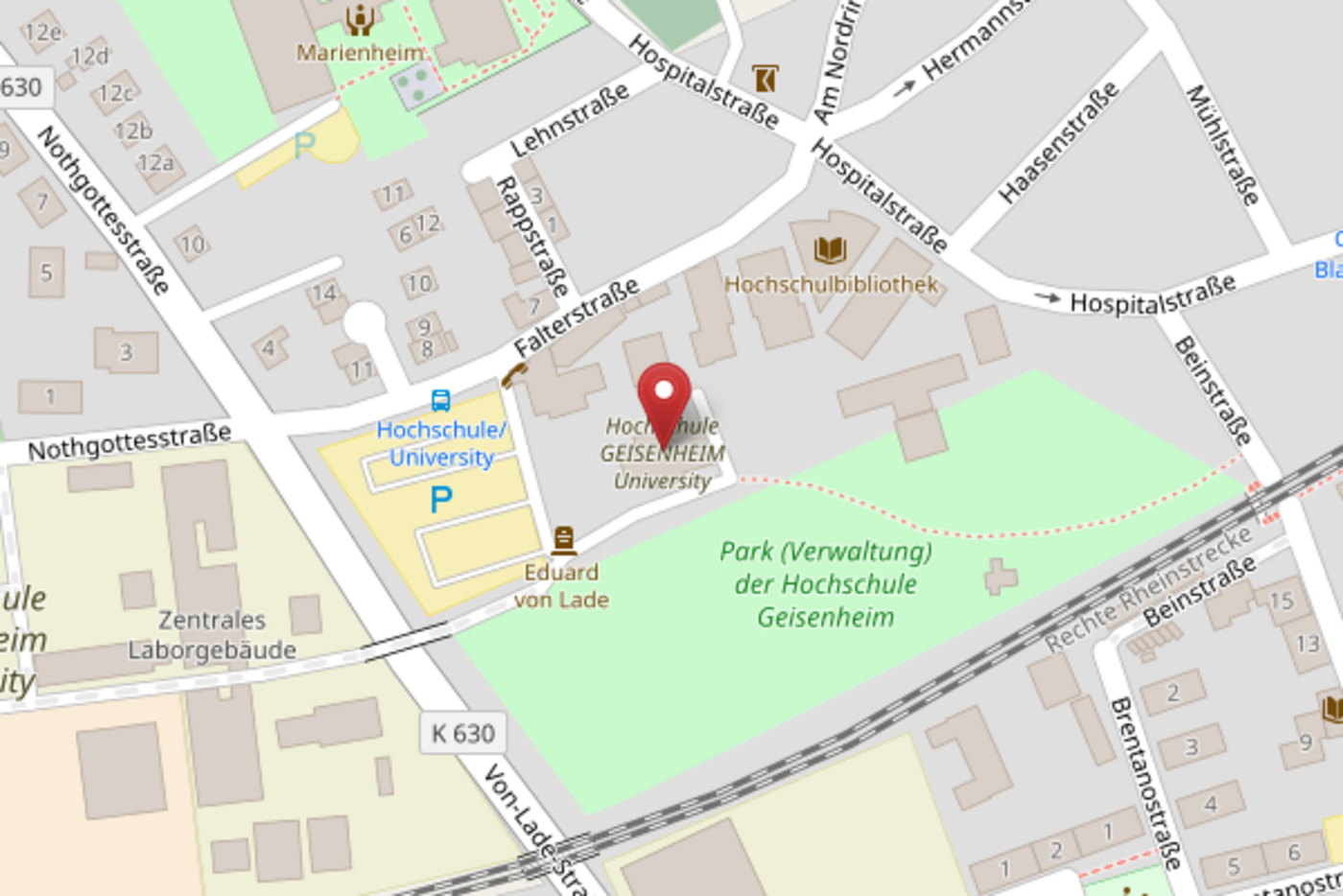
At Hochschule Geisenheim University, the Green Office is coordinated by the Department of Strategic University Development and Sustainability (P1) and is brought to life primarily by student assistants.
Even though we occupy a specific room at the university, the term ‘Green Office’ refers more to a working approach than to a ‘real’ office. The model involves analyzing the circumstances and needs of each individual university and adapting it accordingly, so that the philosophy behind the model can be implemented as effectively as possible at every institution.
So what does this mean for Hochschule Geisenheim University? To answer this question the best way we can, we have set out all our specific objectives and tasks, as well as the resources we have produced and the projects we have carried out on this website.
Our core tasks:
- We create an environment in which participation is encouraged and made possible.
- We encourage new forms of engagement and support existing ones.
- We act as intermediaries between status and interest groups and bring them together.
- We provide suggestions, ideas and materials for sustainable action.
- We carry out projects designed, amongst other things, to serve as a catalyst for the development of further projects.
- We promote and support collaboration between various University members to achieve common goals.
Our goals:
- To enable co-determination and participation in University-wide decisions regarding sustainability.
- To raise awareness of systemic sustainability.
- To embed sustainability in university-relevant areas, such as administration, teaching, research and operations.

Continue reading
HGU Sustainability ConceptBack to the Department
Department of Strategic University Development & SustainabilityGet Involved!
…because we can’t make a difference on our own: YOUR ideas, YOUR commitment, US working together – that’s the only way our university will become a fairer, more liveable and sustainable place!
Is there a lack of accessible resources anywhere? Is there anything that would improve everyday life at our university? Is there an area where resources could be distributed more effectively? Would you like to learn something new or create a platform where you can share your knowledge with others? Whether it’s a big or small matter, a vague idea or a concrete proposal – we listen to all suggestions and needs and, by joining forces, do our best to implement all sustainable development initiatives and projects.
In doing so, we don’t want to forget about having fun, letting our creativity run wild and, above all, getting to know one another. Together, we can make a big difference!
Please feel free to get in touch with us at nachhaltigkeit[@]hs-gm.de!
We look forward to hearing from you!
Projects at the University
Here you’ll find a collection of selected sustainable projects that are currently being carried out at the University or have already been implemented. Perhaps you’ll discover a side of the campus you didn’t know about before, or find inspiration for your own initiative? We look forward to your feedback!



We have made it our mission to make the campus more sustainable at every level, and to initiate and support sustainable projects. To keep the University community efficiently and engagingly informed about sustainable research projects, initiatives and groups at the University, we have designed the sustainable campus map. It also serves as a general guide and includes information on, for example, lecture theatres, the library, the canteen and other HGU facilities.
The map is distributed in printed form in the welcome packs given to new students and can be downloaded from the HGU website at any time.
The campus, as the University’s calling card, has had few communal areas in the past that did justice to its beautiful surrounding outdoor spaces. Students have also repeatedly complained about a lack of places to work and relax, including outdoors.
Providing outdoor spaces for relaxation and work in green surroundings promotes well-being, concentration and academic success. Shared breaks outdoors can also enhance the teaching and learning environment.
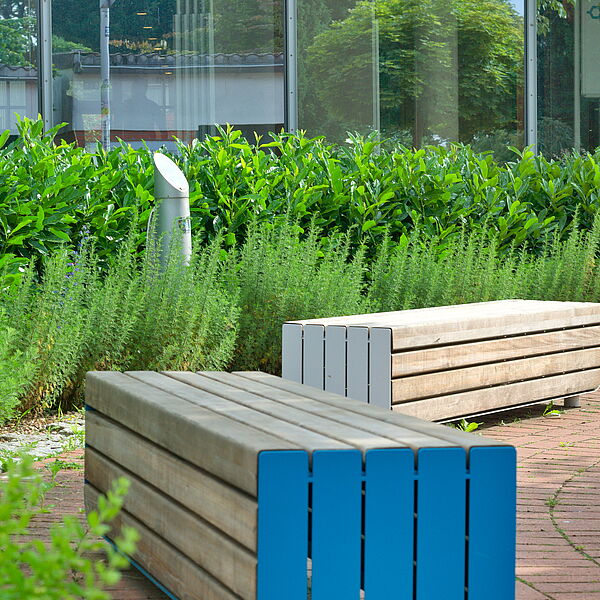
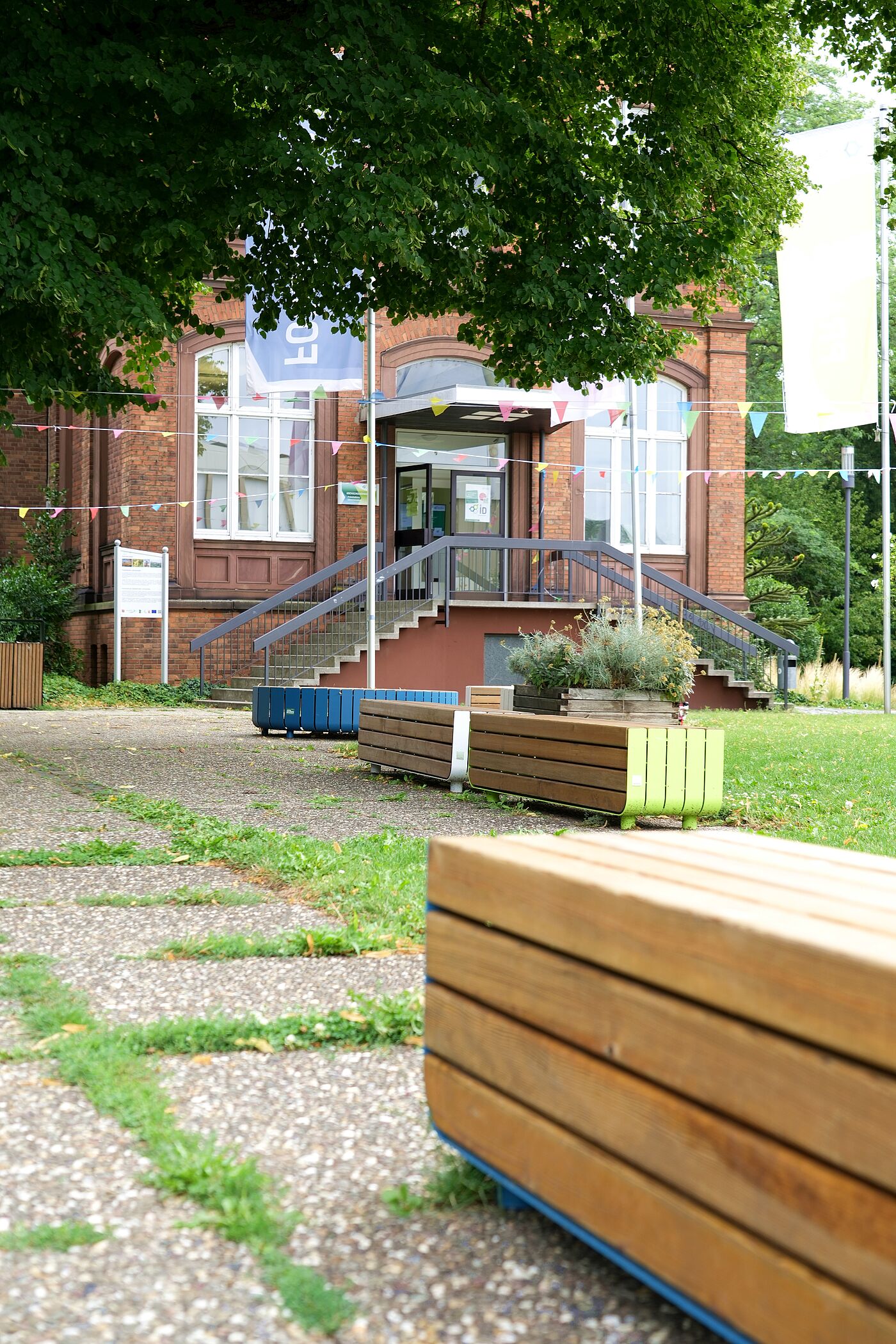
The new seating areas in front of the cafeteria building and around the Alte Weinfass serve as social gathering spots that encourage conversation and for people to linger, while work areas with bench-and-table combinations offer the perfect space for meetings and lunch breaks.
Through these measures, we are creating more meeting places, thereby fostering interaction between students and staff from different degree programmes and departments, and enabling collaborative learning on campus.
Alongside the open-air work and relaxation areas, various student spaces have been created – including in the new lecture theatre building, the library and the AStA building – for focused work as well as for networking and interaction.
Cork stoppers have been used to seal bottles for centuries. They are a renewable natural product, have a good carbon footprint and can be easily recycled. However, plastic corks or screw caps are being used more and more frequently instead. This threatens not only the cork industry, but also the cork oak forests, which serve as wintering grounds for cranes and as a habitat for a wide variety of other endangered plants and animals.
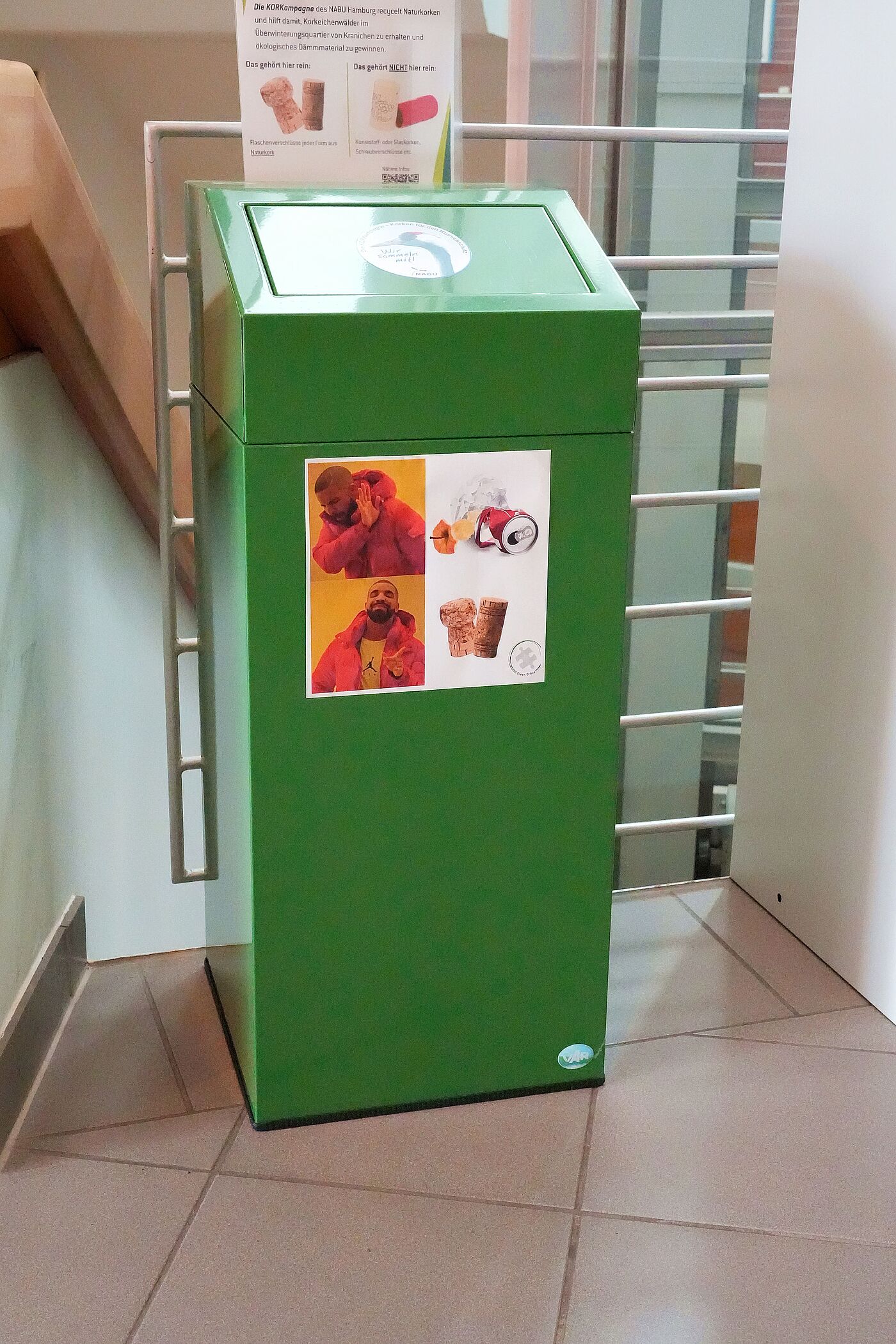
All natural cork bottle stoppers can be handed in at our cork collection point. In doing so, we are supporting NABU’s KORK campaign.
NABU has been collecting corks since 1994 and has them processed into insulation granules. The proceeds are used to support crane conservation projects in Spain – the home of the cork oak. NABU has already collected well over 700 tonnes of corks!
Please do not throw corks in the general waste; instead, bring them to our cork collection point in the canteen building, next to the stairs leading down.
Since August 2024, we have already collected 34 kg of corks at the HGU! (as of March 2026)
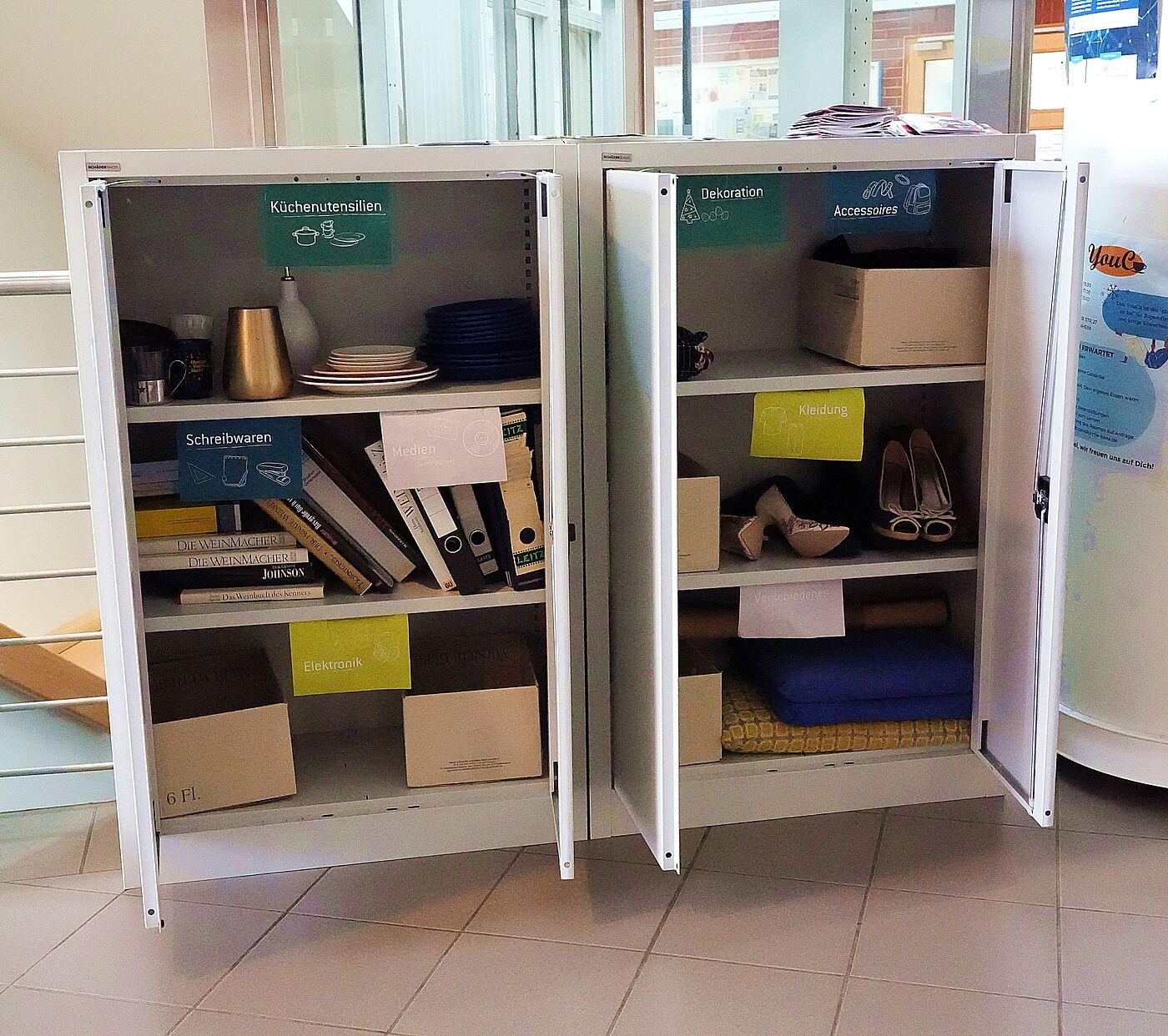
We’ve all been there: after decluttering your home, you’re left with a small pile of items you no longer like or need, but which are too good to throw away. We’ve got a place for these things: the swap shelf in the campus building!
On this shelf, items such as clothes, decorative items, kitchen utensils and much more can be left for swapping or taken away – just like a public book swap shelf (you’ll find one of those on the first floor of the library, by the way!).
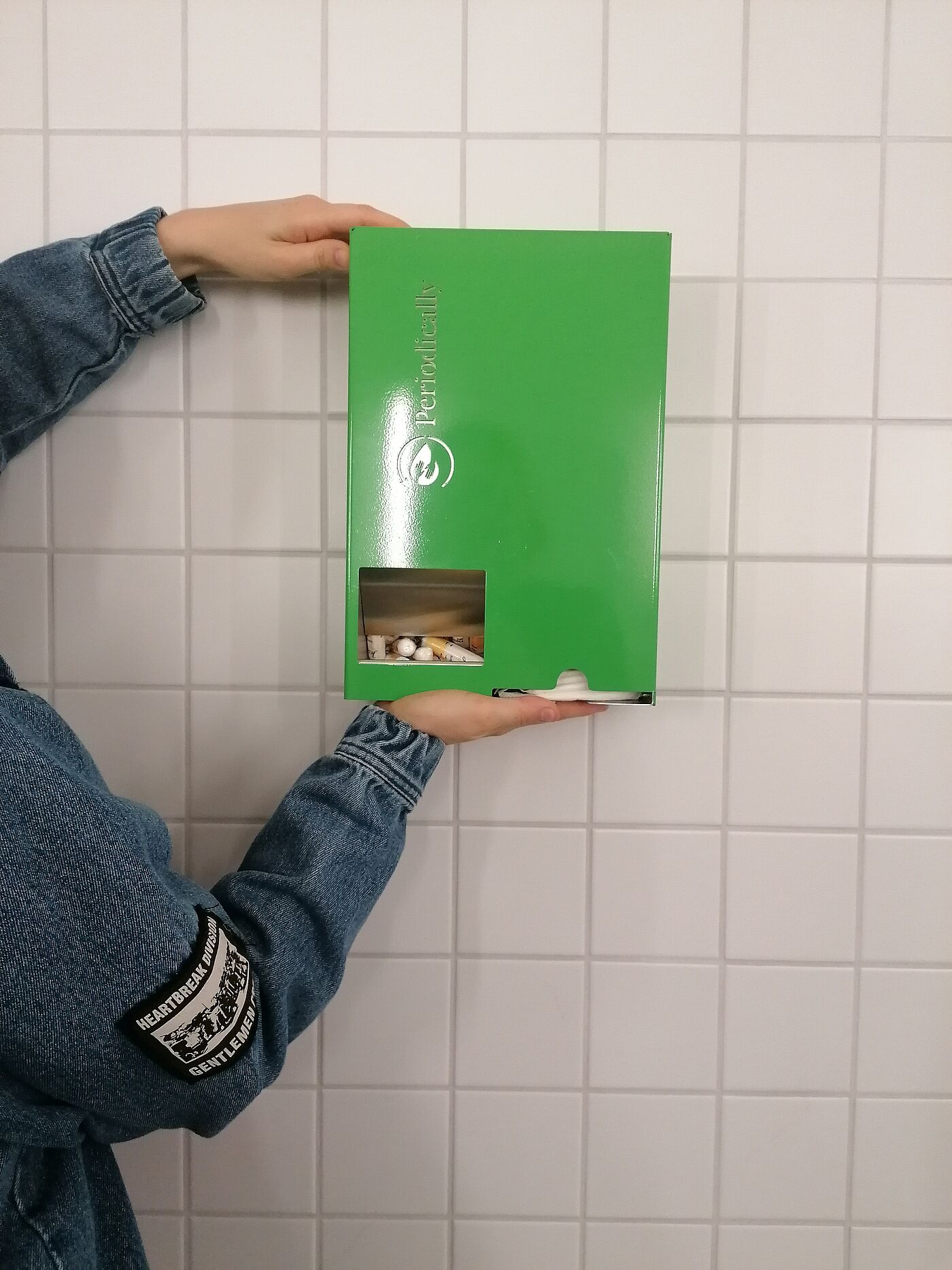
Together with the AStA and StuPa, we would like to raise awareness concerning period poverty.
Period poverty means being unable to afford menstrual products. Instead, those affected have to resort to makeshift solutions such as toilet paper – with the risk of infection and the added burden of shame, stigmatisation and exclusion.
In Germany, too, women and AFAB people face higher costs for their basic needs compared to men, as menstrual products – unlike toilet paper – are not usually provided by employers or educational institutions.
To support those affected even in ‘sudden emergencies’, you will find period product dispensers in the women’s toilets of the Mensa building, Villa Monrepos and the ZIG. The dispensers, produced by the start-up Periodically, are plastic-free and manufactured in Germany; they are stocked with certified organic tampons and sanitary towels.
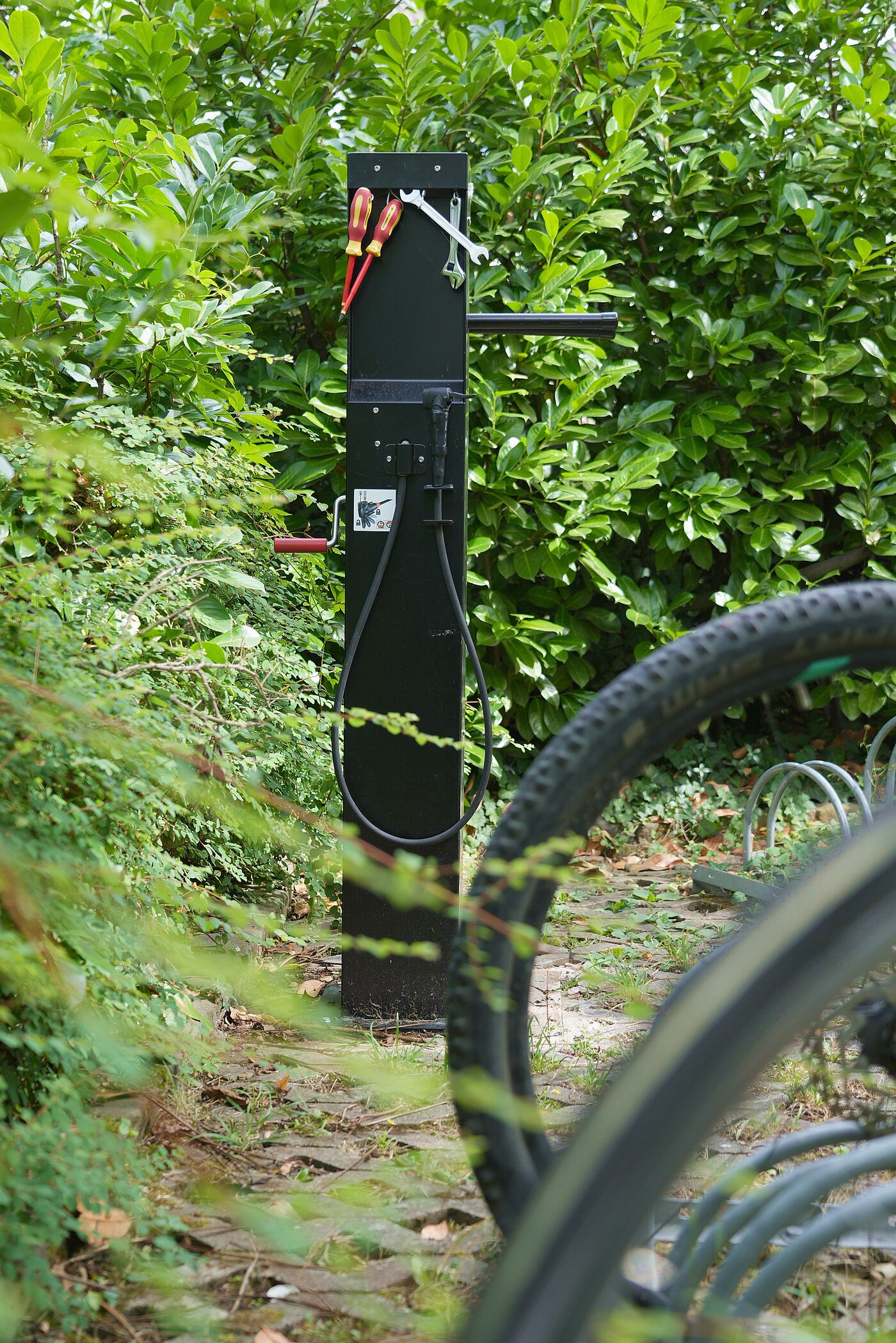
According to a survey ran by the Green Office, around 25% of university members travel to the campus by bike or e-bike. That's obviously something we want to support!
To help you keep your bike in good working order and make a climate-neutral commute to work or your lectures possible, we've set up bicycle repair stations next to the bike racks in front of the Aula and Villa Monrepos.
The equipment covered includes stands, air pumps, screwdrivers, wrenches, and tire levers.
Since 2021, higher education institutions in Hesse have been required to align their activities with the principles of sustainable development (§ 3(4) HessHG). Geisenheim University is taking this responsibility seriously in its procurement, facility management and events.
In our sustainability strategy, we have committed to making a particular contribution to climate protection and biodiversity, as well as to sustainable consumption and circular economy. To this end, we are developing guidelines for the sustainable organisation of events, which will be implemented in stages and will eventually become binding.
As a Fairtrade University, we also take relevant criteria into account in our planning. This is based on our understanding that an intact environment and society are necessary to ensure long-term stability. We contribute to this on both a large and small scale, including in the organisation of events. For an overview, you will find a link to our checklist for sustainable events below.
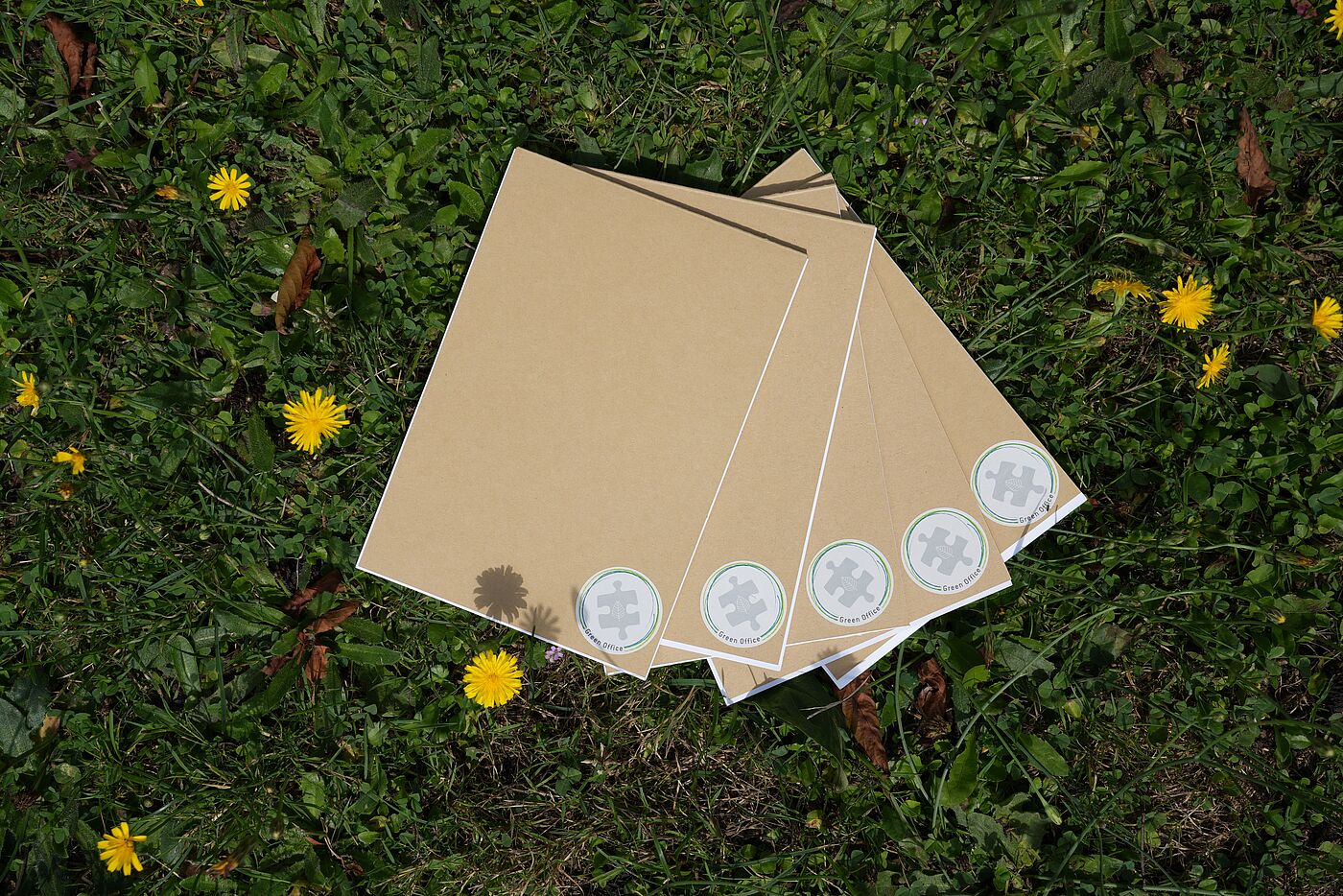
As part of our sustainable waste management programme, we have set up collection bins for single-sided misprints at all key printing stations (including, for example, in the library) across the University.
We send the collected paper to a bookbinding workshop at Darmstadt penitentiary for further processing. There, it is bound into single-sided notebooks and returned to us. The notebooks are distributed to University members, for example as a gift in freshman goody bags or at University events.
You can place paper in the collection bins that…
- is printed on one side only
- does not contain any sensitive data
- is not folded or creased
As well as posters, durable, weatherproof banners are used to promote events at HGU – though they are difficult to recycle.
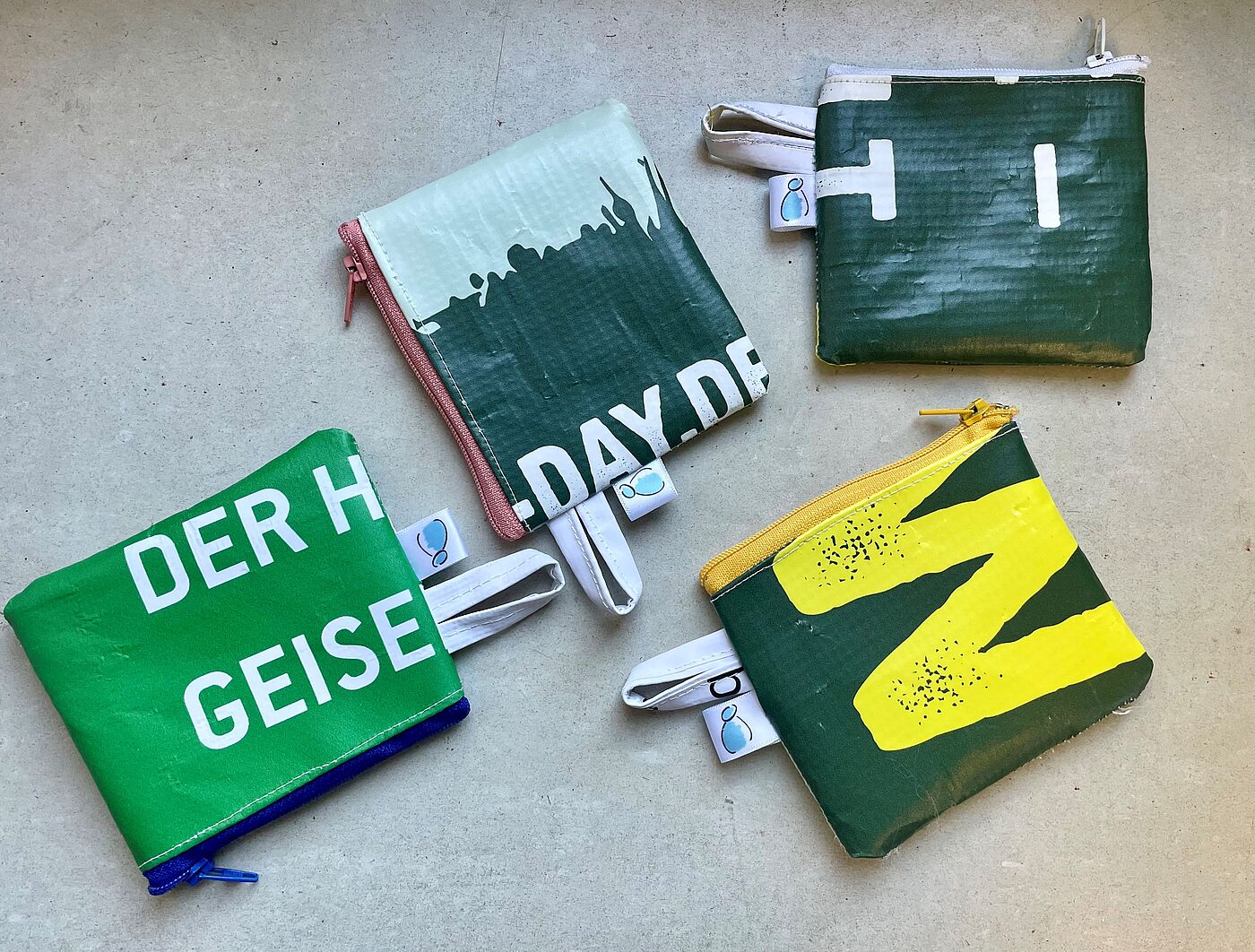
As part of a pilot project, we therefore collected old banners and had them upcycled into hand-sewn pouches by the Philipp Kraft Foundation. We give these unique items to participants at special events, such as the Freshman Rally.
The Philipp Kraft Foundation promotes interaction and participation among people who are persecuted or disadvantaged because of their political, ethnic, religious or other cultural background, or because of their level of education.
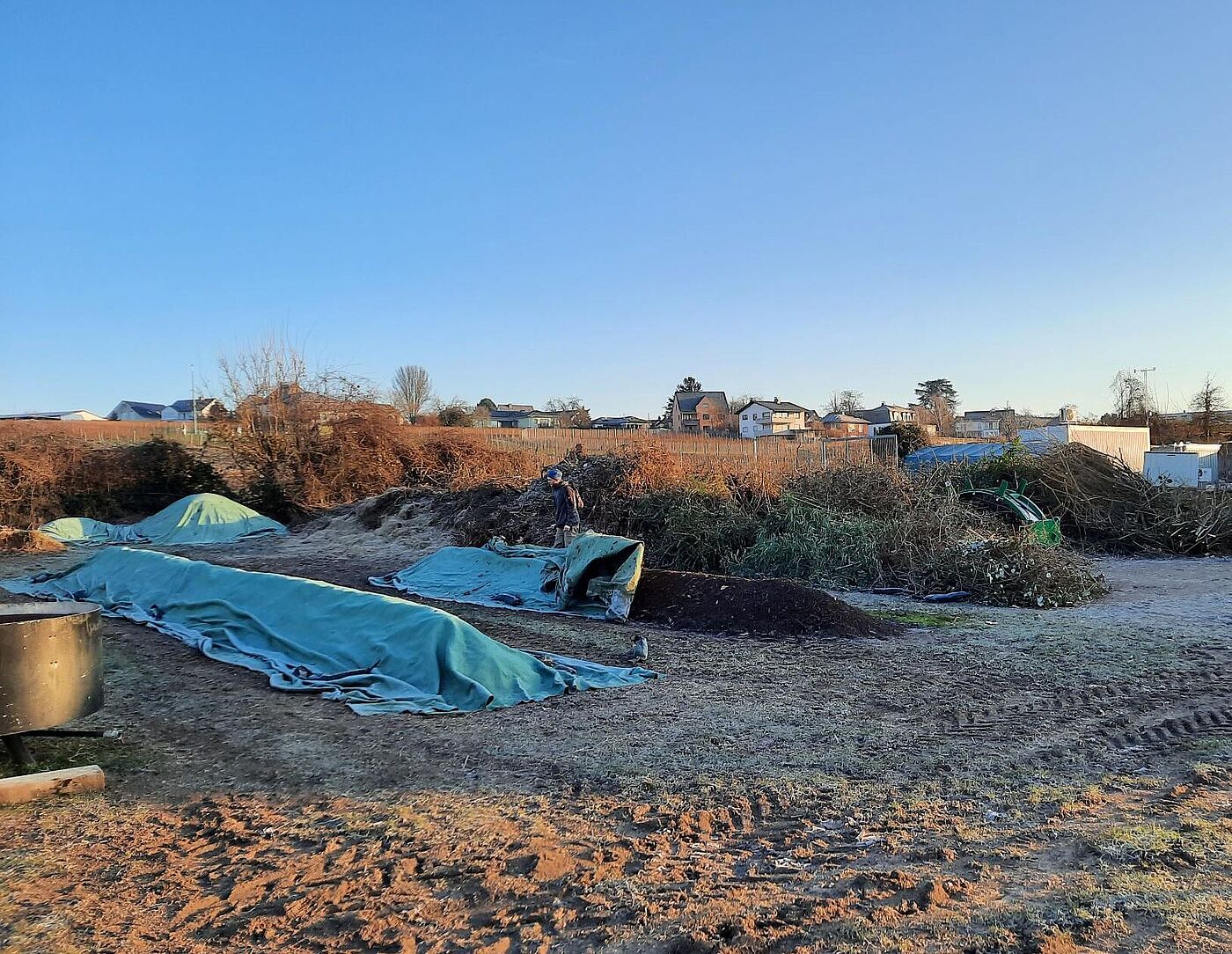
Organic waste – or, more commonly, food waste – is produced everywhere, every day. This is also the case at the University, whether in plant production, in the laboratory or during lunch breaks.
Much of this waste is valuable and can be processed and reused, rather than disposed of at a cost.
You can find out how we went from our early days of composting to researching worm farms, and more about how we recycle our waste, on our website dedicated to our biomass cycle!
It is not just since the introduction of statutory requirements by the federal and state governments that it has been up to all of us to make the greatest possible contribution to saving energy at the university. In preparation for the legally mandated energy savings (in Hesse: 15 per cent on gas, 5 per cent on electricity), suggestions for energy efficiency measures were collected from staff in August 2022. These measures were reviewed and prioritised and are being implemented gradually wherever possible. In addition, an energy crisis task force was set up to discuss and coordinate the overarching measures.
For example, smart thermostats were installed in 2024, designed to reduce energy consumption whilst improving indoor comfort.
Since 2026, the university has been establishing a campus-wide energy monitoring system. Electricity, heating and water consumption are centrally recorded and analysed via wireless meters. This enables us to identify specific areas for savings, demonstrate the impact of measures implemented and base the annual energy report on a reliable data foundation. The university’s energy targets are set out in the target agreement with the HMWK.
To support all members of the university community, a list of tips and suggestions has been published to help us become more aware of our day-to-day energy consumption and, where possible, to influence it. On the page, you can also download a practical checklist to help you actively save energy in your daily life.

Global warming caused by climate change is leading to an increase in the frequency and duration of heatwaves in many regions of the world, including Germany. Heat can have a severe impact on human health. In addition to climate protection measures, joint efforts to prevent the effects of heat on people can help to alleviate this problem.
That is why, together with our colleagues from Occupational Health and Safety, we have drawn up a Heat Action Plan. It includes both short-term, immediate measures that can be implemented without major investment, and long-term measures that should be taken into account as a matter of principle when planning and implementing (construction-related) campus development.
You can find more information on the Heat Action Plan, as well as concise checklists of immediate measures, via this link:

As part of the Heat Action Plan and in collaboration with Bingen University of Applied Sciences, a summer school on green roofs and façades took place in March 2025. Students worked across disciplines to develop concepts for greening selected campus buildings. The best designs were awarded prizes and used as the basis for a public tender for their implementation.
Some planting has already been carried out, including the living wall next to the entrance to the Müller Thurgau Haus. The first phase consisted of a trial planted by horticulture students to test different substrates. The rest of the façade was supplemented with various perennials. Furthermore, part of the area on the west side of the building was unsealed to allow for further planting. The project is still ongoing. (as of June 2026)


eLearning Course for Employees: “What Does Sustainability Have to Do with My Job?”
An e-learning course titled “What Does Sustainability Have to Do with My Job?” was developed specifically for employees. The course demonstrates how sustainability is implemented at our University. The goal is to impart knowledge about sustainability-related topics, highlight concrete ways to take action in everyday work, and empower employees to shape and strengthen the University’s sustainable development.
To the e-learning course
„What Does Sustainability Have to Do with My Job?“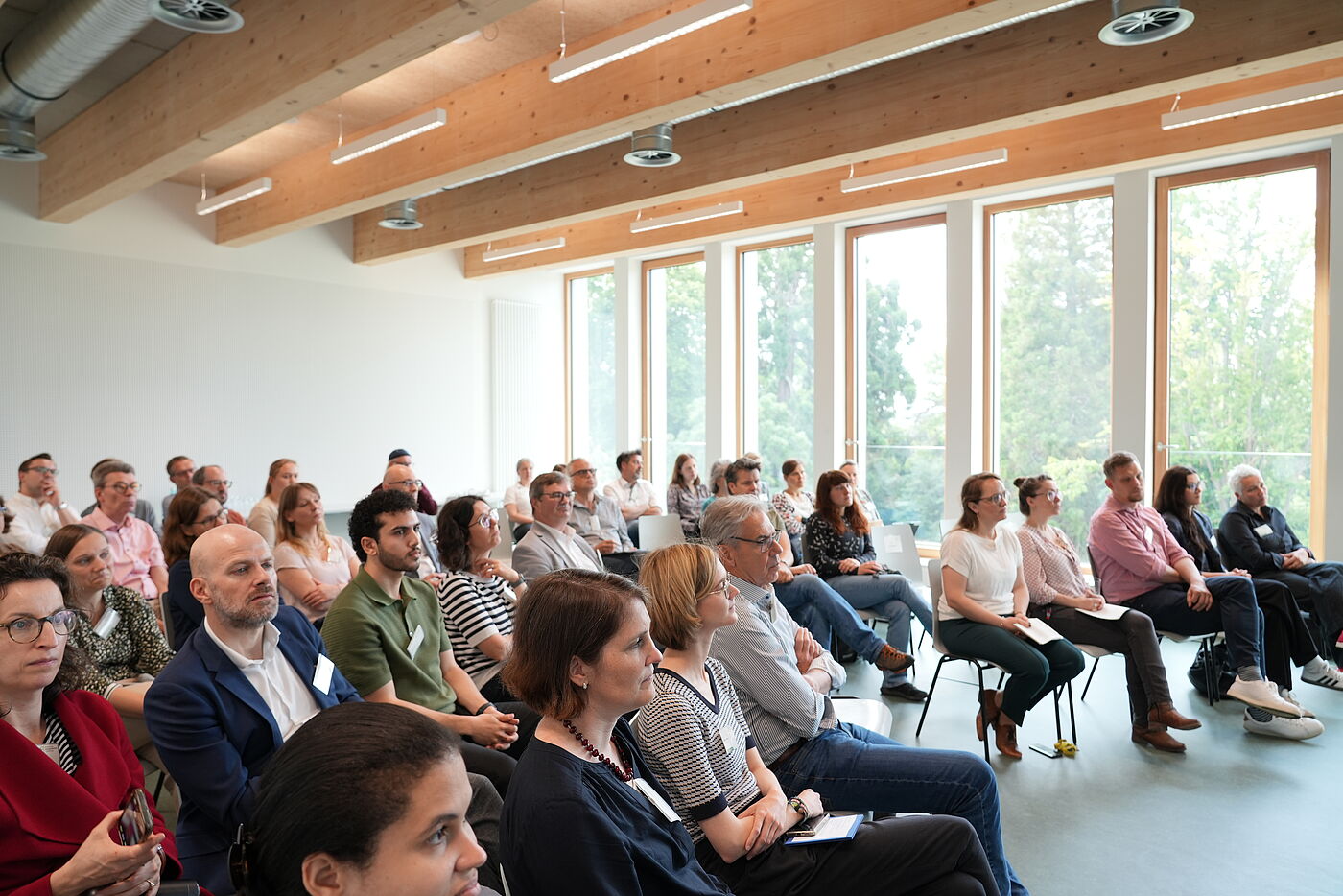
To the training
„Sustainability: Upskilling Teaching“Advanced Training for Lecturers "Sustainability: Upskilling Teaching"
This training program is aimed at all teaching staff, but is only offered in German. It enables them to integrate Bildung für nachhaltige Entwicklung, known as Education for Sustainable Development (ESD) in English, into their courses. The goal of the program, which consists of asynchronous e-learning modules and interactive in-person workshops upon request, is to revise an existing course in such a way that, in addition to subject-specific expertise, it also fosters sustainability-related competencies among students. The program is free of charge and openly accessible.
ESD aims to promote competencies such as critical and systemic thinking, creativity, and teamwork, enabling learners to make decisions in line with the principles of sustainability. From the broad range of topics, methods, and perspectives within ESD, particularly key themes have been selected and adapted to the higher education context:
- Connections between course content and holistic sustainability
- Action competence for sustainability
- Advancing competency development in ESD
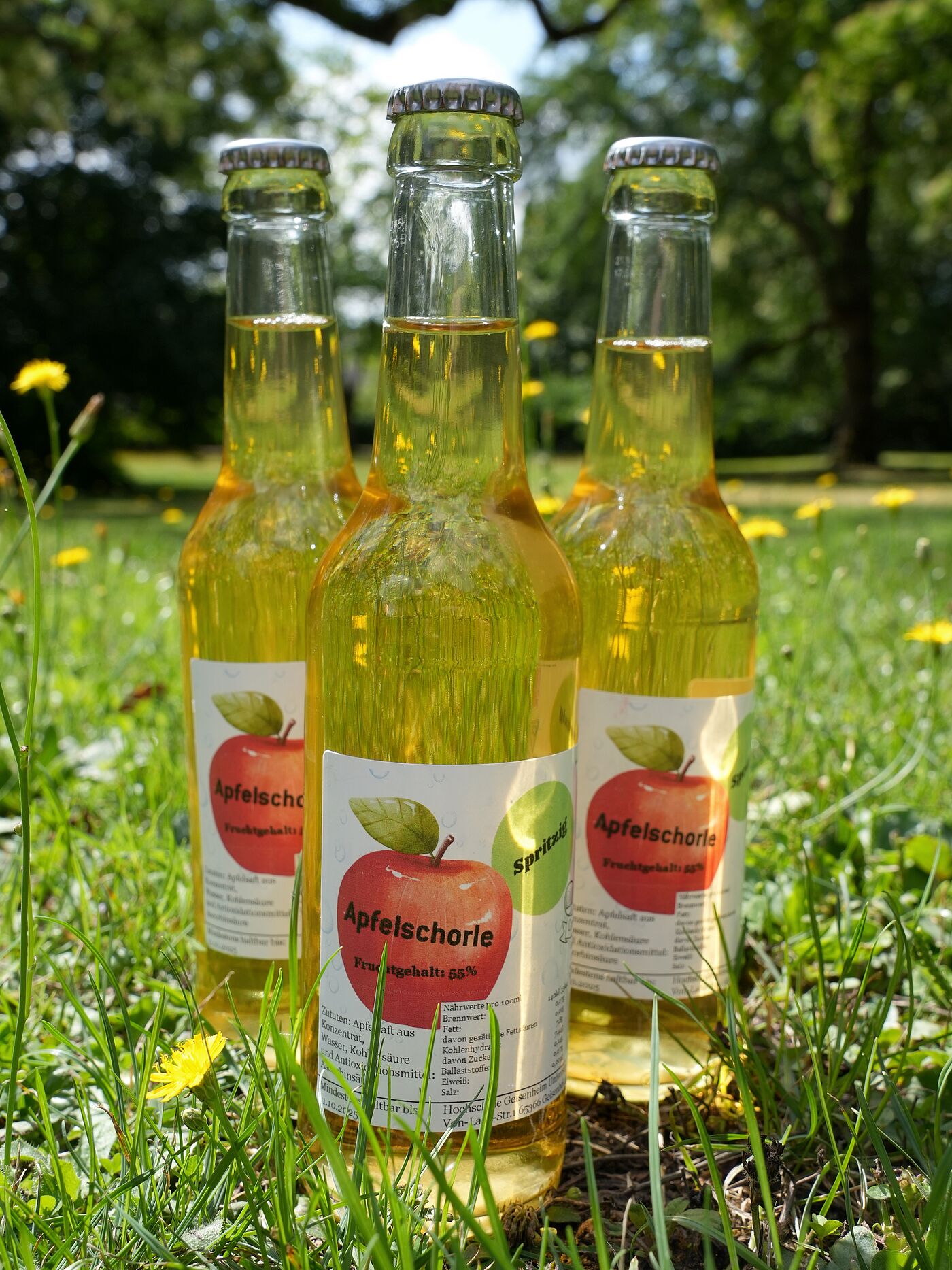
The goal of the project is to provide apprentices from all departments and institutes with hands-on experience in Education for Sustainable Development (ESD).
The departments and institutes at Geisenheim University serve as training centers for apprentices in viticulture and horticulture, the library, laboratories, administration, and many other fields. This project brings together apprentices from different disciplines. Together, they gain new perspectives on activities beyond their own training programs, as well as on the sustainable use of resources.
Under professional guidance and in cooperation with the Center for Beverage Technology (GTZ), they develop their own products, design labels, as well as plan and market them. In this way, they gain entrepreneurial and sustainability-related skills, such as making decisions independently and as part of a team, and reflecting on their own actions.


Fairtrade University: Since April 2023, Geisenheim University has been officially recognized as a Fairtrade University—a significant milestone on the path to becoming an all-in-all sustainable University. With this designation, the University visibly commits to promoting socially just consumption and actively supports fair trade.
As part of its strategic sustainability goals, the University integrates fair trade products into everyday campus life, for example through sustainable procurement, educational activities, or partnerships with regional initiatives. This also includes opportunities for collaboration and exchange, such as in the steering committee of the Fair Rheingau-Taunus District.
All additional information can be found on our Fairtrade University website!
With around 1,500 individuals, the student body makes up the largest portion of the Hochschule Geisenheim University community. As such, we know it's absolutely essential to collaborate with the two most important forms of student representation at the university, namely the AStA and the Student Parliament. We make sure to share ideas and stay in continuous exchange with them, organizing joint events and campaigns together. Some example include:
- monthly entries in the AStA newsletter
- creating a resolution for Fairtrade certification together with the Student Parliament and University Senate
- setting up period product dispensers with the AStA and Student Parliament
- taking part in events held at the Alte Weinfass, e.g. the Christmas market and flea market
- joint cleanup events with the AStA and RheingauCleanUp
Together with Hochschule RheinMain's Sustainability Office in Wiesbaden, we organized a networking congress for student assistants working in Hesse's sustainability departments called 'Energie durch Synergie' (Energy through Synergy), which took place October 2024.
With moderation and workshops offered bynetzwerk n, the two-day congress was packed full of exciting discussions, ideas and the development of concepts for efficient, ongoing knowledge exchange between the participating universities. The continuation of the event itself was also discussed, with the plan to hold the congress annually with a different university hosting each year.
The second Energy through Synergy congress took place in May 2025, this time at Frankfurt's Goethe University and under the title ‘Resilience and Sustainability at Universities in Times of Crisis’.
In June 2026, the congress took place for the third time, this time in Darmstadt under the theme “Campuses in Transition—Students for Sustainability.” Several workshops addressed topics such as resilience against right-wing influence, student assemblies as a tool for political organization, increasing student participation through targeted marketing, as well as the Public Climate School and the integration of climate education at universities.