Designing Open Spaces for the Future
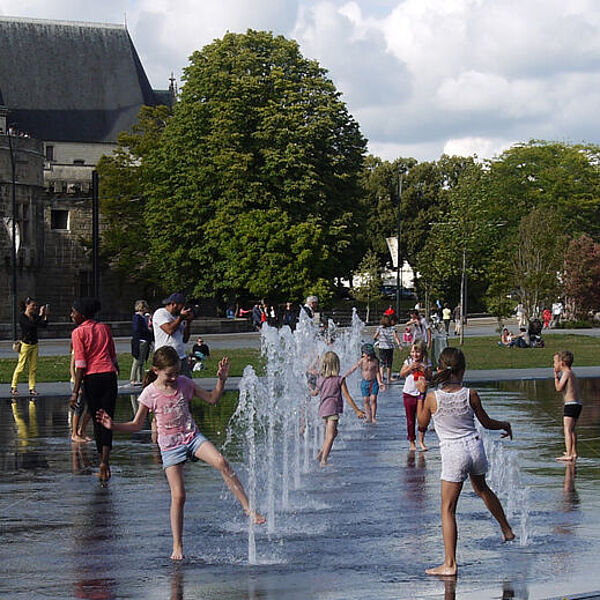
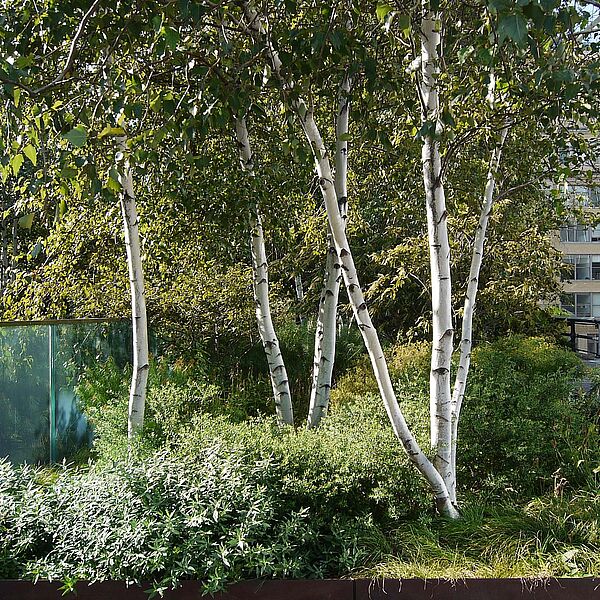
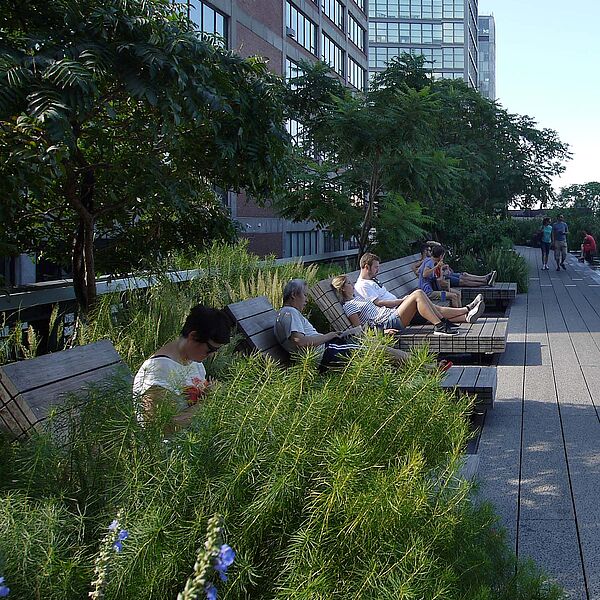
How can we make cities more attractive, neighborhoods more liveable, and urban spaces more resilient in the face of a changing climate? One key factor in enhancing quality of life in cities and metropolitan areas is the creation of public open spaces, such as parks, promenades, and squares, as well as more complex systems like green belts or regional parks. These spaces are sites of leisure, recreation, and social connection. Collectively, they form a city's green infrastructure, providing critical services for the ecosystem and habitats for plants and animals.
The Department of Open Space Development equips students with the skills needed to design climate-resilient, socially and ecologically effective, and visually appealing urban spaces and landscapes. Ensuring that these developments take place in dialogue with wider society is a fundamental part of our approach.
Our research is application-oriented and aims to advance real-world praxis. We focus on the diverse demands placed on urban open spaces and the potential of landscape architecture as a core component of sustainable urban development. By addressing topics such as transforming the mobility sector and adaptating cities to climate change, we are helping find solutions to some of the most pressing issues of the future.




![[Translate to English:] Freiraumentwicklung](/fileadmin/_processed_/c/2/csm_2_Petrow_86492f289e.jpg)