
Parks & Open Spaces

Green campus Geisenheim

The Geisenheim university location has a lot to offer when it comes to greenery. In addition to the numerous courses on the subject of plants and green structures, the campus offers a wide range of green topics with its two historical parks and many planted areas.

Planning, development and maintenance of the outdoor facilities

The outdoor facilities at Geisenheim University are subject to different areas of competence. The management of park maintenance from the area of ​​competence of the Plant Use Professorship has an overview of most of the green areas and the parks. It surveys the green developments on the university campus and tries to bring them together in a meaningful way. Individual projects and general maintenance are then taken over by the park maintenance team, provided capacity permits. Larger projects or more specialist tasks, such as regular tree inspections and tree care measures, are also outsourced. In addition to these general topics, the various study areas also manage some of their own projects, research areas and areas of competence on the topic of green.

Head of park maintenance team

Manfred Müller
Manfred Müller
Building 6701
Room 019
Phone +49 6722 502 543
Manfred.Mueller(at)hs-gm.de Details

Park maintenance team

Martina Brendel
Martina Brendel
Building 6701
Room 019
Phone +49 6722 502 543
Martina.Brendel(at)hs-gm.de Details
Jochen Lüdcke
Jochen Lüdcke
Building 6701
Room 019
Phone +49 6722 502 543
Jochen.Luedcke(at)hs-gm.de Details

management of park maintenance

Alexander von Birgelen
Prof. Dr. Alexander von Birgelen
Building 6701
Room 107
Phone +49 6722 502 773
Alexander.Birgelen(at)hs-gm.de Details
Campus with history

The historic parks Monrepospark on the South Campus and Rudolf-Goethe-Park on the North Campus are defining elements and deeply linked to the roots of the Geisenheim university location. Over time, a diverse and old tree population has developed there. The park and the trees it contains, like many of the university's buildings, are listed buildings. But here too, the effects of climate change are increasingly becoming apparent. Once very favorable in terms of climate, the mild warmth develops into summer heat. The Mediterranean-like climate develops persistent dry phases. The future of the university parks must now be well thought out and precisely planned so that the old trees can be largely preserved, renovated in a way that is compatible with monuments and the climate, and developed in a resilient manner.


An exciting task.


More about the history of the parks can be found on the following pages.

Beds & Plantings

There are beds and plantings of various ages throughout campus. As diverse as the choice of plants can be, the function of green elements is just as diverse. Plantings can separate or connect the room through their spatial effect. A certain character or atmosphere can be created with flowers, colors, structures and textures. Plants shape the space with their liveliness and also with their ecological benefits when people and animals benefit from them.


The skills of planning with plants are discussed and addressed in various subjects. The Plant Use Professorship has fully embraced this topic. She develops existing and designs new green elements on the grounds of Geisenheim University. Many beds are also used for teaching and are designed as display beds.

Professorship of Planting Design

Alexander von Birgelen
Prof. Dr. Alexander von Birgelen
Building 6701
Room 107
Phone +49 6722 502 773
Alexander.Birgelen(at)hs-gm.de Details
Habitat trees - old wood, new life

The university location is committed to preserving old, special habitat trees. Of course, parks should be attractive, vital and well maintained. Dying or already dead trees apparently do not belong in the picture. But these old "habitat trees" offer a particularly large amount of living space for a wide variety of creatures - from birds and bats that nest in tree hollows to special species of beetles that appropriate the wood. The decomposition processes may limit the stability of habitat trees and dead wood and are therefore particularly carefully monitored and checked. But not all habitat trees are dying or are already dead wood.


Healthy trees can also provide special habitats - which is why there are habitat trees in the park that have been awarded a plaque. The most important examples are explained here.

Competence Area Tree Nursery & Woody Physiology

Jörg Kunz
Dr. Jörg Kunz
Building 1000
Room 318
Phone +49 6722 502 538
Joerg.Kunz(at)hs-gm.de Details

PLANTINGS

The central campus is located to the east above the railway line. In addition to the historic Rudolf Goethe Park, important green structures here are often representative beds and edge plants.

The southern campus is below the railway line and is essentially characterized by the historic Monrepospark and its beds.


More about the Professorship for Planting Design

News

Exciting Research “Made in Geisenheim” Attracts More Than 1,500 Visitors

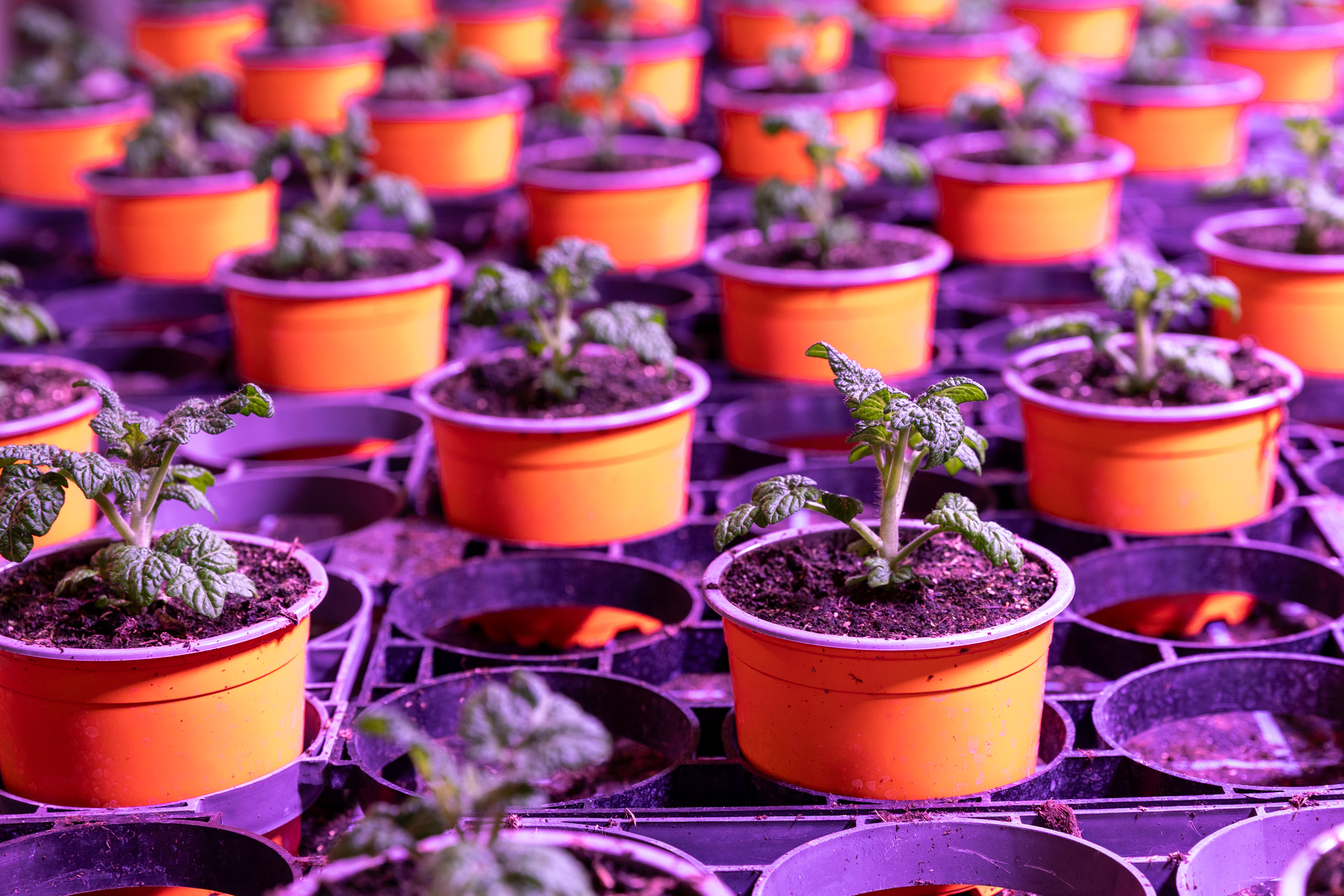
Night at the greenhouse… The Christmas tree tomato attracted a lot of visitors. Photo: Tina Kissinger

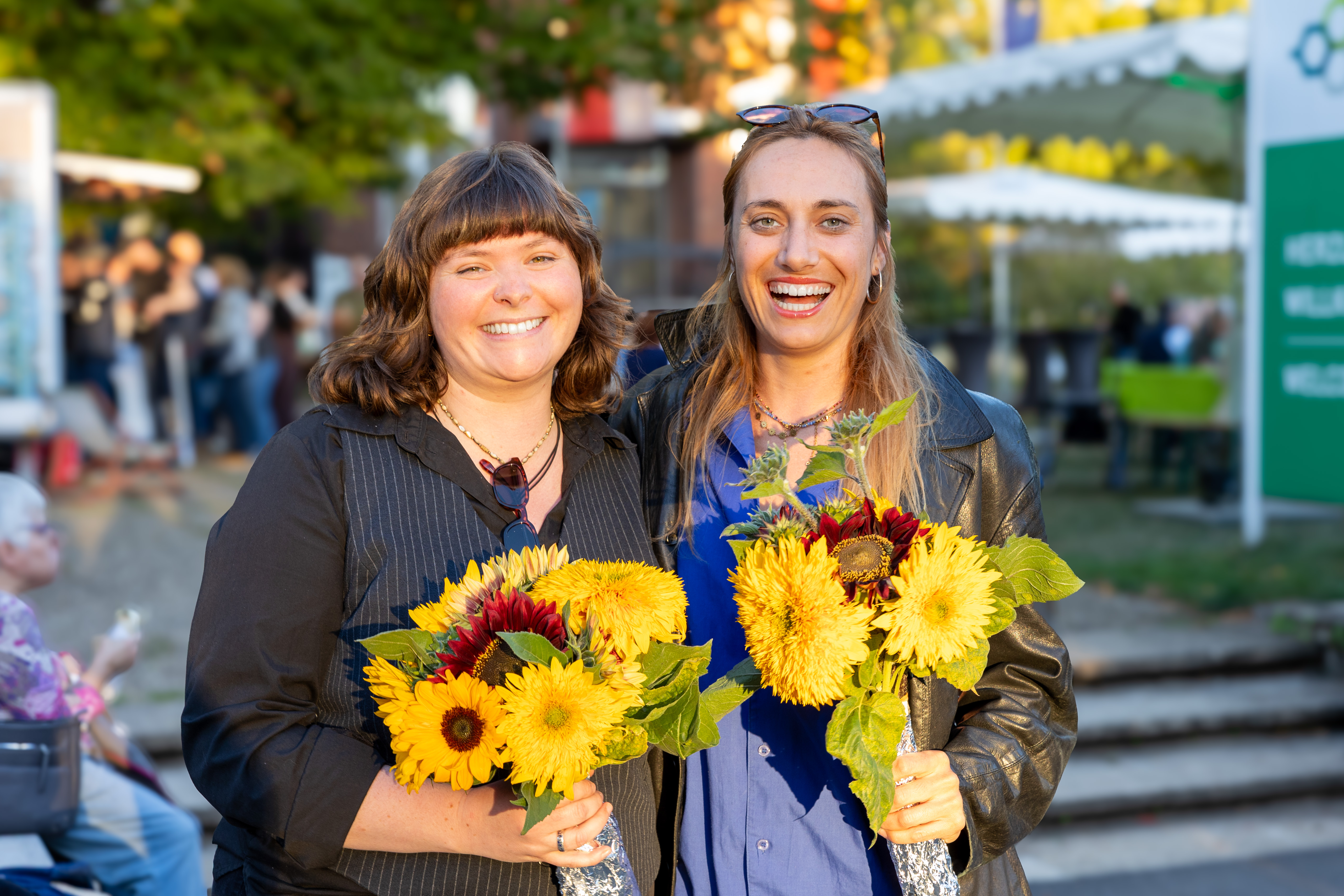
For the first time, Hochschule Geisenheim University joined the European Researchers’ Night, turning into a place of fascinating insights into the world of science. 

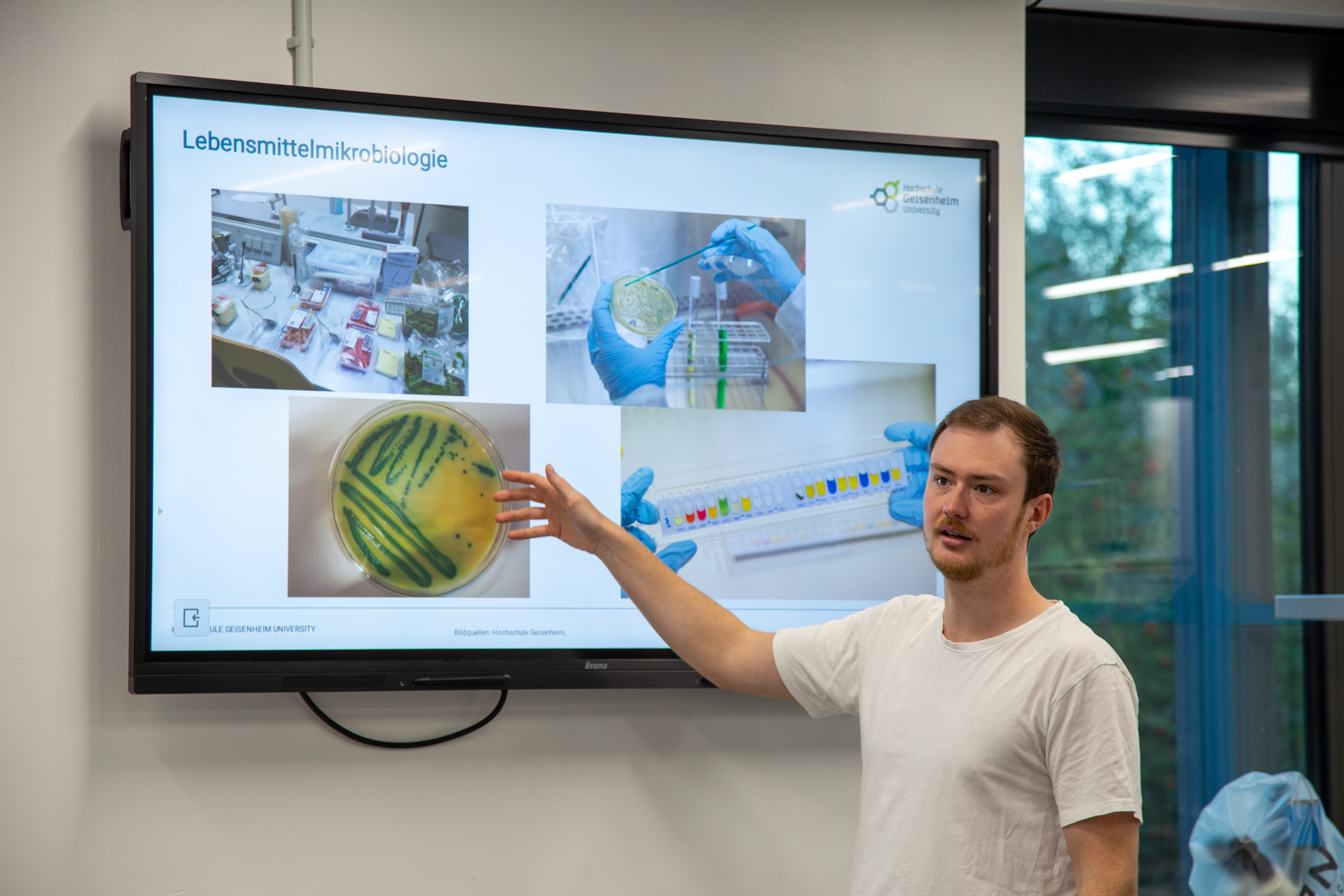
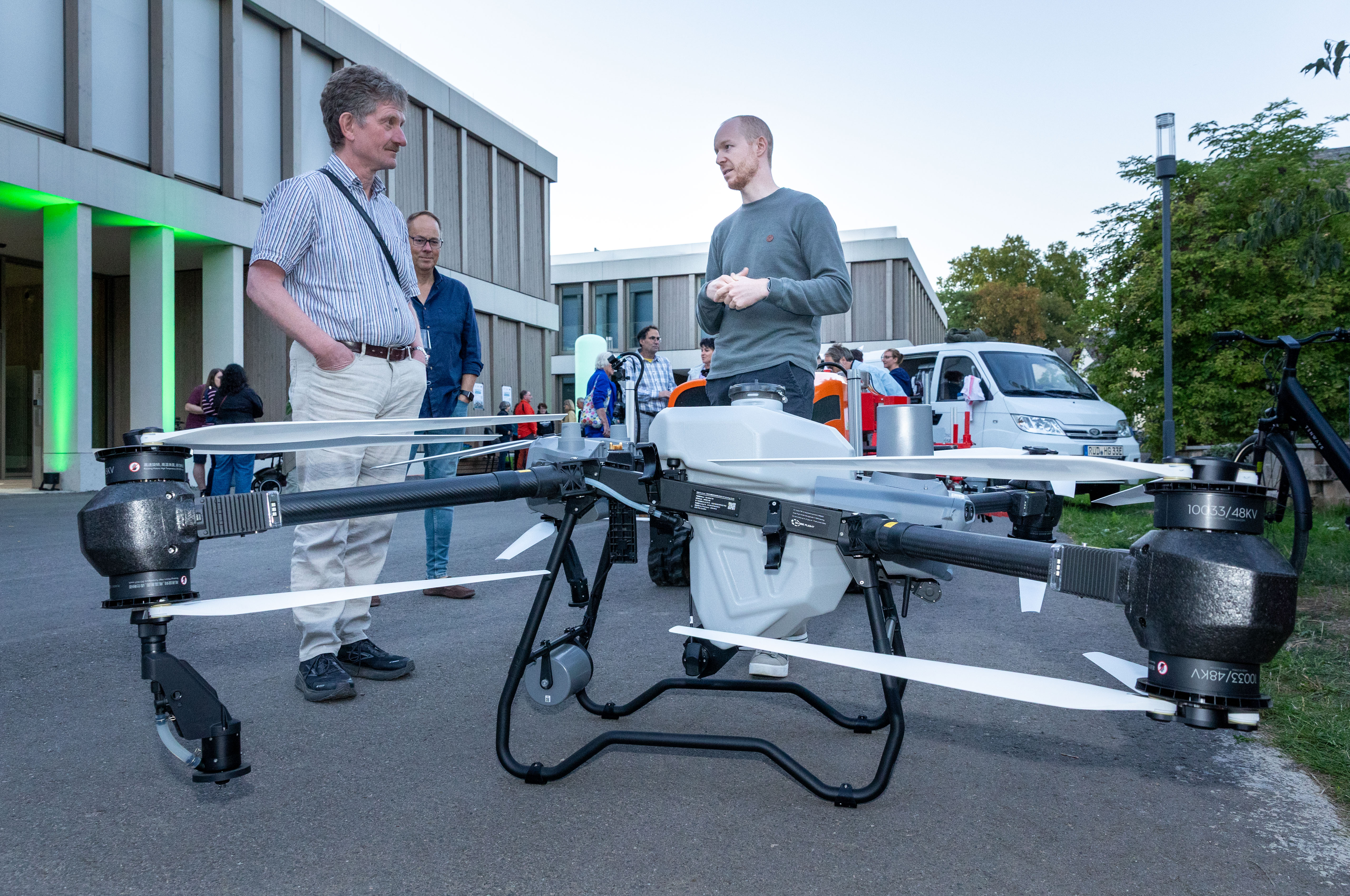
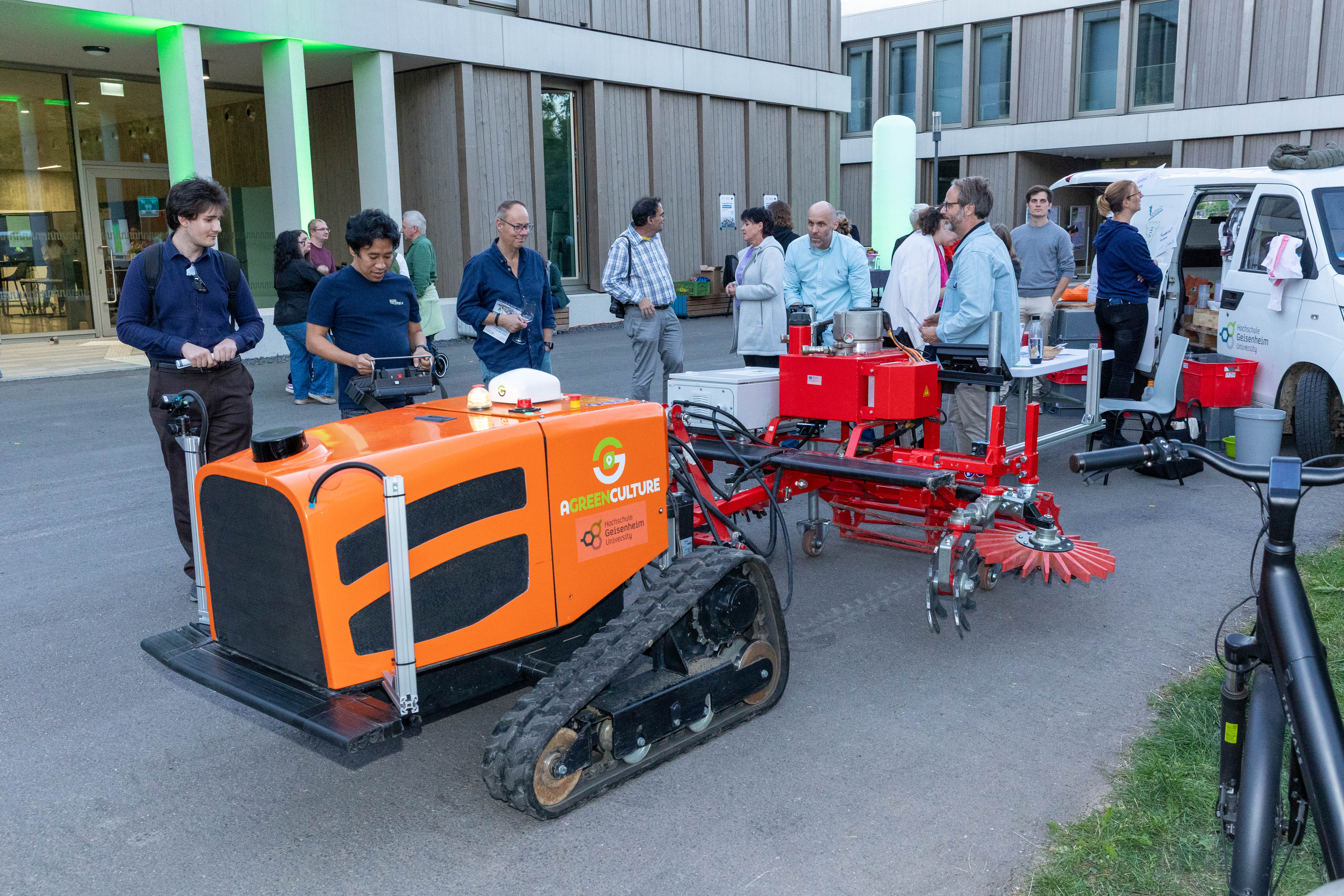
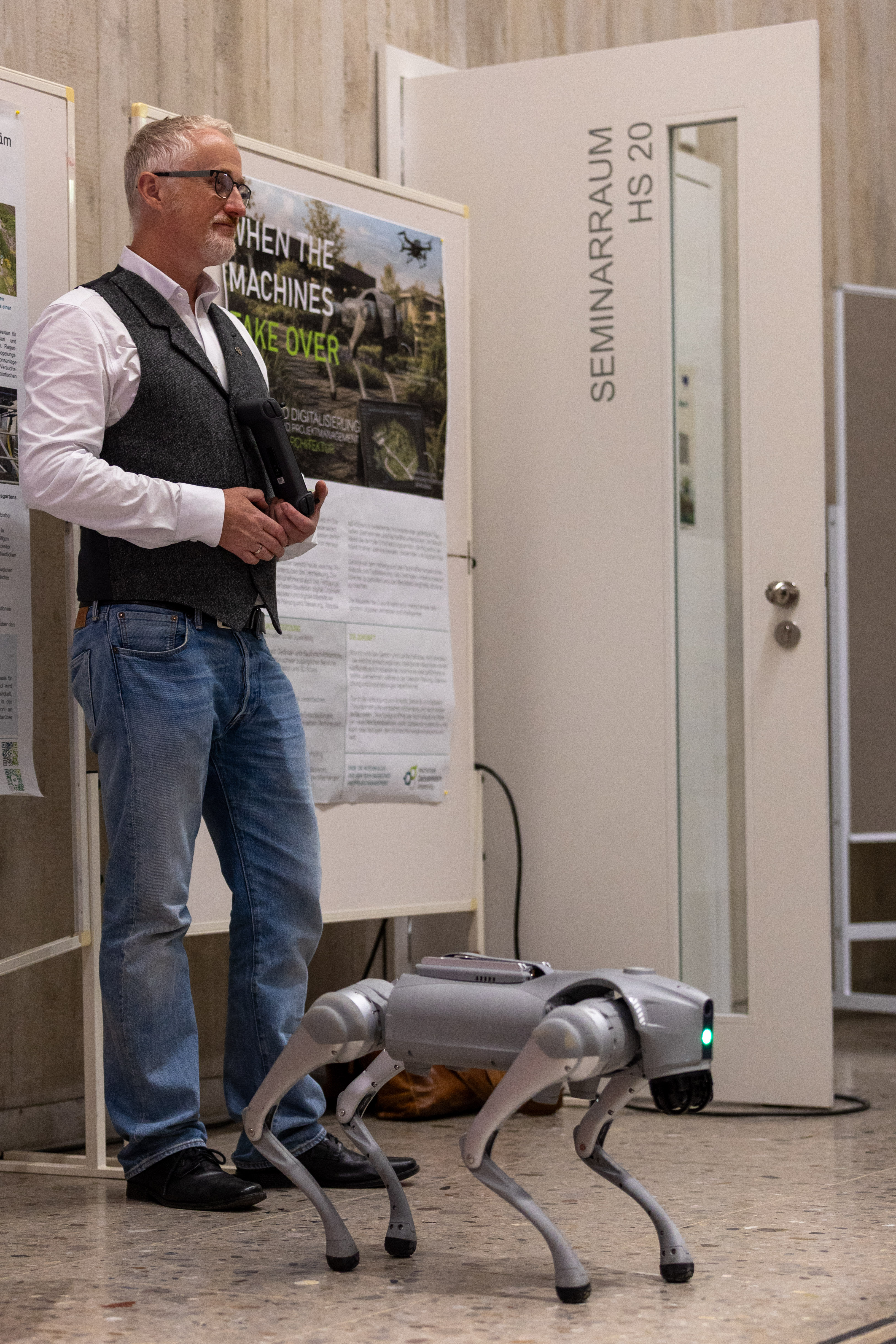
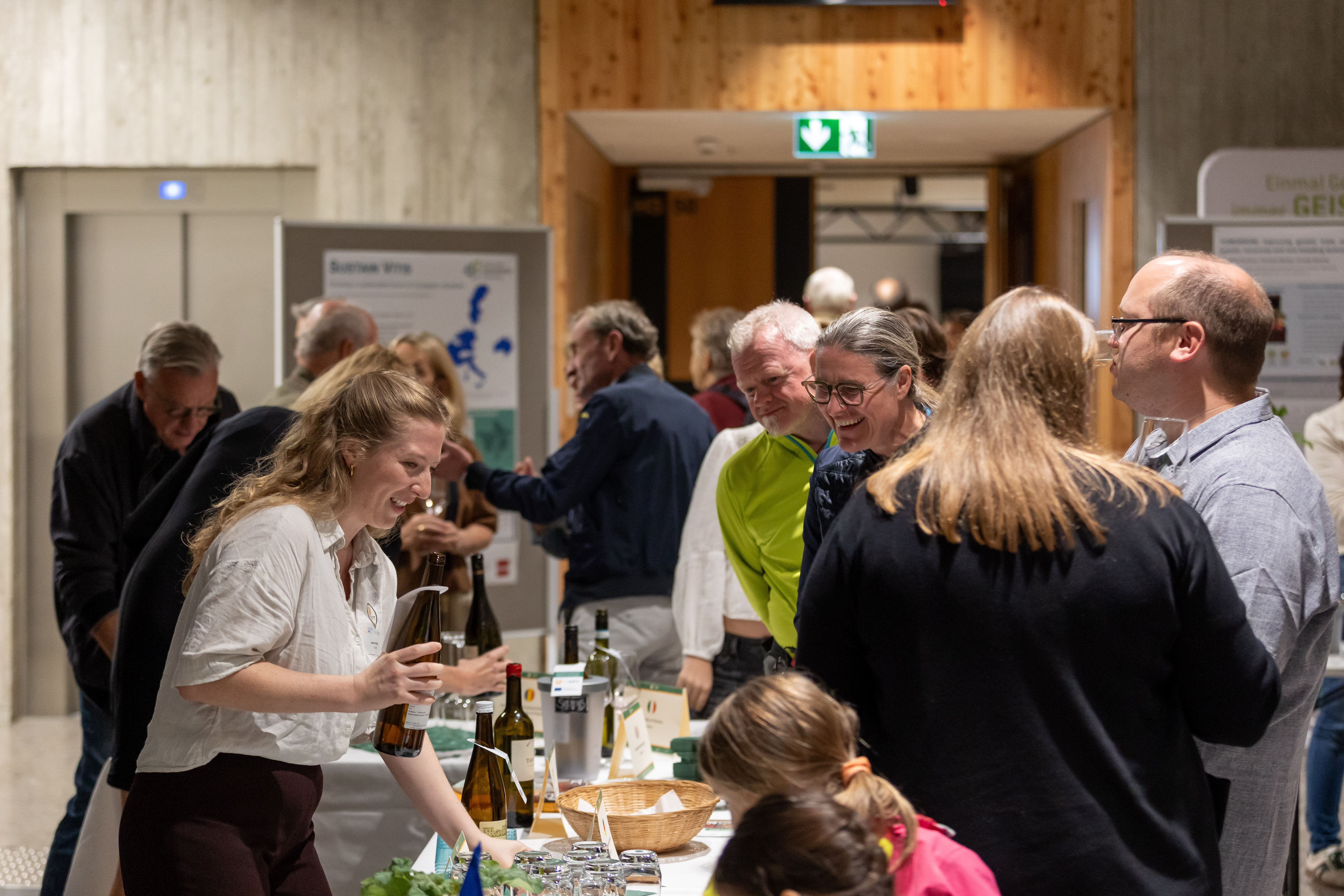
What will next-generation agriculture look like? What’s in our food and beverages? How are digital technologies used in viticulture and horticulture? And why are there robotic assistance dogs on a construction site? These questions – and many more – were addressed on Friday, September 25, 2026 during Hochschule Geisenheim University’s first Researchers’ Night. More than 1,500 visitors took the opportunity to experience science close up, join hands-on activities and chat with researchers.

Hands-on research for the whole family

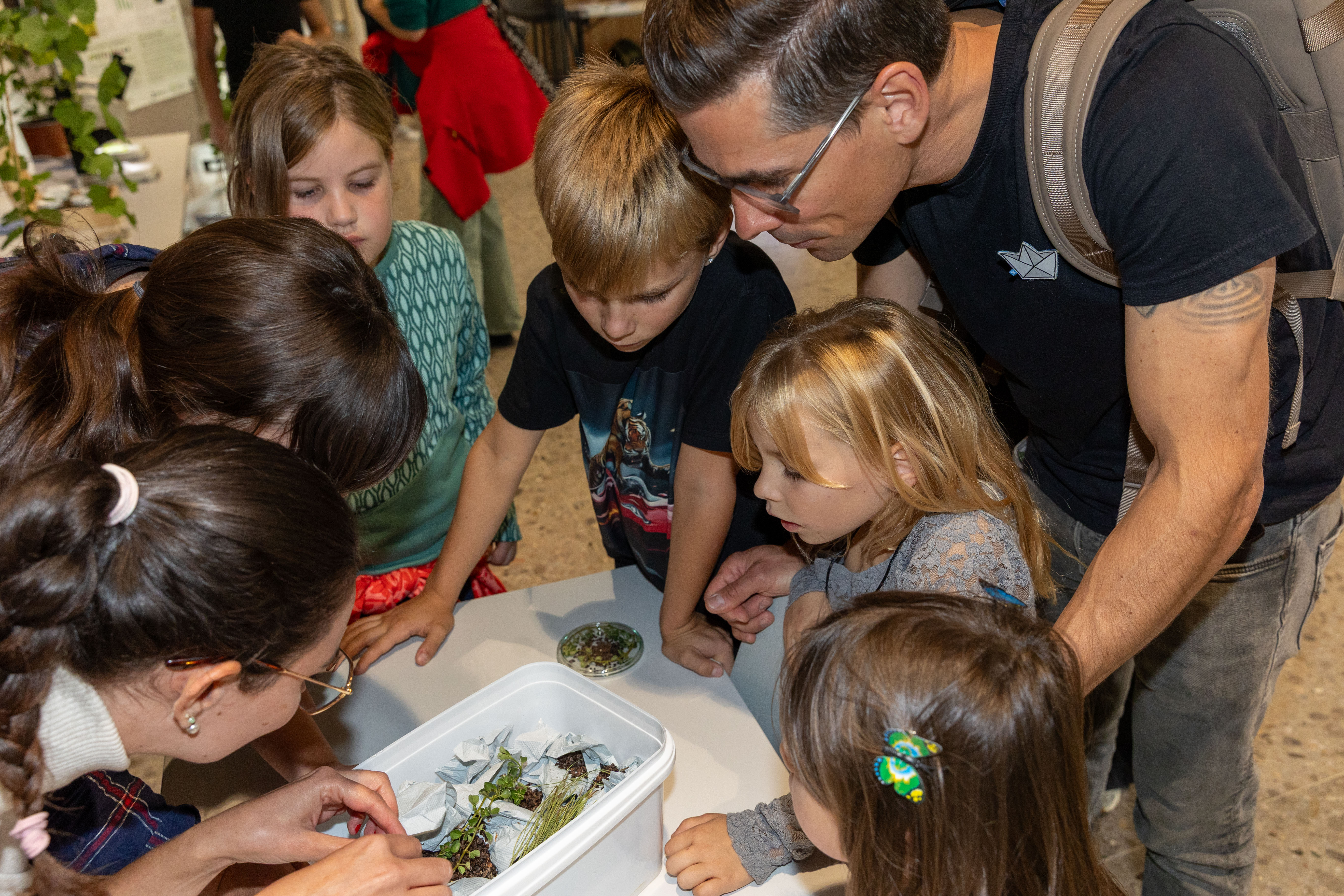
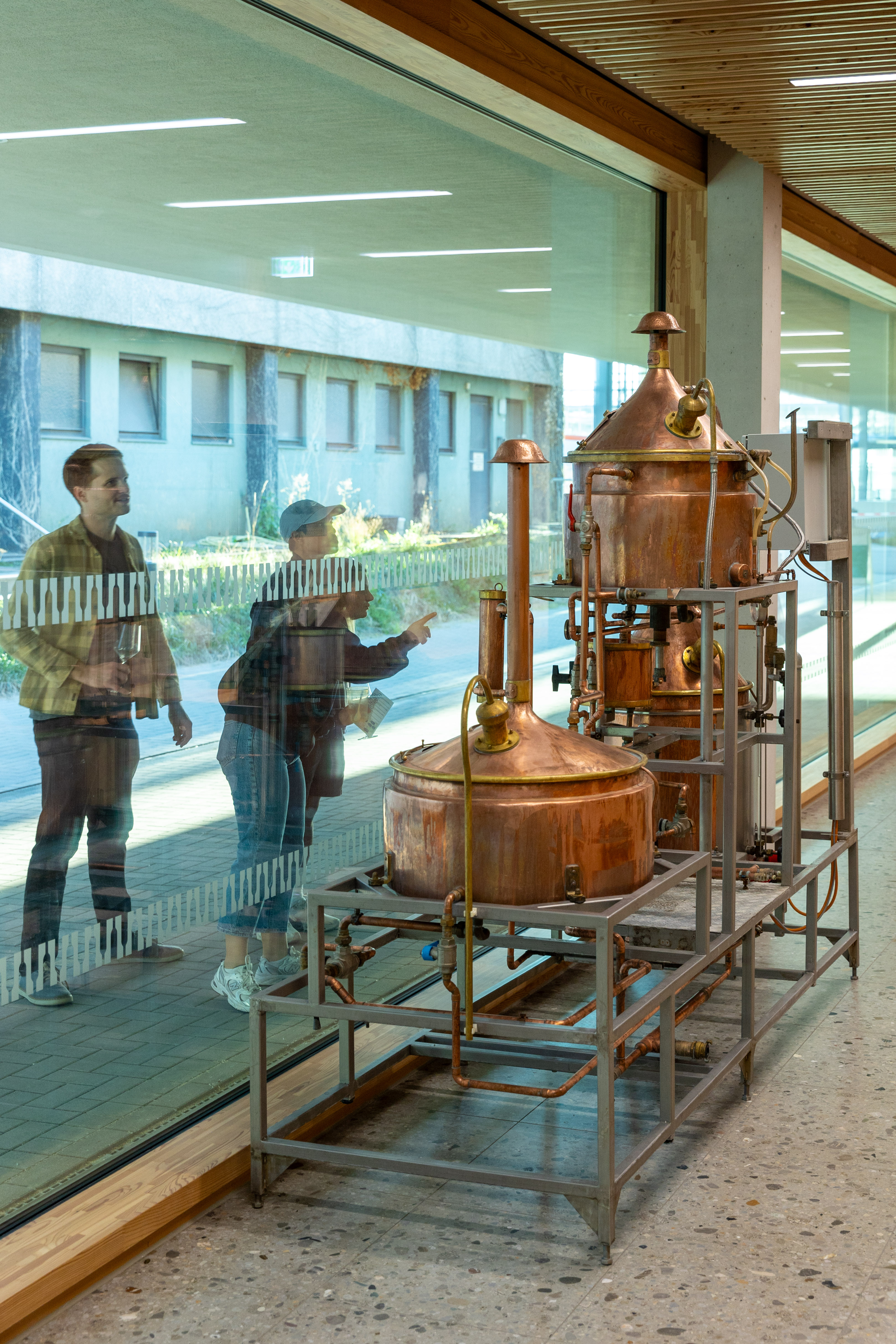
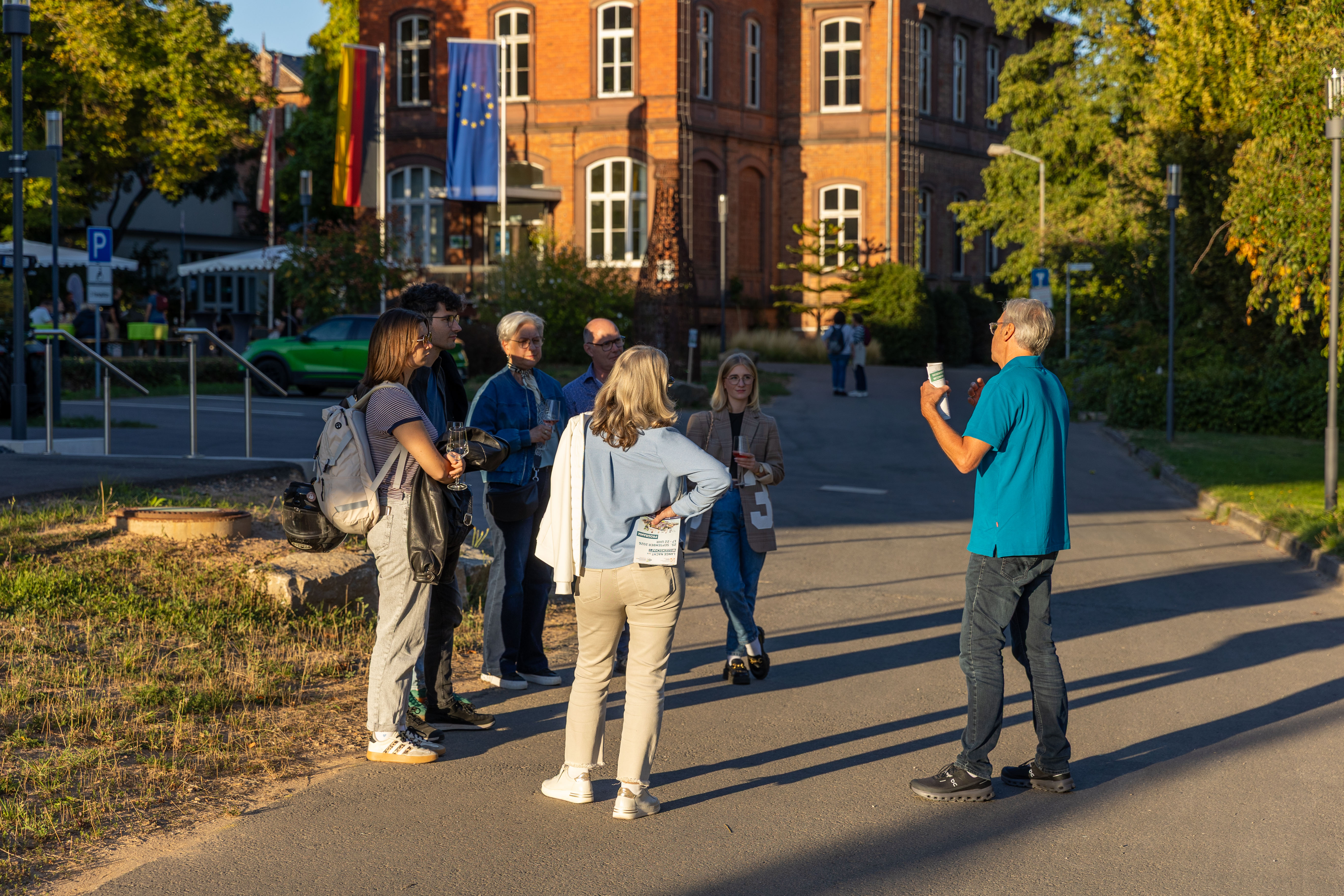
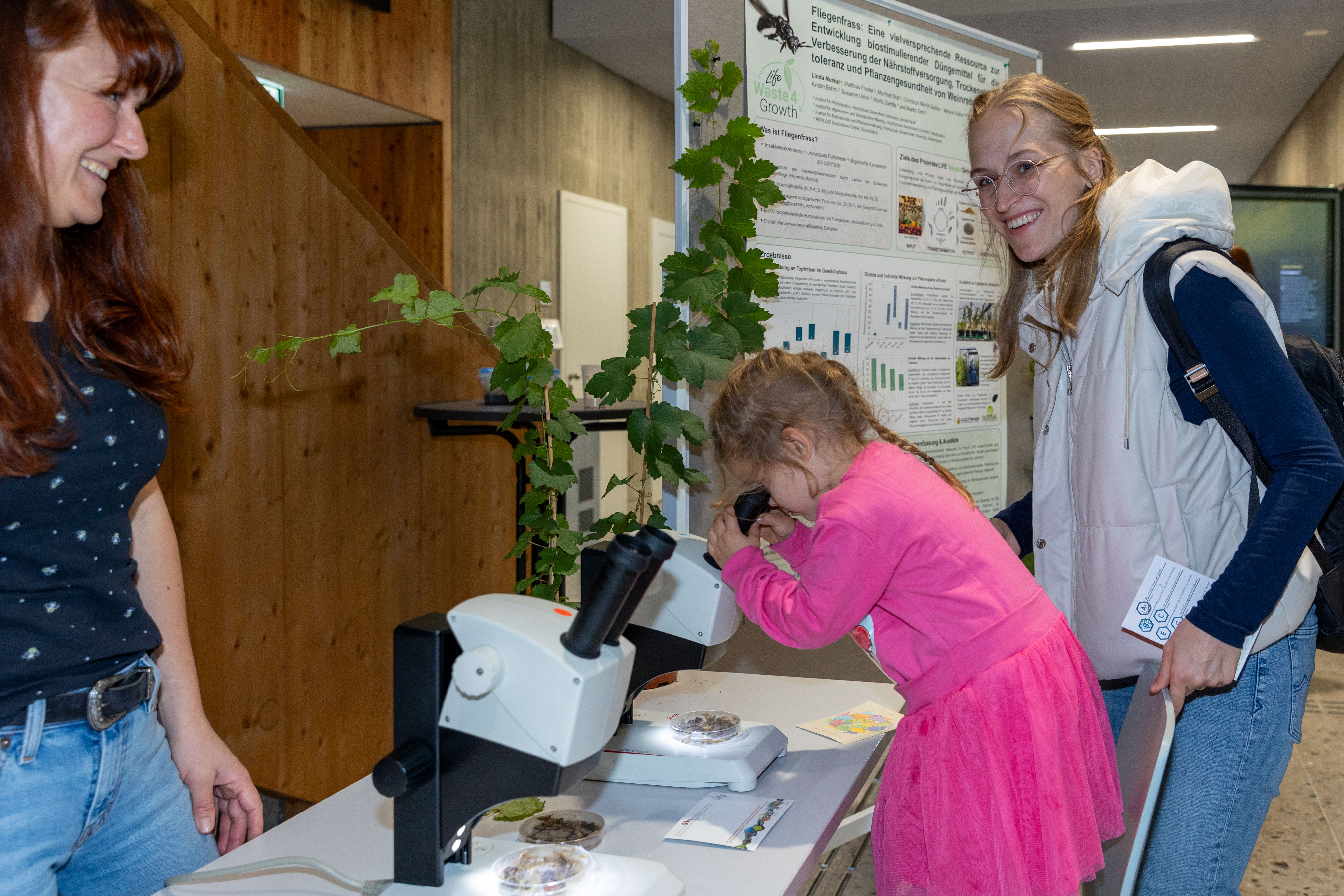
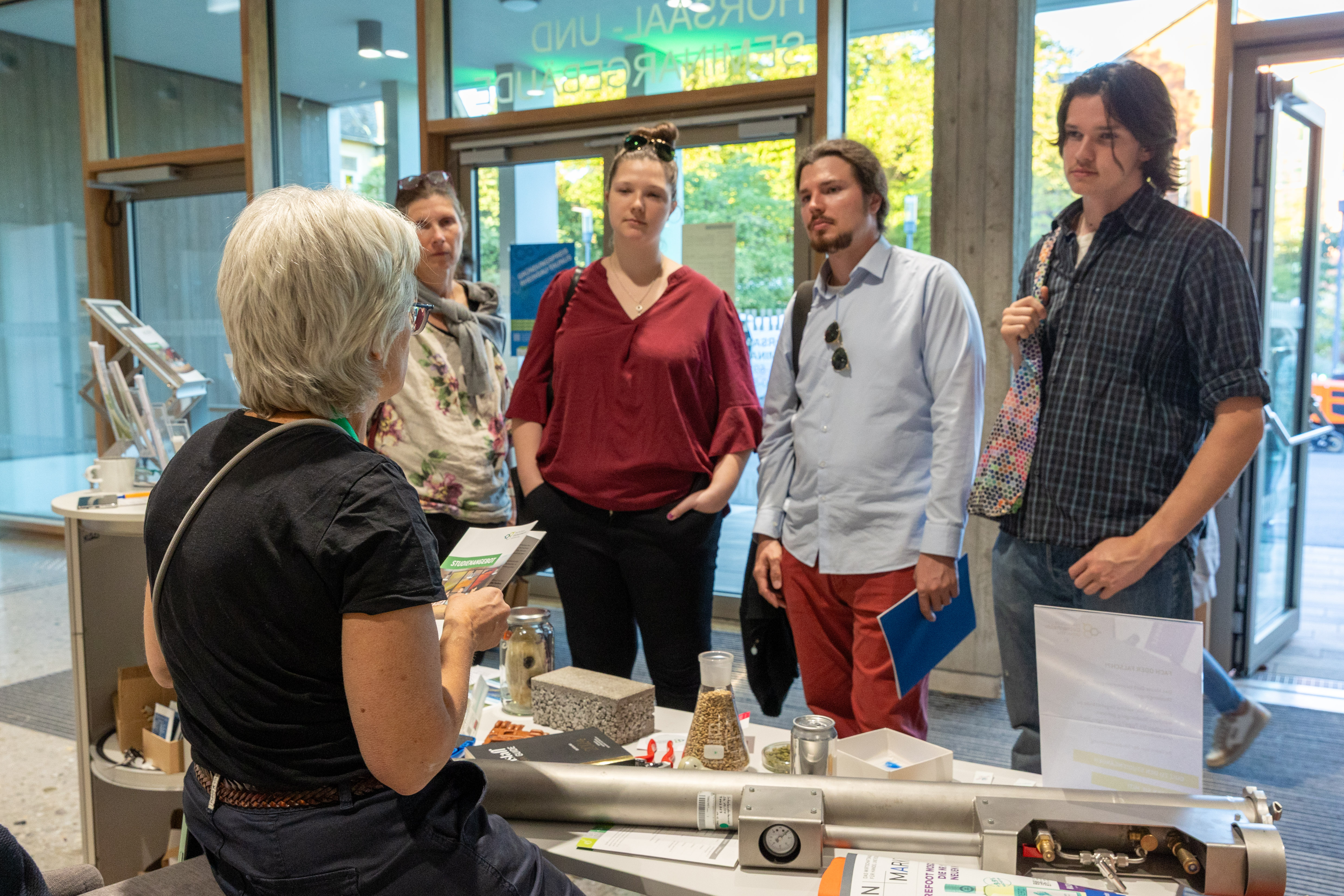
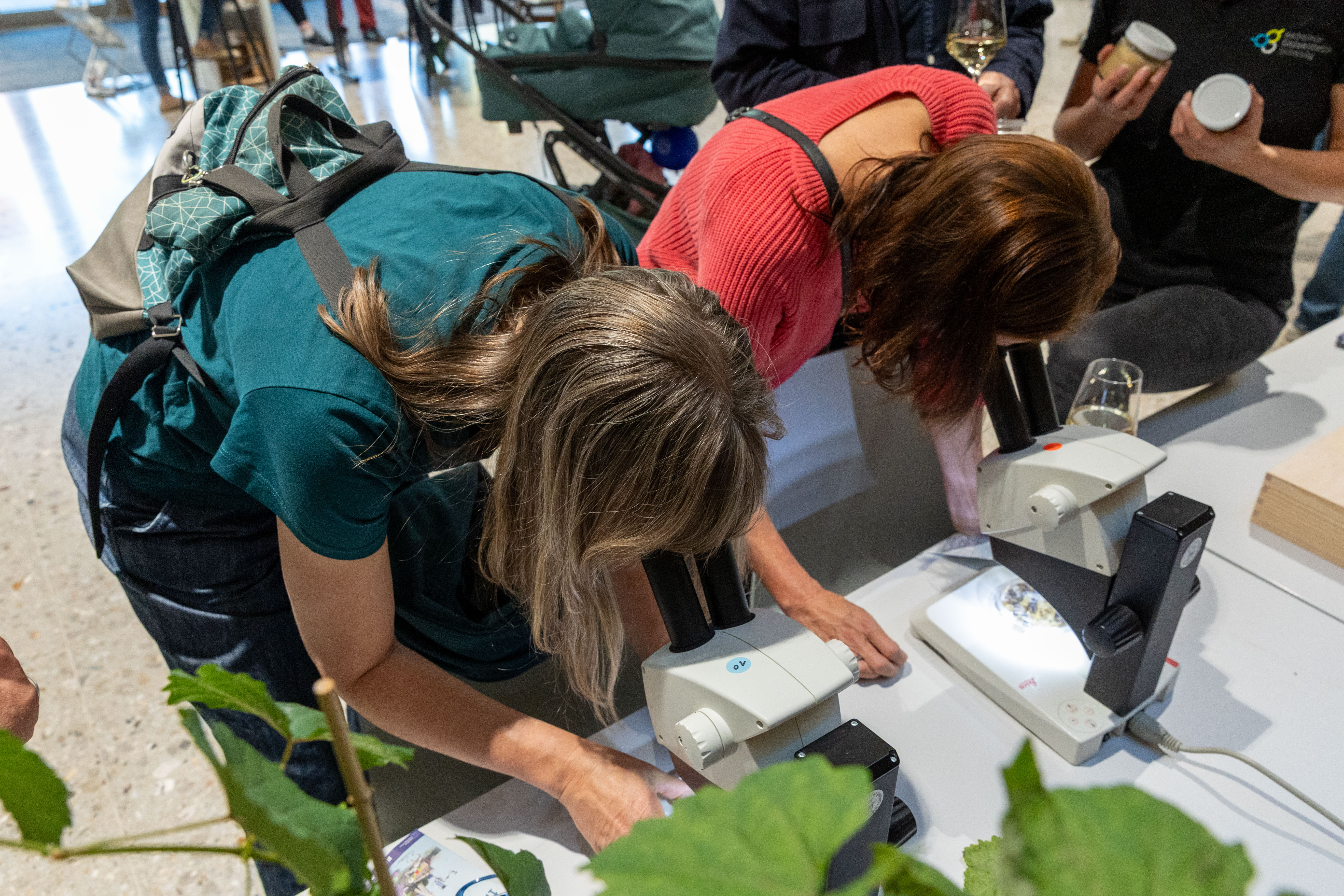
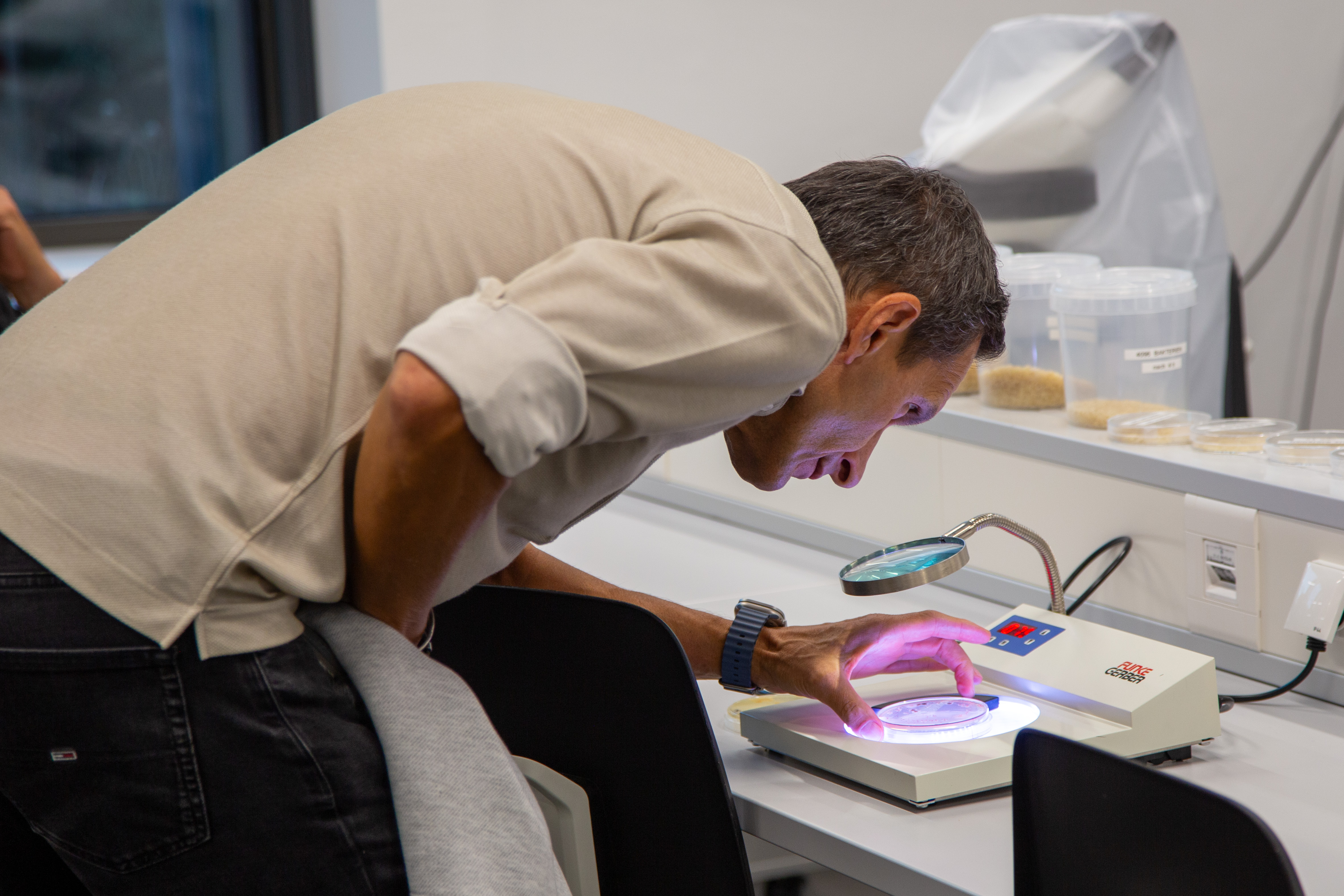
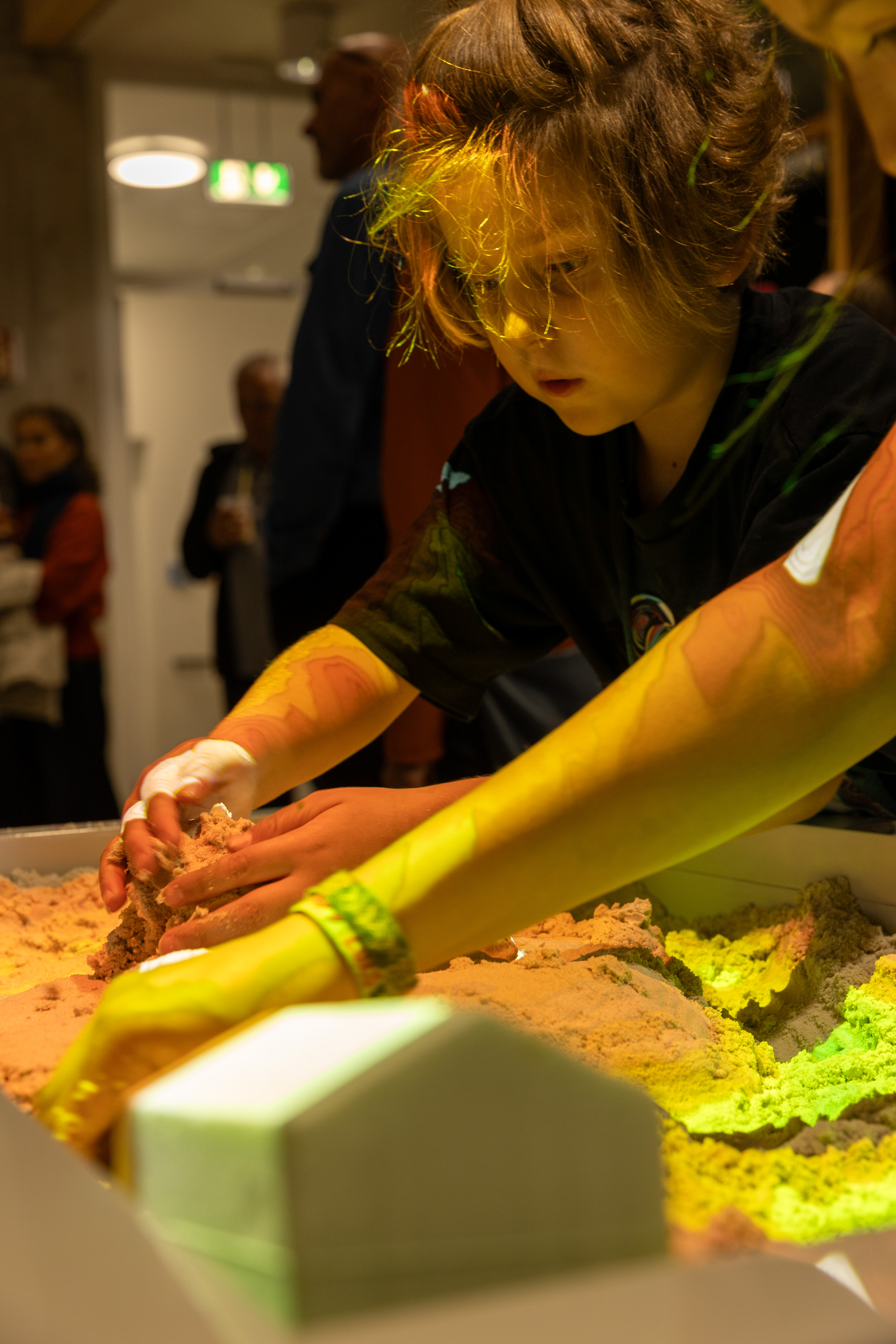
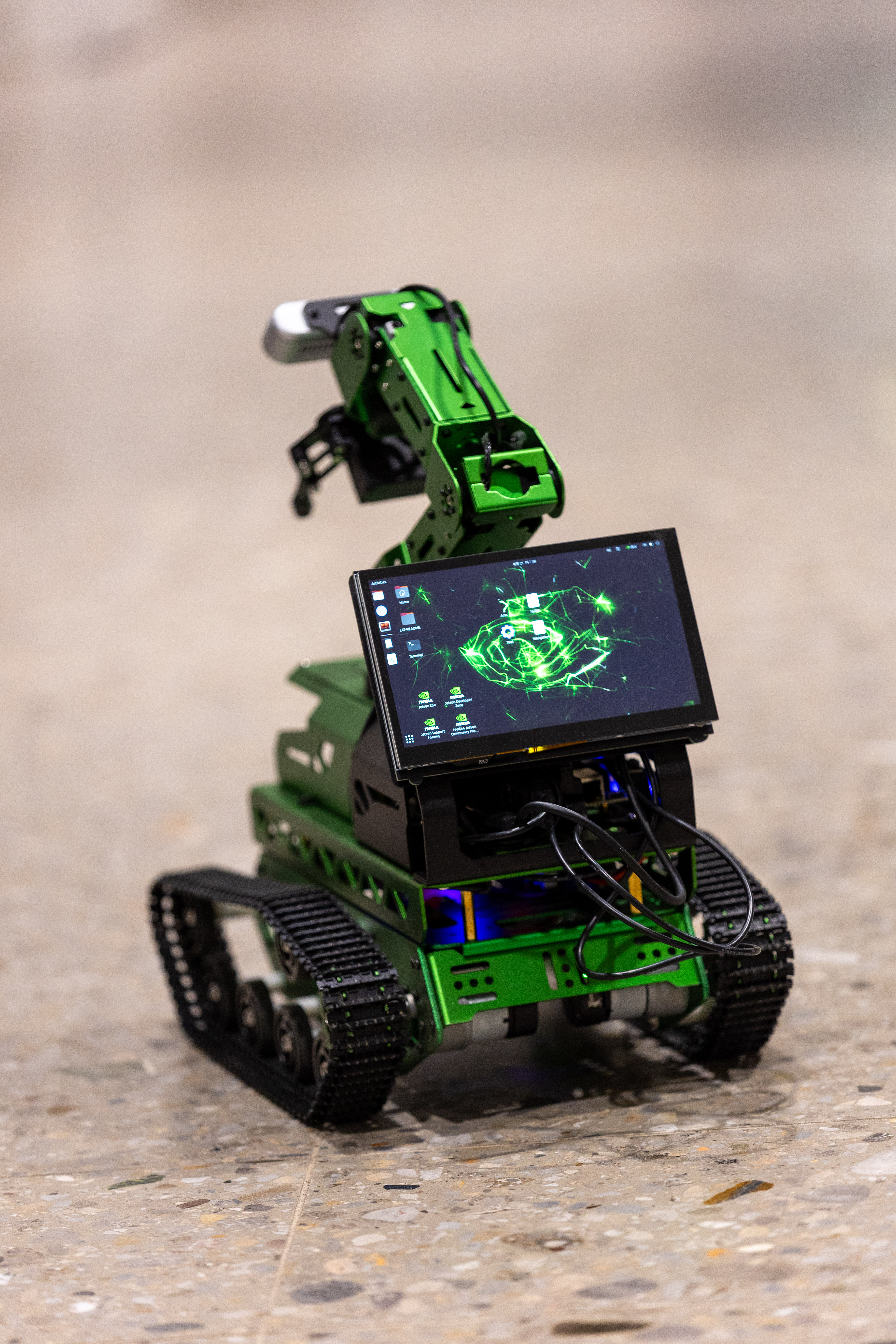
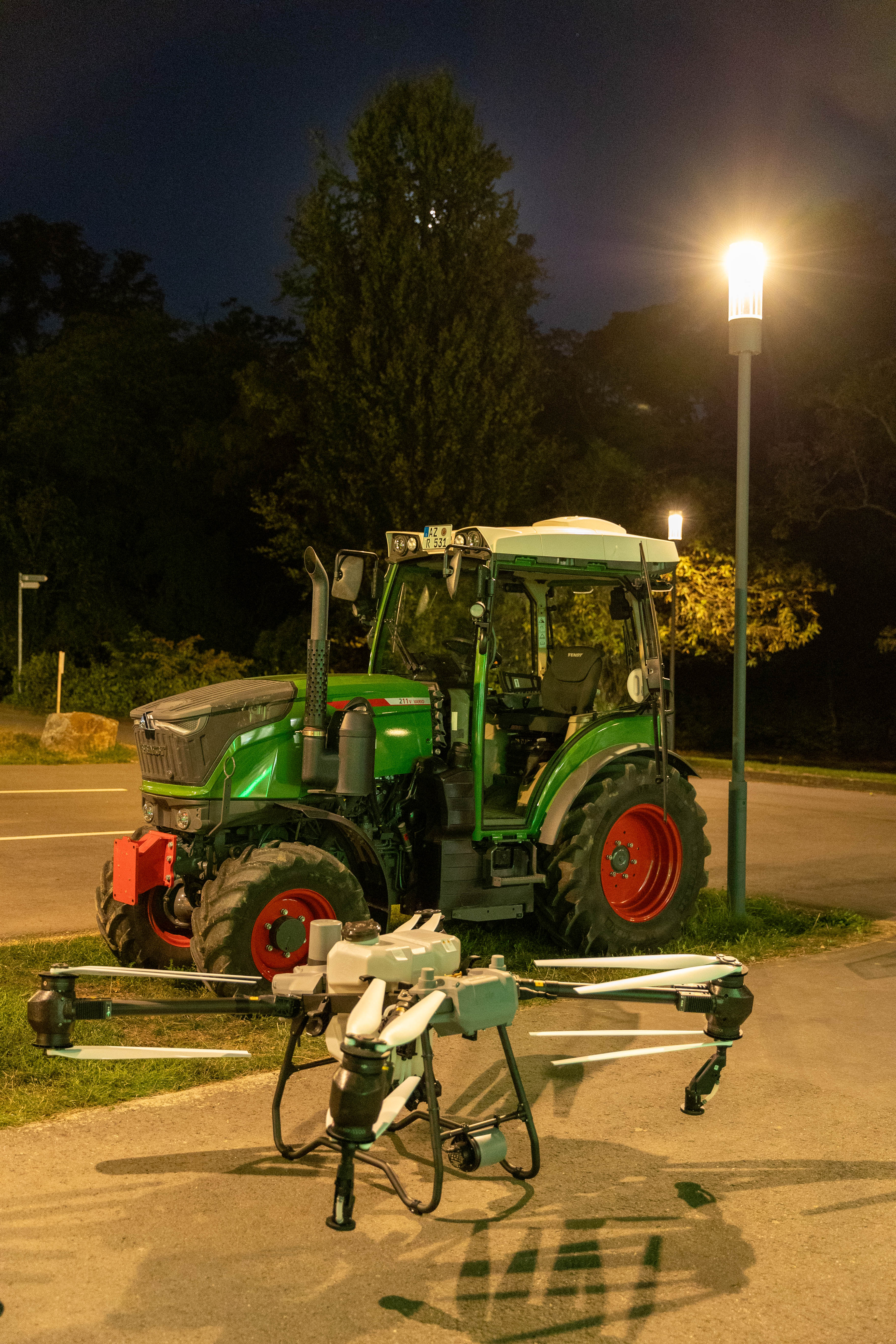
Held under the theme, ‘Exciting Research Made in Geisenheim’ the campus transformed into a lively science hub. Organized in five areas between central campus, research facilities and greenhouses, visitors had the chance to explore about 50 stations featuring interactive activities, tours, talks and presentations. From digital grapevines to robotic assistance dogs on construction sites, campus tours, and DIY juice-making kits – the university showcased its wide-ranging research activities, offering visitors exciting insights into the world of science. 

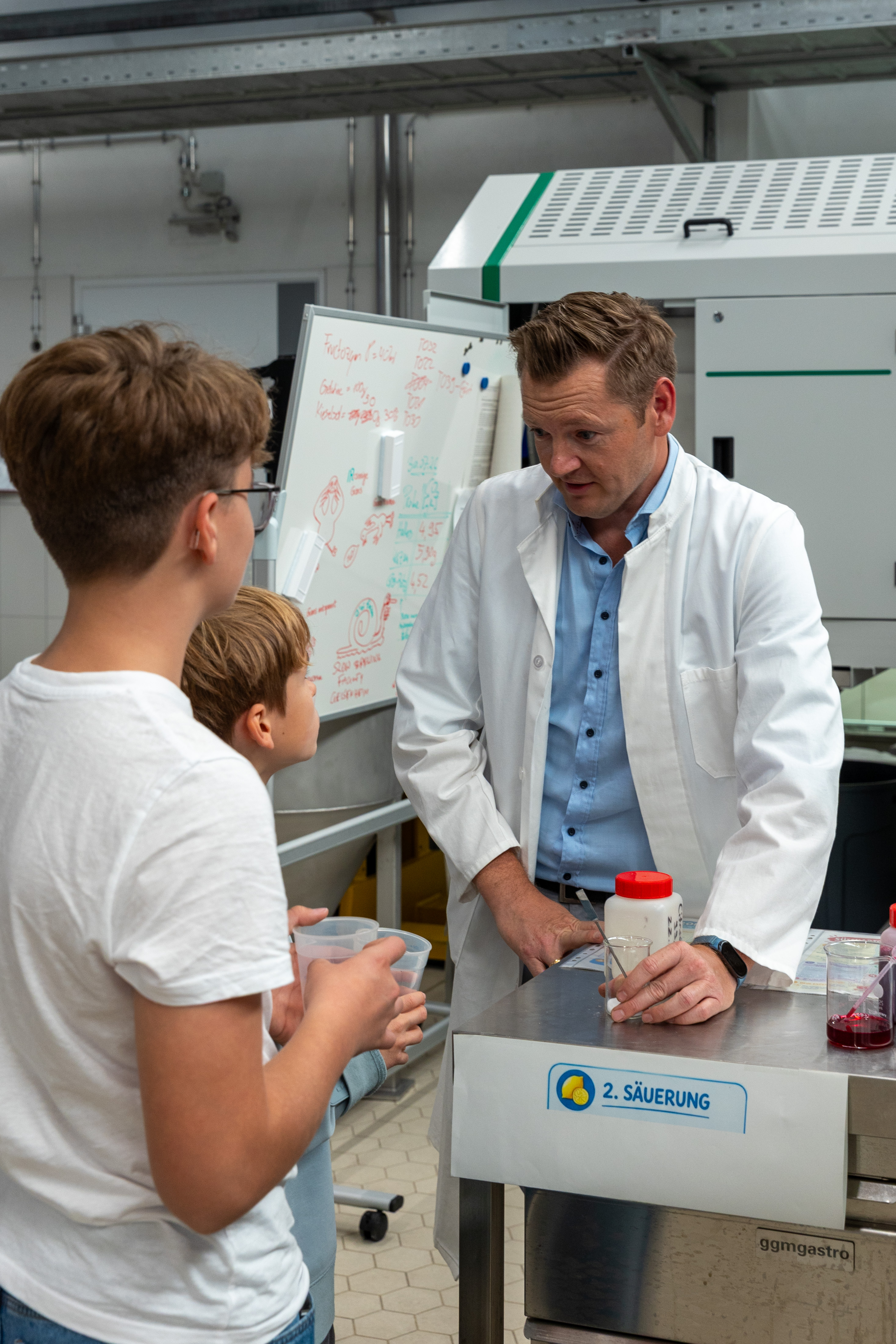
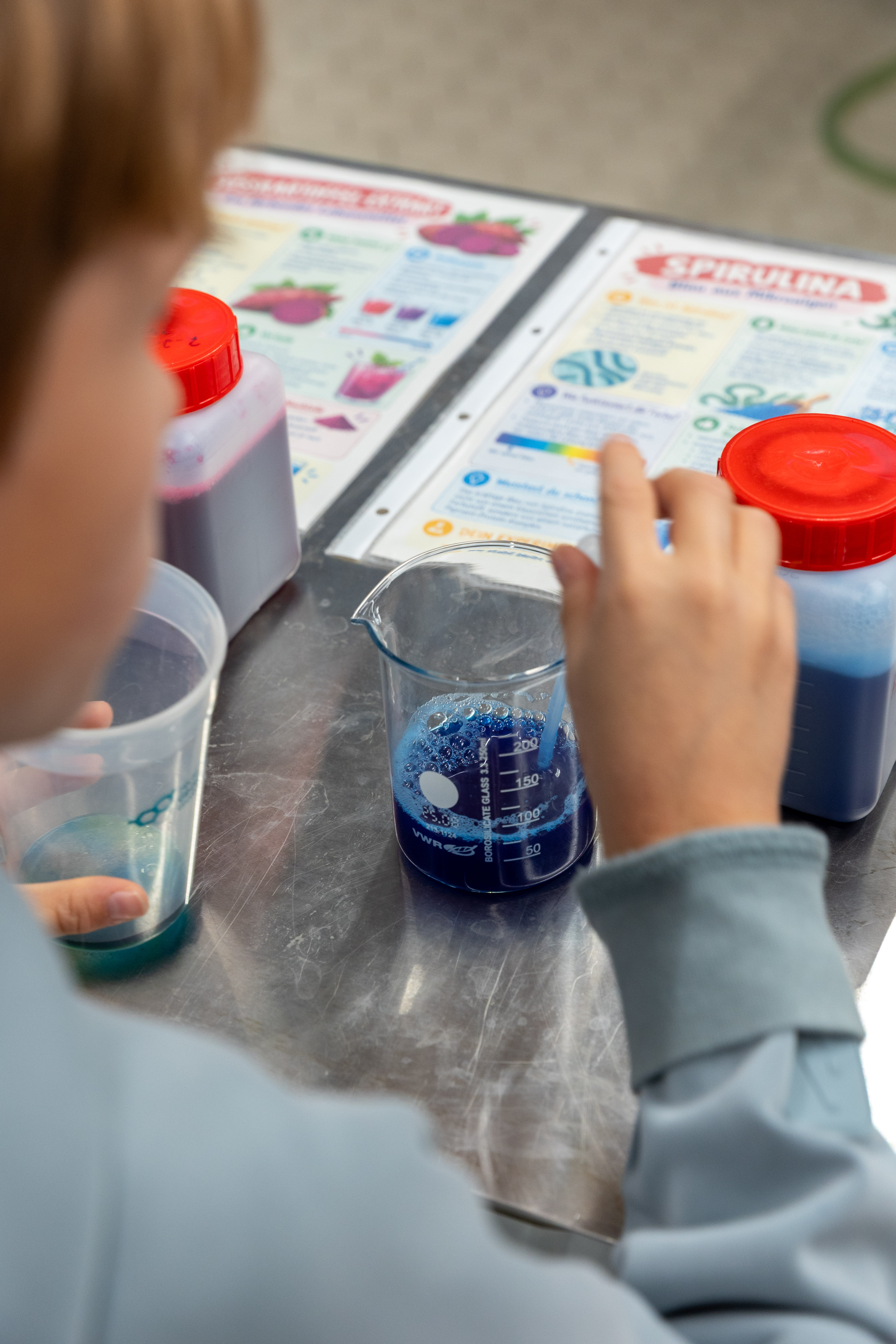
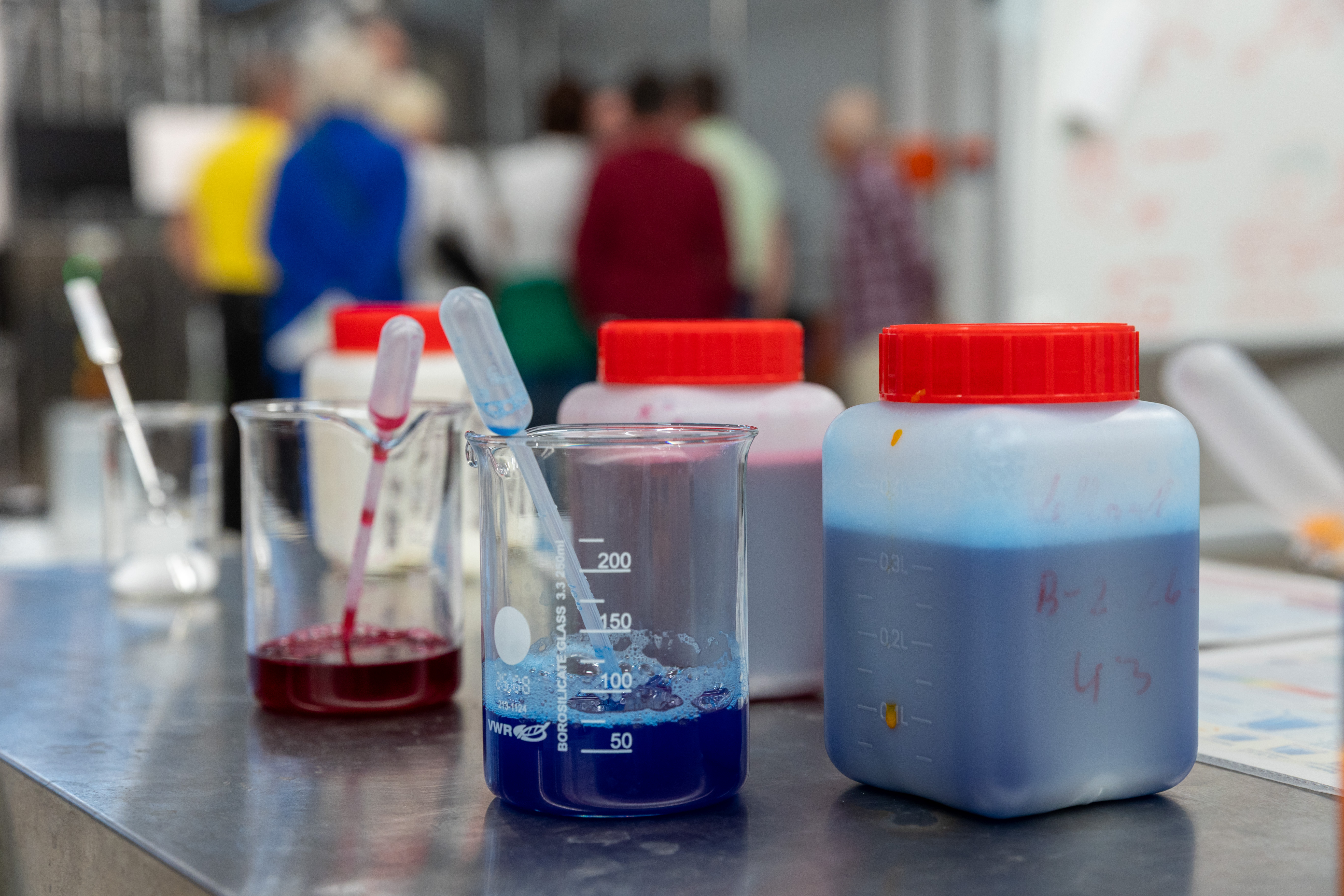
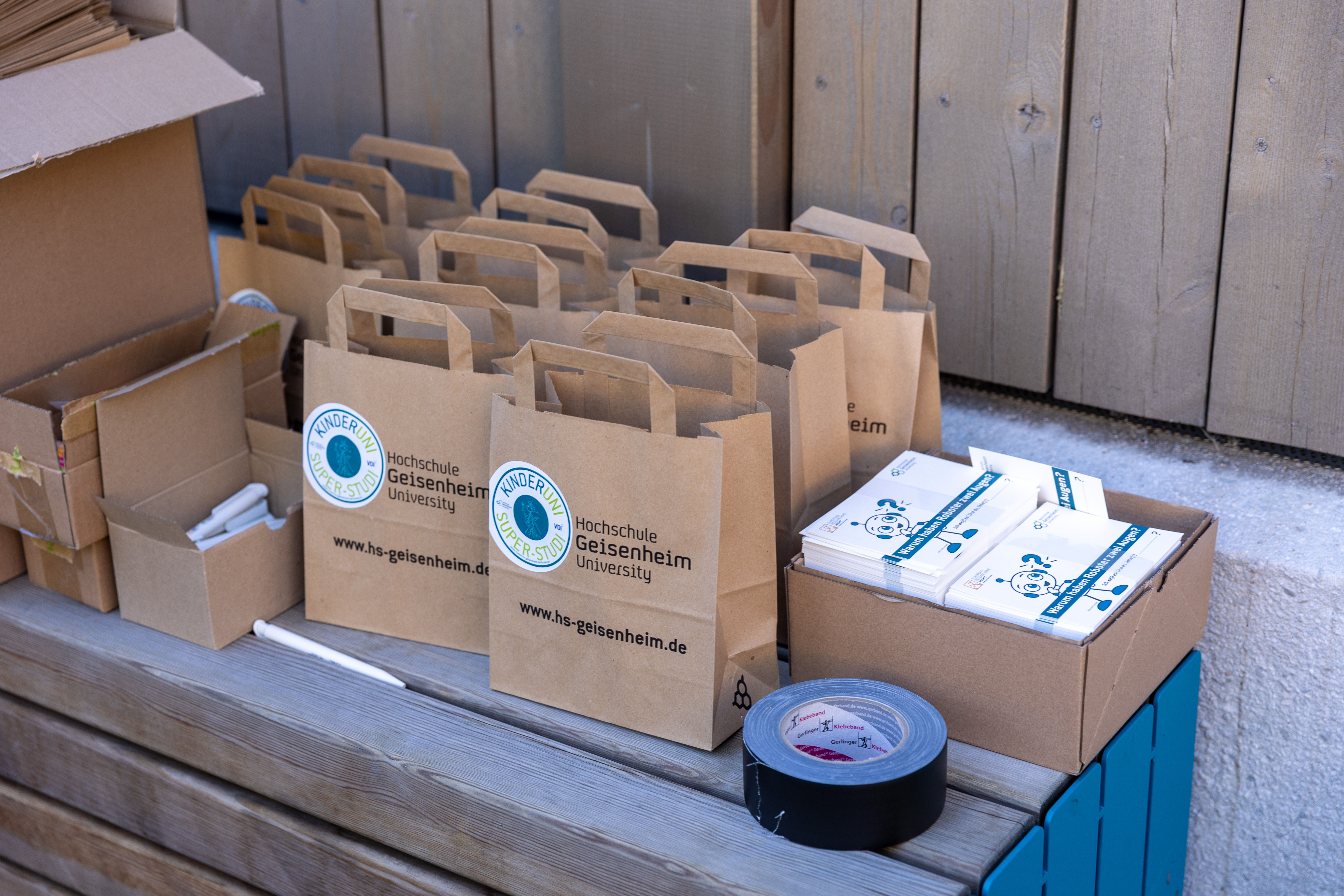
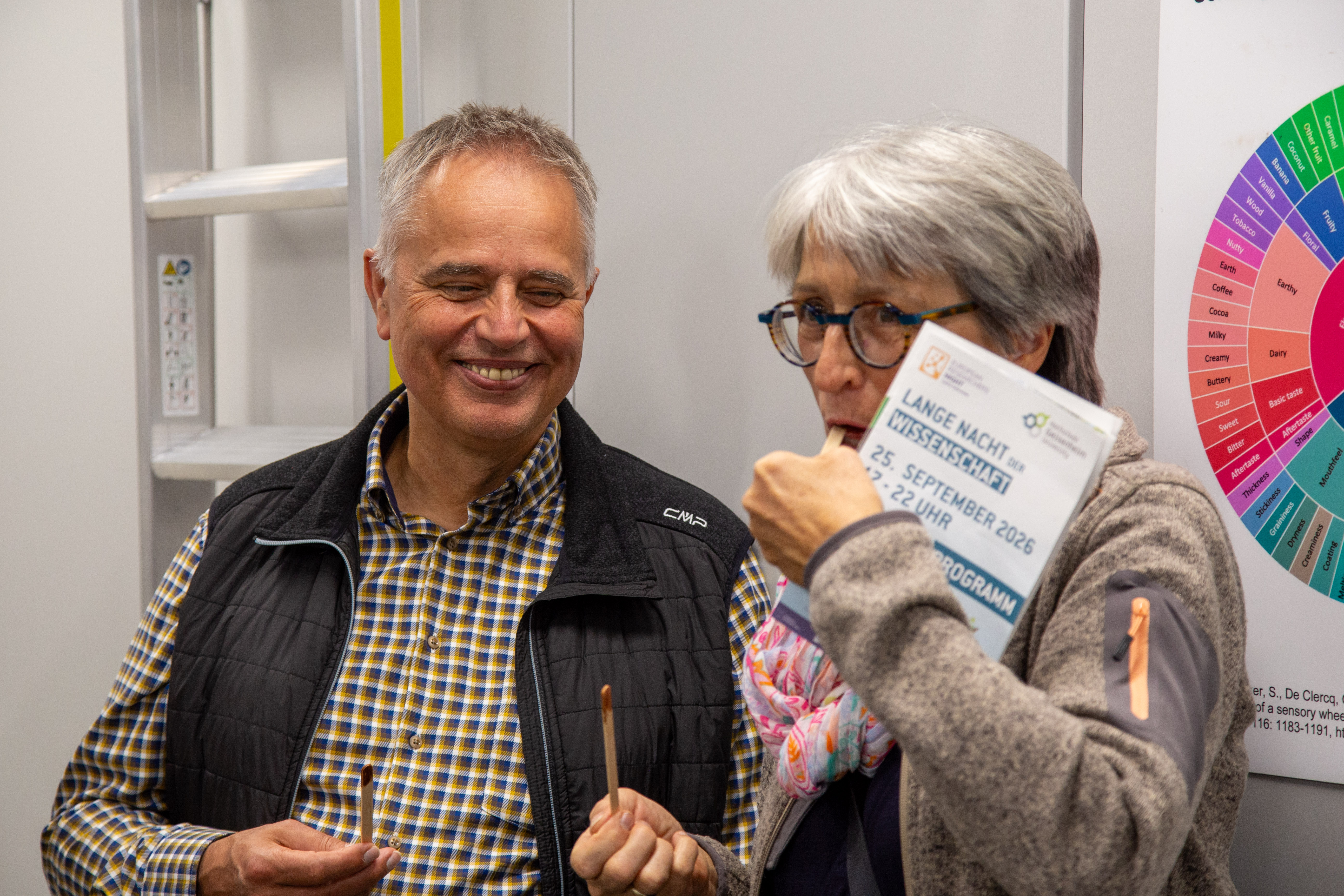
The younger generation was particularly enthusiastic. During a Kinderuni rally, children were able to explore the campus in a fun way and collect stamps at various stations. One highlight was the chance to create their own beverage: at different workstations, the next-generation researchers could mix their own creation, experiment with sweetening, acidification, coloring, flavoring and carbonization and taste their drink afterwards. The presentation “Is a nectarine just a peach without the fuzz?”, given by Prof. Dr. Michael Hagemann and his daughter Emma, also sparked a lot of interest among the younger generation. 

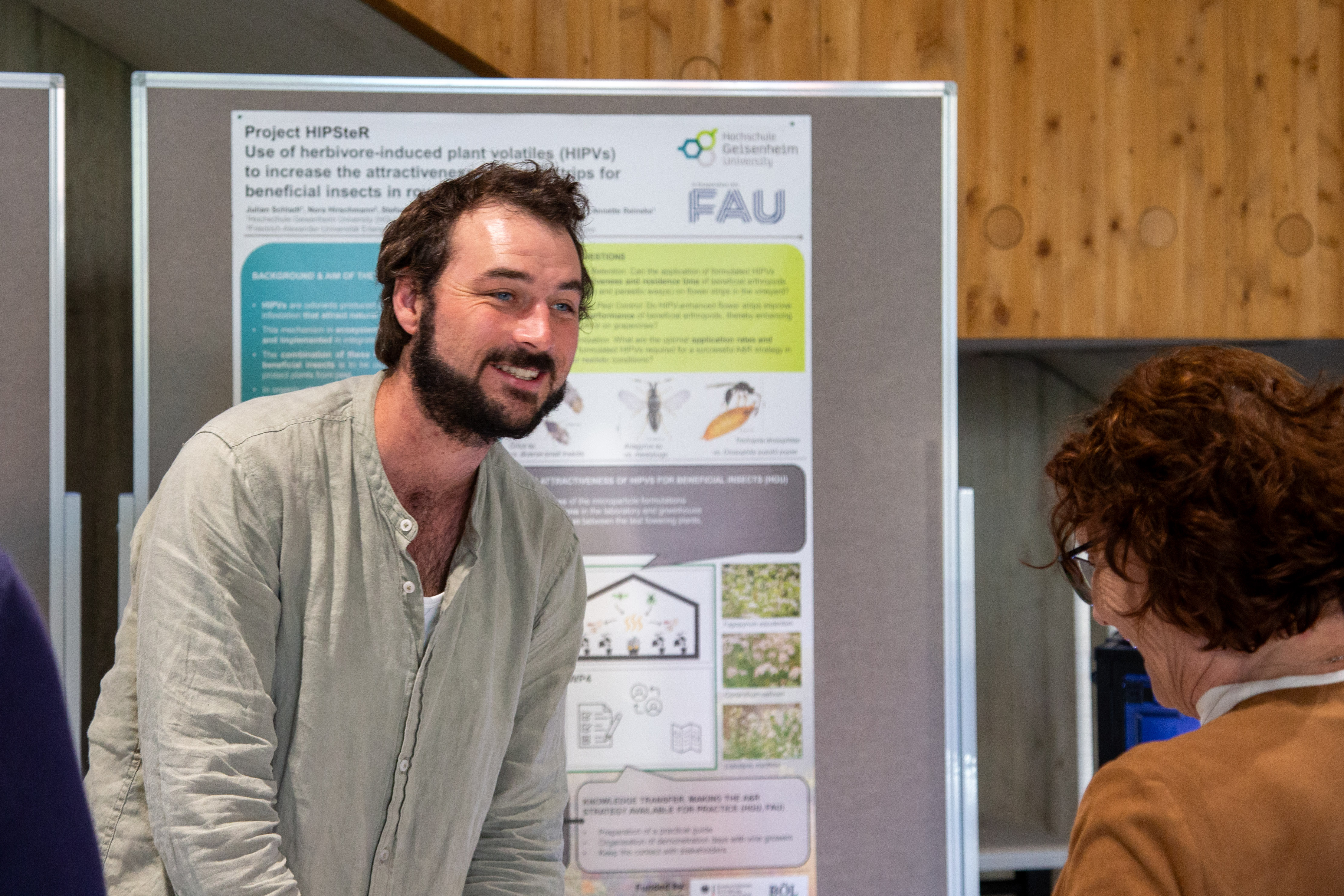
Prof. Dr. Annette Reineke, Vice-President of Research, emphasized the importance of a close exchange between researchers and society. “In collaboration with our industry partners, our researchers are working on solutions to address challenges related to viticulture and beverages, horticulture and landscape architecture. During the Researchers’ Night, we want to showcase our work and discuss it with visitors of all ages.”

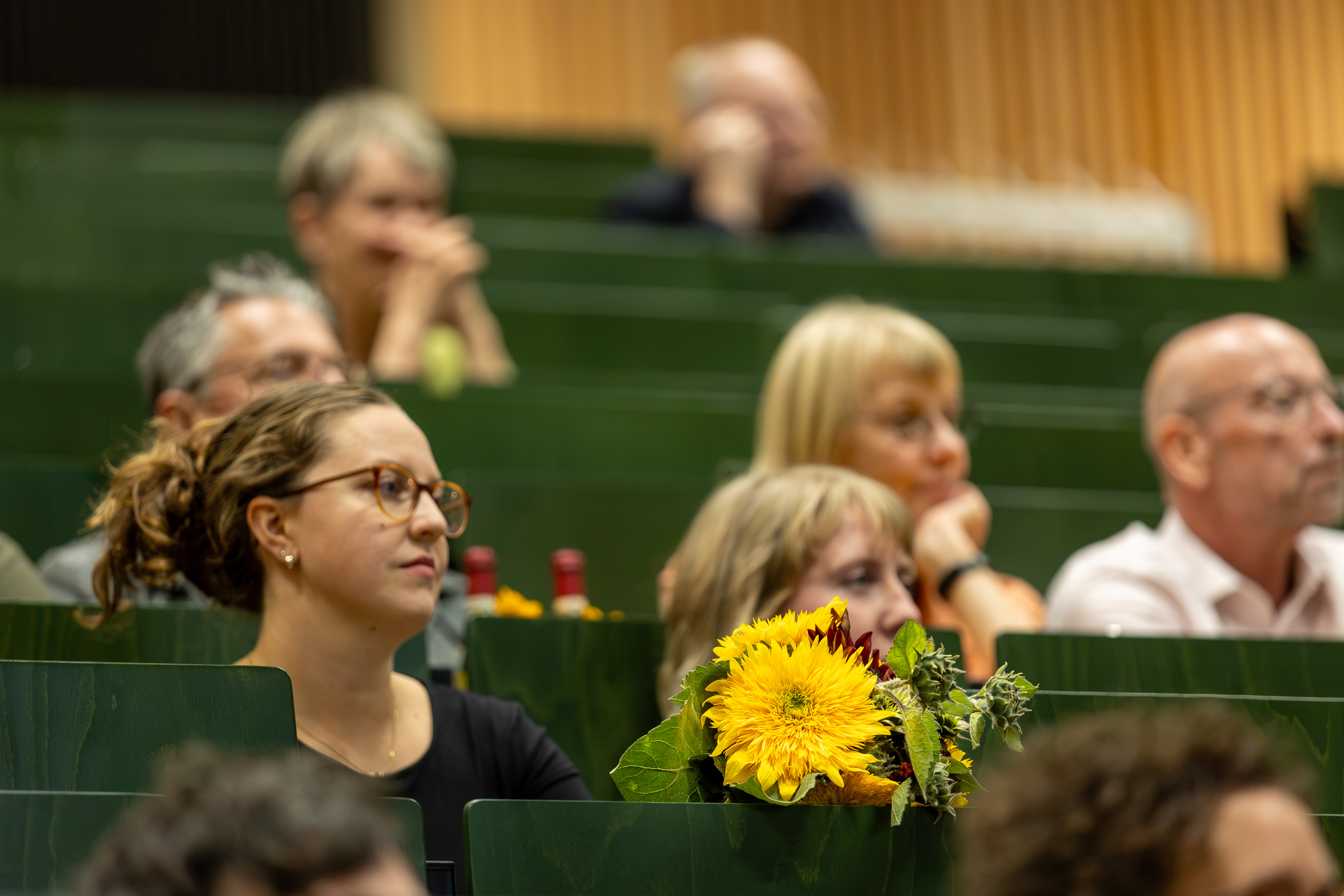
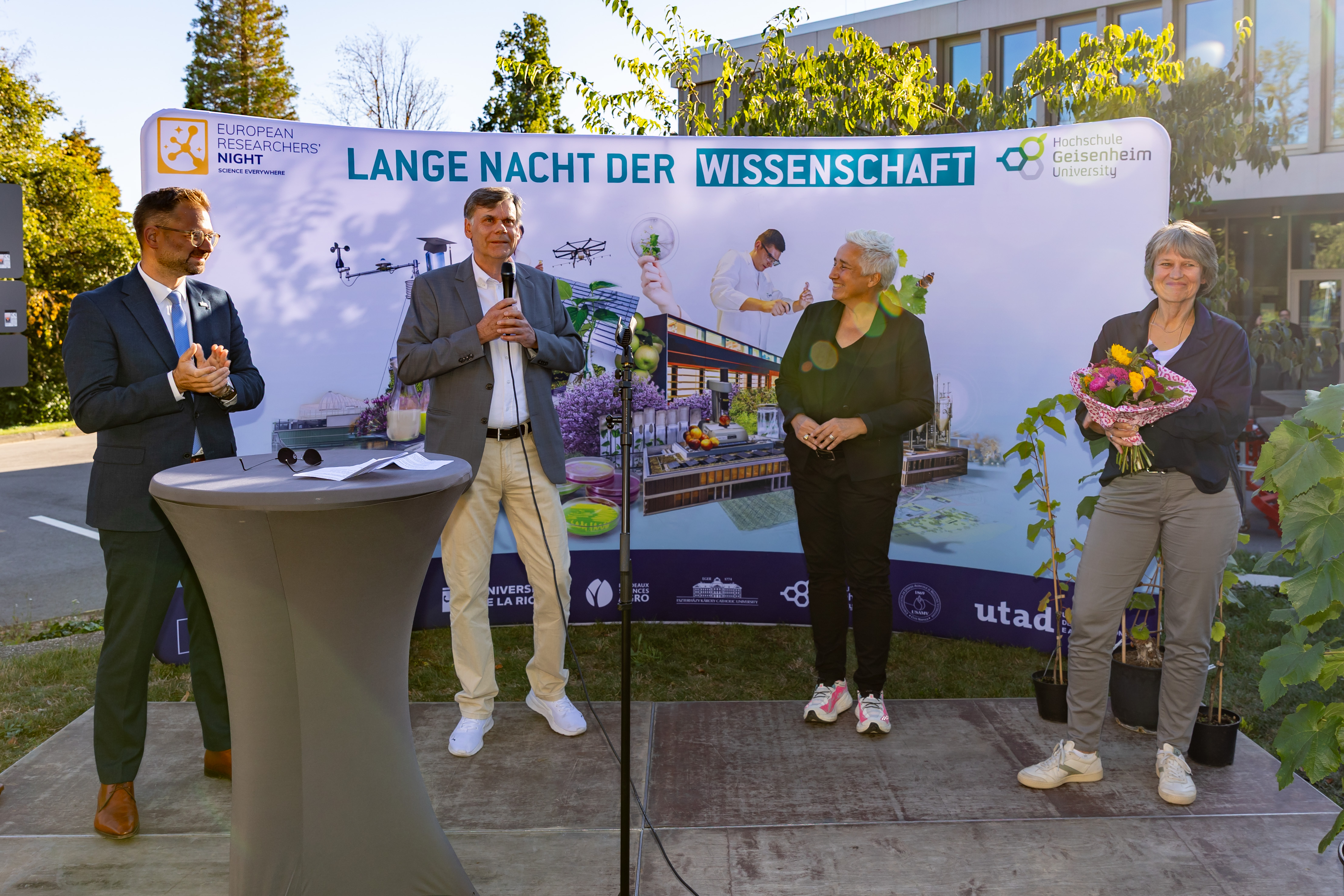
As part of the official welcome, University President Prof. Dr. habil. Karl H. Mühling took the opportunity to bid farewell to Prof. Reineke who is concluding her term of office as Vice-President of Research, and to thank her for her long-standing commitment.  Prof. Reineke has headed the university’s research operations with great dedication since 2017. On October 1, 2026, Prof. Dr. Katrin Kahlen will take over her position. 

Prof. Mühling was impressed by the high number of visitors and the positive feedback: “The Researchers‘ Night shows the wide range of topics addressed by our researchers. I’m delighted to see so many people visiting our campus to explore our work firsthand.” 

Knowledge transfer and European networking 

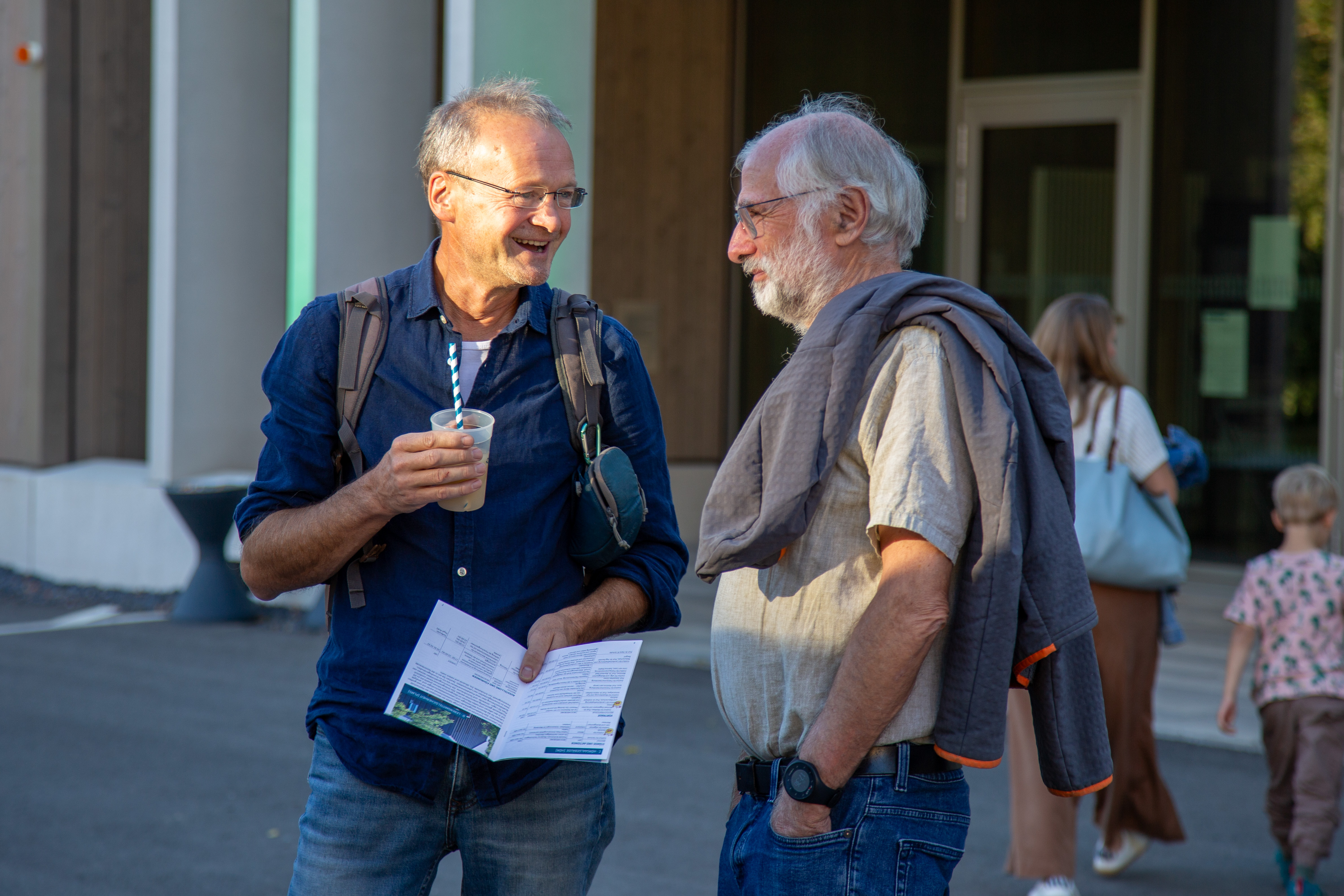
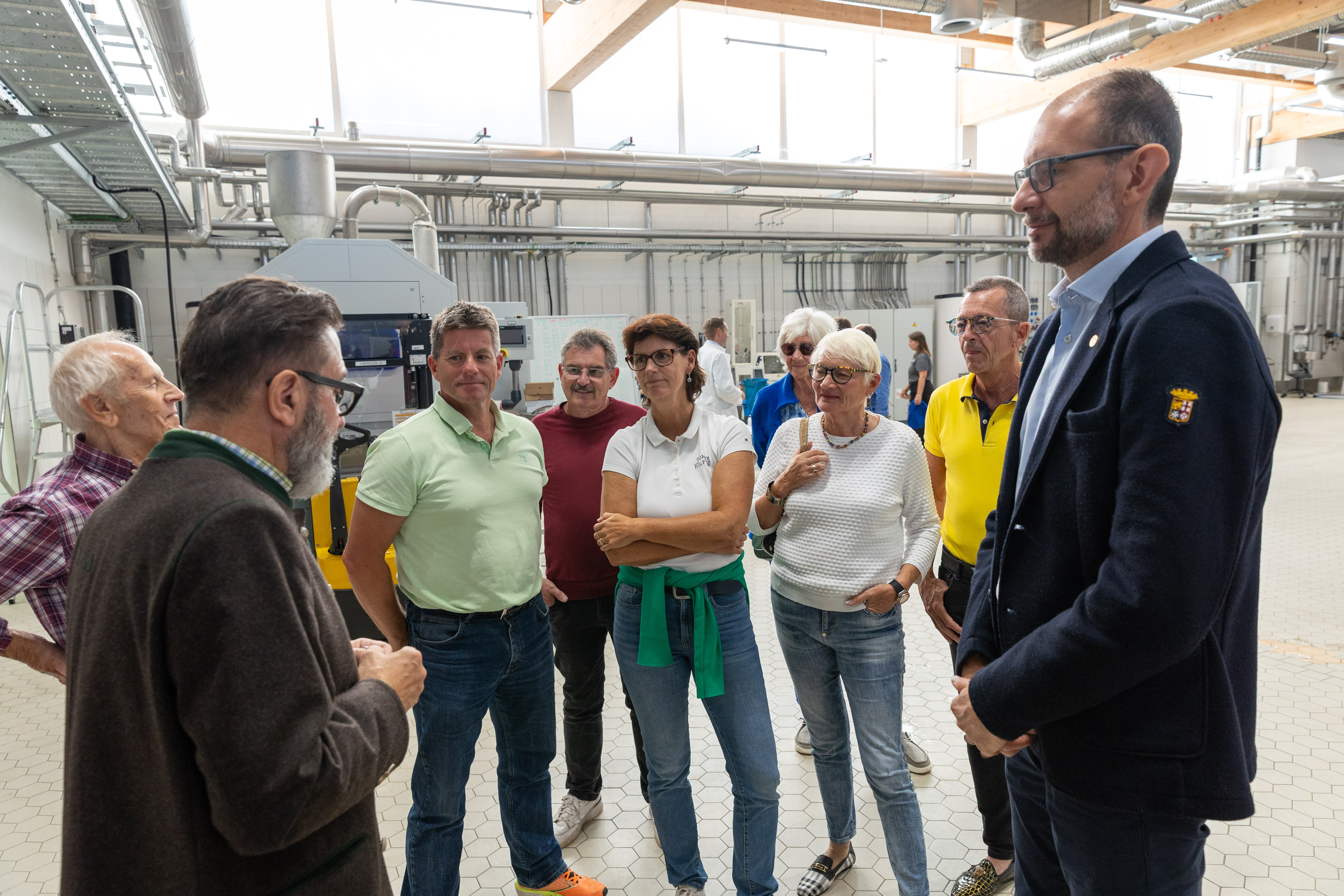
Knowledge transfer was the focus of the evening. Visitors gained insights into research that directly impacts their daily lives – from food and beverages to viticulture and horticulture, digitalization, sustainability, and landscape architecture. At the same time, the event offered numerous opportunities to speak directly with the researchers.

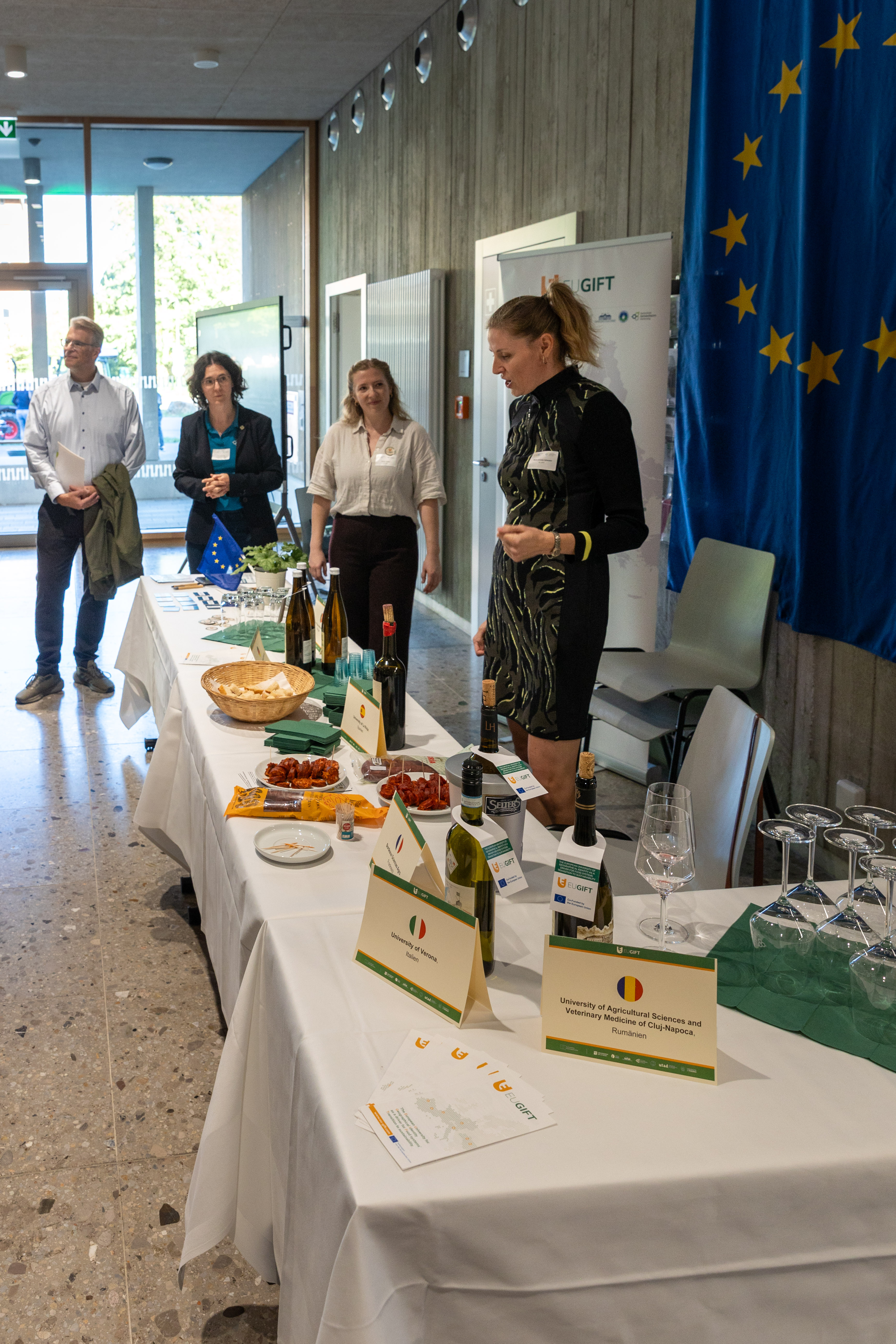
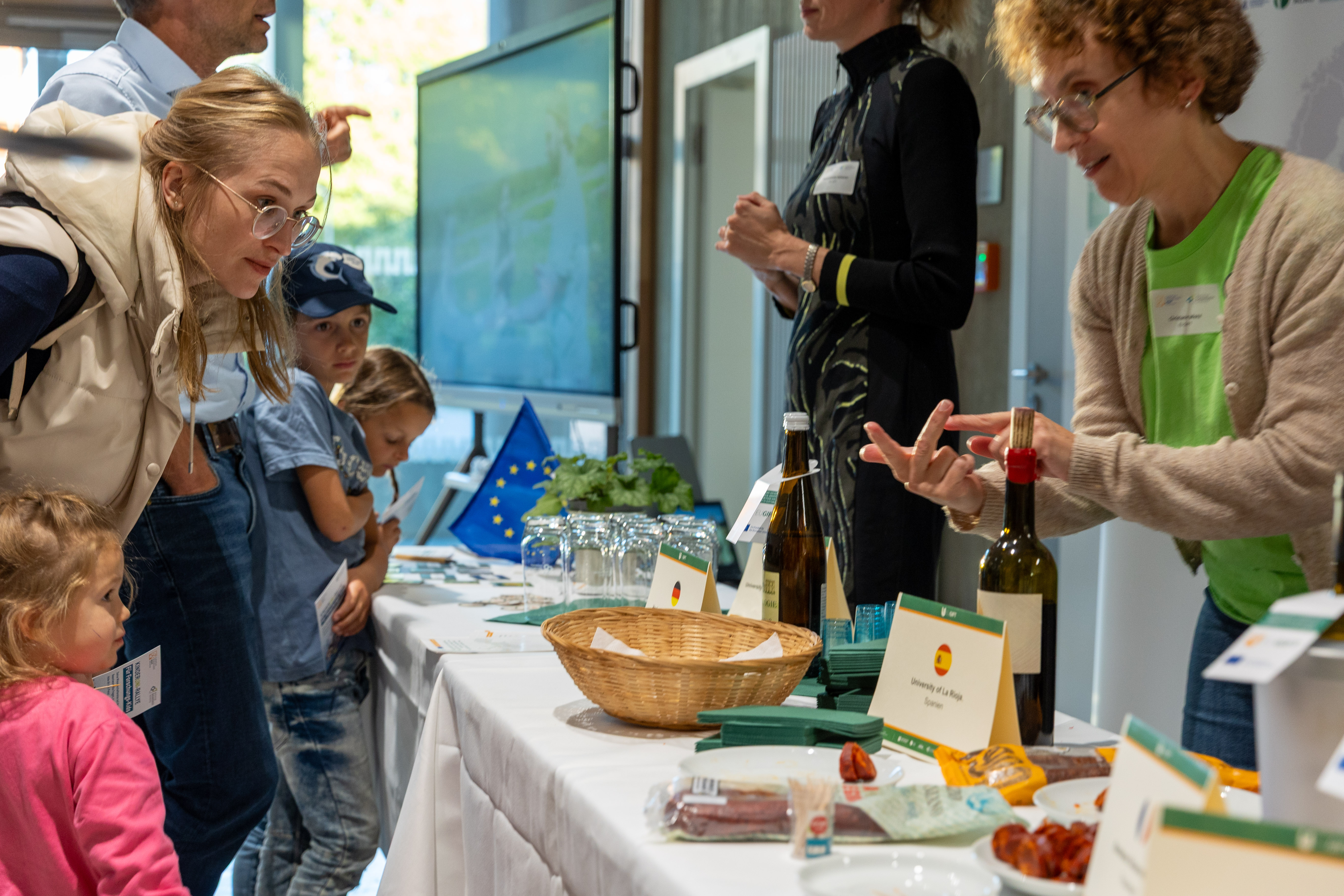
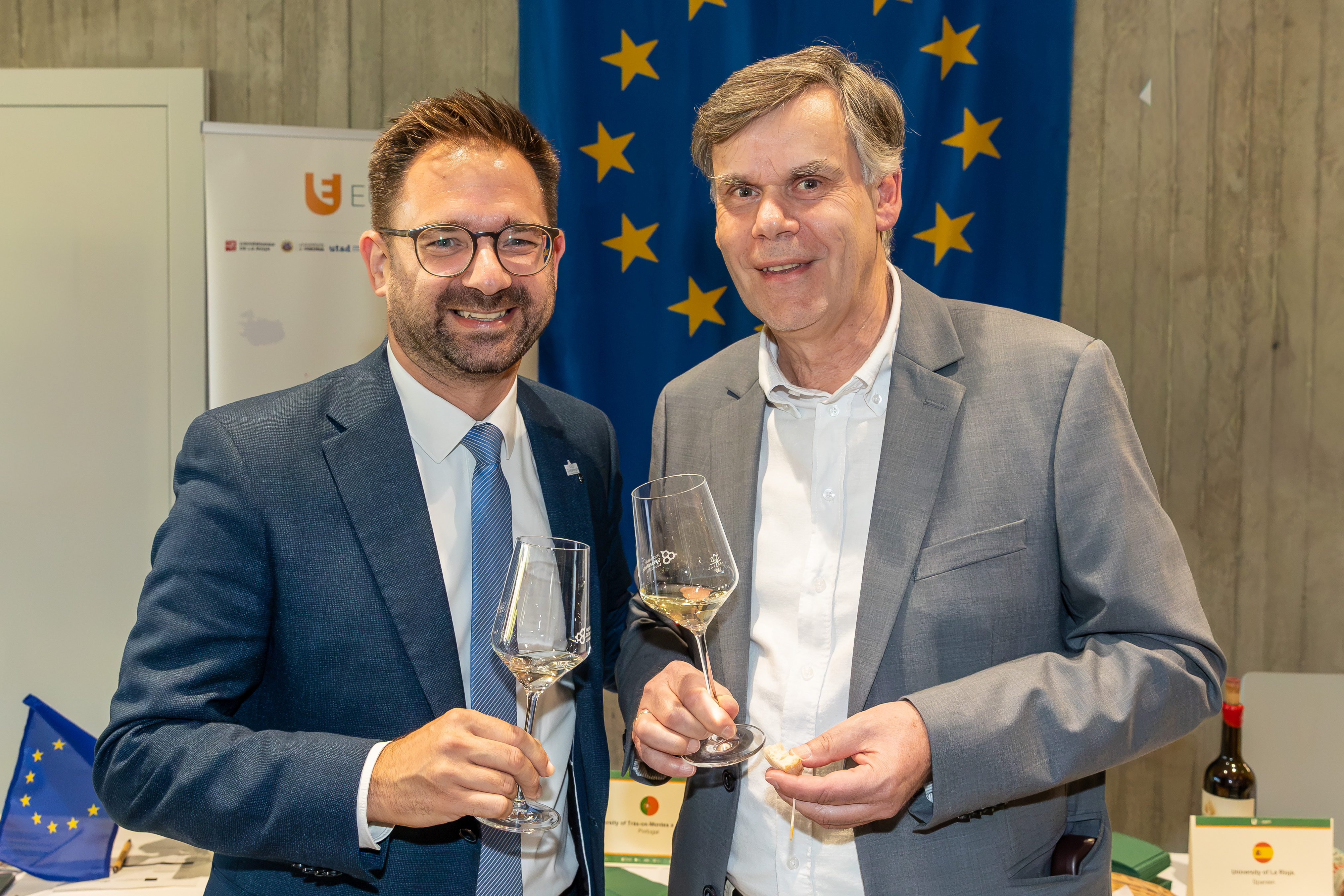
International collaborations also played a key role. In the European Corner, the university showcased projects and partnerships that connect Geisenheim with other universities and regions across Europe, showing visitors how international research collaborations help address common challenges in areas such as food, agriculture, climate adaptation, and sustainable development.

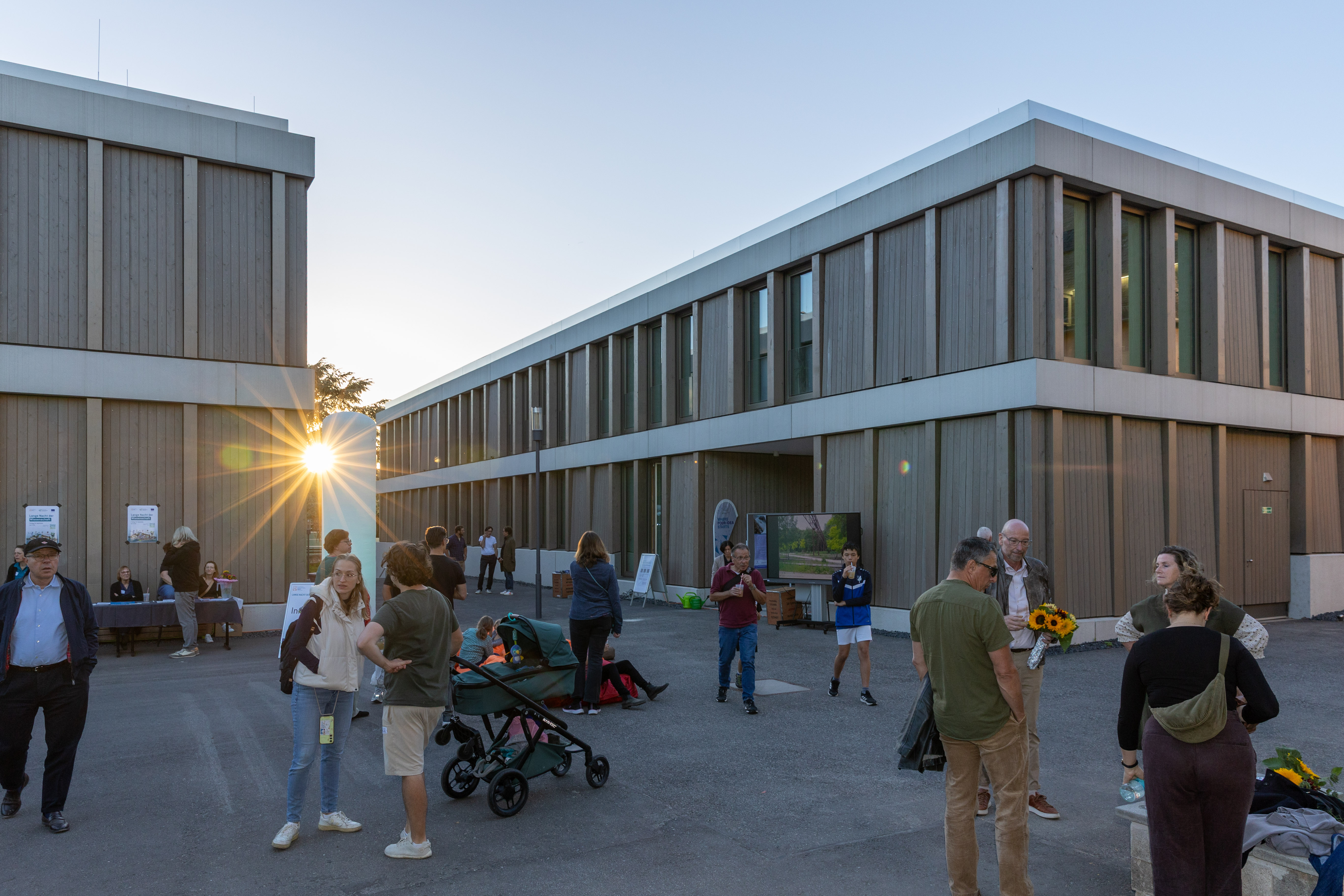
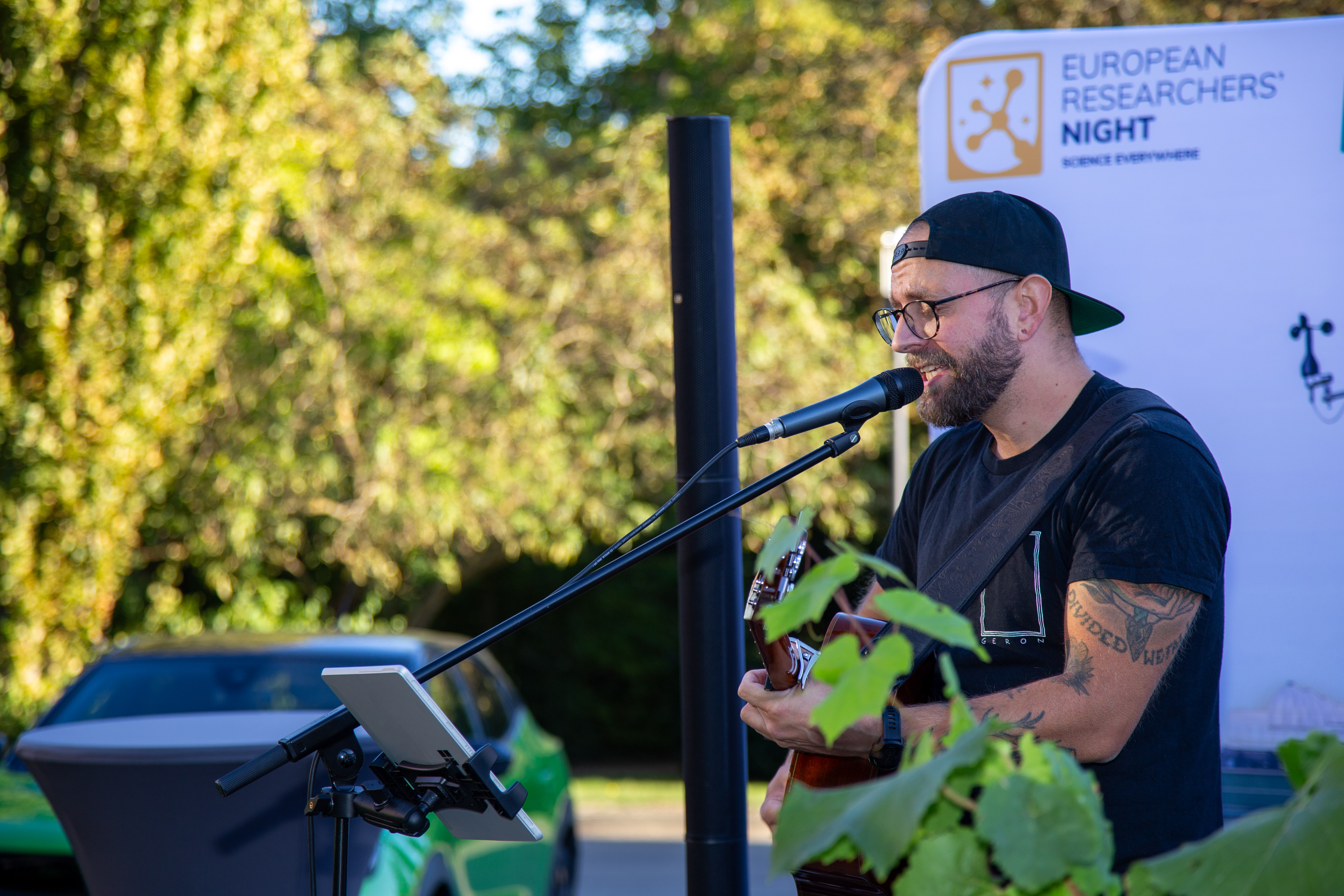
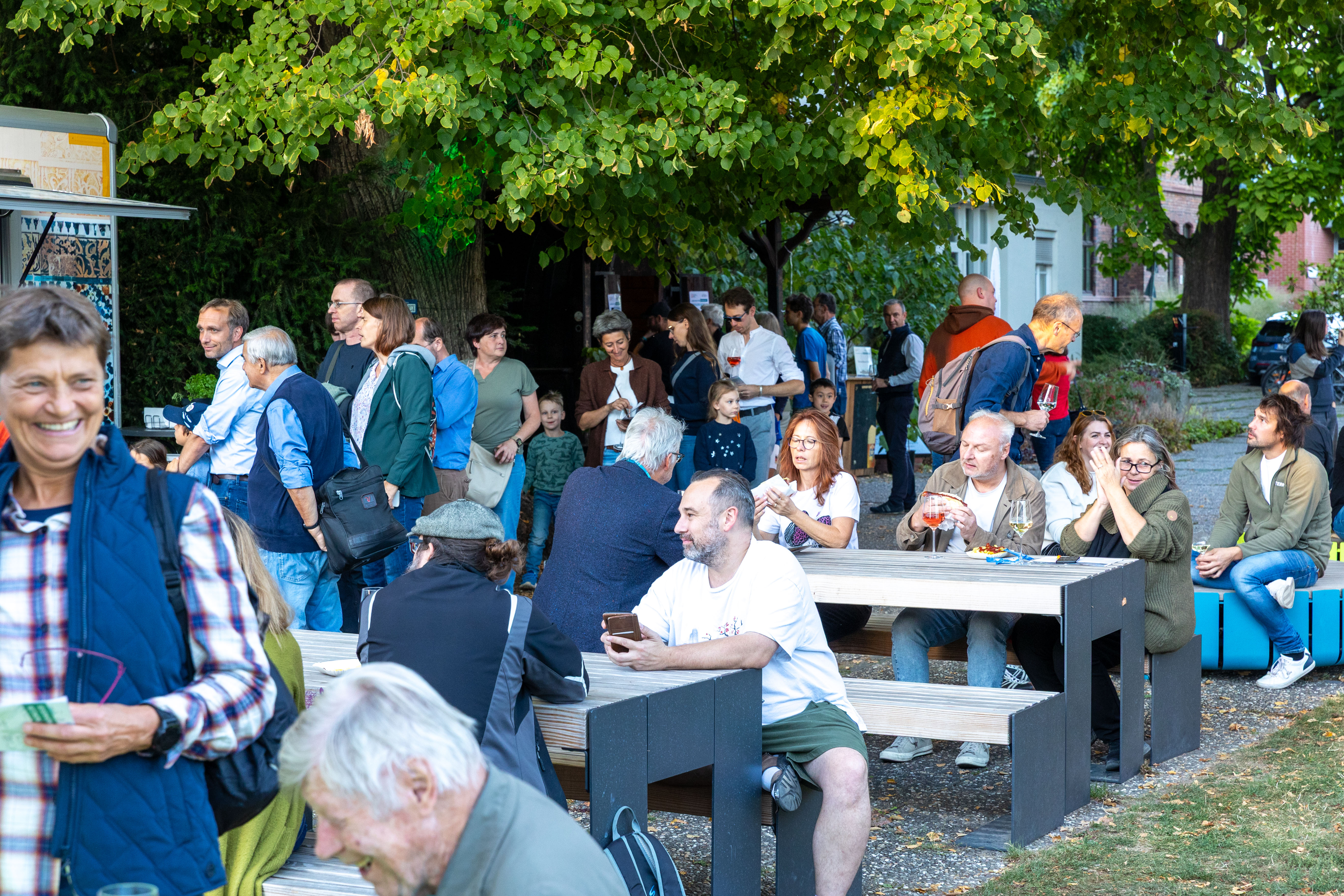
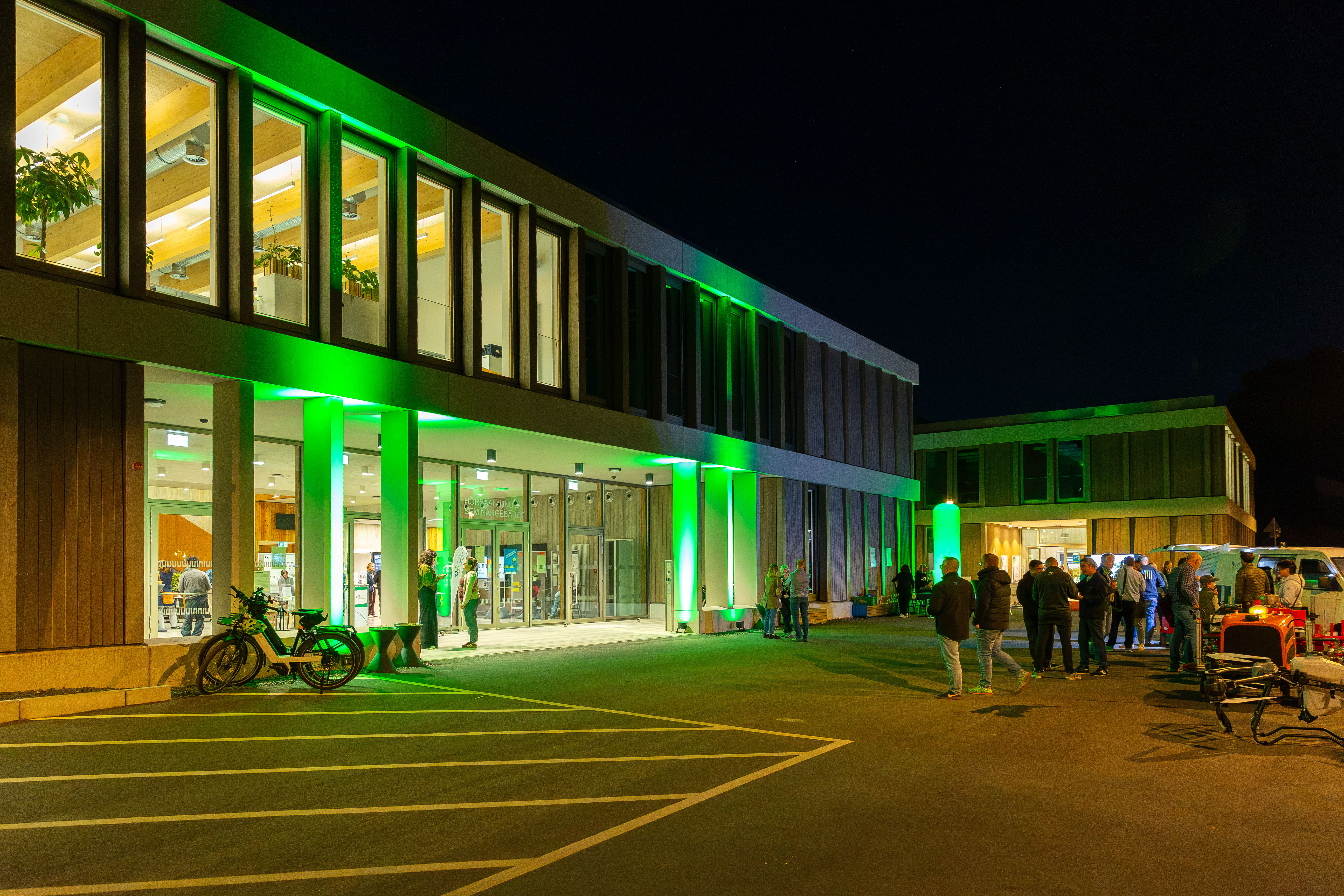
When darkness fell, the campus took on a magical atmosphere as numerous university buildings and greenhouses were illuminated, casting a glow over the surrounding vineyards and research plots. Live music performed on the campus lawn, snacks and beverages as well as wines from the university winery nicely rounded off the evening. Many Geisenheim alumni also took the opportunity to visit their alma mater and reconnect with familiar faces. 

Public highlight of the Agri Food Week

The Researchers‘ Night marked the public highlight of an entire week dedicated to sustainable food systems – the Agri Food Week from September 22 – 25, 2026. This new theme week was created as part of Hochschule Geisenheim University’s involvement in the EU GIFT Alliance. With its wide-ranging program, the Agri Food Week brought together prospective students, the university community, researchers, industry professionals, and anyone interested in the future of food, agriculture, and landscape development. 

The theme week kicked off with a Kinderuni session on fruit juice production and a new introductory program for adults on beer brewing. Other highlights included a new lecture format for school students and two expert conferences. 

The Researchers’ Night wrapped up the Agri-Food Week, inviting the general public to explore the future of food, landscape and landscape development close up.

About the European Researchers‘ Night 

The European Researchers’ Night brings science and the general public together for a night of hands-on discovery. Hochschule Geisenheim University participated for the first time this year. 

The European Researchers’ Night is supported by the EU project “ReNourish” (Research and Education to Nourish Society). By joining the initiative, Hochschule Geisenheim University is strengthening its international networking and its efforts to bring research closer to the people. 

Mayor Christian Aßmann emphasizes the close ties between the town and the university: “The university brings young people and new ideas to our town and carries its name far beyond the Rheingau region. The Researchers’ Night shows how vibrant this connection is when residents visit the campus to ask questions and explore research close up.”

The high number of visitors and the positive feedback made the Researchers’ Night a remarkable evening for science and society.

Hochschule Geisenheim University would like to thank all visitors, researchers, staff members, partners and supporters who helped 

About EU GIFT:

Hochschule Geisenheim University is part of the EU GIFT Alliance, a consortium of seven higher education institutions from Spain, Italy, France, Portugal, Hungary, Romania, and Germany, and more than 30 partner organizations. EU-GIFT stands for "European University for Geographical Identity as a driver for Food Systems Transition to Sustainability. The alliance fosters European cooperation in teaching, research, and innovation, with a particular focus on sustainable food and beverage systems and regional value chains. Key areas include viticulture, agriculture, food production, and sustainability. By participating in the alliance, the university is strengthening its international profile and establishing itself as a European university.
More details: EU-GIFT
Categories: MyHGU-App, Mein-Netzwerk, Veranstaltungen, Dashboard, HOCHSCHULE, EU-GIFT, Presse und Kommunikation, Alumni, FORSCHUNG, Wissenschaftlicher Nachwuchs, Wein- und Getränkewirtschaft, Urbanen Gartenbau, Technik, Rebenzüchtung, Phytomedizin, Oenologie, Obstbau, Molekulare Pflanzenwissenschaften, Modellierung und Systemanalyse, Mikrobiologie und Biochemie, Lebensmittelsicherheit, Landschaftsplanung und Naturschutz, Landschaftsbau und Vegetationstechnik, Getränkeforschung, Gemüsebau, Frischproduktlogistik, Freiraumplanung, Bodenkunde und Pflanzenernährung, Angewandte Ökologie, Allgemeiner und ökologischer Weinbau, Nachrichten

Images

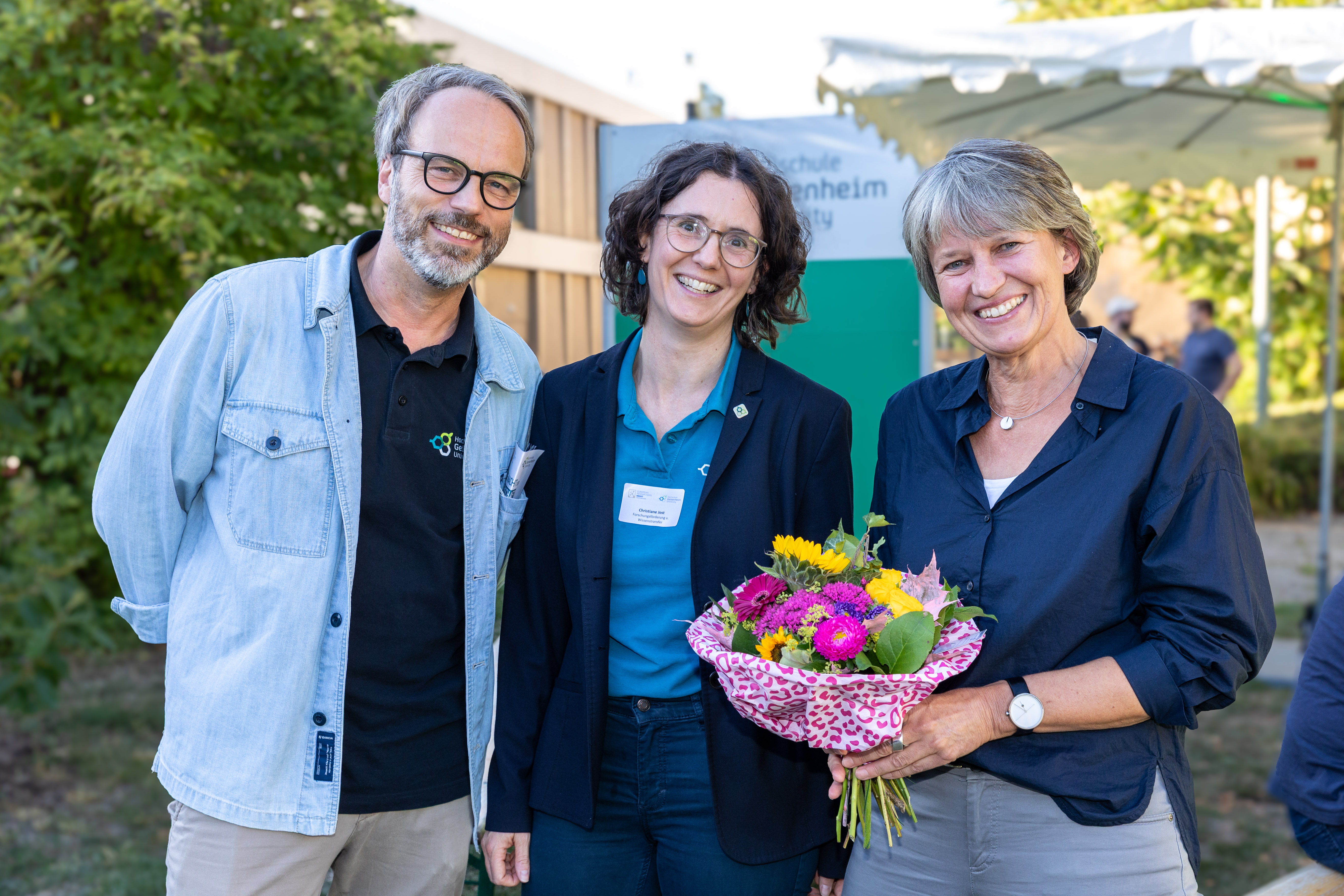
Official welcome. From left to right: Mayor Christian Aßmann, University President Prof. Dr. habil. Karl H. Mühling, Prof. Dr. Katrin Kahlen (designated Vice-President of Research) and Prof. Dr. Annette Reineke (current Vice-President of Research); Photo: Oliver Plick
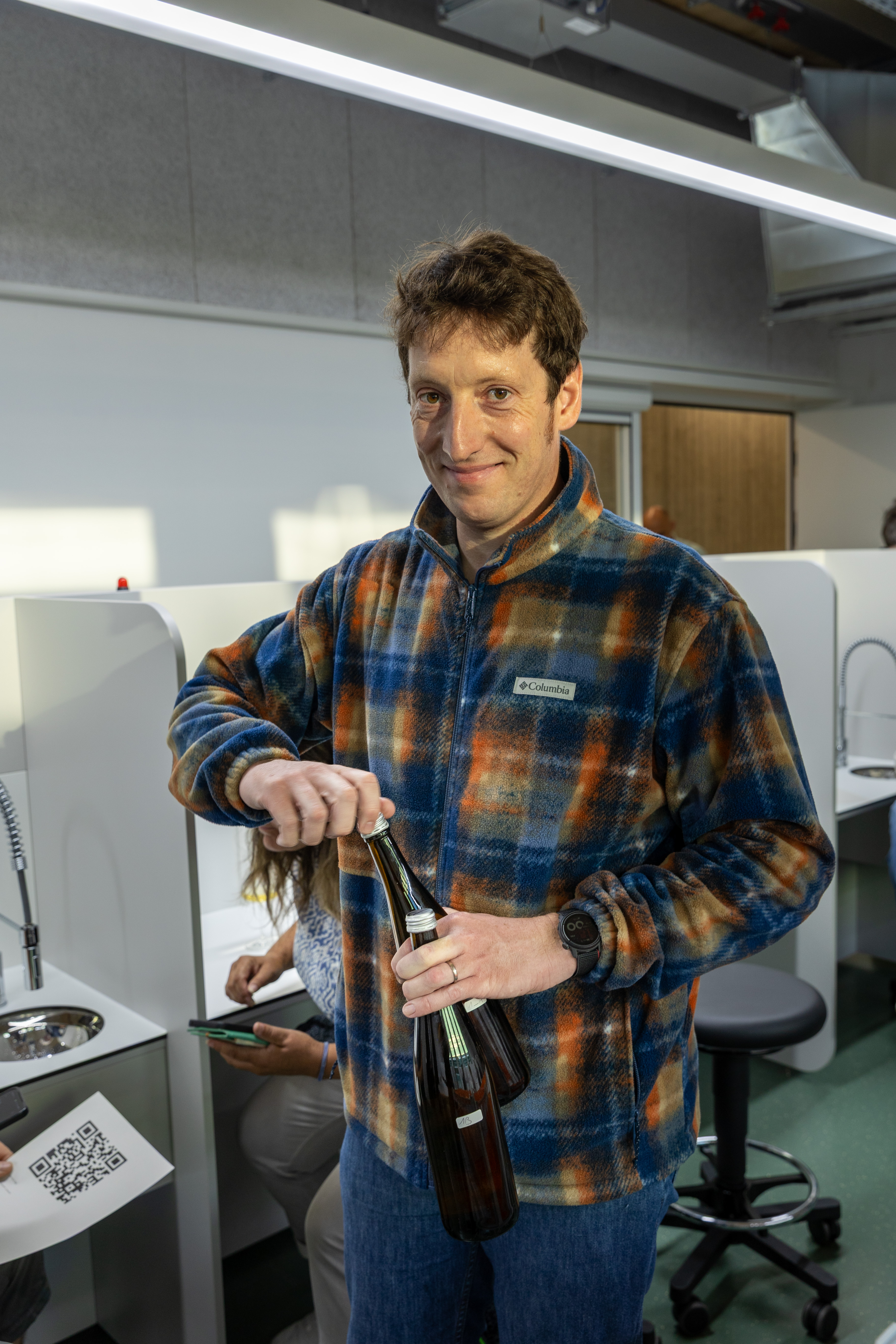
Photo: Oliver Plick
Photo: Oliver Plick
Photo: Oliver Plick
Photo: Tina Kissinger
Photo: Oliver Plick
Photo: Oliver Plick
Photo: Oliver Plick
Photo: Oliver Plick
Photo: Oliver Plick
Photo: Oliver Plick
Photo: Oliver Plick
Photo: Oliver Plick
Photo: Oliver Plick
Photo: Oliver Plick
Photo: Oliver Plick
Photo: Oliver Plick
Photo: Oliver Plick
Photo: Oliver Plick
Photo: Oliver Plick
Photo: Oliver Plick
Photo: Oliver Plick
Photo: Oliver Plick
Photo: Oliver Plick
Photo: Oliver Plick
Photo: Oliver Plick
Photo: Oliver Plick
Photo: Oliver Plick
Photo: Oliver Plick
Photo: Oliver Plick
Photo: Oliver Plick
Photo: Oliver Plick
Photo: Oliver Plick
Photo: Oliver Plick
Photo: Oliver Plick
Photo: Oliver Plick
Photo: Oliver Plick
Photo: Oliver Plick
Photo: Oliver Plick
Photo: Tina Kissinger
Photo: Oliver Plick
Archive

Exciting Research “Made in Geisenheim” Attracts More Than 1,500 Visitors

Night at the greenhouse… The Christmas tree tomato attracted a lot of visitors. Photo: Tina Kissinger

For the first time, Hochschule Geisenheim University joined the European Researchers’ Night, turning into a place of fascinating insights into the world of science. 

What will next-generation agriculture look like? What’s in our food and beverages? How are digital technologies used in viticulture and horticulture? And why are there robotic assistance dogs on a construction site? These questions – and many more – were addressed on Friday, September 25, 2026 during Hochschule Geisenheim University’s first Researchers’ Night. More than 1,500 visitors took the opportunity to experience science close up, join hands-on activities and chat with researchers.

Hands-on research for the whole family

Held under the theme, ‘Exciting Research Made in Geisenheim’ the campus transformed into a lively science hub. Organized in five areas between central campus, research facilities and greenhouses, visitors had the chance to explore about 50 stations featuring interactive activities, tours, talks and presentations. From digital grapevines to robotic assistance dogs on construction sites, campus tours, and DIY juice-making kits – the university showcased its wide-ranging research activities, offering visitors exciting insights into the world of science. 

The younger generation was particularly enthusiastic. During a Kinderuni rally, children were able to explore the campus in a fun way and collect stamps at various stations. One highlight was the chance to create their own beverage: at different workstations, the next-generation researchers could mix their own creation, experiment with sweetening, acidification, coloring, flavoring and carbonization and taste their drink afterwards. The presentation “Is a nectarine just a peach without the fuzz?”, given by Prof. Dr. Michael Hagemann and his daughter Emma, also sparked a lot of interest among the younger generation. 

Prof. Dr. Annette Reineke, Vice-President of Research, emphasized the importance of a close exchange between researchers and society. “In collaboration with our industry partners, our researchers are working on solutions to address challenges related to viticulture and beverages, horticulture and landscape architecture. During the Researchers’ Night, we want to showcase our work and discuss it with visitors of all ages.”

As part of the official welcome, University President Prof. Dr. habil. Karl H. Mühling took the opportunity to bid farewell to Prof. Reineke who is concluding her term of office as Vice-President of Research, and to thank her for her long-standing commitment.  Prof. Reineke has headed the university’s research operations with great dedication since 2017. On October 1, 2026, Prof. Dr. Katrin Kahlen will take over her position. 

Prof. Mühling was impressed by the high number of visitors and the positive feedback: “The Researchers‘ Night shows the wide range of topics addressed by our researchers. I’m delighted to see so many people visiting our campus to explore our work firsthand.” 

Knowledge transfer and European networking 

Knowledge transfer was the focus of the evening. Visitors gained insights into research that directly impacts their daily lives – from food and beverages to viticulture and horticulture, digitalization, sustainability, and landscape architecture. At the same time, the event offered numerous opportunities to speak directly with the researchers.

International collaborations also played a key role. In the European Corner, the university showcased projects and partnerships that connect Geisenheim with other universities and regions across Europe, showing visitors how international research collaborations help address common challenges in areas such as food, agriculture, climate adaptation, and sustainable development.

When darkness fell, the campus took on a magical atmosphere as numerous university buildings and greenhouses were illuminated, casting a glow over the surrounding vineyards and research plots. Live music performed on the campus lawn, snacks and beverages as well as wines from the university winery nicely rounded off the evening. Many Geisenheim alumni also took the opportunity to visit their alma mater and reconnect with familiar faces. 

Public highlight of the Agri Food Week

The Researchers‘ Night marked the public highlight of an entire week dedicated to sustainable food systems – the Agri Food Week from September 22 – 25, 2026. This new theme week was created as part of Hochschule Geisenheim University’s involvement in the EU GIFT Alliance. With its wide-ranging program, the Agri Food Week brought together prospective students, the university community, researchers, industry professionals, and anyone interested in the future of food, agriculture, and landscape development. 

The theme week kicked off with a Kinderuni session on fruit juice production and a new introductory program for adults on beer brewing. Other highlights included a new lecture format for school students and two expert conferences. 

The Researchers’ Night wrapped up the Agri-Food Week, inviting the general public to explore the future of food, landscape and landscape development close up.

About the European Researchers‘ Night 

The European Researchers’ Night brings science and the general public together for a night of hands-on discovery. Hochschule Geisenheim University participated for the first time this year. 

The European Researchers’ Night is supported by the EU project “ReNourish” (Research and Education to Nourish Society). By joining the initiative, Hochschule Geisenheim University is strengthening its international networking and its efforts to bring research closer to the people. 

Mayor Christian Aßmann emphasizes the close ties between the town and the university: “The university brings young people and new ideas to our town and carries its name far beyond the Rheingau region. The Researchers’ Night shows how vibrant this connection is when residents visit the campus to ask questions and explore research close up.”

The high number of visitors and the positive feedback made the Researchers’ Night a remarkable evening for science and society.

Hochschule Geisenheim University would like to thank all visitors, researchers, staff members, partners and supporters who helped 

About EU GIFT:

Hochschule Geisenheim University is part of the EU GIFT Alliance, a consortium of seven higher education institutions from Spain, Italy, France, Portugal, Hungary, Romania, and Germany, and more than 30 partner organizations. EU-GIFT stands for "European University for Geographical Identity as a driver for Food Systems Transition to Sustainability. The alliance fosters European cooperation in teaching, research, and innovation, with a particular focus on sustainable food and beverage systems and regional value chains. Key areas include viticulture, agriculture, food production, and sustainability. By participating in the alliance, the university is strengthening its international profile and establishing itself as a European university.
More details: EU-GIFT
Categories: MyHGU-App, Mein-Netzwerk, Veranstaltungen, Dashboard, HOCHSCHULE, EU-GIFT, Presse und Kommunikation, Alumni, FORSCHUNG, Wissenschaftlicher Nachwuchs, Wein- und Getränkewirtschaft, Urbanen Gartenbau, Technik, Rebenzüchtung, Phytomedizin, Oenologie, Obstbau, Molekulare Pflanzenwissenschaften, Modellierung und Systemanalyse, Mikrobiologie und Biochemie, Lebensmittelsicherheit, Landschaftsplanung und Naturschutz, Landschaftsbau und Vegetationstechnik, Getränkeforschung, Gemüsebau, Frischproduktlogistik, Freiraumplanung, Bodenkunde und Pflanzenernährung, Angewandte Ökologie, Allgemeiner und ökologischer Weinbau, Nachrichten

Images

Official welcome. From left to right: Mayor Christian Aßmann, University President Prof. Dr. habil. Karl H. Mühling, Prof. Dr. Katrin Kahlen (designated Vice-President of Research) and Prof. Dr. Annette Reineke (current Vice-President of Research); Photo: Oliver Plick
Photo: Oliver Plick
Photo: Oliver Plick
Photo: Oliver Plick
Photo: Tina Kissinger
Photo: Oliver Plick
Photo: Oliver Plick
Photo: Oliver Plick
Photo: Oliver Plick
Photo: Oliver Plick
Photo: Oliver Plick
Photo: Oliver Plick
Photo: Oliver Plick
Photo: Oliver Plick
Photo: Oliver Plick
Photo: Oliver Plick
Photo: Oliver Plick
Photo: Oliver Plick
Photo: Oliver Plick
Photo: Oliver Plick
Photo: Oliver Plick
Photo: Oliver Plick
Photo: Oliver Plick
Photo: Oliver Plick
Photo: Oliver Plick
Photo: Oliver Plick
Photo: Oliver Plick
Photo: Oliver Plick
Photo: Oliver Plick
Photo: Oliver Plick
Photo: Oliver Plick
Photo: Oliver Plick
Photo: Oliver Plick
Photo: Oliver Plick
Photo: Oliver Plick
Photo: Oliver Plick
Photo: Oliver Plick
Photo: Oliver Plick
Photo: Oliver Plick
Photo: Tina Kissinger
Photo: Oliver Plick
Do you already know PLANT.ed?

PLANT.ed is a learning platform of the Professorship for planting design and represents a first point of contact for students who want to deal with planting design and planning. When looking for suitable information on these topics, one can quickly "get lost" in the "shoals" of an as yet undefined quantity and variety. On the one hand, PLANT.ed is intended to help with orientation in the subject area and, on the other hand, to support the teaching content of the various lectures and seminars. PLANT.ed is located on the ILIAS learning platform of Hochschule Geisenheim University and can be viewed by students and employees of HGU at any time.