Green Traveling
Train, choach, car pool or bike – there are many sustainable travel options! And every single one of these choices helps save resources and cut CO₂ emissions. But sustainable travel does not mean making compromises. In fact, choosing public transport or traveling by bike enhances your journey because you will discover new places, and travel more relaxed. That way, the journey itself becomes part of the experience.
The mobility of the future starts with the decisions we make today! Every eco-friendly kilometer counts!
How Much CO₂ Is Produced During Travel?
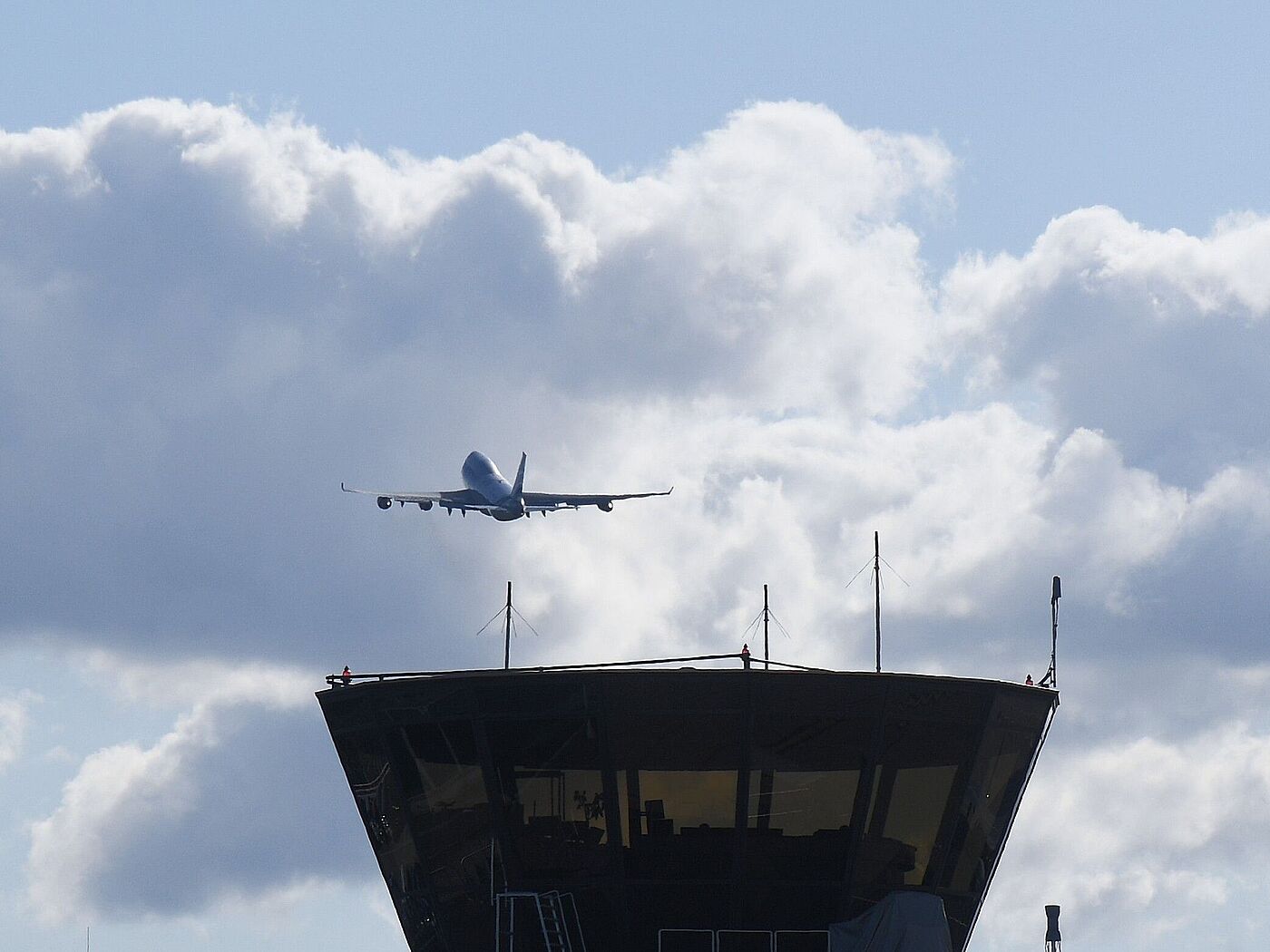
We all know that the carbon footprint varies drastically between the different modes of transport. Depending on your chosen option, the amount of CO₂ can be significantly higher or lower. Given the planet’s boundaries and the limited annual CO₂ budget available to each person to help limit global warming, the choice of transportation plays a crucial role. When you go abroad, the trip to and from your destination is a great opportunity to lower your carbon footprint.
CO₂ calculators are useful tools to visualize the differences between various modes of transport. Helpful examples include the EcoPassenger tool, which compares the emissions of different modes of transportation on the same route, and the Quarks CO₂ calculator (only available in German), which can be used to calculate the CO₂ emissions of various travel options. The results show how much your choice of transportation affects your personal carbon footprint.
Comparison of Emissions, Travel Time and Costs by Mode of Transport for a Trip from Geisenheim to Vienna*
| Mode of Transport | Aircraft | Car (gas-powered) | Car pool (three persons sharing a car) | Long-distance coach | Train | Bike |
| CO2 emissions in kg | 143.8** | 125.5 | 41.8 | 28.6 | 24.3 | negligible |
| Travel time in h | 4:01 | 7:18 | 7:18 | 15:30 | 9:58 | 45:00 |
| Costs | 90-110€ | 110-160€ | 50€ | 40-50€ | 60-70€ | flexible |
| Amount of funding through Erasmus+ | 309€ | 309€ | 417€ | 417€ | 417€ | 417€ |
*Emissions and travel time were calculated using the EcoPassenger website. Travel costs were calculated using the DB Navigator, a fuel cost calculator, and the flight comparison site Momondo
**This number only partially covers the climate impact of air travel as it doesn’t take into account the additional climate impacts of other greenhouse gas emissions, particularly at high altitudes (nitrogen oxides, ozone, water vapor, soot, sulfur).
Erasmus+ Promotes Green Travel!
Under the Erasmus+ program, students receive a distance-based travel allowance. Choosing a sustainable travel option increases the allowance. If you want to know how much financial support you will receive under the Erasmus+ program, please go to the websie of the International Office (Erasmus + study periods > Additional Travel Allowance).
Traveling to and from your host country
Traveling to and from your destination usually accounts for the most CO₂ emissions when going abroad. At the same time, these trips offer significant potential to lower your carbon footprint. Particularly for destinations in Europe, there are many attractive alternatives to traveling by plane. These options are more climate-friendly and can turn your journey into great travel experiences!
When traveling within Europe, there are numerous transportation options for long distances, including night trains, day trains, coaches, carpooling, or even bicycle tours. The following overview provides more information on each travel option.
Trainline, RailEuropa and The Man In Seat Sixty-One are useful websites to plan your journey.
Tickets are available through national railway providers e.g. DB Deutsche Bahn, SNCF, CP Comboios de Portugal, Renfe, Trenitalia, CFR Călători, etc.), or you can book an interrail ticket. Erasmus+ students can buy a special interrail pass with an extended validity period of six months, and may use any remaining travel days for personal travel.
To make your booking process as easy and cheap as possible, we recommend the website erasmusbytrain. It provides detailed information on how to book your ticket and save money. Group discounts might also be a good option to reduce travel costs.
The Go2Rail initiative aims to connect exchange students who travel the same distance. In addition to meeting new people, it helps to save money.
Night trains are a good choice if you want to travel several hundred kilometers overnight. There a two very useful interactive maps that show which European cities are connected by night trains: Nachtzugkarte and Back-on-Track.
The Back-on-Track website also provides useful tricks and tips for the booking process.
Besides trains, coaches are a good option for green travel. Long-distance coaches often operate between cities that aren't connected by a direct train route. Depending on your destination, you might want to check with different providers.
Major long-distance providers include Flixbus, BlaBlaCar Bus, alsa, Itabus and ECOLINES.
Carpooling is also a great option to reduce greenhouse gas emissions. There are different online platforms to find a ride or share your seats, such as BlaBlaCar, europecarpooling or MiFaZ.
If the train is also an option for you but you don’t want to travel on your own, you can sign up with Go2Rail and connect with other people traveling to the same destination.
If you are very adventurous and love cycling, traveling by bike is also an option. You can get a sense of what the trip might be like by reading the following firsthand accounts (in German):
- Mit dem Fahrrad aus Siena zurück ins Allgäu
- Mathias fährt mit dem Fahrrad von Aachen nach Spanien
- Quer durch Europa: Vier Wochen auf dem Fahrrad bis nach Portugal
Of course, a bike is also a good choice for getting around in your host city.
Alternatively, you can buy a used bike locally at a low price and sell it again at the end of your stay abroad.
Deutschland Ticket included!
Upon paying the semester fee, all students enrolled at Hochschule Geisenheim University receive a Deutschland ticket that allows unlimited travel on local and regional public transport across Germany.
This makes it easy to reach many cities, regions, and tourist destinations throughout Germany in an eco-friendly way. For longer trips, the Deutschland ticket can also be combined with an ICE or IC ticket, which enables you to reach long-distance destinations.
Carbon Offsetting
If CO2 emissions cannot be avoided, they can be offset. The amount of CO₂ emissions calculated depends on the type of aircraft, flight altitude, and numerous other factors, which explains why the calculated amount can vary depending on the provider. The providers also offer different types of projects. Some use offsets to fund energy and climate protection projects, others offer reforestation projects – which is often less expensive – though this does not ensure long-term CO₂ sequestration if the trees do not take root.
For reliable carbon offset projects, we recommend: Atmosfair, Klima Kollekte and PRIMAKLIMA.