Research projects
On this page you will get an insight into the research and projects that the researchers of the Institute of Landscape Planning and Conservation are currently working on.
→ Municipal climate adaptation in the Upper Middle Rhine Valley World Heritage Site
In situ conservation of wild plants for food and agriculture using umbrella species (IsWEL)
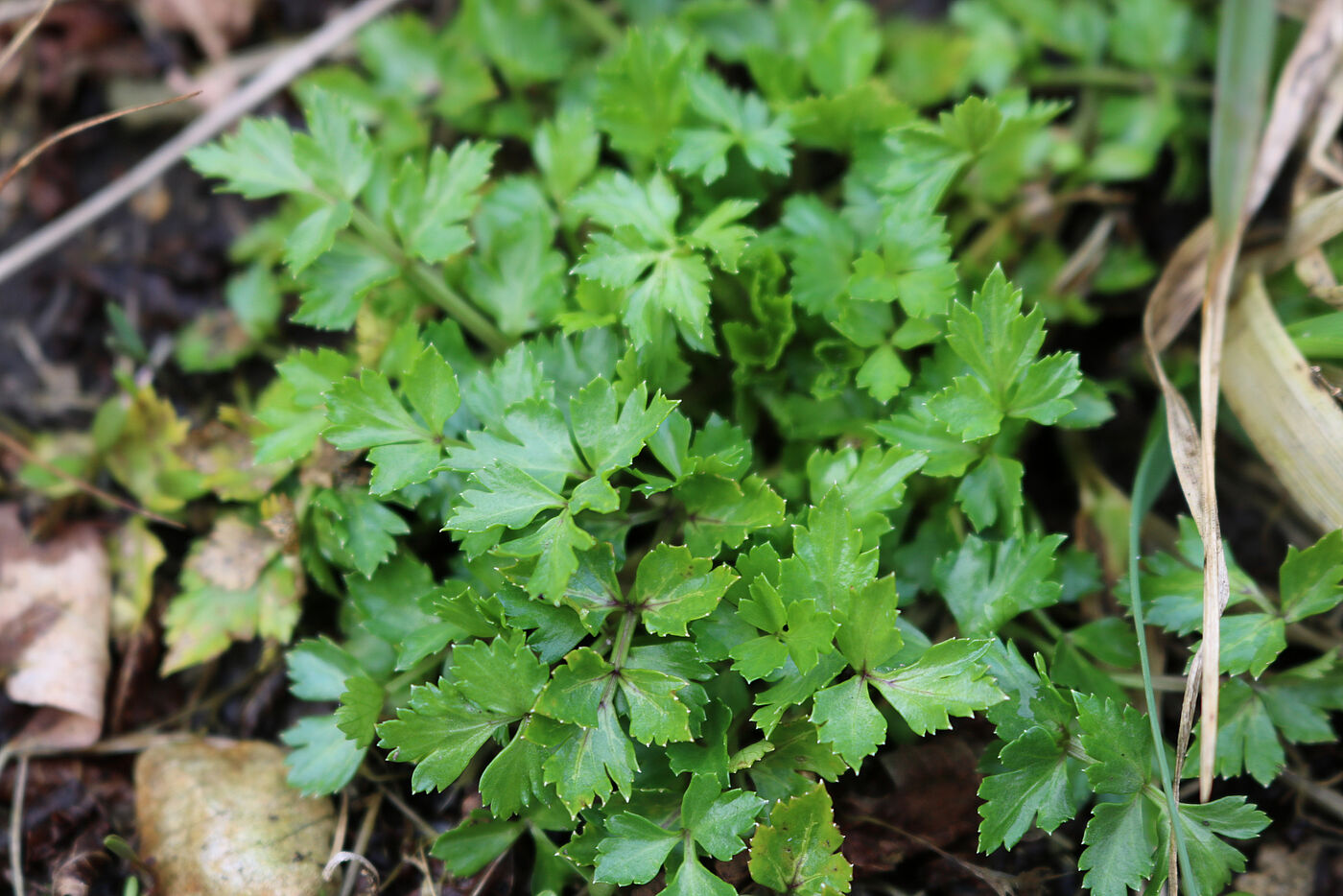
The project focuses on wild plants for food and agriculture (WEL), i.e. wild relatives of cultivated plants and plant species potentially useful for food and agriculture. They are often not target species of conservation measures. For the expansion of the network of Genetic Conservation Areas Germany, we will identify umbrella species for WELs, designate WEL hotspots for the establishment of Genetic Conservation Areas (GenEG) and establish GenEGs in model regions. With the focus on WEL hotspots and the umbrella species approach, where several species benefit from management for a few species, the project aims to conserve as many WELs and their intraspecific diversity as possible using as few resources as possible.
IsWEL
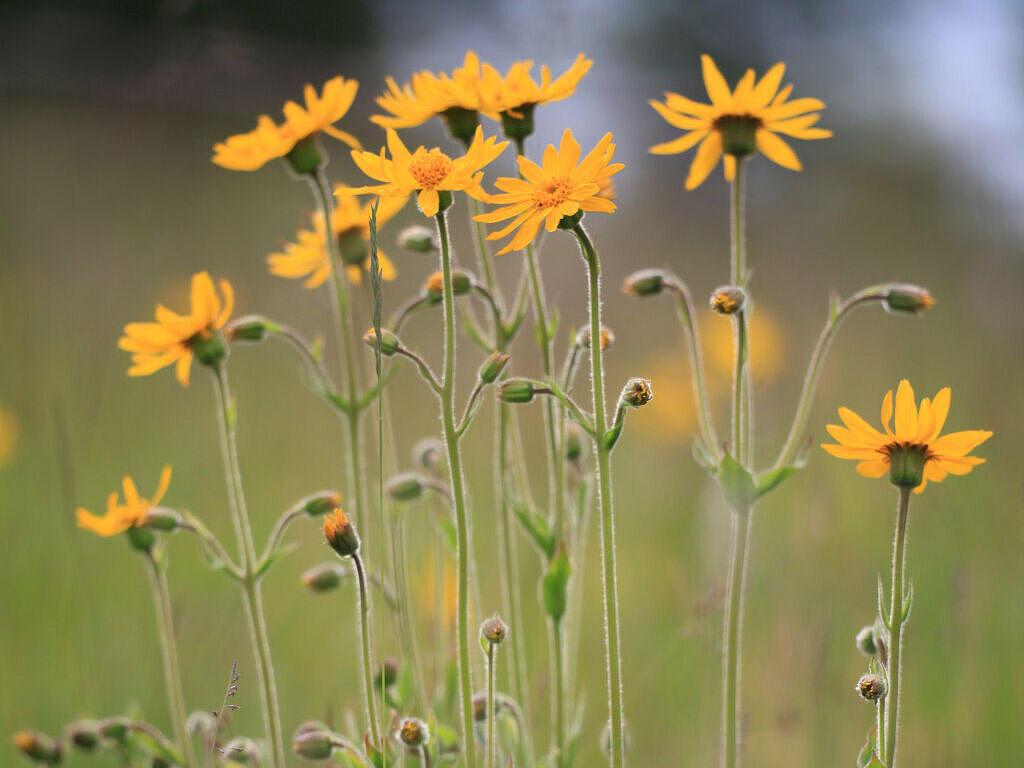
A GenEG is defined as an area designated for active and permanent conservation measures and on which management and monitoring of the genetic diversity of naturally occurring wild plant populations take place. Active conservation should be prioritised for WEL species of economic relevance. A preliminary list of priority species (134 taxa) was adopted by the Advisory and Coordinating Committee on Genetic Resources of Agricultural and Horticultural Crops (BEKO) in 2019. The GenEG conservation technique was tested in several projects (wild celery, wild apple, wild grapevine, grassland), which always assumed a narrow range of species or similar biotope types. In contrast to these projects, the focus is now on WEL hotspots in different biotope types. Thus, the project has a broader and fundamentally new approach. As long-term funding for GenEG is not yet secured, recommendations for structural funding are being developed.
Target species: Wild plants for food and agriculture (WEL), especially those to be prioritised for conservation according to the BEKO as a significant resource for plant breeding.
Project objectives: Efficient conservation and facilitated access to plant genetic resources through
Systematic identification of WEL species hotspots in different biotope types
Testing and implementation of the umbrella species approach in the WEL species hotspots
Characterisation of selected WEL species hotspots and evaluation of their management
Establishment of genetic conservation areas at the selected WEL species hotspots
Storage of WEL seed samples in the WEL gene bank (more information on the gene bank at www.genbank-wel.uni-osnabrueck.de)
Recommendations on structural funding for in situ conservation of WEL.
Procedure:
First, we will collect locality data on WEL species in Germany, compile an inventory list and identify WEL species hotspots. For WEL species in the hotspots, we will calculate the umbrella species index according to Fleishman et al. (2000, 2001) using species frequency, sensitivity to disturbance and number of sympatric occurrences with other species. Using further criteria based on Jedicke (2016), we will finally determine the WEL umbrella species. We will then identify around 100 hotspot plots with umbrella species as candidates for GenEG. For at least 30 of these plots, on-site assessments will take place in the summer of 2021 to survey WELs and evaluate the conservation status and management of WEL umbrella species. We will collect leaf samples from several occurrences of two WEL umbrella species for the investigation of genetic differentiation patterns. Based on the evaluation and the results of the genetic analysis, plots will be nominated for the establishment of GenEG in 2023. We will evaluate relevant funding opportunities and develop proposals for measures and funding for the in situ conservation of WEL. For areas for which the establishment of GenEG is proposed, site-specific planning for the conservation of WEL occurrences and the collection of seed samples for storage in the WEL genebank will take place, as well as coordination with local stakeholders in order to establish at least 15 GenEG.
Project partners:
Julius Kühn-Institut (JKI) - Federal Research Centre for Cultivated Plants, Institute for Breeding Research on Agricultural Crops (Quedlinburg).
Dr. Nadine Bernhardt and M. Sc. Maria Bönisch
Project coordination, identification of WEL species hotspots and WEL umbrella species, genetic studies, planning and establishment of genetic conservation areas
Anhalt University of Applied Sciences (HSA), Department of Agriculture, Ecotrophology and Landscape Development (Bernburg)
Prof. Dr. Sabine Tischew, M. Sc. Thomas Engst and M. Sc. Vera Senße
Identification of WEL species hotspots and WEL umbrella species, development of an area map, characterisation of WEL occurrences and evaluation of existing land management in selected areas
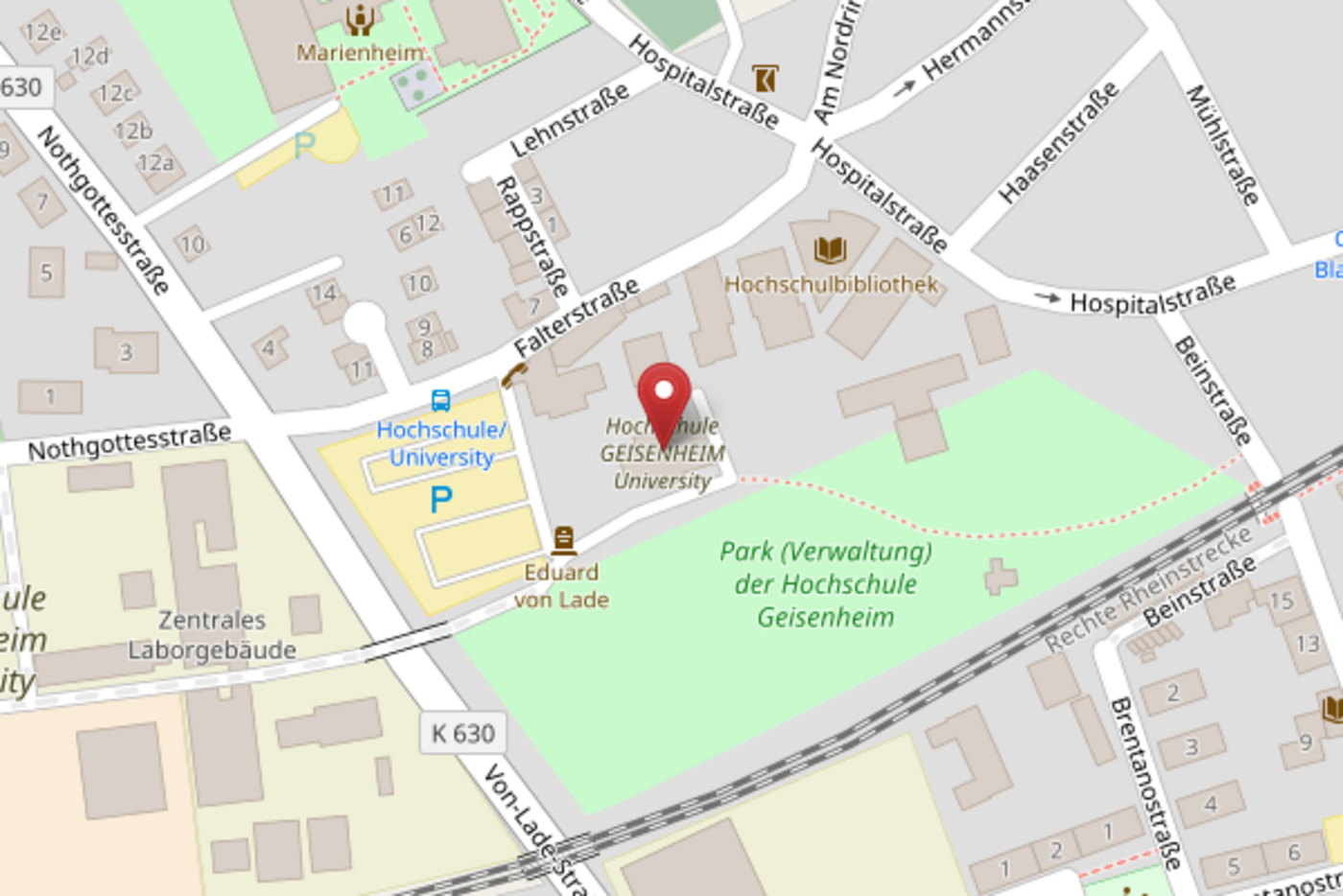
Geisenheim University (HGU), Institute for Landscape Planning and Nature Conservation & Competence Centre Cultural Landscape (KULT)
Prof. Dr. Eckhard Jedicke and Dr. Martin Reiss
Evaluation of relevant funding opportunities, proposals for measures and financing.
Contact:
Julius Kühn-Institut (JKI) - Federal Research Centre for Cultivated Plants
Institute for Breeding Research on Agricultural Crops
Nadine Bernhardt
Erwin-Baur-Str. 27, 06484 Quedlinburg, Germany
E-mail: nadine.bernhardt(at)julius-kuehn.de
Tel.: 03946/47-701
Project executing agency:
Federal Agency for Agriculture and Food (BLE), funding code 2819BM040
Project duration: 1 July 2020 - 31 December 2023
Förderkennzeichen: 2819BM040–042