
Research at Hochschule Geisenheim University

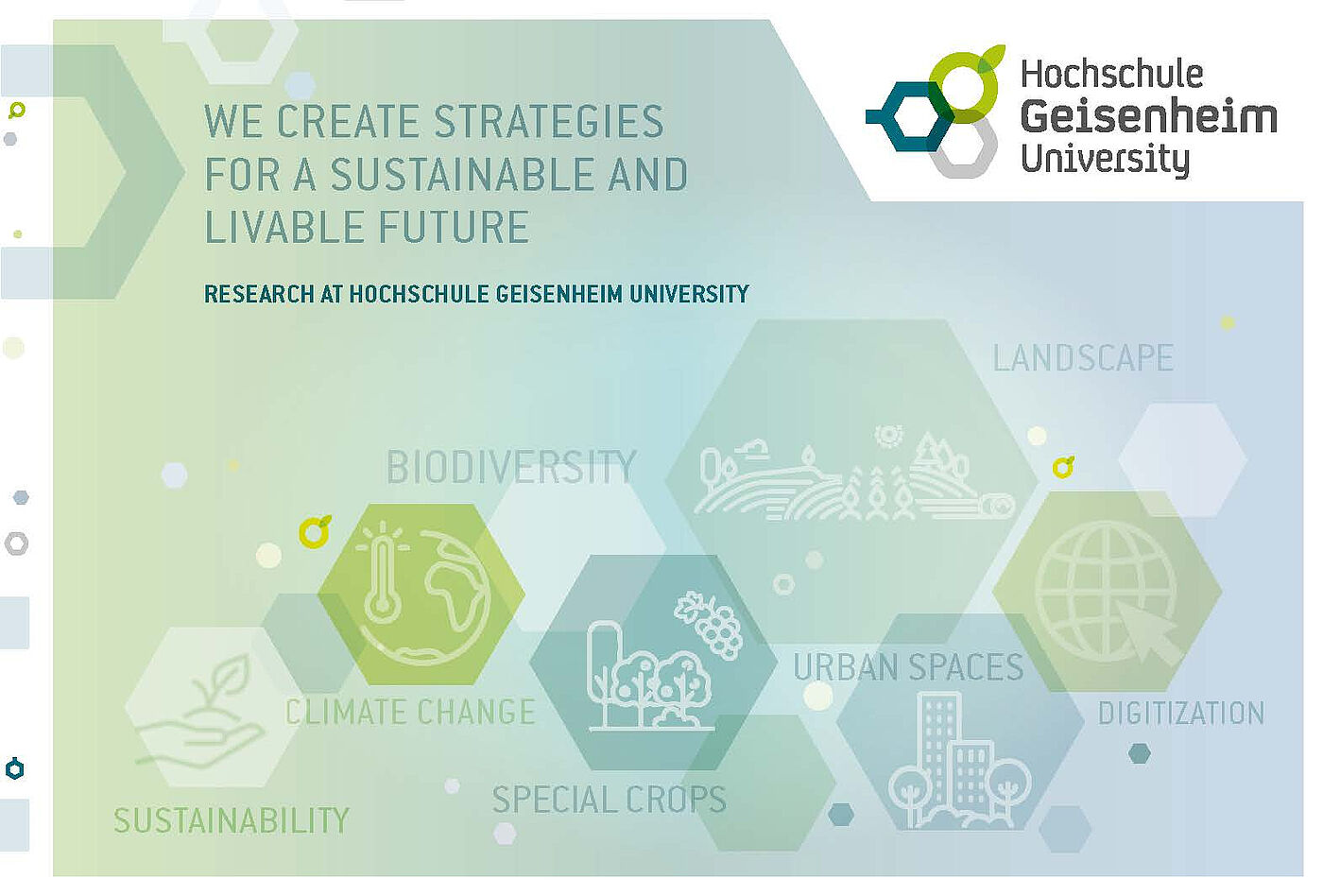
Creating Strategies for a Sustainable and Livable Future

Climate Change, Biodiversity Loss, Sustainability Targets – We're Meeting the Planet's Most Urgent Challenges

Our mission is to develop resource-efficient, innovative, and sustainable solutions in the area of agriculture and food. Our work spans a broad range of key issues: advancing organic, climate-resilient cultivation strategies for specialty crops, developing sustainable production and marketing methods, and designing livable cultural landscapes and urban regions. By uniting ecology, profitability, and a focus on quality of life, we aim to create a sustainable future in which society and nature can flourish together.

Our Focus Areas

Sustainable Cultivation Systems for Specialty Crops

Cultivating grapevines, fruit, vegetables, and ornamentals is particularly resource intensive – as such, a careful balance between producing the highest quality products possible and ensuring sustainable practices needs to be struck.

Through our research, we are developing innovative, ecofriendly strategies that ensure healthy harvests and preserve resources. We breed varieties and growth forms that are optimally adapted to climate change, environmental factors, and potential pests and pathogens. Modern sensor systems help control water and nutrient supply with pinpoint accuracy, alternative plant protection strategies – such as the use of antagonists – strengthen plants and their environments, and new digital techniques make precise management measures possible. Together with our partners, we are establishing diverse cultivation strategies that promote biodiversity and preserve ecosystem functions, creating an economically and ecologically sustainable future for viticulture and horticulture.

Innovative and Safe Processing and Marketing for Plant Products

Sustainability in food production spans the entire journey, from cultivation and processing to the moment the product reaches the customer. At every stage, product quality and safety needs to be guaranteed. The bioeconomy plays a key role in this context, enabling the more efficient use of resources, processes, and systems, while supporting the livelihood of the businesses that produce them. 

Through our research, we develop energy and resource-efficient methodologies for processing plant products and extracting valuable ingredients from crops and by-products. We examine microorganisms as natural protective cultures, evaluate the health effects of plant-based ingredients, and conduct sensory tests with our university panel. Market research, consumer behavior analyses, and industry data deliver essential insights for sustainable marketing strategies, particularly in the wine industry. We also analyze the logistical processes, from packing to distribution, and boost the efficiency and sustainability of the entire value chain with the help of modern, digital technologies.

Livable Cultural Landscapes and Urban Regions

Intensified land use has reduced valuable landscape features and biodiversity in many areas. Urban regions are also under pressure to maintain quality of life through green infrastructure such as parks and green belts.

Through our research, we develop methods to optimize and assess urban open spaces and enhance their social sustainability. We create techniques for greening sites with limited soil and for using plants in urban areas in a targeted manner, particularly in the context of climate change. For viticultural landscapes, we design strategies to adapt to climate change and preserve rare species. Additionally, we develop concepts for multifunctional, ecologically valuable, and attractive landscapes that enable new, sustainable production scenarios.

Questions about Our Research?

Please get in touch!

Christiane Jost
Dr. Christiane Jost
Building 5924
Room 01.01
Phone +49 6722 502 6334
Christiane.Jost(at)hs-gm.de Details

News & Latest Projects

New Study on Wine Tourism in the Rheingau Released

From left to right: Dr. Maximilian Tafel, Professor Gergely Szolnoki, Professor Hans Reiner Schultz, and Sabine Nebel; Photo: David Schäfer

A key economic pillar and a potential driver for the future of the cultural landscape: the vital role of wine tourism for the Rheingau's economy, quality of life, and preservation of the region’s unique cultural landscape has been demonstrated in a new study, titled ‘Wine Tourism in the Rheingau – The Profile of Visitors and Their Economic Role for the Region’, which was presented on December 17, 2025, at Hochschule Geisenheim University.


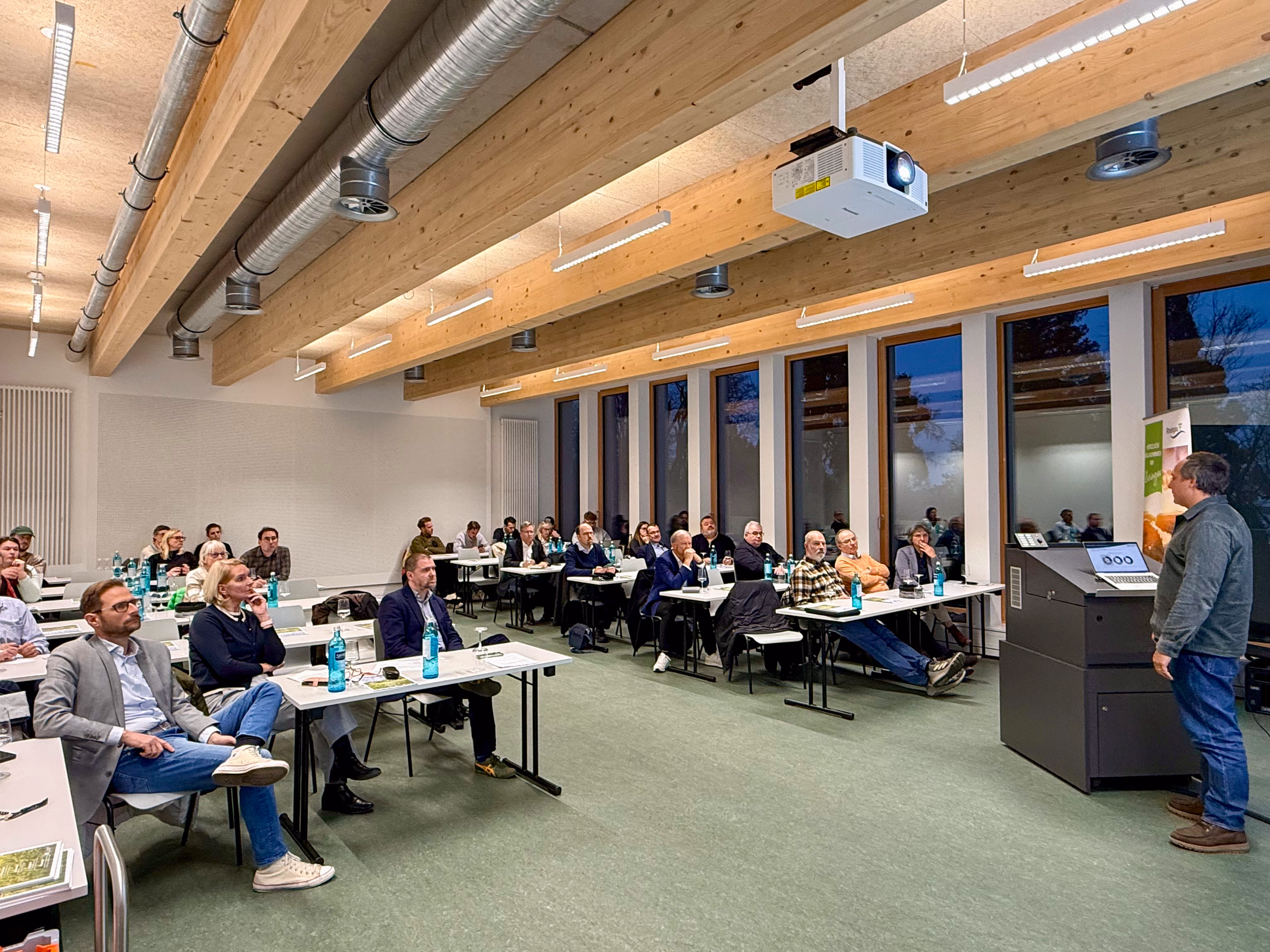
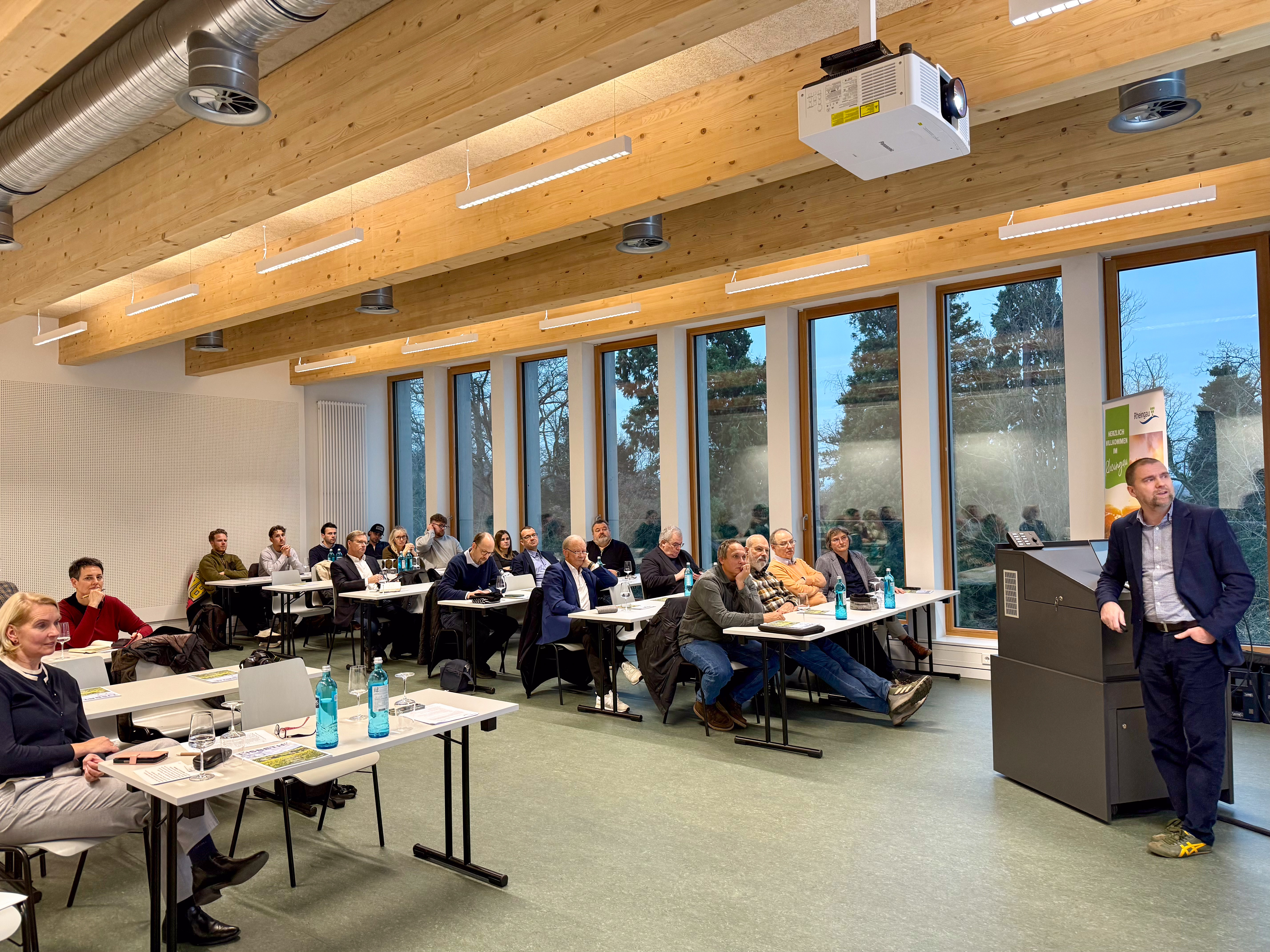
Around 40 representatives from tourism, the wine sector, academia, and the media attended the presentation. The study was conducted as a cooperation between Hochschule Geisenheim University and Rheingau-Taunus Kultur und Tourismus GmbH and represents the second comprehensive empirical data set on wine tourism in the Rheingau released since 2018. Tourists were surveyed at 13 locations throughout the region.

Wine Tourism as a Stabilizer in Times of Change

Following a welcome address by Professor Hans Reiner Schultz, president of Hochschule Geisenheim University, Sabine Nebel (Rheingau-Taunus Kultur und Tourismus GmbH) outlined the objectives of the study. Against the backdrop of structural changes in viticulture, ranging from climate change to shifting consumer behavior, wine tourism is set to play a central role.

Professor Gergely Szolnoki first placed the findings in an international context by presenting key insights from the Global Wine Tourism Report 2025, before presenting the specific results for the Rheingau together with Doctor Maximilian Tafel.

Who are the Rheingau's Tourists?

Ninety-four percent of the surveyed visitors to the region come from within Germany, primarily from the states of Hesse, Rhineland-Palatinate, and North Rhine–Westphalia. The study distinguishes between three types of visitors: primary wine tourists, secondary wine tourists, and non-wine tourists. While 76% of respondents did not visit a winery during their stay, 24% reported visiting one or more wineries. For half of those who visited wineries, wine was an important or very important travel motivation. Professor Szolnoki therefore classifies them as primary wine tourists.

One striking finding is that 29% of winery visits were spontaneous or coincidental – for example prompted by signage – and had not been planned in advance. Overall, the average number of wineries visited per stay is only 0.6, indicating untapped potential.

Clear Differences in Target Groups and Travel Behavior

The primary wine tourists are predominantly men under 35 or between 50 and 65 years of age, often from North Rhine-Westphalia and with a high level of education. They prefer to purchase wine directly from wineries. Secondary wine tourists are also mostly male, generally between 50 and 65 years old, primarily from Rhineland-Palatinate and Bavaria, and have above-average incomes. Non-wine tourists mainly come from Hesse and generally purchase wine primarily through retail outlets.

Viewed through the lens of the Sinus Milieus – a social model commonly applied in the segmentation of German-speaking markets – the Rheingau attracts not only the conservative upper-middle and post-materialist milieus, but increasingly younger target groups such as the adaptive-pragmatic and expeditive milieus, especially among primary wine tourists. Among secondary tourists, the nostalgic-bourgeois milieu is also represented, which Szolnoki describes as the classic bus or river cruise tourists.

Overnight Stays, Mobility, and Satisfaction

Respondents are evenly split between day visitors and overnight guests. While 86% of primary wine tourists stay overnight in the region, this figure drops to just 38% among non-wine tourists. Hotels are the most common form of accommodation, and most visitors travel by car. Non-wine tourists are more likely to arrive by bicycle (19%), coach (6%), or public transportation (11%), although public transportation ranks last in evaluations of mobility options.

Overall satisfaction with the region’s offerings is very high. Hiking trails, the wine selection, gastronomy, and excursion destinations score an average of around 4.4 out of 5 points. The most important travel motivations cited by guests are nature and landscape, followed by enjoyment of food and drink, relaxation, and – only in fourth place – wine.

High Value Creation Through Wine Tourism 

The economic importance of wine tourism is clearly quantified in the study. Primary wine tourists generate average daily tourism value of €174 as day visitors and €197 as overnight guests. In comparison, day visitors who do not visit wineries generate €52 per day, and corresponding overnight guests €114 per day. Overall, Tafel and Szolnoki estimate total tourism value creation in the Rheingau at around €300 million in gross annual revenue. This corresponds to the income of approximately 3,446 people earning an average primary income in the sector, with around 20% attributable to wine tourism.

Outlook: Quality, Networking, and New Draws 

The discussion that followed made it clear that wine tourism is a key lever for customer loyalty, visibility, and regional value creation. Together with the participants, the authors derived concrete recommendations for action. Wine tourism must be further developed in a targeted way, with existing potential being better utilized and more expansive collaborations over regional boundaries being established, such as joint wine travel packages with other wine regions.

‘Wine tourism is not a side issue, but a decisive factor for the future of the Rheingau. Overall, the region is well positioned in terms of its chosen target groups and core themes. Nevertheless, we need to consider expanding the portfolio of target groups, particularly in the area of high-quality bus and river cruise tourism. The goal is to create wine experiences, build personal connections, and strengthen traditional word-of-mouth and resonance marketing,’ concluded Dominik Russler and Professor Szolnoki. The study provides a solid foundation and valuable impulses for the high-quality, responsible development of the Rheingau as a wine and tourism destination.
Categories: MyHGU-App, Mein-Netzwerk, Veranstaltungen, Presse und Kommunikation, FORSCHUNG, Wein- und Getränkewirtschaft, Professur für Marktforschung, Weintourismus, Nachrichten

Images

Photo: David Schäfer

Research brochure (click to enlarge)

Our University has unique opportunities to conduct scientifically recognized and applied research along the entire value chain of special crops. In doing so, we benefit both from a strong network of national and international partners and our own excellent research infrastructure at Geisenheim. Vice-President of Research Professor Annette Reineke