INBIODYN 2.0
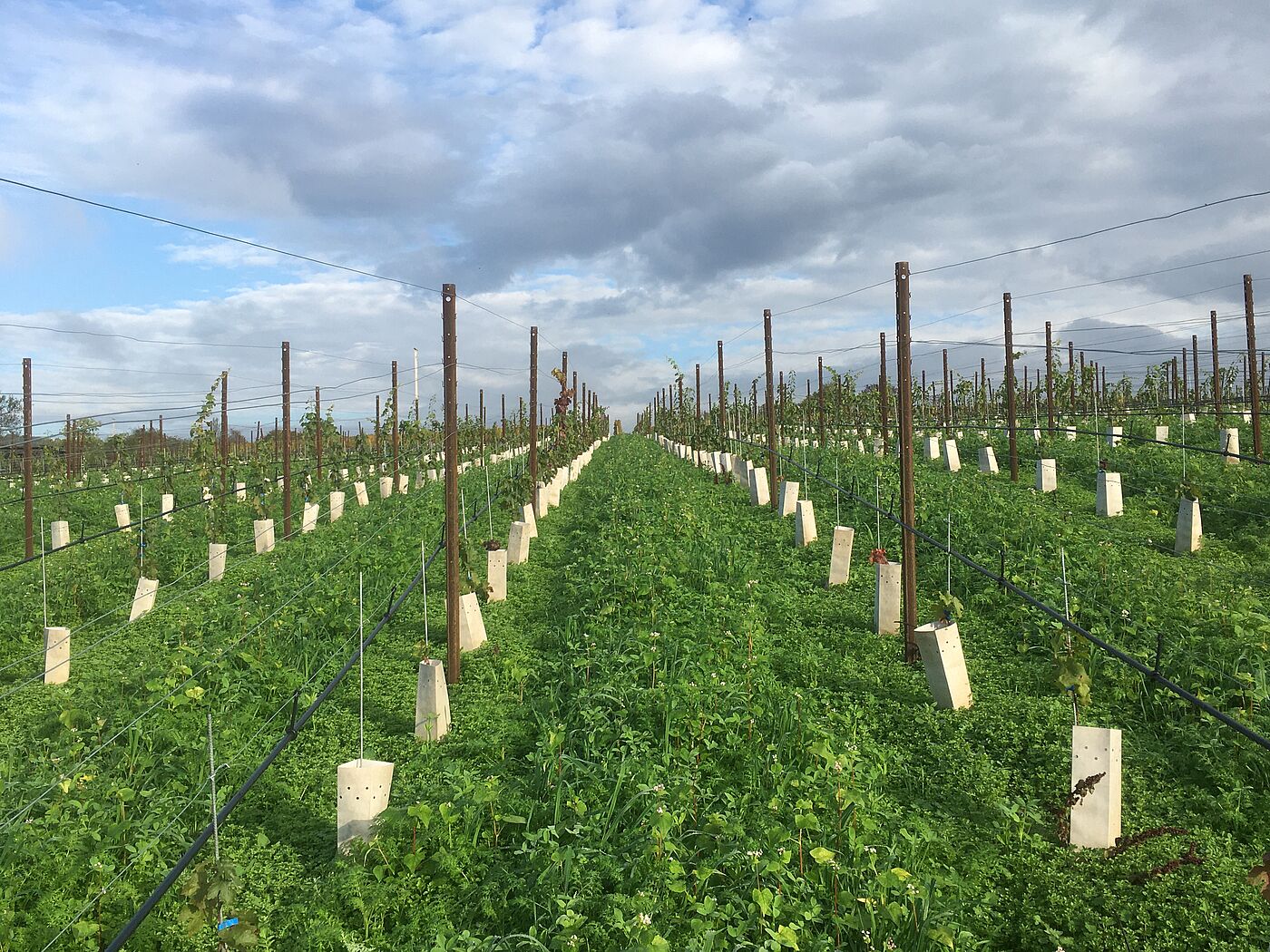
New Facility in Geisenheim – INBIODYN 2.0
In 2022, we set up a new system comparison INBIODYN 2.0 in Geisenheim (Vitis vinifera L. cv. Cabernet franc). The focus of this new trial is on organic and biodynamic planting stock production. In addition, the effects of the different types of management in new fields are to be investigated for the first time. Another advantage of the new system comparison is that specific questions regarding the improvement of integrated, organic, and biodynamic winegrowing practices can be incorporated within the winegrowing management systems.
Contact person: Professor Johanna Döring
EINSTEIN
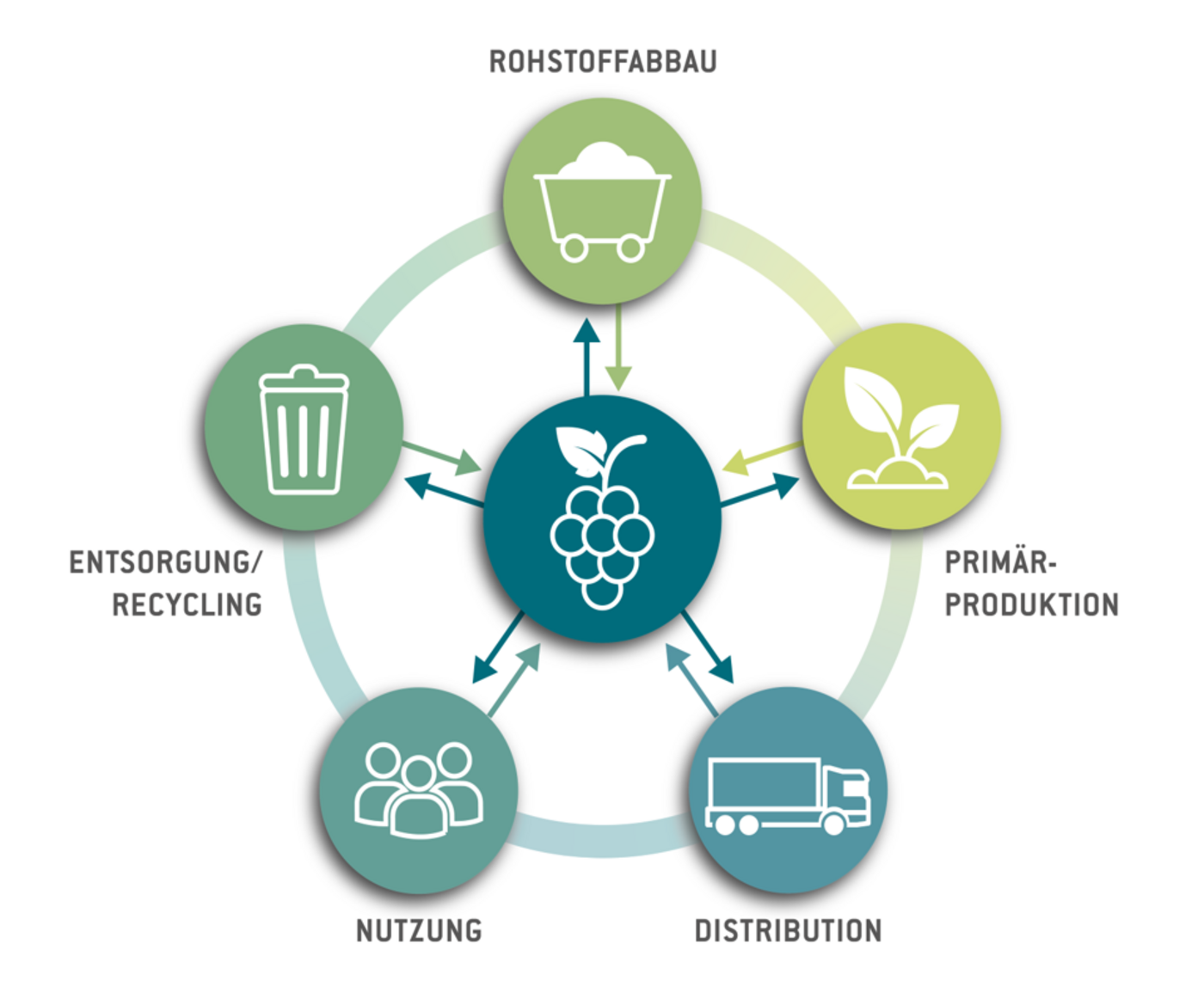
The impact of organic viticulture on ecological sustainability using the example of the Rheingau as a model region (EINSTEIN)
The goal of the described project is to quantify the contribution of organic viticulture to ecological sustainability in the Rheingau as a wine-growing region, in collaboration with Dr Moritz Wagner (Professor of Sustainable Use of Resources and Life Cycle Analyses for Special Crops at HGU). To achieve this, the environmental impact of viticulture in the context of a transition from integrated to organic farming will be analyzed in cooperation with different partners in terms of the climate, biodiversity, water conservation, soil fertility, and resource efficiency. Participating in this project enables organic winegrowers in the Rheingau region to position themselves as pioneers in the field of measuring and improving ecological sustainability.
Contact person: Dennis Rauhöft M.Sc.
LINK
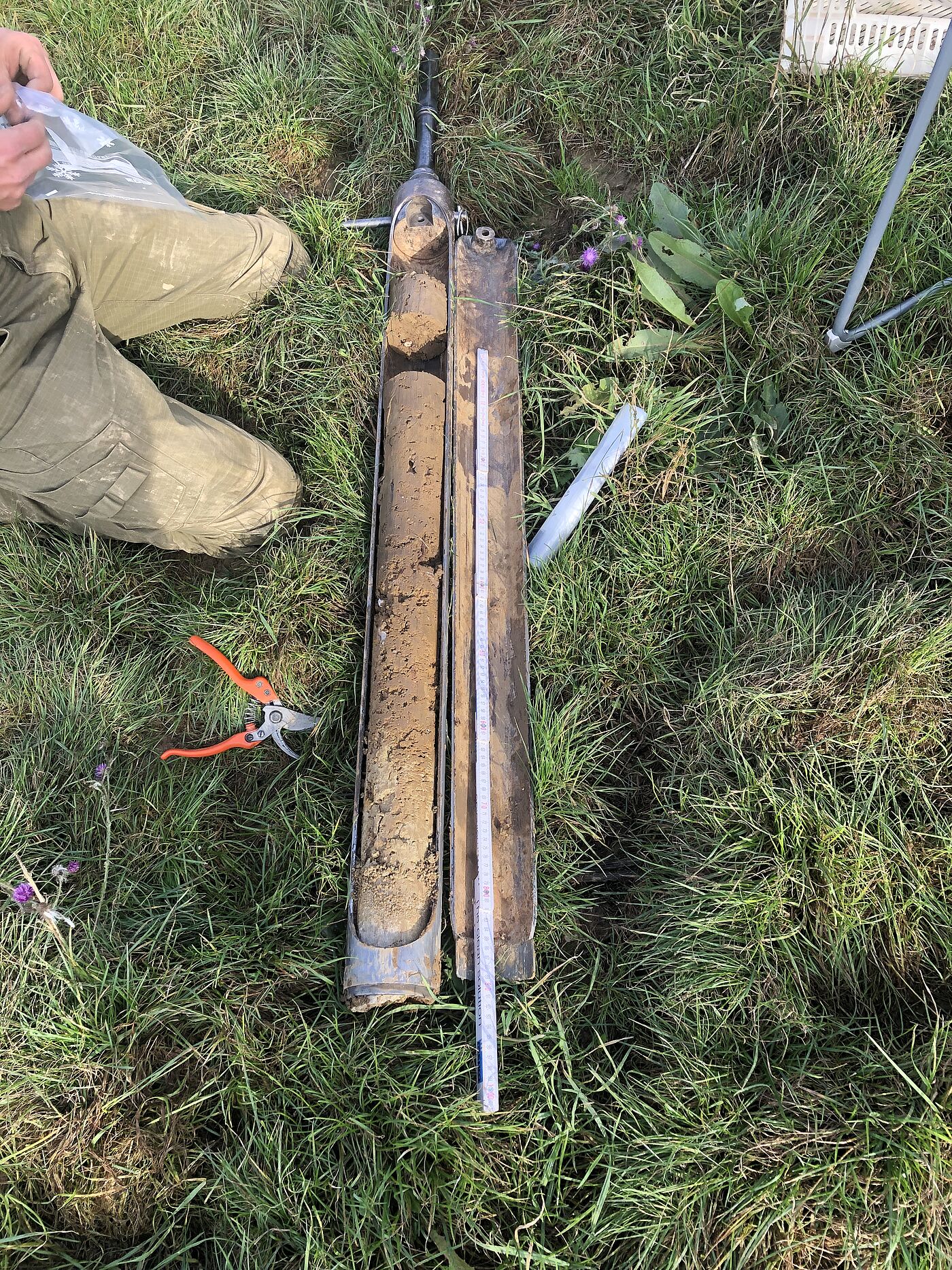
Long-term effects of integrated, organic and biodynamic viticulture with regard to drought stress tolerance (LINK)
The established system comparison INBIODYN records the long-term effects of integrated, organic and biodynamic farming that are relevant in terms of adapting practices to the consequences of climate change. In particular, the research project focuses on the long-term effects of different farming practices in relation to root penetration, soil moisture dynamics, and their impact on plant physiology. Another important building block for recording the long-term effects of different viticultural practices with relevance for adaptation to climate impacts is the function of the microbial community in the soil, which also has a decisive influence on the physiological activity of the vines and their nutrient supply. This project is being run in cooperation with the University of Kassel and Dresden University of Technology.
Contact person: Katharina Steng M.Sc.