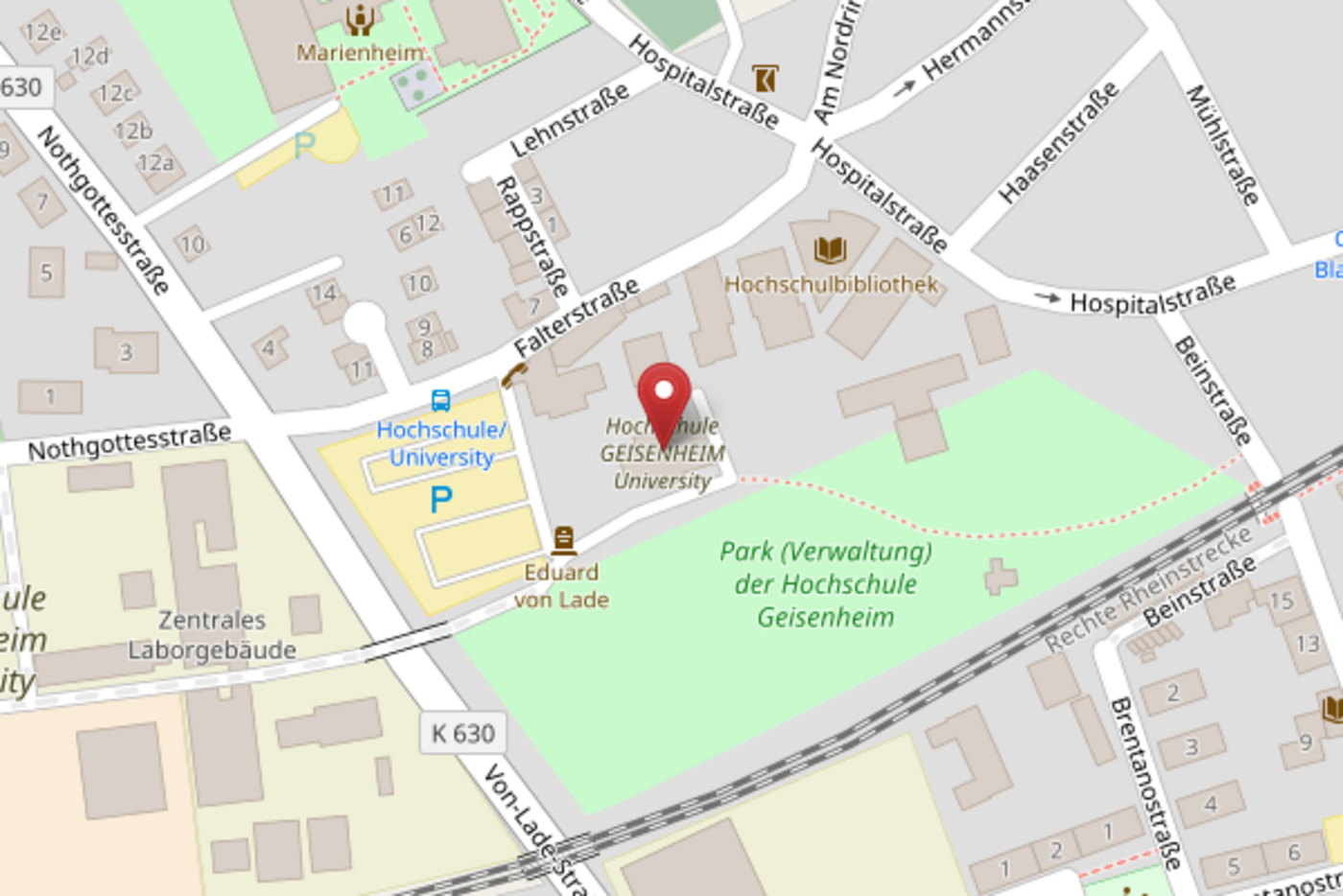
The conference was organized by Hochschule Geisenheim University's knowledge transfer project GeisTreich and Cultural Landscape Competence Center, in cooperation with the civic foundation Unser Land!. As the second event in this new series focusing on the future of the region's cultural landscape, it attracted over 90 participants, including experts from viticulture, local government, public administration, nature conservation, and academia. Together, they worked on developing forward-looking concepts for the Rheingau.
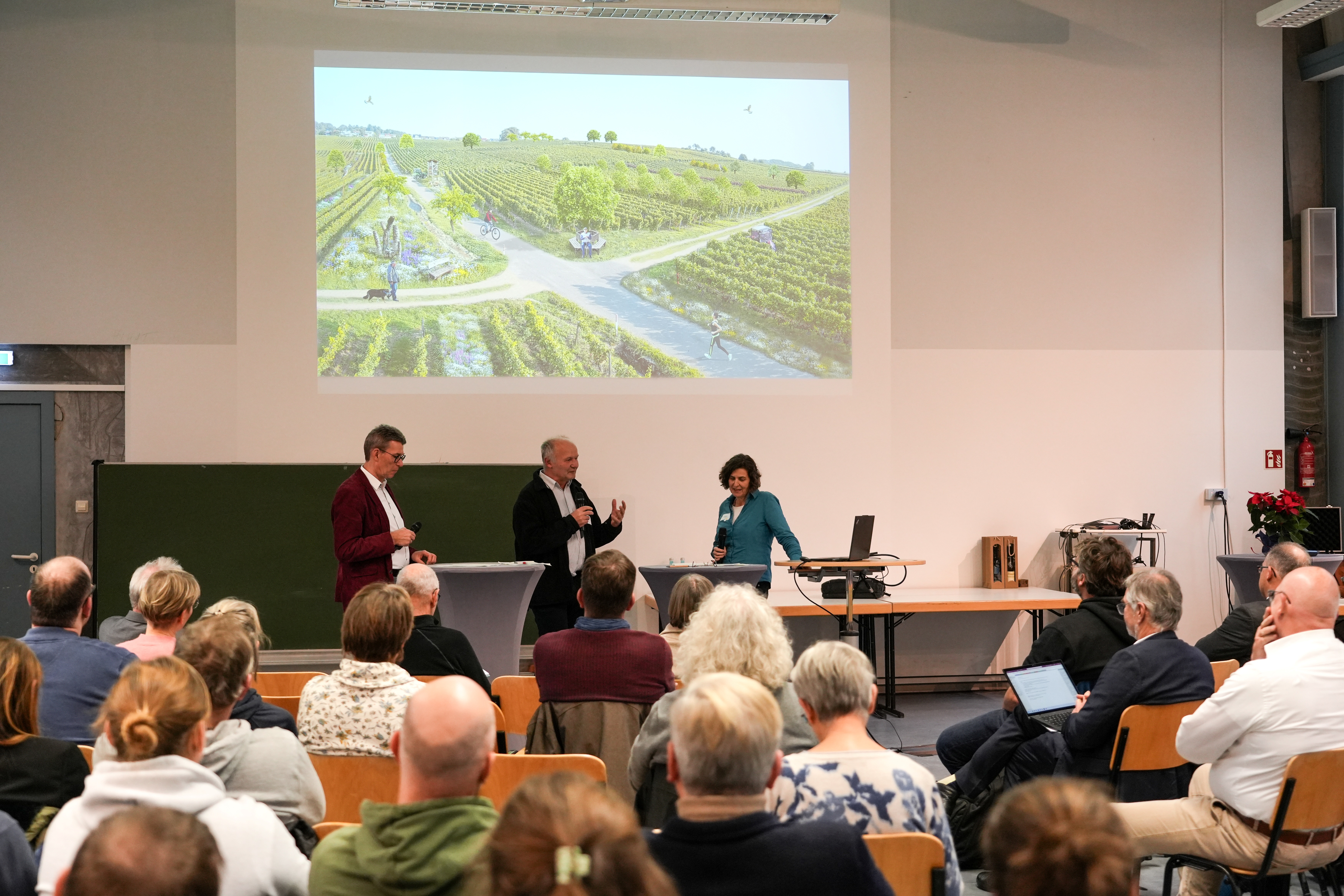
The conference program was moderated by Dr. Verena Rossow from the Institute for Social-Ecological Research, a project partner in GeisTreich. Professor Klaus Werk, chair of the civic foundation, and Professor Hans Reiner Schultz, president of Hochschule Geisenheim University, set the stage for the conference’s key themes. In a joint presentation, Professors Manfred Stoll, Ilona Leyer, and Eckhard Jedicke emphasized that the current transformation of viticulture also creates new opportunities. Land that is no longer used for winegrowing offers a chance to develop the landscape as a space for production, recreation, and living, and to better address the challenges of the climate crisis. The animated video ‘Landscape Is Changeable’ (available on YouTube) illustrates this vision: a vineyard landscape evolving from a monotonous setting into a diverse and attractive space that fulfills multiple functions beyond grape production.
Opportunities for the Landscape, Opportunities for the Economy
The conference's speakers presented findings from a survey of regional stakeholders showing that a multifunctional and diverse viticultural landscape aligns well with the needs and perspectives of winegrowers, municipalities, public authorities, and nature conservation organizations.
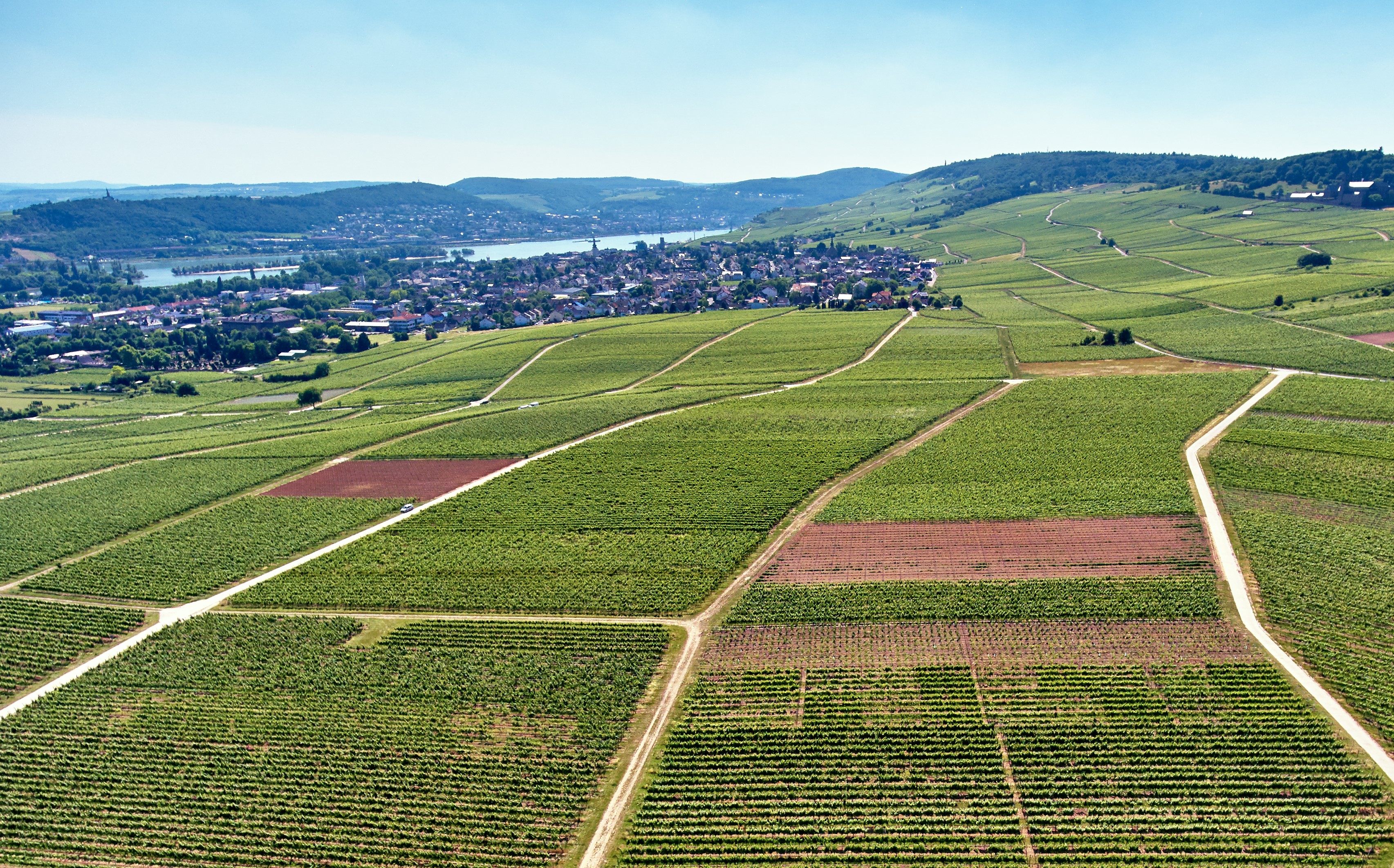
Dominik Russler, Managing Director of the Rheingau Winegrowers’ Association, highlighted the untapped potential of the Rheingau for wine tourism, which he sees as an important component in addressing the current sales crisis. Known for its attractive mix of forests, vineyards, and the river Rhine Rhine, the Rheingau is likely to experience change in the near future; Russler expects the actively cultivated vineyard area to shrink by 10 to 20 percent in the coming years. Using some of this land for alternative crops and woody plants would be a gain for the cultural landscape. ‘The visions we are discussing here today are pure economic development,’ emphasized Patrick Kunkel, mayor of Eltville.
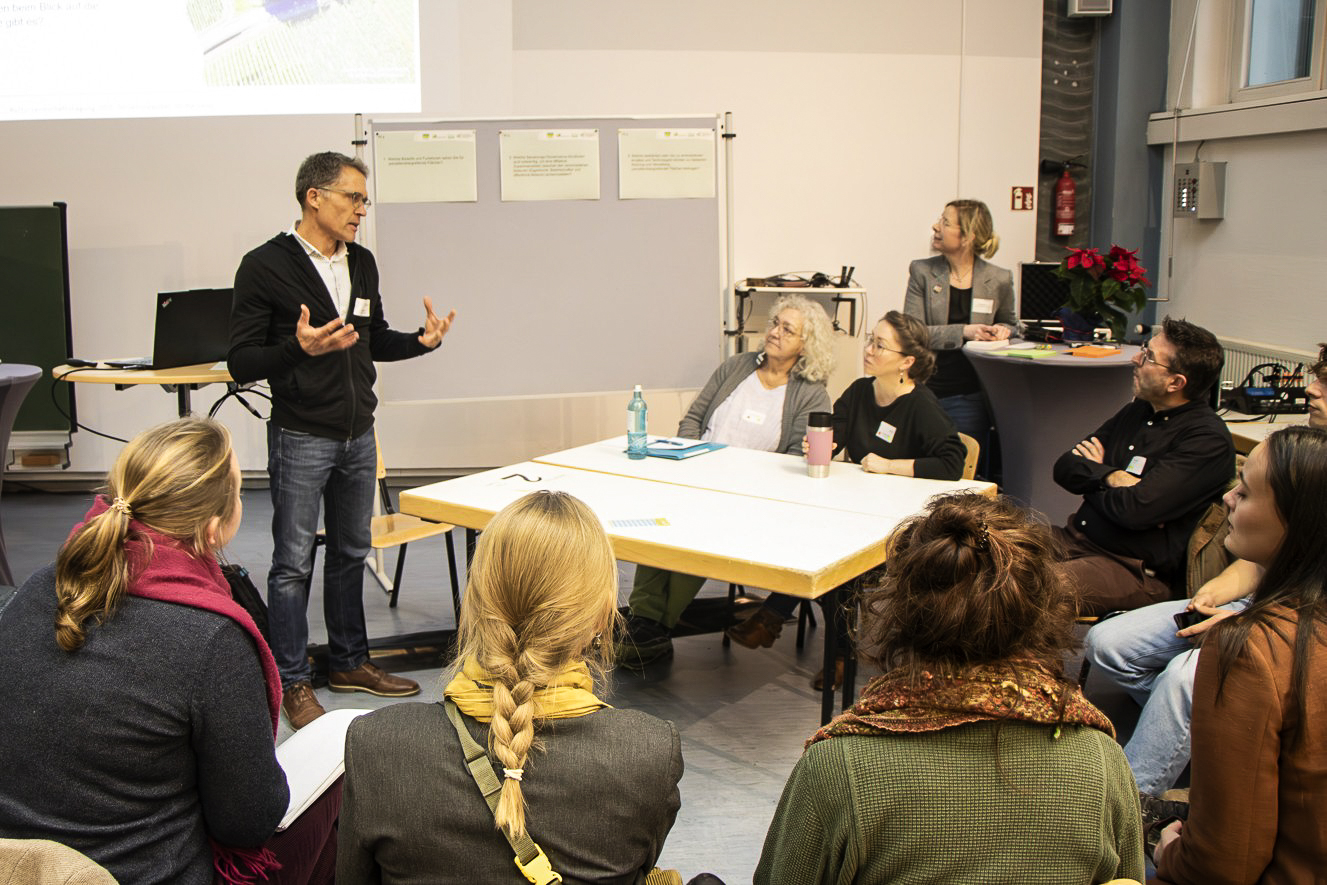
In the afternoon, participants worked at four parallel topic tables to develop visions for alternative uses of abandoned vineyard sites and larger interconnected areas, while also discussing funding-related and legal implications, as well as societal expectations. The proposals will be fed into existing networks in the Rheingau, with the aim of turning some of these ideas into reality.
At the conclusion of the conference, participants stressed how essential cooperation among all stakeholders is to developing solutions for the Rheingau that benefit viticulture, the regional economy, and society as a whole. A digital poll on the focus of the next conference showed strong interest in continuing and further deepening this topic.
Further information on the regional survey (in German) and the animated film is available at geistreich.hs-geisenheim.de