
Prof. Dr. Johanna Döring
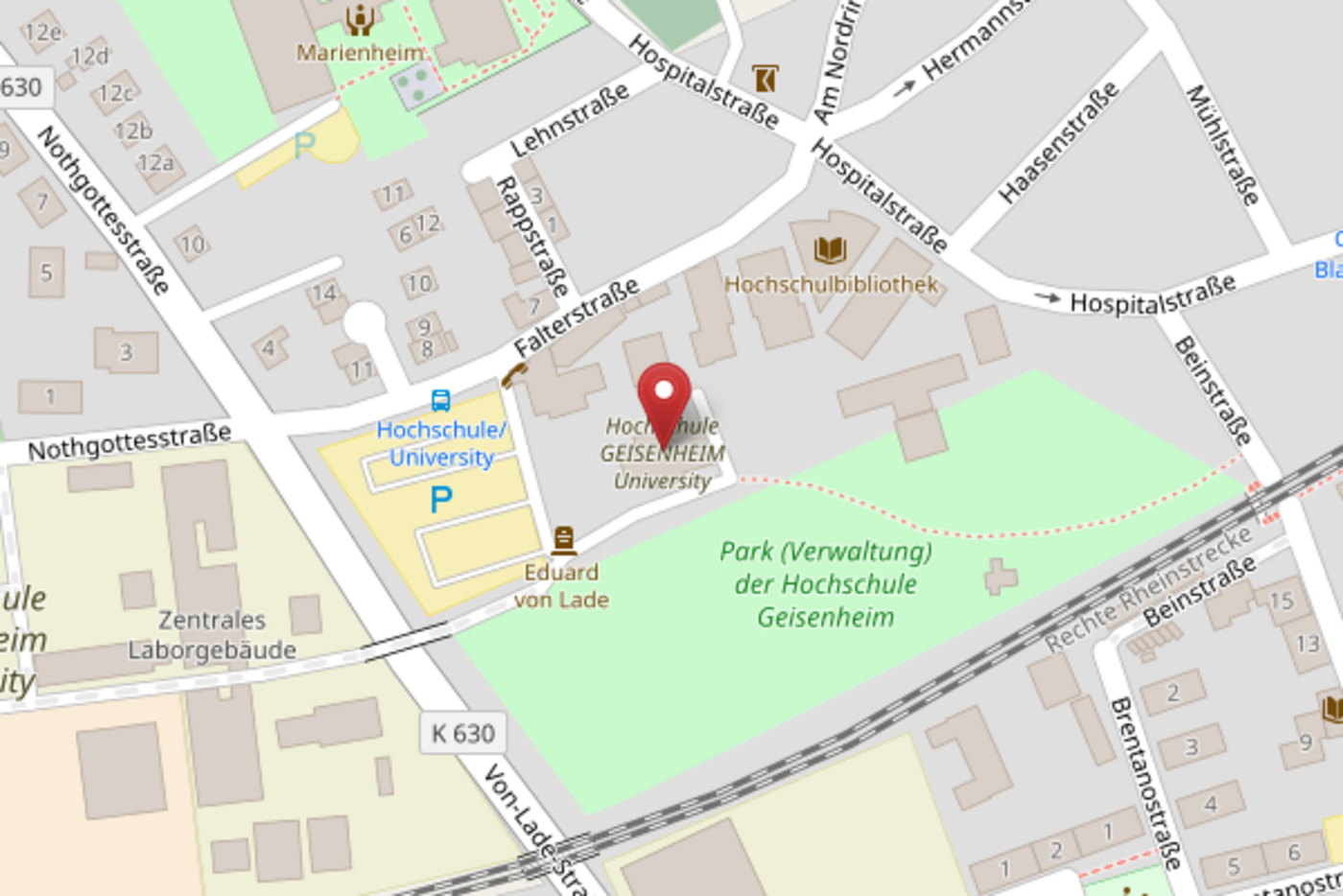
D-65366 Geisenheim
Room 302
Blaubachstraße 19
65366 Geisenheim
Project start: 01.01.2026
Project end: 31.12.2029
Sponsor: European Union
The BluWine project will encompass the entire wine production chain through a Blue Economy approach, where the vineyard, winemaking process, winery, and its residuals will be interactively linked and strengthened as part of a sustainable strategy. The wine industry is an important sector contributing to the economies of many countries, especially in Europe, which has a long history of wine production, as well as in emerging wine-producing regions in Africa, Asia, South America, and Oceania. From a global perspective, the collaboration of productive forces from different countries can be mutually beneficial. With a strong focus on environmental respect and sustainability, the BluWine project will be a collective effort to drive innovation in viticulture, winemaking, and winery operations, as well as in the management of its residuals. This will include improving grape resistance, managing wine ethanol content, recovering carbon dioxide, optimizing water usage, and recycling grape pomace, among other initiatives. The project will evaluate both the economic and environmental impacts, conducting a thorough analysis of barriers and socioeconomic drivers for successful implementation. The ultimate goal of the BluWine project is to ensure the control and maintenance of wine quality, which will be achieved by creating a new network dedicated to applying the Blue Economy in the wine industry. This will be supported through a strategic staff exchange program, bringing together both early-career and experienced researchers with expertise relevant to the BluWine project. Through this exchange, skills and knowledge will be shared across the Consortium. The project is organized into nine work packages, to be completed over four years, involving 13 ESRs (8 ESRs to be enrolled) and 50 ERs, for a total of 140 months of staff secondments. This will provide training in an international setting, further enhancing the skills and expertise of the participants.
Project start: 21.10.2024
Project end: 31.12.2027
Sponsor: Regierungspräsidium Gießen
Project start: 17.06.2019
Project end: 31.12.2025
Sponsor: Federal Ministry of Food and Agriculture
The control of downy mildew, caused by Plasmopara viticola, is one of the major challenges in viticulture,
especially in organic viticulture. Due to the ban of copper-containing pesticides and massive impacts of
climate change, organic viticulture is increasingly entering an economic crisis. Therefore, the aim of the
proposed joint project "VITIFIT" is to develop a catalogue of measures with practicable strategies for
maintaining grapevine health. In this way, cultivation conditions are improved, the production security is
consolidated and thus economic viability is guaranteed. Crop protection strategies will mainly be based on
copper minimisation (microencapsulated copper salts) and copper substitutes (plant extracts, UVC
technology) and their combination. Associated cultivation and cultural measures should reduce the
inoculum potential of P. viticola. Molecular biological analyses will address the mycobiome of the vine leaf
under these conditions. Particular attention should be paid to the plant protection agent potassium
phosphonate. Existing and newly bred fungus tolerant grape varieties (in German: PIWIs) should play a
central role in the developed action plans. Aims here are the improvement of the enological wine style, the
market acceptance of PIWIs and their introduction into practice. The identification of new resistance loci
against P. viticola and their integration into current breeding lines will support the development of novel
PIWIs. Another focus of the project is the adaptation of the forecast model "VitiMeteo Rebenperonospora"
to PIWIs. In the sector of knowledge and technology transfer, communication, the flow of information and
networking between research and practice are to be optimised. The VITIFIT project should make a
significant contribution to achieving the "20% goal" (national sustainability goal concerning the percentage
of organic agriculture area).
Date: 09.11.2020
Location: Geisenheim (Deutschland)
Speaker: Döring, Johanna
Date: 05.03.2020
Location: Bollschweil (Deutschland)
Speaker: Döring, Johanna
Date: 14.01.2020
Location: Oestrich-Winkel (Deutschland)
Speaker: Döring, Johanna
Date: 15.07.2019
Location: Geisenheim (Deutschland)
Speaker: Döring, Johanna
Date: 15.07.2019
Location: Geisenheim (Deutschland)
Speaker: Döring, Johanna
Date: 27.06.2019
Location: Thessaloniki (Griechenland)
Speaker: Döring, Johanna
Date: 23.06.2019
Location: Thessaloniki (Griechenland)
Speaker: Döring, Johanna
Date: 12.09.2017
Location: Szekszárd (Ungarn)
Speaker: Döring, Johanna
Date: 12.09.2017
Location: Szekszárd (Ungarn)
Speaker: Döring, Johanna
Date: 20.01.2017
Location: Zell/Mosel (Deutschland)
Speaker: Döring, Johanna
Date: 03.08.2016
Location: Eltville (Deutschland)
Speaker: Döring, Johanna
Date: 05.07.2015
Location: Mainz (Deutschland)
Speaker: Döring, Johanna
Date: 31.05.2015
Location: Pech Rouge-Montpellier (Frankreich)
Speaker: Döring, Johanna
Date: 18.05.2015
Location: Eberswalde (Deutschland)
Speaker: Döring, Johanna
Date: 14.04.2015
Location: Geisenheim (Deutschland)
Speaker: Döring, Johanna
Date: 20.02.2015
Location: Ockenheim (Deutschland)
Speaker: Döring, Johanna
Date: 27.11.2014
Location: Geisenheim (Deutschland)
Speaker: Döring, Johanna
Date: 29.04.2014
Location: Neustadt an der Weinstraße (Deutschland)
Speaker: Döring, Johanna
Date: 07.07.2013
Location: Porto (Portugal)
Speaker: Döring, Johanna
Date: 26.04.2013
Location: Stuttgart (Deutschland)
Speaker: Döring, Johanna
Date: 08.03.2013
Location: Bonn (Deutschland)
Speaker: Döring, Johanna