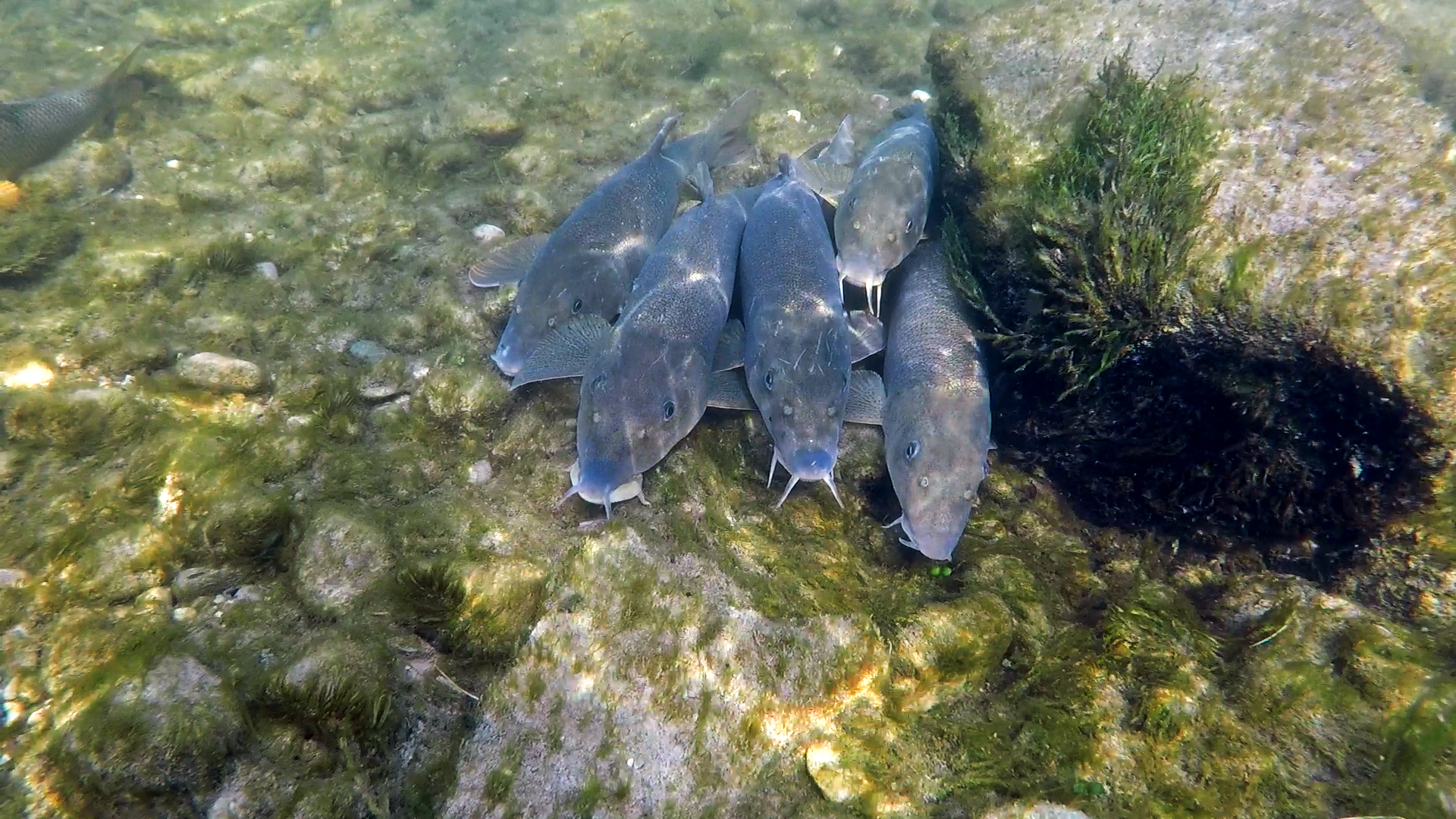
Migratory fish species such as sturgeon, allis shads, barbel, and huchen serve as important indicators of a river’s health. Nevertheless, they count among the most gravely threatened vertebrates in Europe, primarily due to habitat fragmentation and pollution, as well as the loss of free-flowing rivers. Through the DANUBElifelines project, leading universities, research institutes, non-governmental organizations, and regional authorities are hoping to tackle these issues in the Danube region.
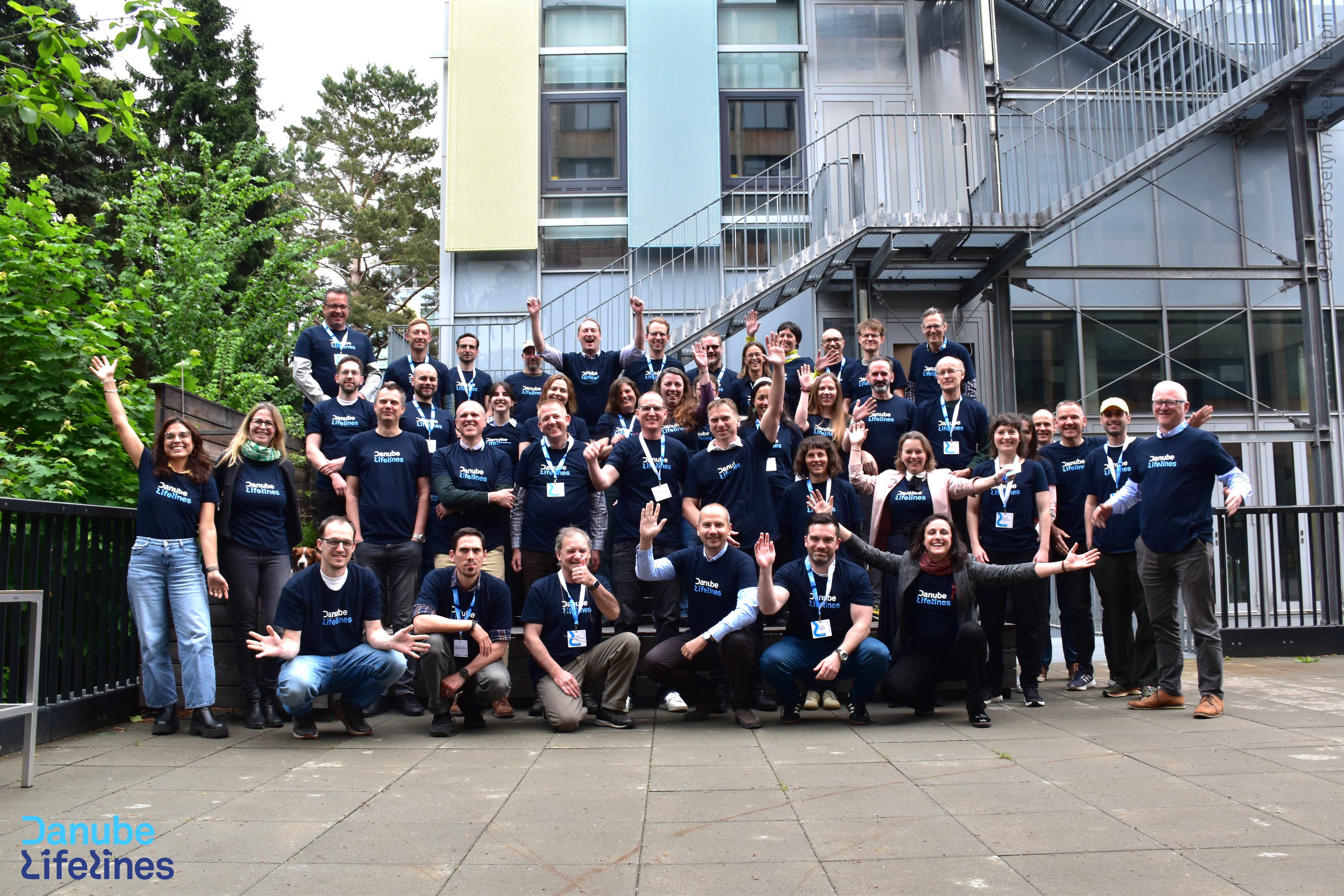
The project is funded by the European Union’s Horizon Europe program as part of its ‘Restore Our Oceans and Waters’ mission and combines cutting-edge science with practical real-world measures and intensive stakeholder engagement. It comprises eight pilot sites within the watershed. “Rivers don’t stop at man-made borders – and neither should our efforts to protect them,” says project coordinator Florian Borgwardt of Vienna’s BOKU University. “Our project demonstrates how collaboration across nations and industries can achieve meaningful ecological change in the entirety of the Danube region.”
Restoring Ecological Corridors and Biodiversity
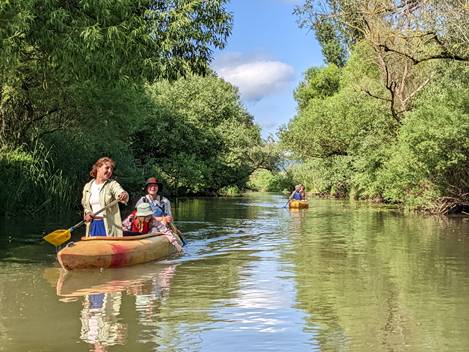
Behind the DANUBElifelines project is a simple but powerful idea: restoring the ecological connectivity of river systems. This means improving the natural flow of the rivers, reinvigorating floodplains and wetlands, and boosting biodiversity.
In order to achieve this, the project will be researching nature-based solutions at each of its demonstration sites. Measures include removing outdated river barriers, renaturalizing riverbanks, rewetting wetlands, and reconnecting tributaries. Each location operates within a ‘Living Lab’ framework that promotes collaboration between scientists, interest groups, and local authorities.
Planning Across Borders: Hochschule Geisenheim University's Role
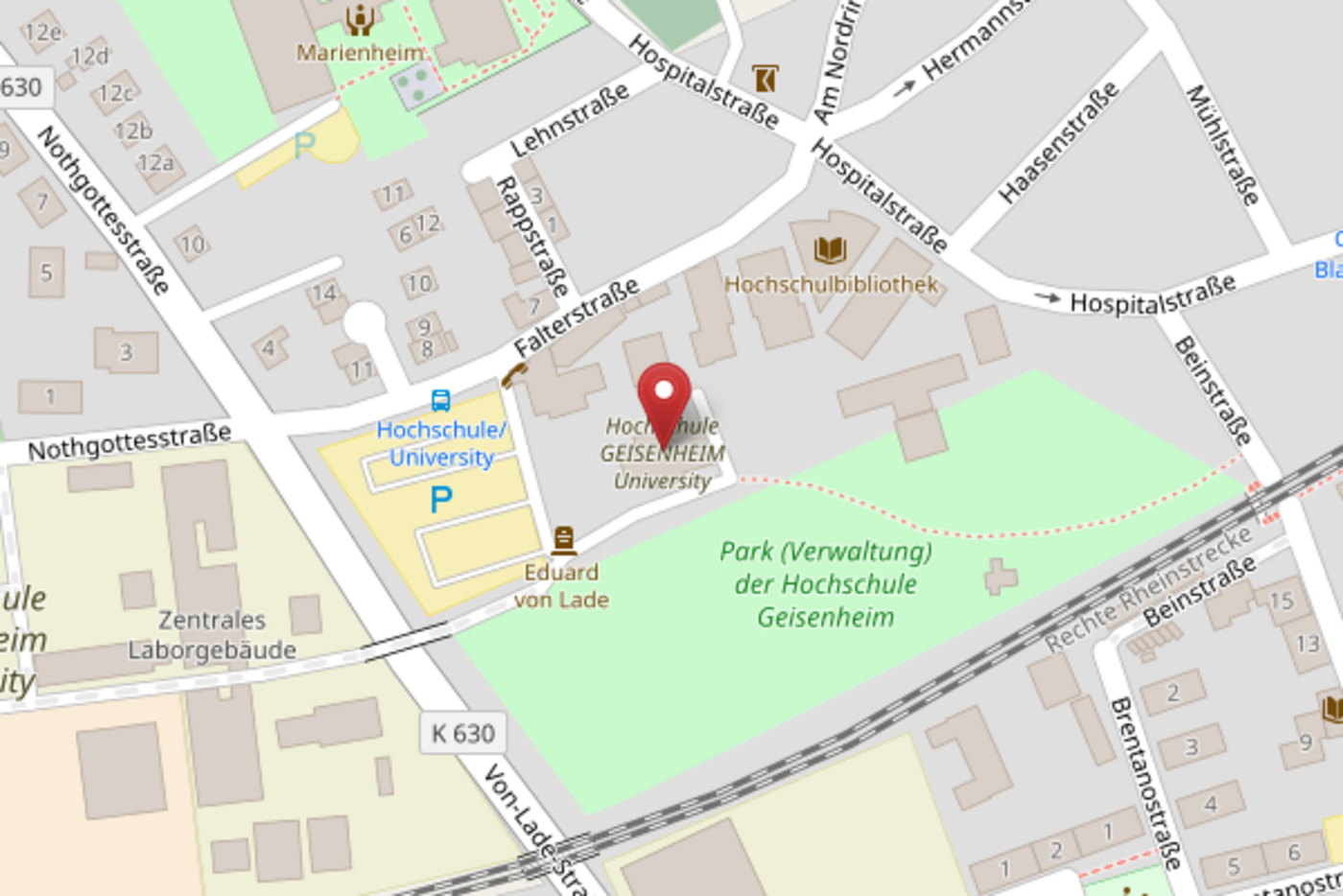
As part of the project, a scientifically grounded action plan will be developed to restore migratory fish species and their habitats, one that is supported by stakeholders across the entire Danube region. The Department of Landscape Planning and Nature Conservation at Hochschule Geisenheim University is contributing to this complex task. Under the leadership of Professor Marianne Darbi, an expert in landscape planning and environmental impact mitigation, researchers are examining how the diverse planning systems of Danube countries can be harmonized with one another and with EU regulations. This involves analyzing the legal, institutional, and socioeconomic frameworks in the riparian states: a highly strategic undertaking, considering the Danube flows through more countries than any other river in the world – ten in total.
Engagement with both governmental and civil society stakeholders in the region is crucial for this work. “To effectively restore a living and highly dynamic system like the Danube and its tributaries across such a vast area, we need local people on board,” says Darbi. “Working together with them helps us understand what obstacles exist to river connectivity, what levers can be used in different countries, and ultimately how cross-border cooperation can succeed.”
Eight Sites, One Shared Goal
Activities in the context of the project are established at eight demonstration sites across the upper, middle, and lower Danube Basin, including river sections in Germany, Austria, Slovenia, Slovakia, Hungary, Romania, and Bulgaria. These sites were selected for their ecological value and potential to reconnect critical migratory routes and habitats.
With its ambitious scope, DANUBElifelines supports the EU’s target of restoring at least 25,000 kilometers of free-flowing rivers by 2030.