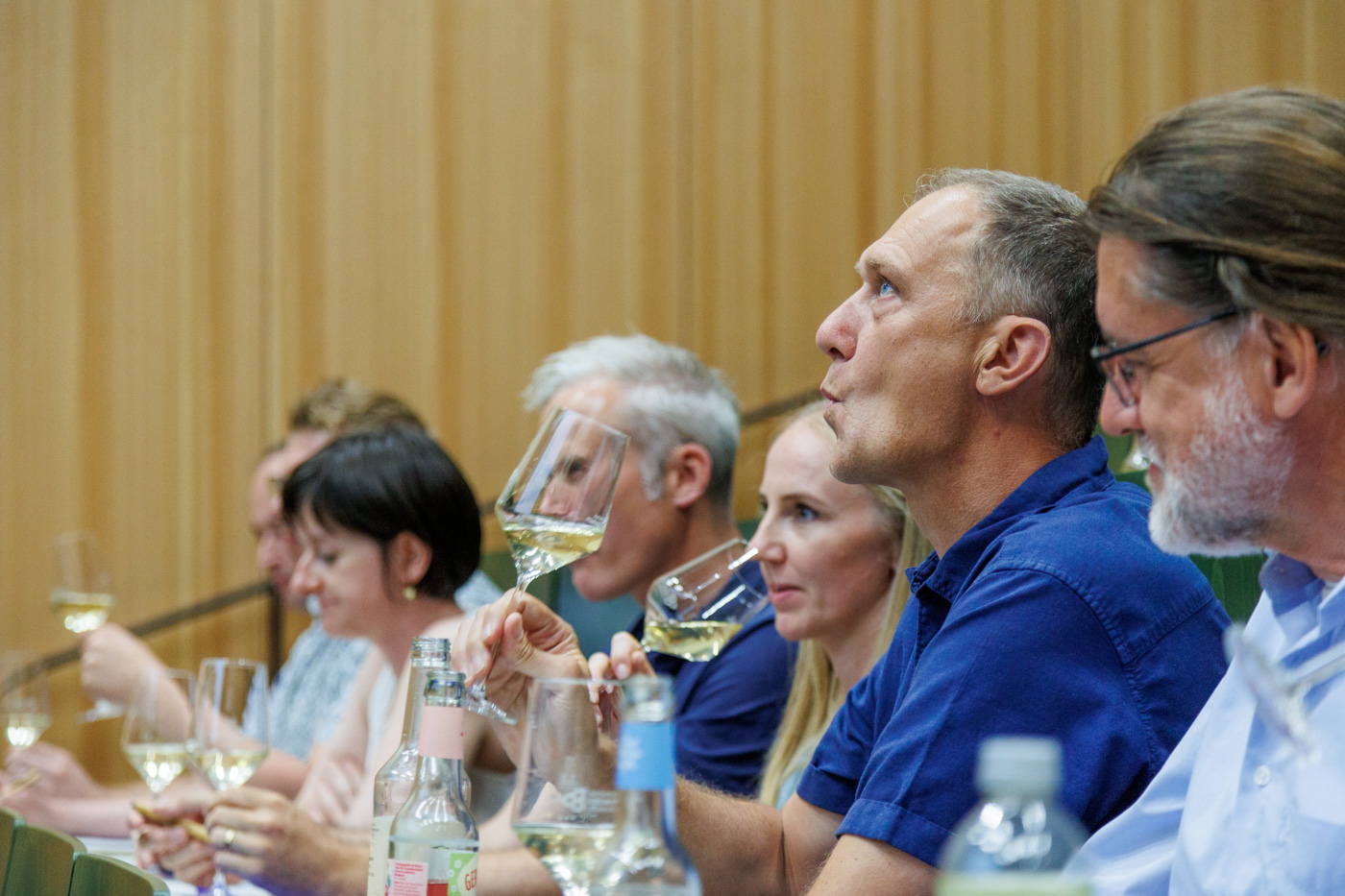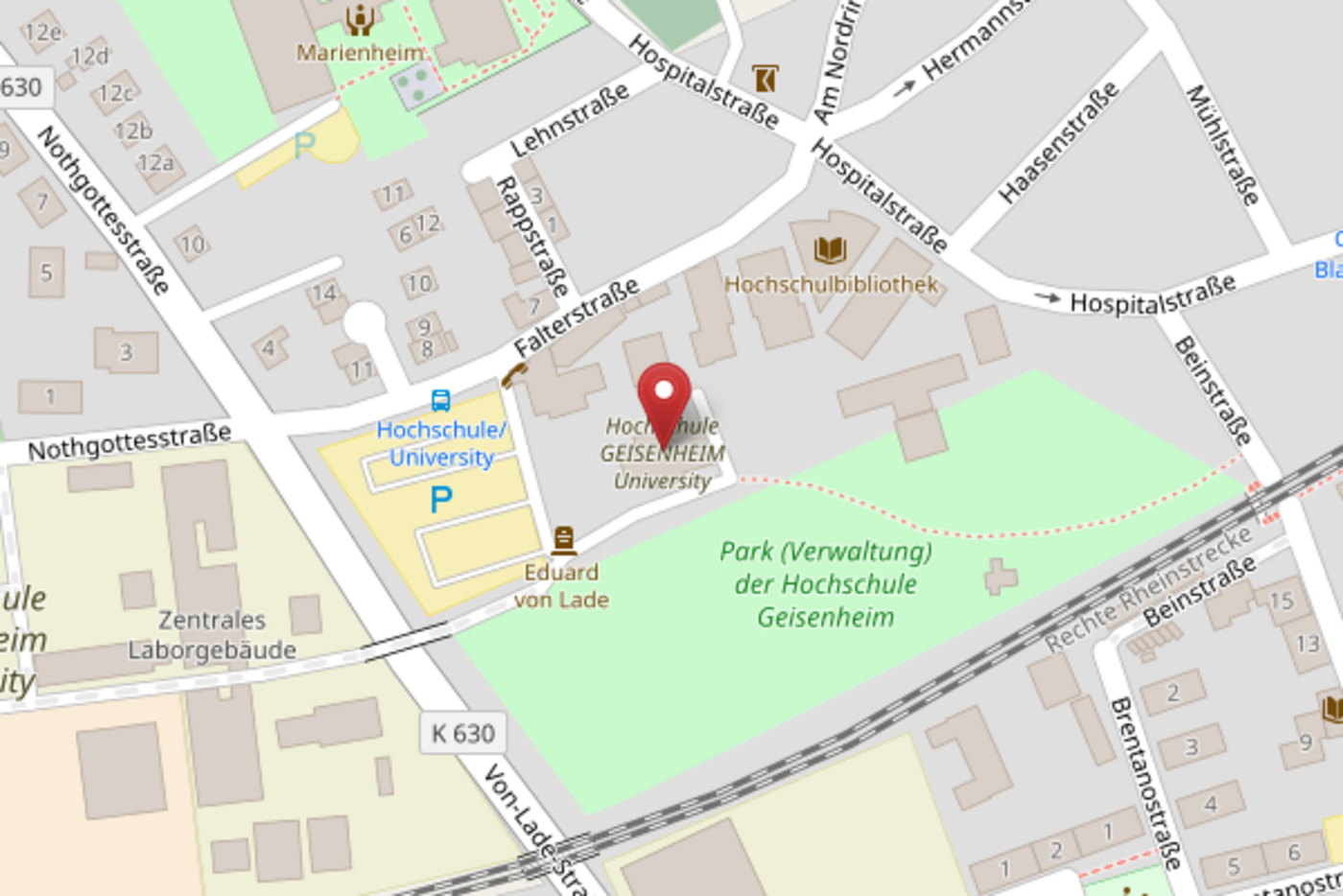
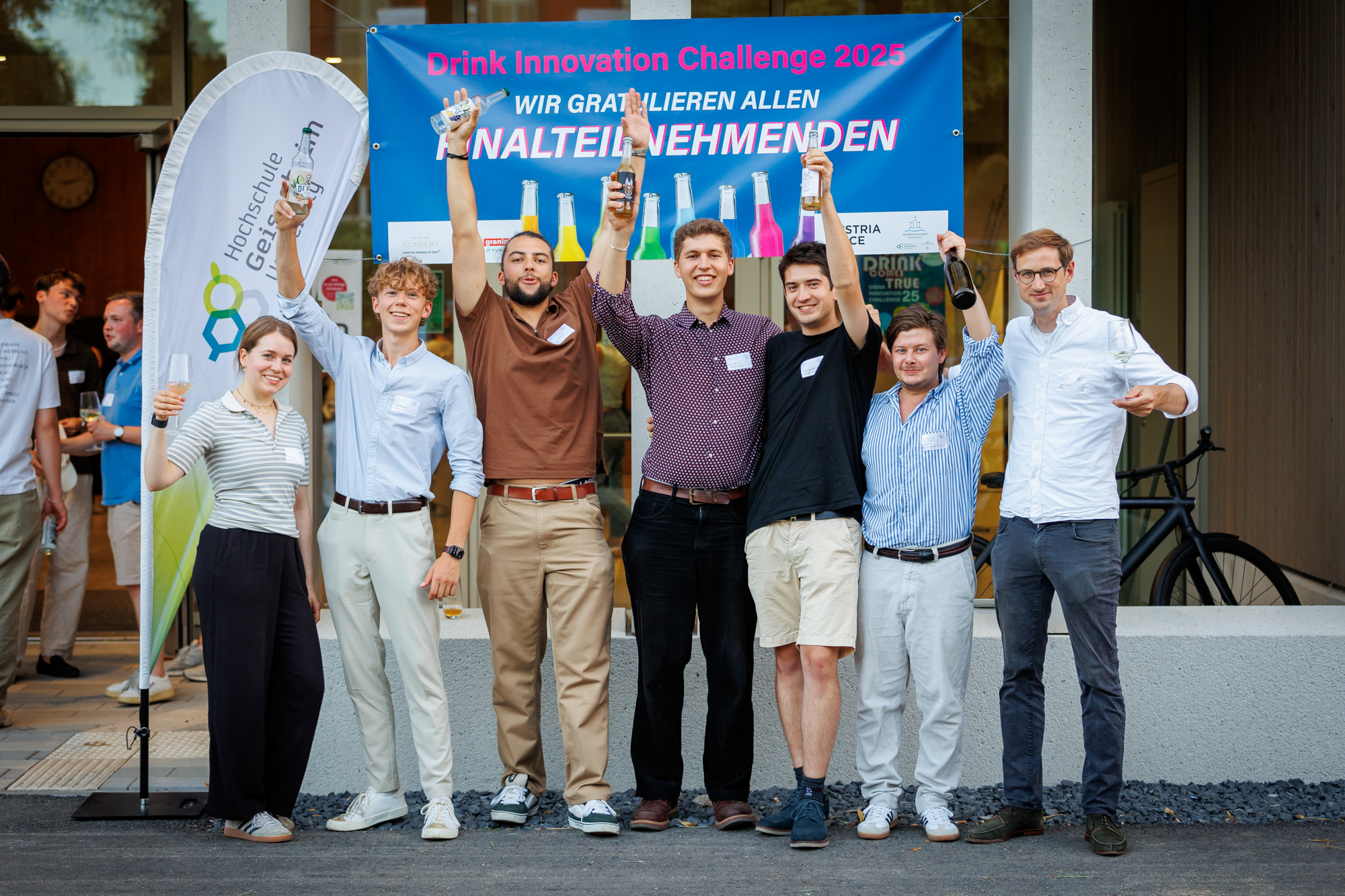
At the end of June, around 130 guests gathered in Hochschule Geisenheim University's large lecture hall alongside a ten-member jury made up of representatives from industry, media, and academia. The jury had the opportunity to see the finalists’ ideas up close, and the audience was also invited to evaluate each creation based on various criteria. In addition to the concept itself, factors such as sustainability, market potential, and level of innovation were taken into account. The jury also had the chance to taste each beverage to assess their sensory appeal.
One striking and exciting trend: all of the finalists' products were alcohol-free, despite the competition being open to alcoholic ideas as well. This trend was reflected across all entries and may indicate a broader societal shift beyond just Gen Z. Of the 16 submissions, only three contained alcohol.
Alcohol-Free Party Drinks
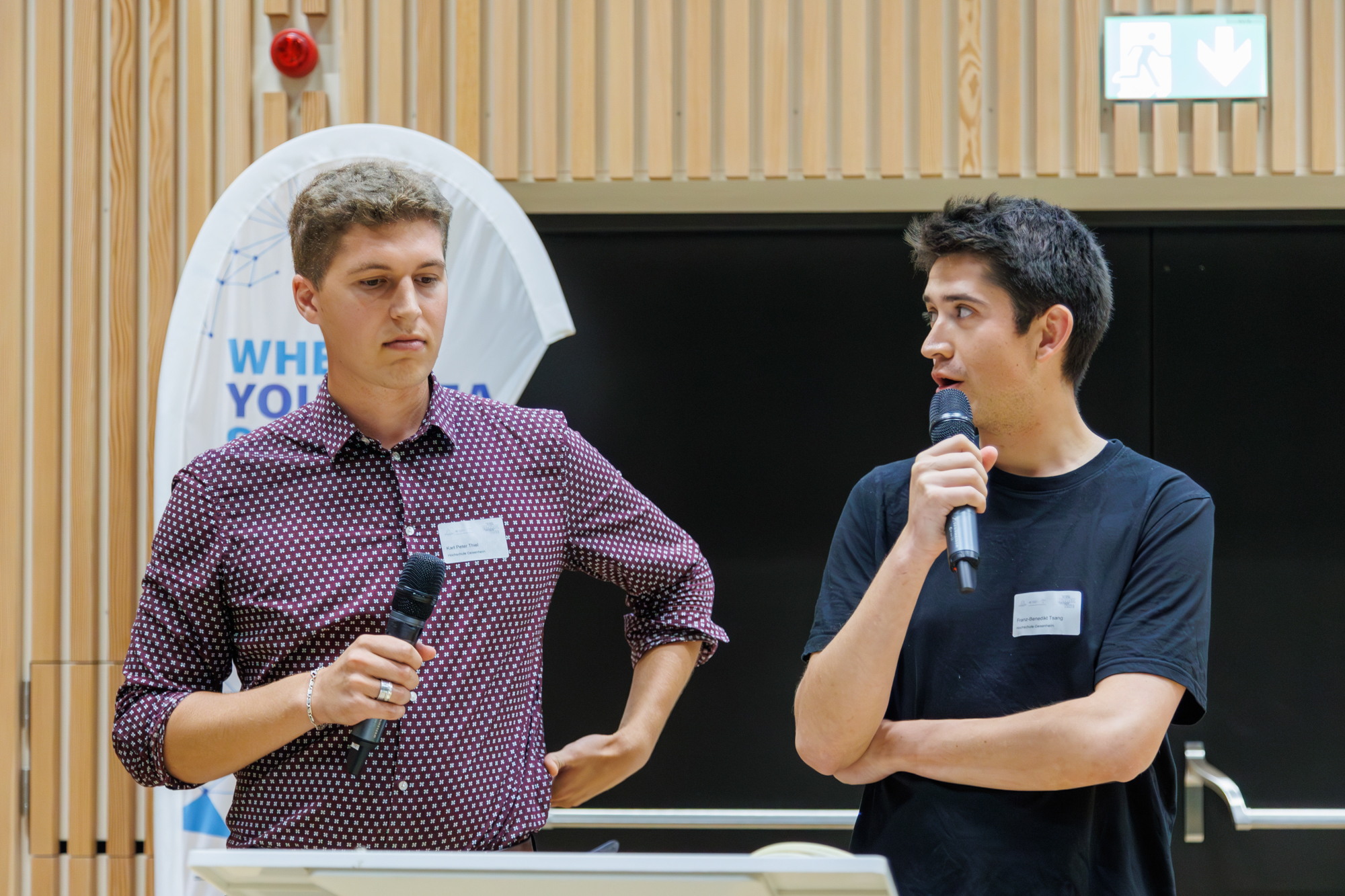
Third place went to Karl Thiel and Franz-Benedict Tsang for their Bernstein Kola. The two International Wine Business students at Hochschule Geisenheim University created a lemonade based on honey, black tea, and a finely tuned spice blend. The twist: the syrup is aged in oak barrels for two to five weeks before being carbonated and bottled.
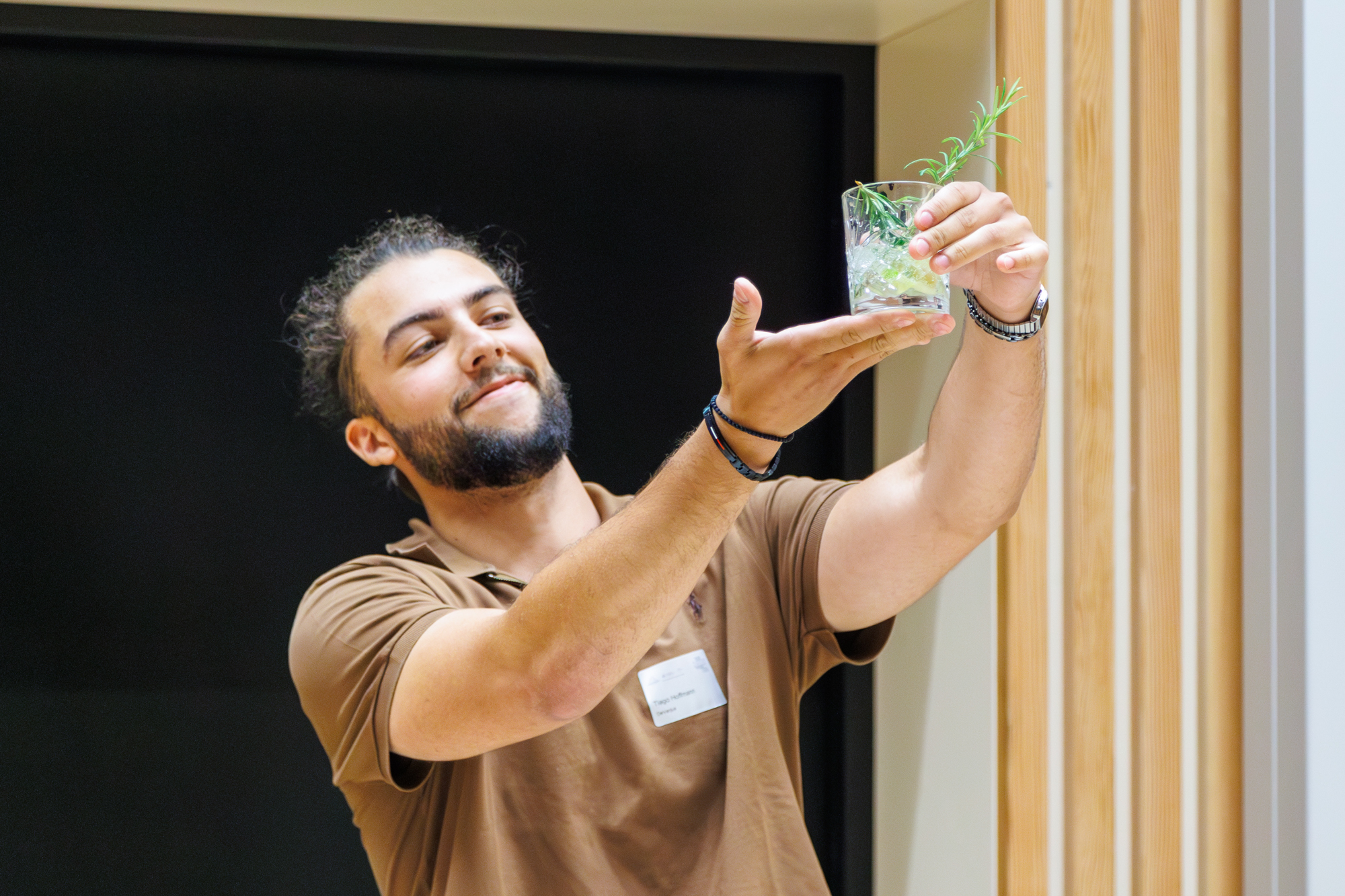
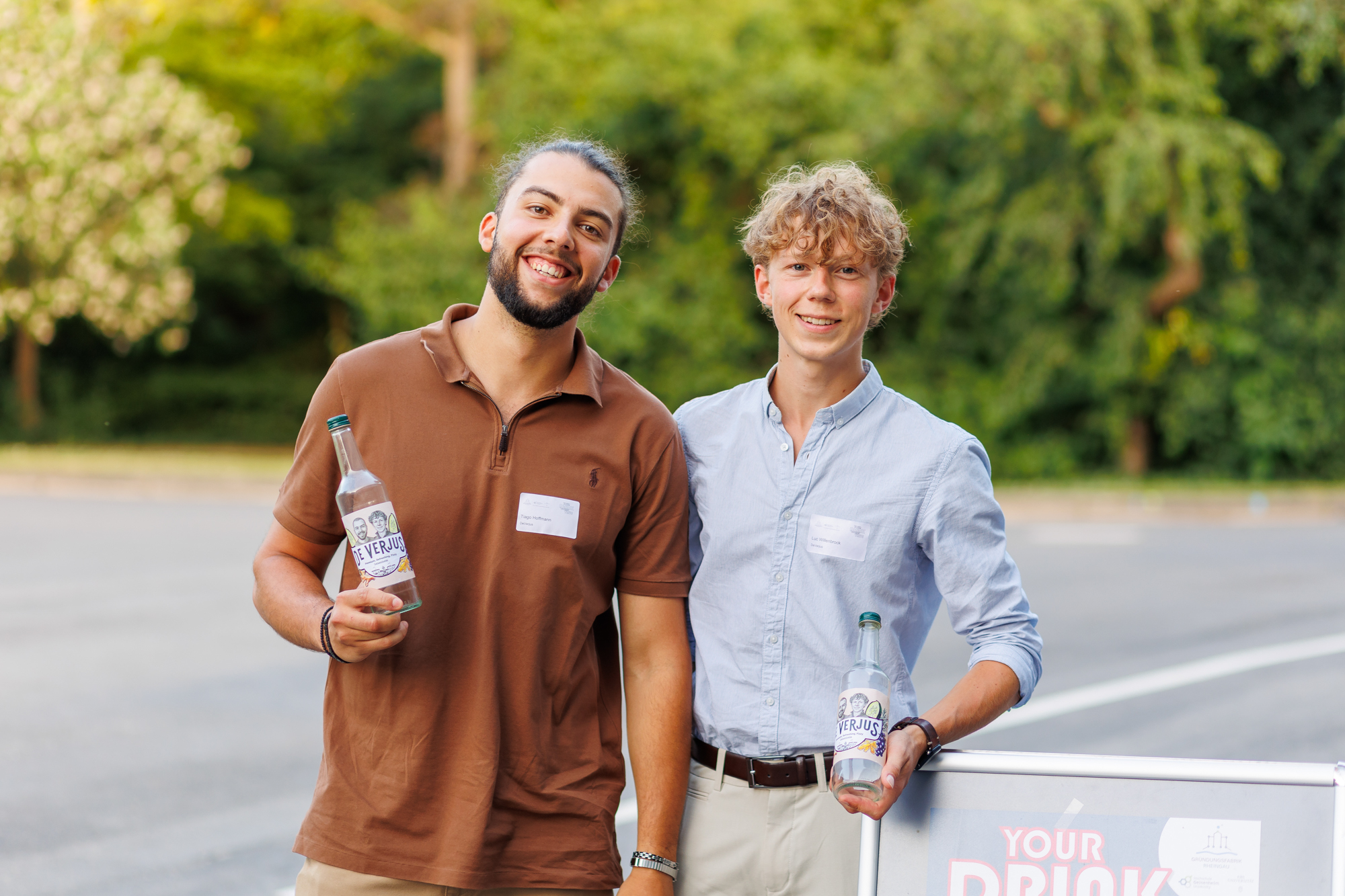
The base of Tiago Hoffmann and Luc Willenbrock’s beverage was revealed in its name: DeVerjus. Verjus, or juice from unripe grapes, provides a fresh acidity that is complemented by natural additions such as peach and mint or cucumber, ginger, and rosemary. The result is a modern, sparkling drink with a refreshing, summery character. The concept earned the two International Wine Business students second place.
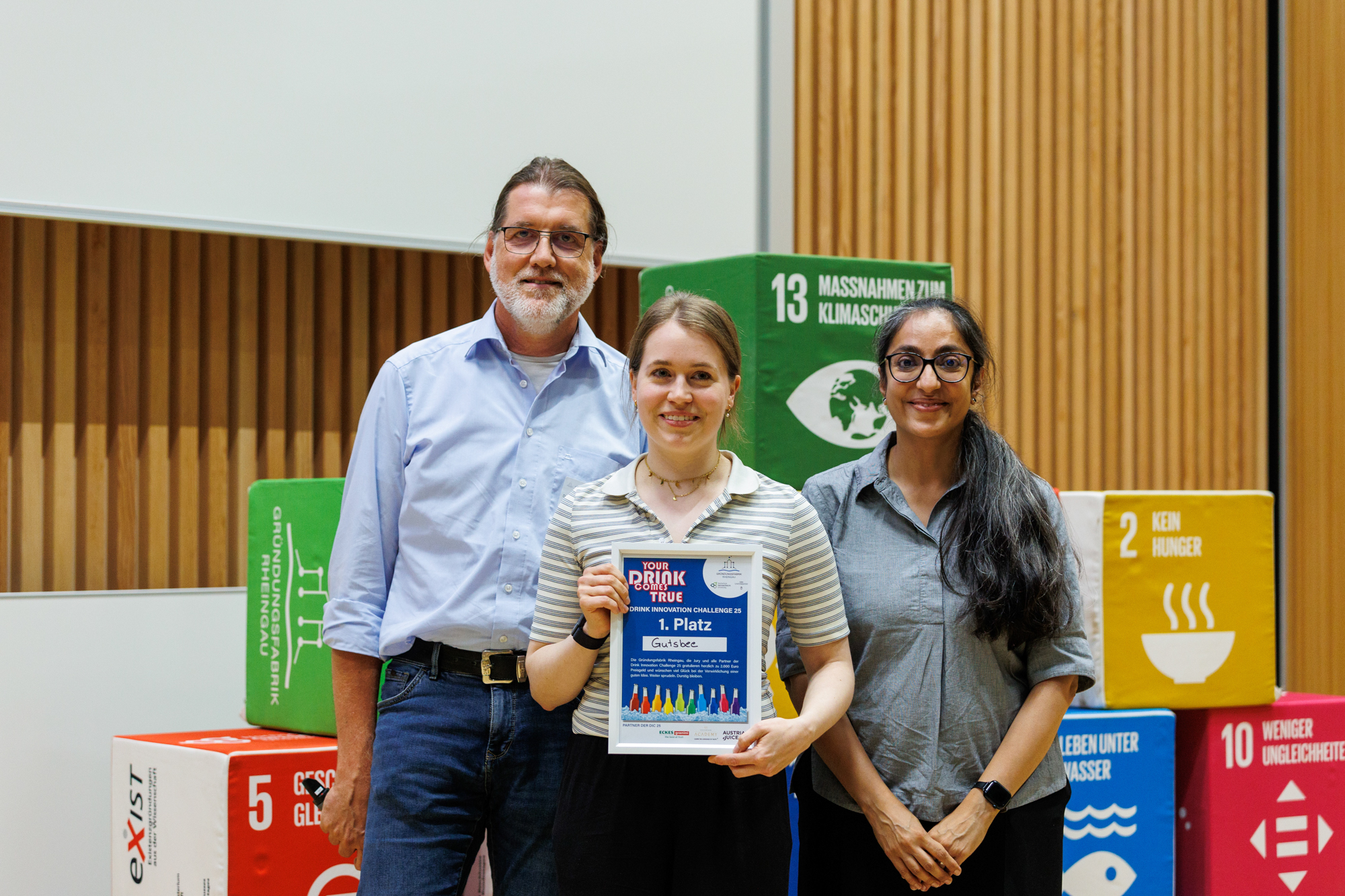
The only entry to rank higher was presented by Lisa Pfenning. Through a compelling pitch and truly exciting concept, the industrial engineering graduate from Wiesbaden and TU Dresden alumna impressed both the jury and the audience. Her creation, Gutsbee, is a non-alcoholic, fermented aperitif made with water kefir. The drink has a light sparkle and a fruity-bitter flavor profile enhanced with natural plant extracts such as grapefruit, rosemary, and elderflower. Pfenning aims to position Gutsbee on the market as an elegant and high-quality alcohol-free aperitif alternative.
The quality and creativity of the finalists impressed everyone present at the event. Jury members, which included industry representatives Kiran Jainani and Dr. Volker Herdegen (Eckes-Granini) as well as Christina Rock (Rotkäppchen-Mumm), were enthusiastic about the pitches and are already looking forward to the next DIC, which is expected to take place in June 2026.
Gründungsfabrik Rheingau
The Gründungsfabrik Rheingau is the joint startup incubator of Hochschule Geisenheim and EBS University of Business and Law. Since 2020, it has been funded through the EXIST-Potentiale program of the German Federal Ministry for Economic Affairs and Energy. Its mission is to foster entrepreneurship and new business creation, particularly in the area of sustainable, social, and ecological startups.