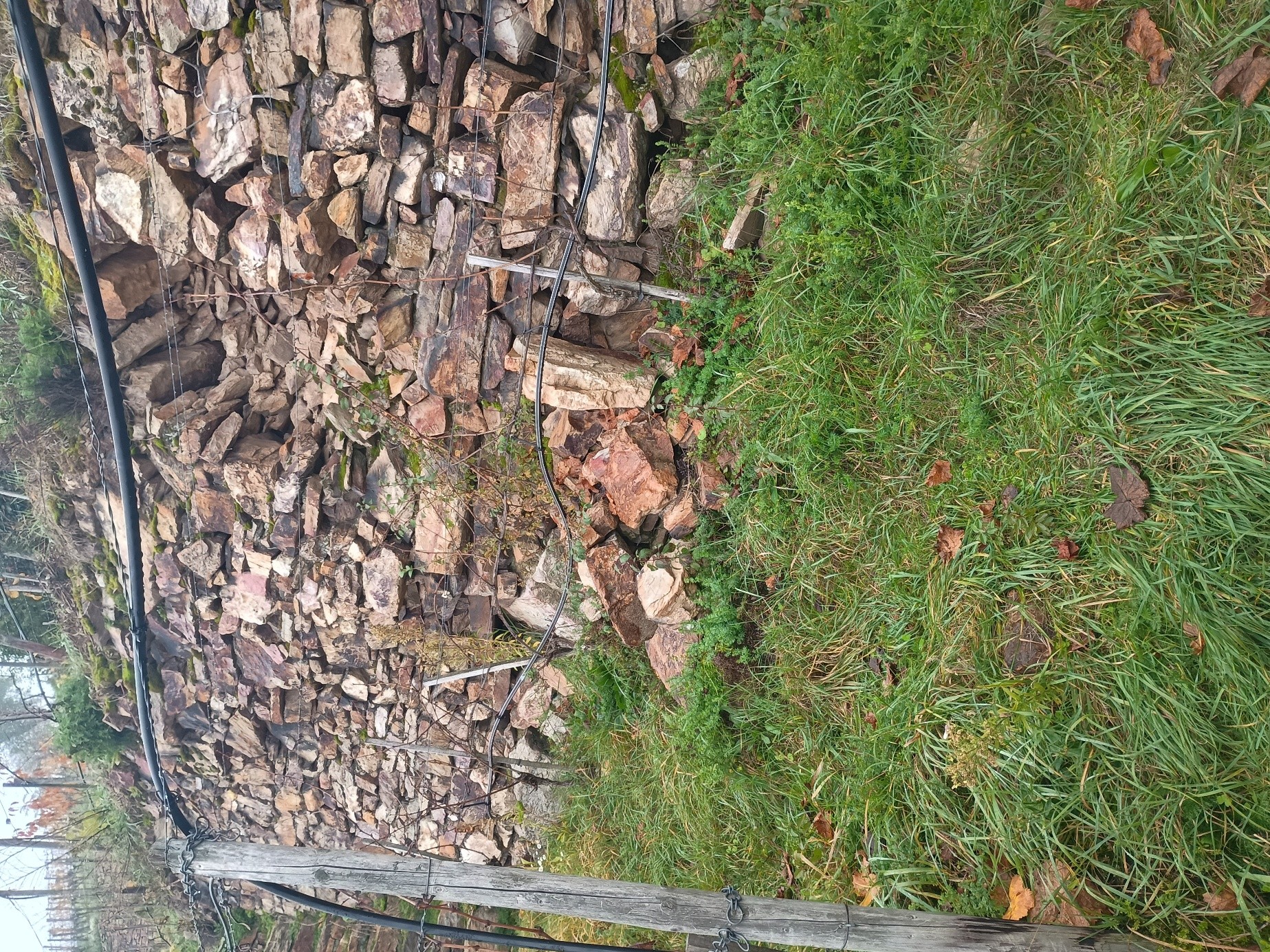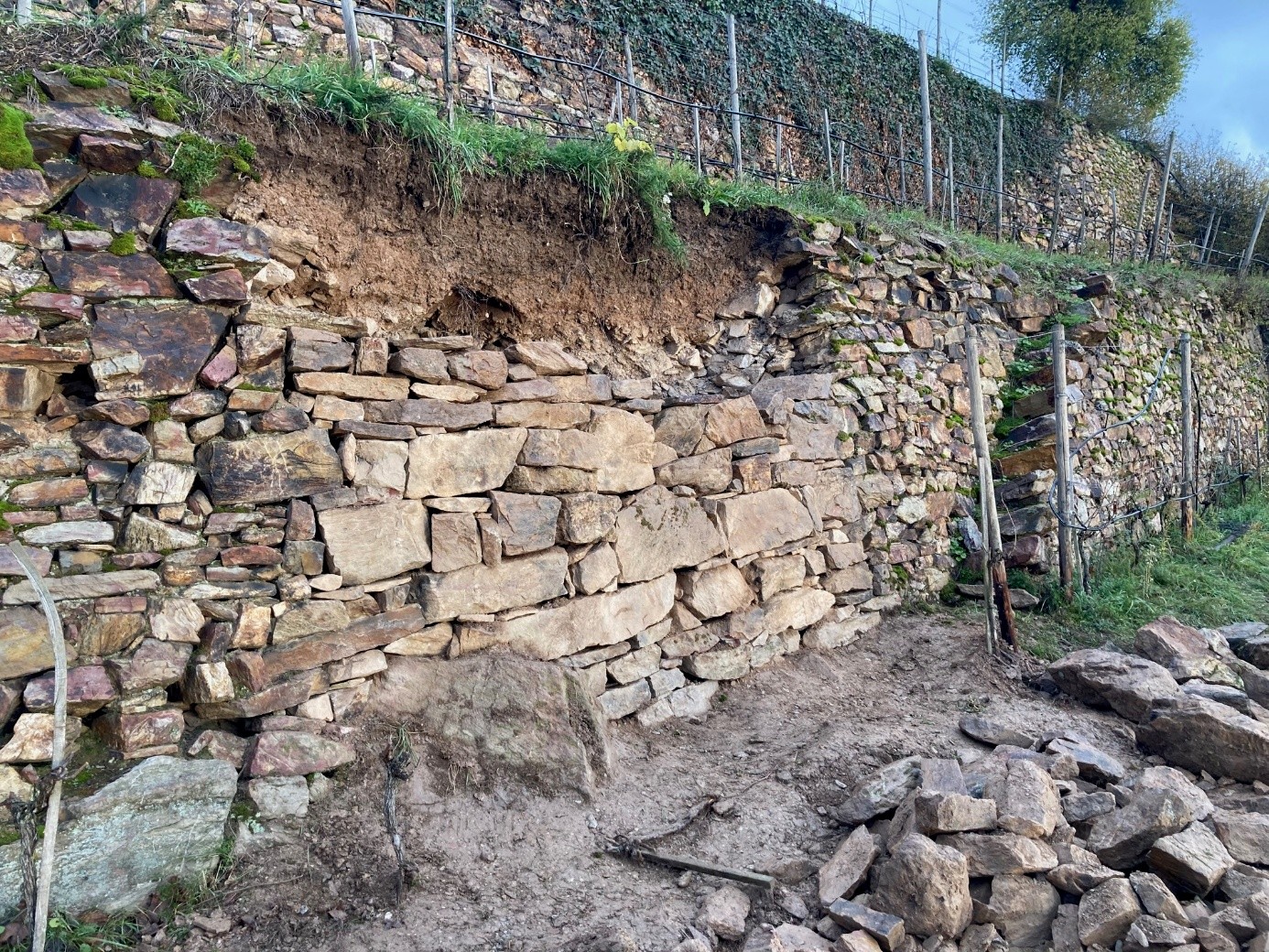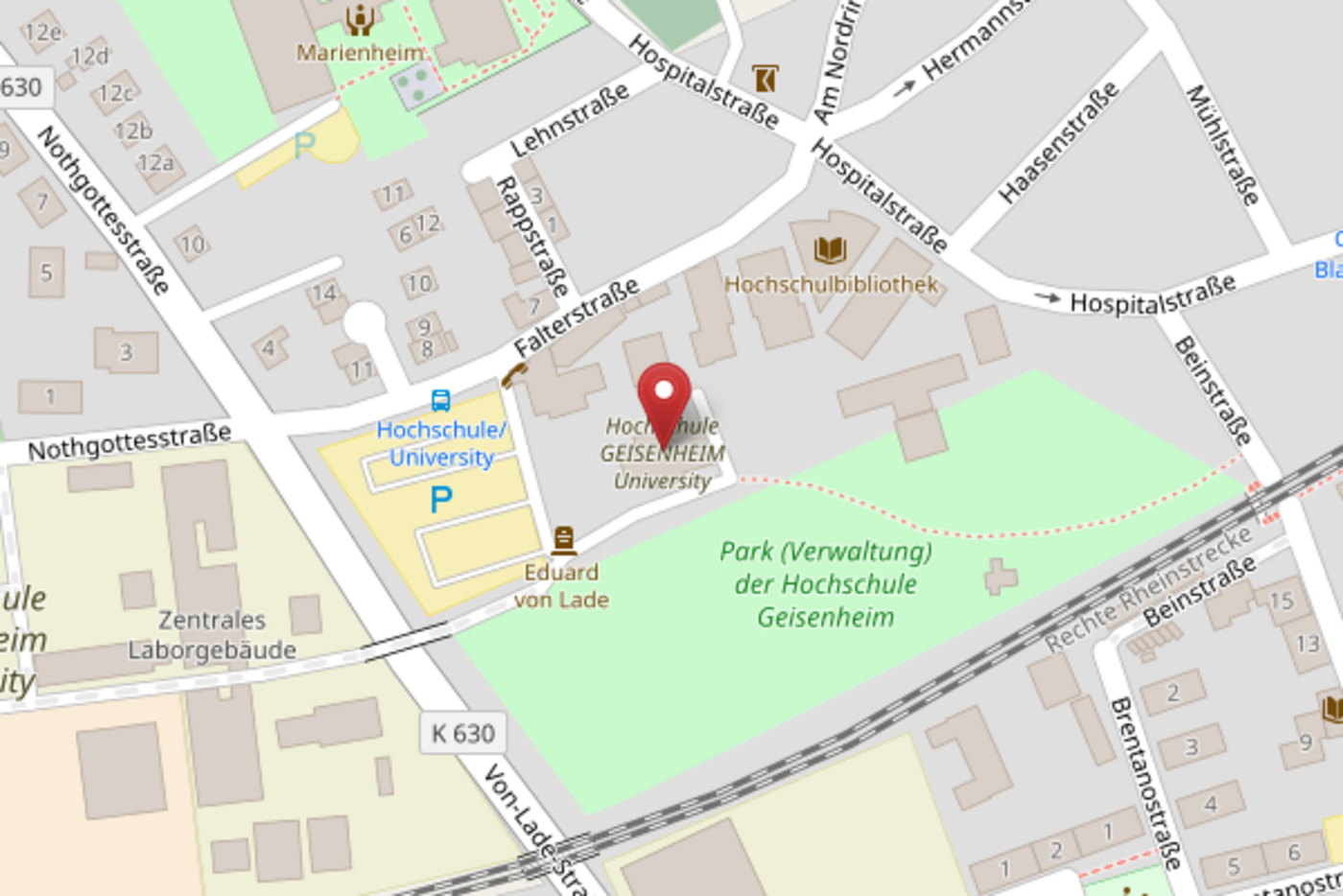

For the fourth time, a dry-stone wall course for students took place from November 7 to 9, 2025, on the university’s own vineyard terrace, known as the ‘Krähennest’, in Rüdesheim. This three-day seminar was again held in cooperation with the Rüdesheim Forestry Office and the Upper Middle Rhine Valley World Heritage Association. The course was led by winemaker Helge Ehmann from Obernhof an der Lahn. Ten students from the departments of Landscape Architecture, Horticulture, Viticulture and Enology, and International Wine Business formed the interdisciplinary team tasked with rebuilding a collapsed section of wall in the Krähennest. The course is one of the university’s offerings designed to bridge theory and practice in teaching.
Dry-stone walls are a distinctive part of the cultural landscape of the Rheingau and the Upper Middle Rhine and provide a habitat for a wide range of plants and animals. Many of the small terraces traditionally separated by these walls have been lost due to land consolidation and mechanization. By participating in the course, students can actively contribute to maintaining and preserving this historic cultural landscape.
After an introduction and a theoretical overview, the students got to work employing the traditional craft of dry-stone walling. To begin the restoration, they carefully dismantled stones down to a stable point where the new structure could be seamlessly reattached. This year’s main challenge was incorporating several large boulders that had to be integrated using precise stonework that would not compromise long-term stability. The students experienced firsthand how, as a team, they could gradually move several tons of stone. Even the cold, wet weather did nothing to dampen their motivation.
Because the section of wall turned out to be more complex than expected, the work could not be fully completed; the remaining tasks will be carried over to next year's course. Special thanks go to the Rüdesheim Forestry Office, which provides funding from the state of Hesse for conservation measures within the World Heritage site, making the course possible in the first place. Thanks are also due to the highly motivated participants, who are eager to deepen their knowledge in their own projects. ‘This craft is increasingly in demand in landscape management and garden construction. I’m glad to be learning the practical foundation in this course,’ the students agreed. The exchange among one another and across disciplines was greatly enriching and will continue to support collaborative efforts to preserve historic cultural landscapes.
The university plans to keep passing on knowledge about the traditional craft of dry-stone walling. Next year’s course will focus on restoring an additional section of wall.