The IPCC (Intergovernmental Panel on Climate Change) is the United Nations body for assessing the science related to climate change. Its reports provide the foundation for international climate policy and are a key input into global climate negotiations. Being selected as an author is a testament to exceptional scientific expertise.
That is the new IPCC report about?
The Special Report addresses methods on
- Carbon Dioxide Removal (CDR) as well as
- Carbon Capture, Utilization, and Storage (CCUS).
These include, for example, soil carbon sinks (e.g., through humus build-up), biochar, biomass combustion with CO₂ storage, direct air capture, the use of CO₂ in products, as well as issues related to transport, measurability, and international comparability. The methodological guidelines aim to establish actionable scientific standards on the basis of which countries can evaluate their climate protection measures.
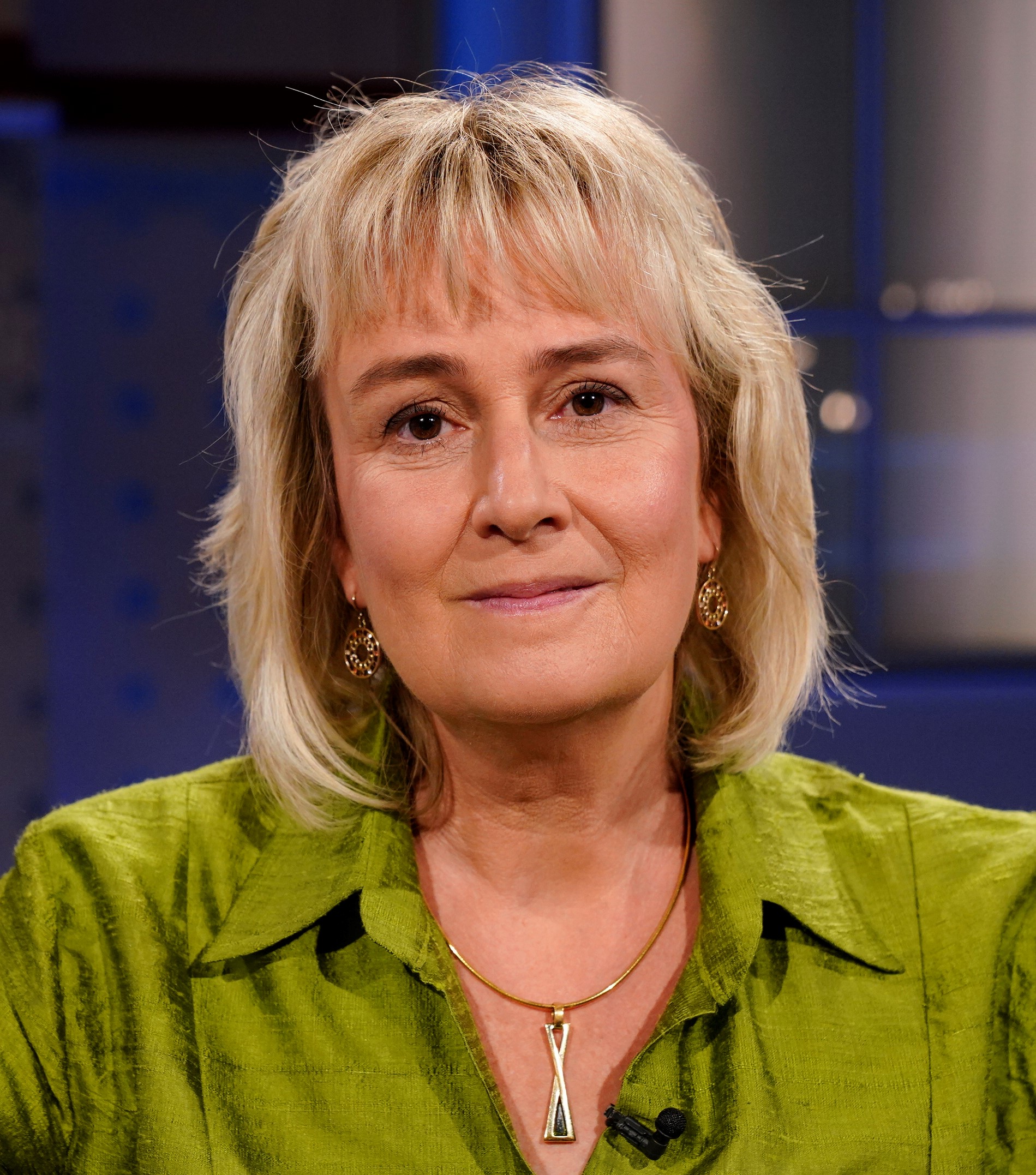
Prof. Kammann's contribution
Professor Kammann conducts research at the interface between land use, agriculture, climate adaptation and climate protection, with a special focus on the production and use of biochar:
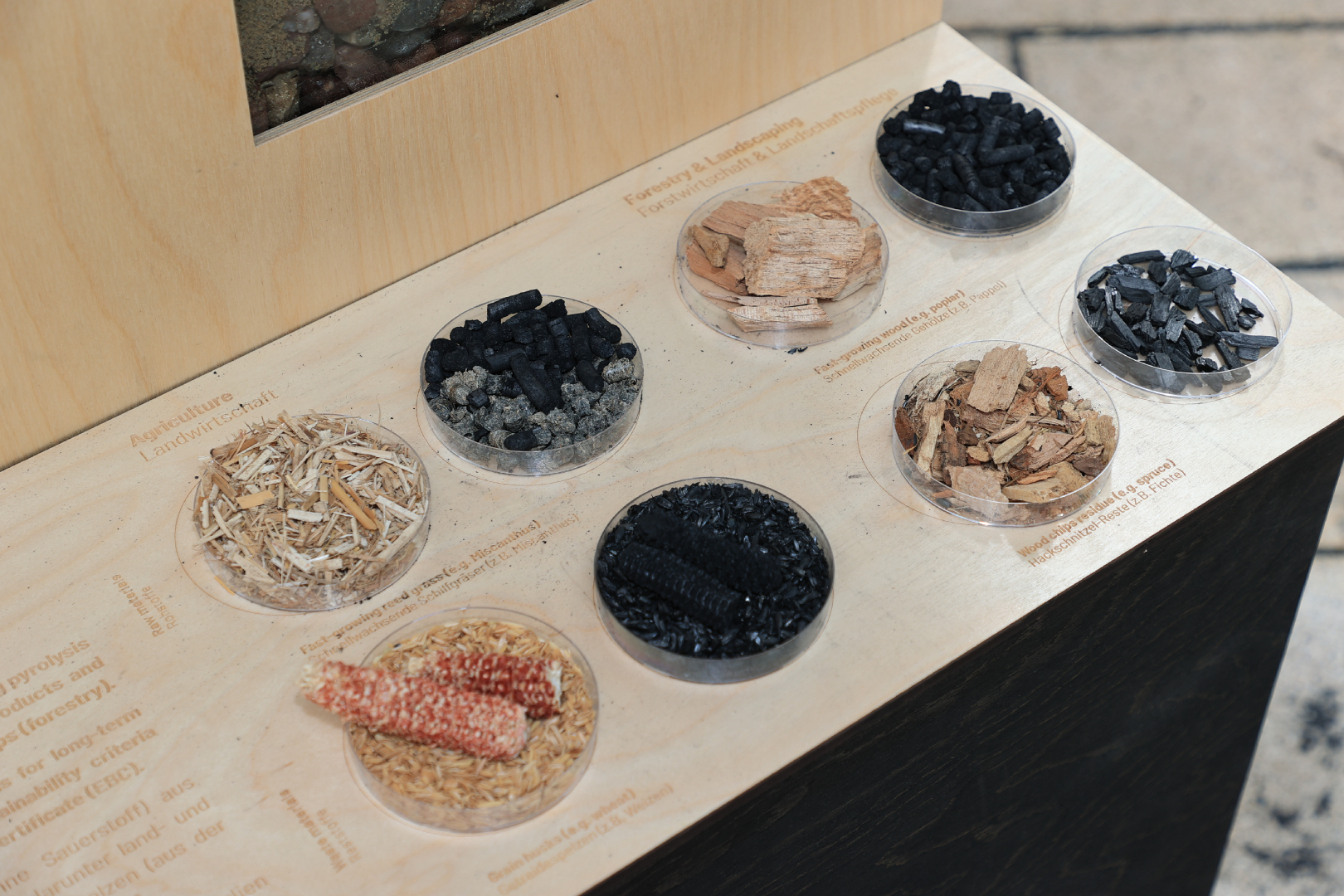
Plants remove CO₂ from the atmosphere through photosynthesis. When biomass is pyrolyzed and the resulting, long-term stable biochar is incorporated into soils, a portion of this carbon remains sequestered for decades to centuries — while simultaneously improving soil fertility, water retention, and the resilience of agricultural ecosystems. This is how biochar combines carbon dioxide removal (CDR) with adaptation to climate change.
In addition, her research focuses on:
- the effects of rising CO₂ levels on special crops (FACE experiments),
- biogeochemical material cycles,
- the reduction of methane and nitrous oxide emissions as well as
- sources of greenhouse gases in soils which have been largely neglected so far.
Contributing to the IPCC's methodological guidelines means that these research activities are incorporated directly into international climate reporting and policy-making processes. This helps to establish how CO₂ removal is measured, reported and assessed accurately – a key element of transparent climate action.
Congratulations Prof. Dr. Claudia Kammann on this well-deserved recognition of your work!
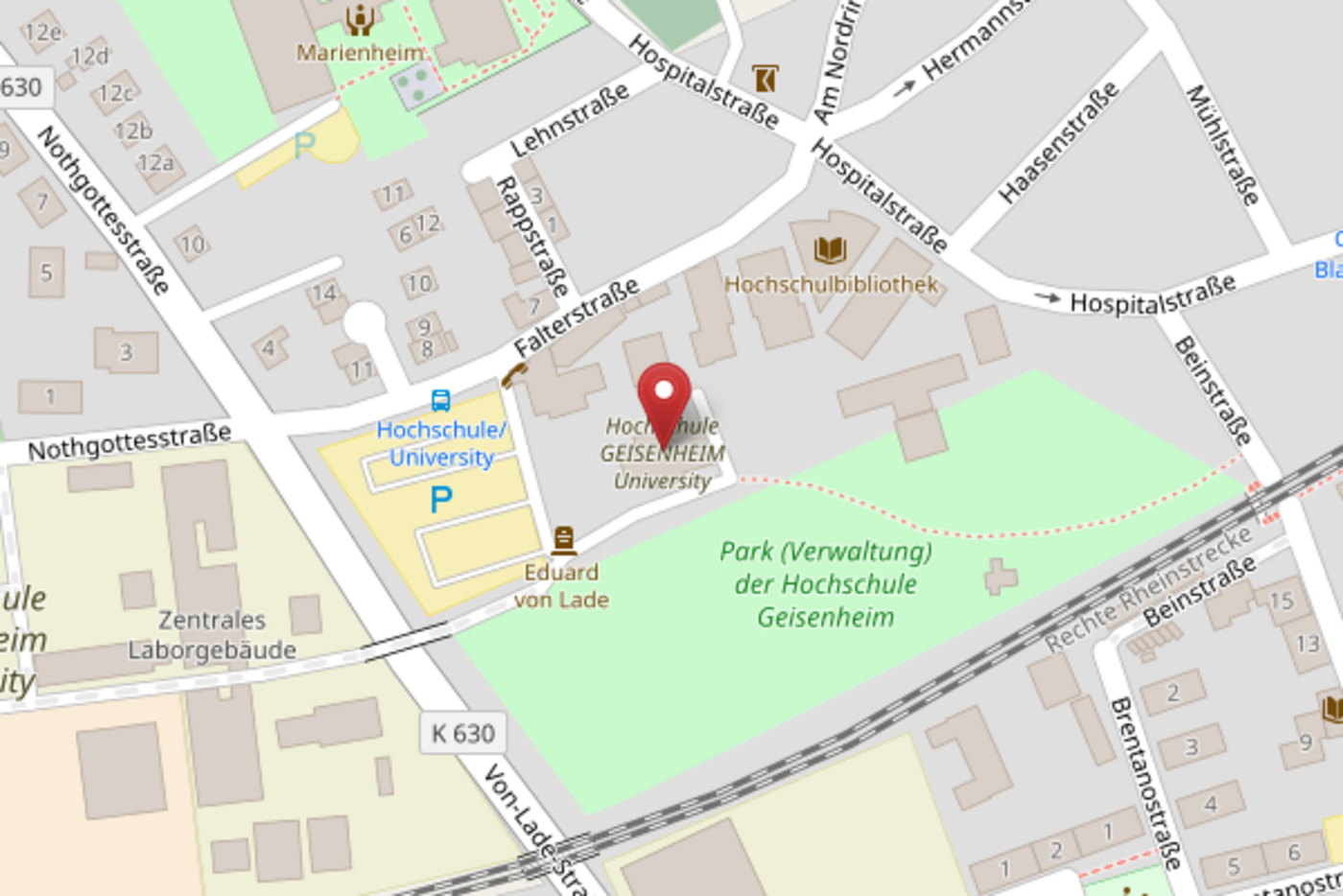
More information on biochar research at Hochschule Geisenheim University is available here: https://www.hs-geisenheim.de/forschung/institute/angewandte-oekologie/professur-fuer-klimafolgenforschung-an-sonderkulturen
More information on CDRterra – research program on land-based CO₂ removal methods – is available here: https://cdrterra.de/