Why a sustainability report?
Sustainability is a broad concept that can be applied to all areas of daily life. So what exactly does sustainability mean for Hochschule Geisenheim University? What are our ideas, goals, and strategies in this context?
To answer these questions in a clear and comprehensible manner, the Department of Strategic University Development & Sustainability has compiled the sustainability report presented on this page. Its most important feature is its systemic approach, as the report not just describes the university’s vision of sustainability but links it to specific, measurable indicators.
The report – and the work of the department and the university in general – is guided by the principle of ESD (Education for Sustainable Development). This United Nations educational initiative aims to ensure that every individual understands how their own actions impact the world.
That sounds overwhelming, so how can our university break this idea down into actionable steps? We have opted for the Whole Institution Approach, which was established as a holistic ESD approach for universities and other institutions. It identifies and describes specific areas and fields of action relevant to educational institutions. It helps establish clear goals and track whether specific initiatives actually deliver expected results.
Projects & results
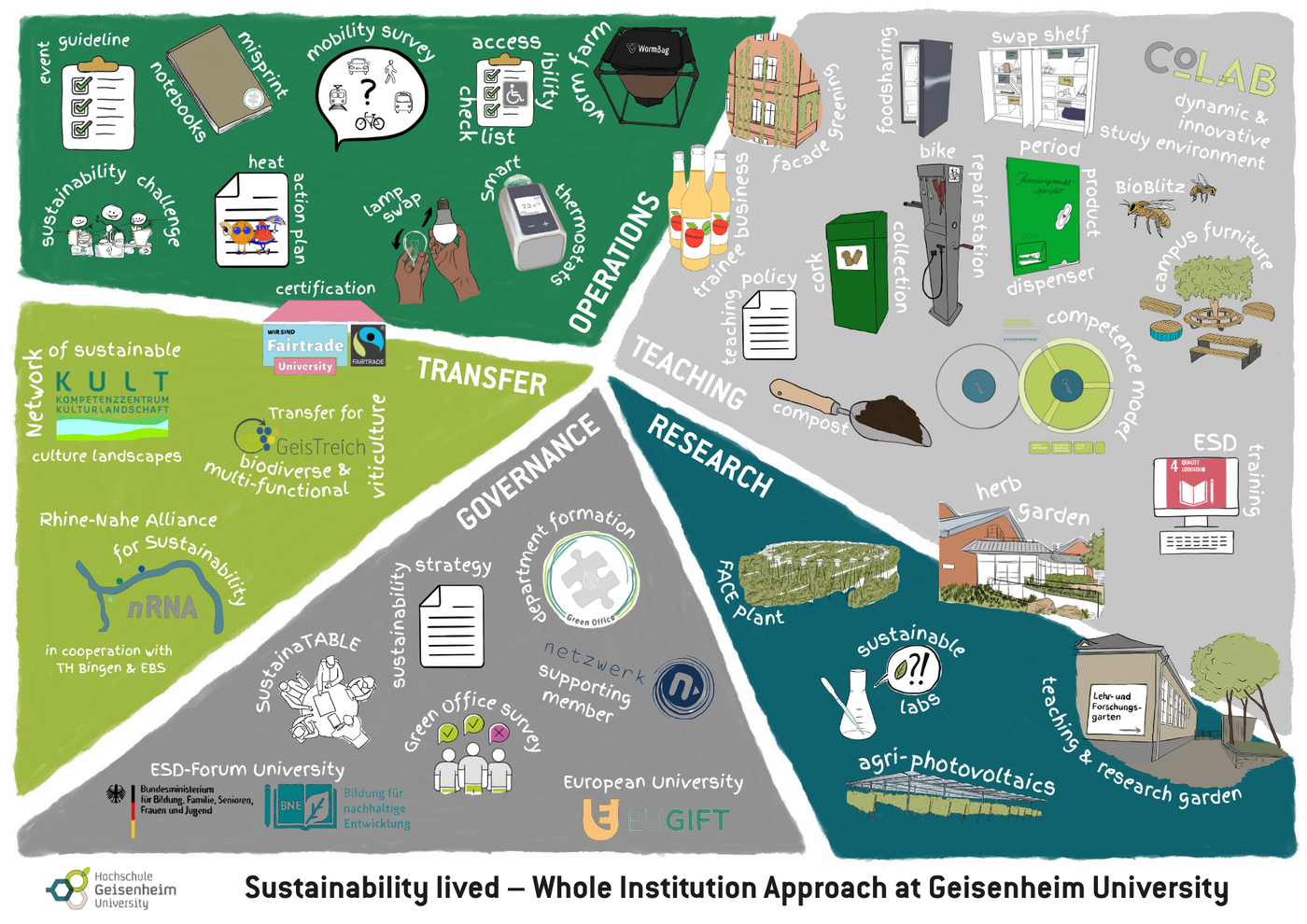
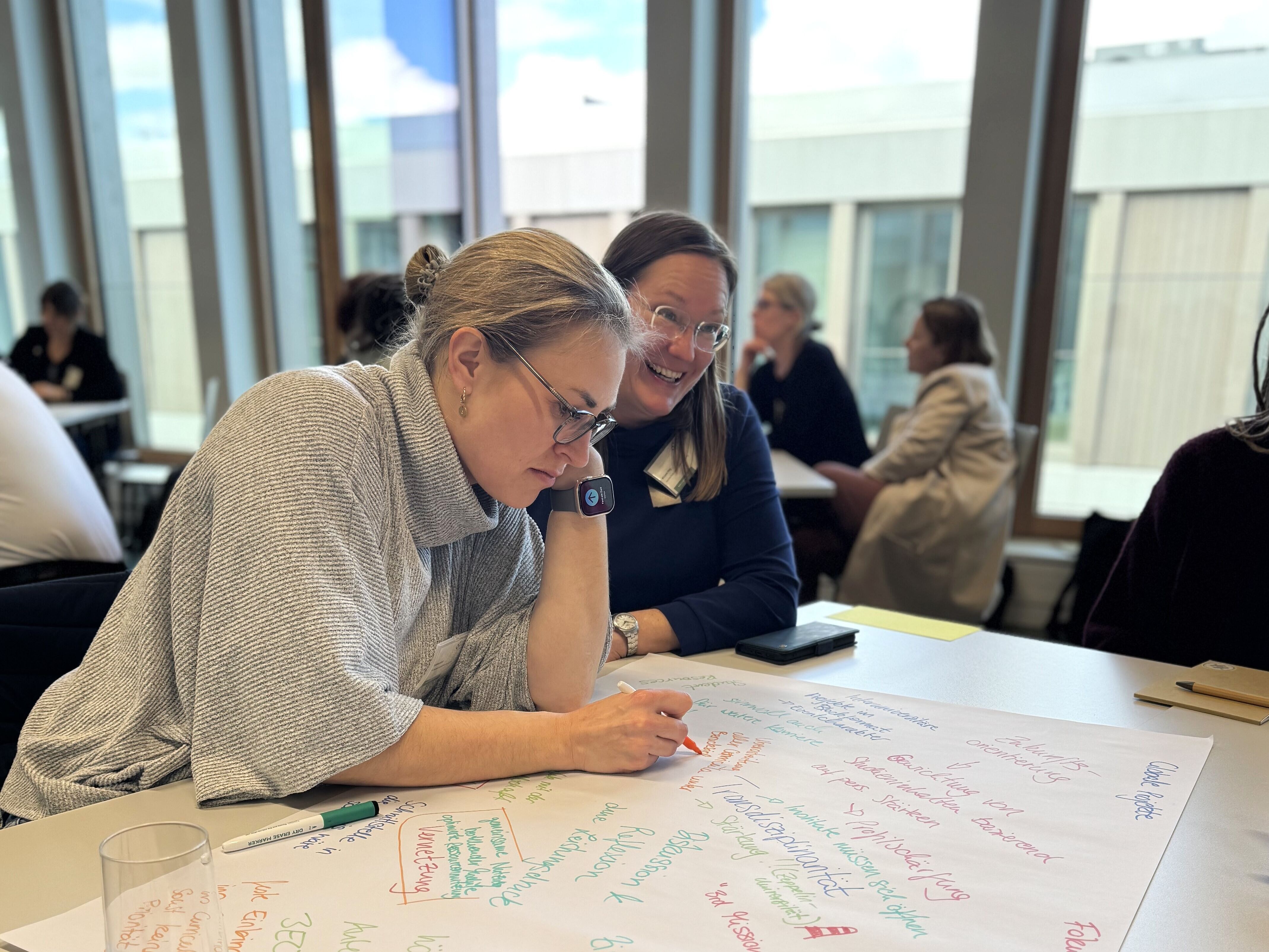
How is the ESD theory put into action at HGU? Our first sustainability report covers the period from 2023 to 2025 and can be summarized at a glance using this visual recording above. The graphic shows that all five areas of the Whole Institution Approach have been filled with specific actions, and it highlights how much the university has accomplished in recent years in terms of sustainable development.
In this context, it is important to us to emphasize our main mission: establishing sustainability as a high-level, guiding principle and integrate it into every aspect of daily university life. This means that sustainability is not just limited to the Department of Strategic University Development & Sustainability, but rather becomes a key factor in all university operations.
The report details all of our sustainability initiatives, however, we would like to briefly present a few highlights:
- Strategy & governance:
- 2023: sustainability framework established to help the University make sustainable decisions
- Department of Strategic University Development & Sustainability established
- EU GIFT Alliance: international cooperation related to sustainability
- Campus (operations):
- Expansion of PV system: 500–700 kWp on rooftops (to be completed by the end of 2026)
- Germany’s first agri-photovoltaics system above a vineyard: 99 kWp
- use of electric vehicles: 2,500 (2019) → 85,000 (2025)
- approx. ⅓ of business trips were electric, 45.7 t CO₂ avoided since 2019
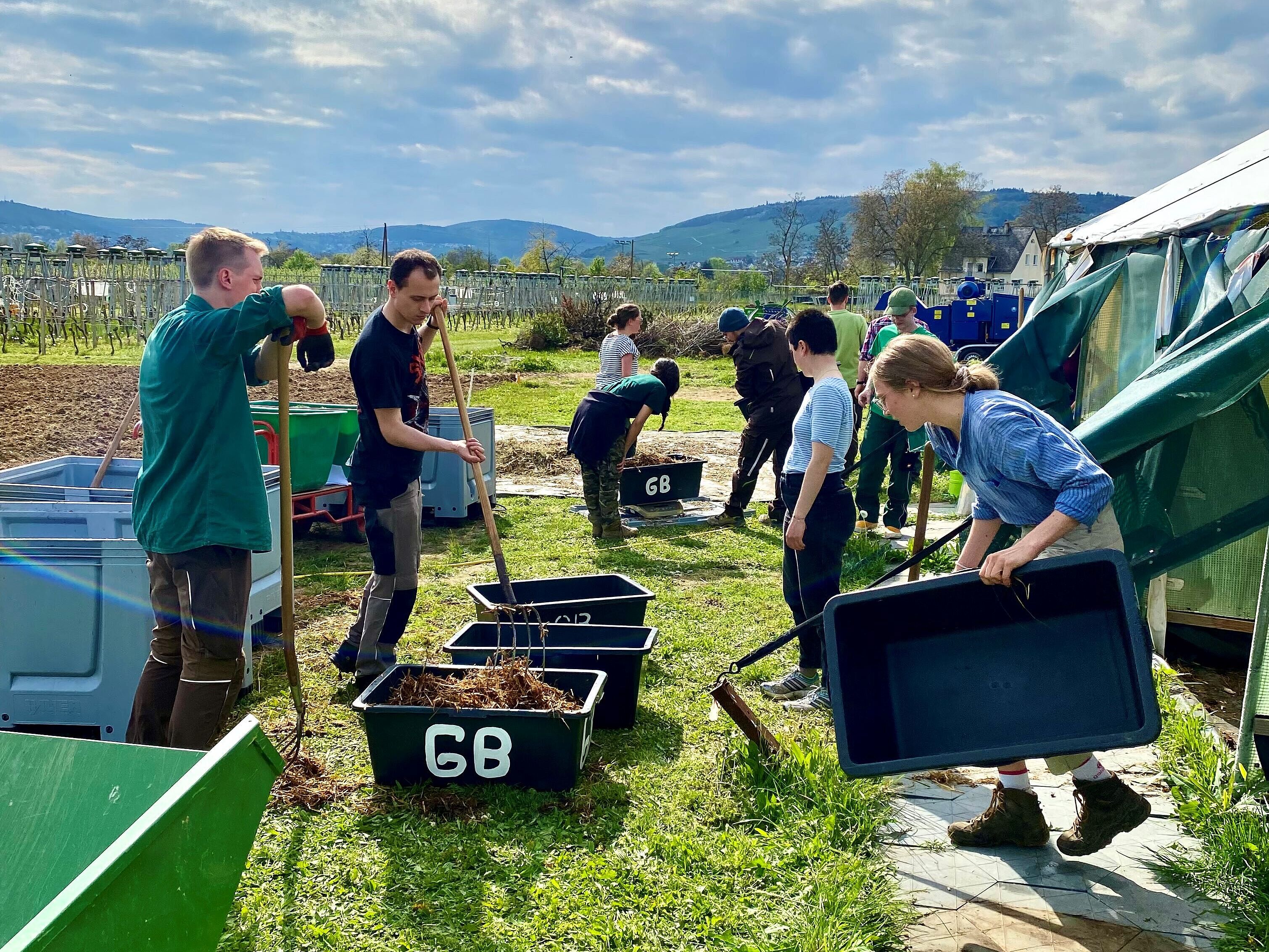
- biomass cycle: kitchen scraps → worm compost → compost
- 5,700 sheets of paper recycled → 570 notepads
- Academics:
- all bachelor’s degree programs integrate sustainability into their curricula
- percentage of sustainability modules: 15% (2019) → 25% (2025)
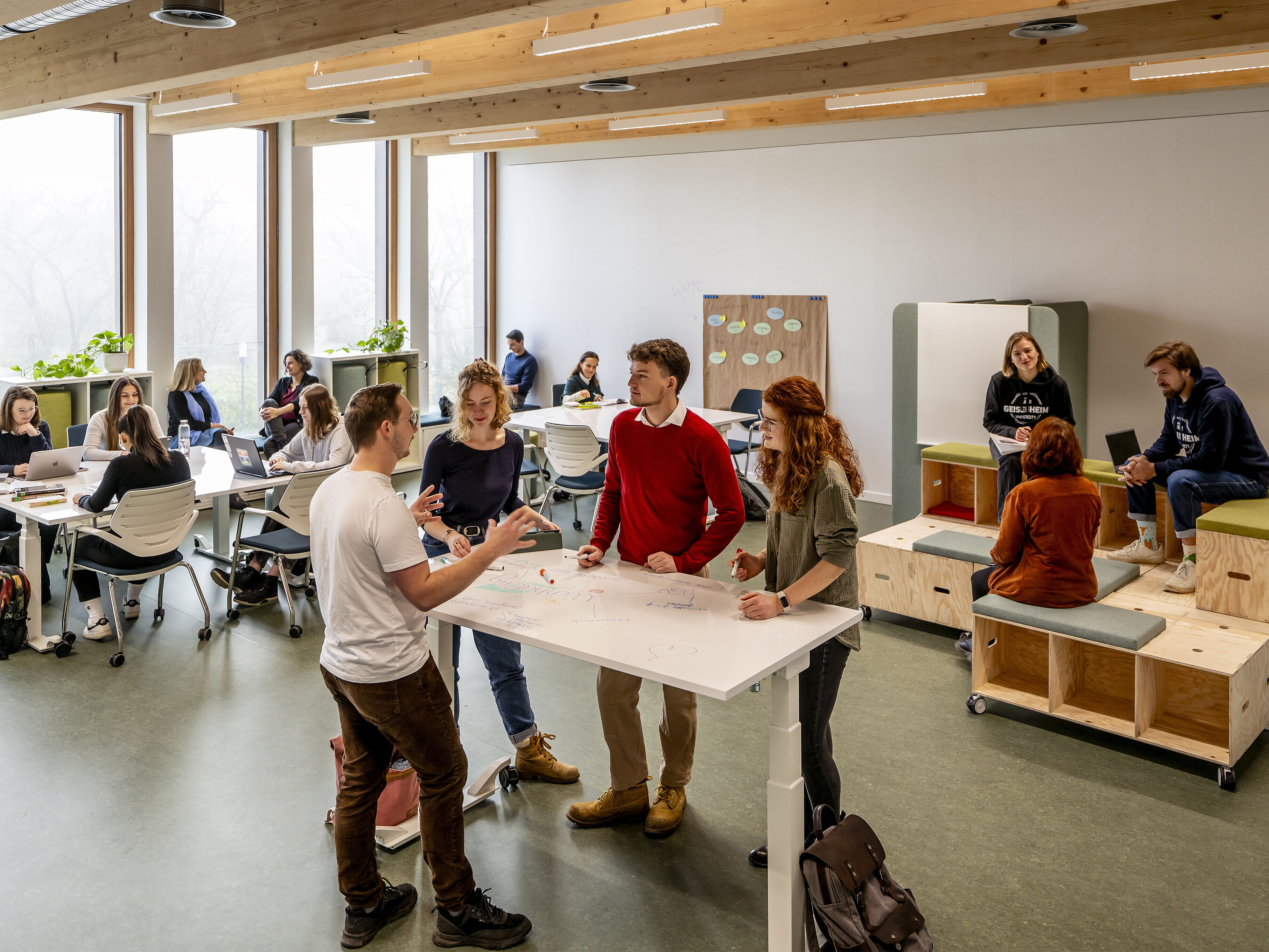
- CoLAB implemented as a prototype for competency-based learning spaces
- composting workshop
- Summer School on green roofs and green facades
- Research:
- SDG-related projects: 76% (2019) → 87% (2025)
- IAT: real-world laboratories for sustainable agricultural landscapes starting in 2026 (with ZALF, JLU, University of Kassel)
- Transfer:
- LOEWE Transfer professorship established (2024–2029)
- LOEWE (Landes-Offensive zur Entwicklung Wissenschaftlich-ökonomischer Exzellenz) – State Initiative for the Development of Scientific and Economic Excellence, a program by the Hessian government to promote cutting-edge research
- Rhine-Nahe Alliance for Sustainability established with TH Bingen & EBS
- GeisTreich: transfer format for sustainable viticulture (2023–2027)
- BUGA 2029: HGU as a partner with a real-world lab approach, BUGA pavilion in development
- Fairtrade: participation in the Rheingau-Taunus-Kreis steering committee, Fairtrade University since 2023, re-accredited in 2025
- LOEWE Transfer professorship established (2024–2029)
Another highlight is – of course – our Sustainability Report which represents another key component of our sustainability strategy.

Sustainability in practice
Find out more about projects, participation and the Green Office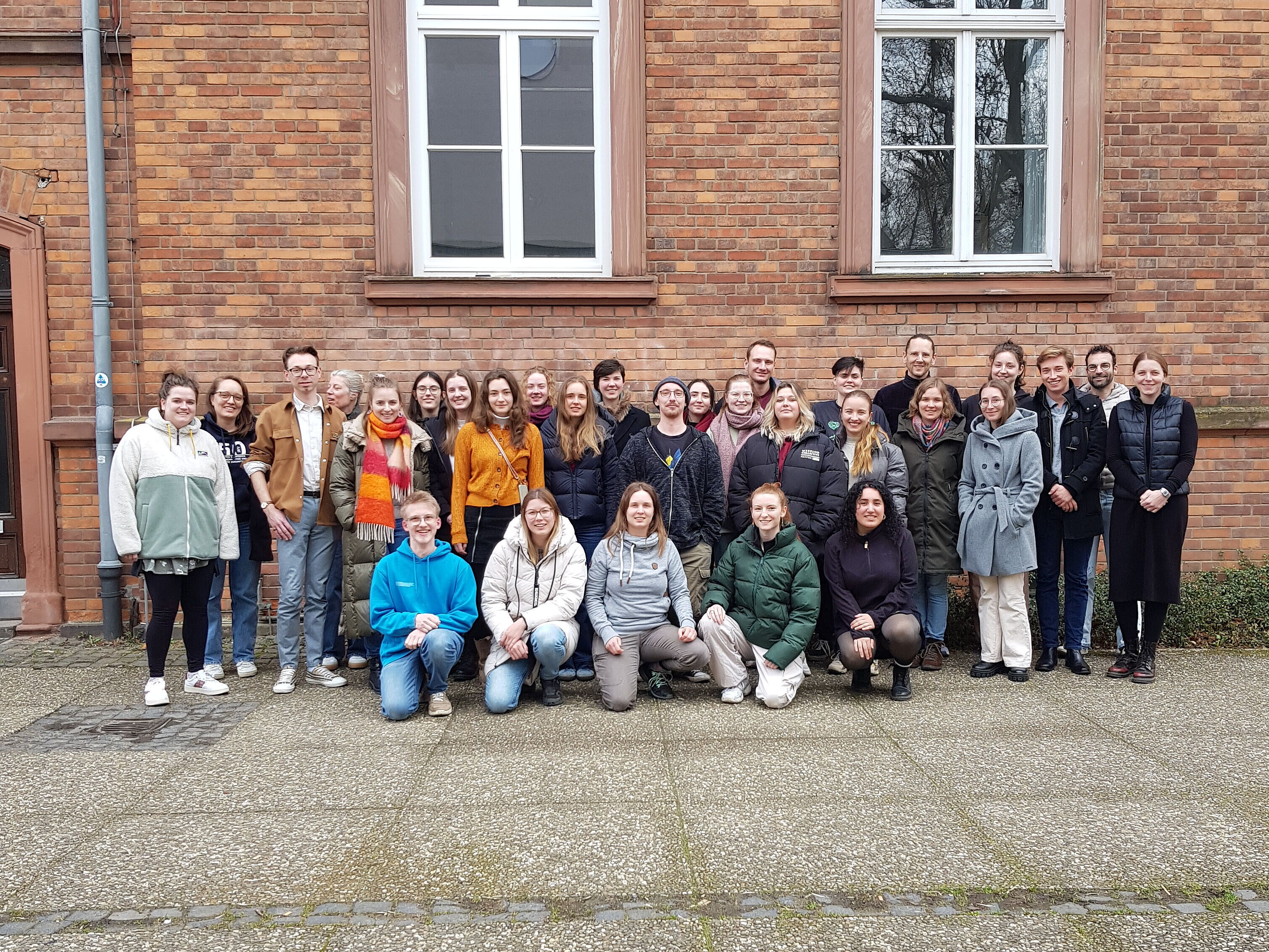





Going forward
This sustainability report isn’t the conclusion of our efforts – quite the contrary. We are proud of what we have achieved so far and are now ready to tackle the challenges that lie ahead. Thanks to this report, we can clearly identify what those challenges are and where we want to go from here.
Building on our work from 2023 to 2025, we aim to permanently integrate existing measures and projects into the university’s structure during the next reporting cycle. This means we intend to expand the initiatives we’ve launched across the five key areas: governance, operations, teaching, research, and transfer.
We will keep you updated on exactly how and what we are doing to achieve all of this – in the monthly AStA newsletter, on our websites, and, of course, in person!