
Research at Hochschule Geisenheim University

Creating Strategies for a Sustainable and Livable Future

Climate Change, Biodiversity Loss, Sustainability Targets – We're Meeting the Planet's Most Urgent Challenges

Our mission is to develop resource-efficient, innovative, and sustainable solutions in the area of agriculture and food. Our work spans a broad range of key issues: advancing organic, climate-resilient cultivation strategies for specialty crops, developing sustainable production and marketing methods, and designing livable cultural landscapes and urban regions. By uniting ecology, profitability, and a focus on quality of life, we aim to create a sustainable future in which society and nature can flourish together.

Our Focus Areas

Sustainable Cultivation Systems for Specialty Crops

Cultivating grapevines, fruit, vegetables, and ornamentals is particularly resource intensive – as such, a careful balance between producing the highest quality products possible and ensuring sustainable practices needs to be struck.

Through our research, we are developing innovative, ecofriendly strategies that ensure healthy harvests and preserve resources. We breed varieties and growth forms that are optimally adapted to climate change, environmental factors, and potential pests and pathogens. Modern sensor systems help control water and nutrient supply with pinpoint accuracy, alternative plant protection strategies – such as the use of antagonists – strengthen plants and their environments, and new digital techniques make precise management measures possible. Together with our partners, we are establishing diverse cultivation strategies that promote biodiversity and preserve ecosystem functions, creating an economically and ecologically sustainable future for viticulture and horticulture.

Innovative and Safe Processing and Marketing for Plant Products

Sustainability in food production spans the entire journey, from cultivation and processing to the moment the product reaches the customer. At every stage, product quality and safety needs to be guaranteed. The bioeconomy plays a key role in this context, enabling the more efficient use of resources, processes, and systems, while supporting the livelihood of the businesses that produce them. 

Through our research, we develop energy and resource-efficient methodologies for processing plant products and extracting valuable ingredients from crops and by-products. We examine microorganisms as natural protective cultures, evaluate the health effects of plant-based ingredients, and conduct sensory tests with our university panel. Market research, consumer behavior analyses, and industry data deliver essential insights for sustainable marketing strategies, particularly in the wine industry. We also analyze the logistical processes, from packing to distribution, and boost the efficiency and sustainability of the entire value chain with the help of modern, digital technologies.

Livable Cultural Landscapes and Urban Regions

Intensified land use has reduced valuable landscape features and biodiversity in many areas. Urban regions are also under pressure to maintain quality of life through green infrastructure such as parks and green belts.

Through our research, we develop methods to optimize and assess urban open spaces and enhance their social sustainability. We create techniques for greening sites with limited soil and for using plants in urban areas in a targeted manner, particularly in the context of climate change. For viticultural landscapes, we design strategies to adapt to climate change and preserve rare species. Additionally, we develop concepts for multifunctional, ecologically valuable, and attractive landscapes that enable new, sustainable production scenarios.

Questions about Our Research?

Please get in touch!

Christiane Jost
Dr. Christiane Jost
Building 5924
Room 01.01
Phone +49 6722 502 6334
Christiane.Jost(at)hs-gm.de Details

News & Latest Projects

Living Classroom: Hochschule Geisenheim University Opens new Research Trail

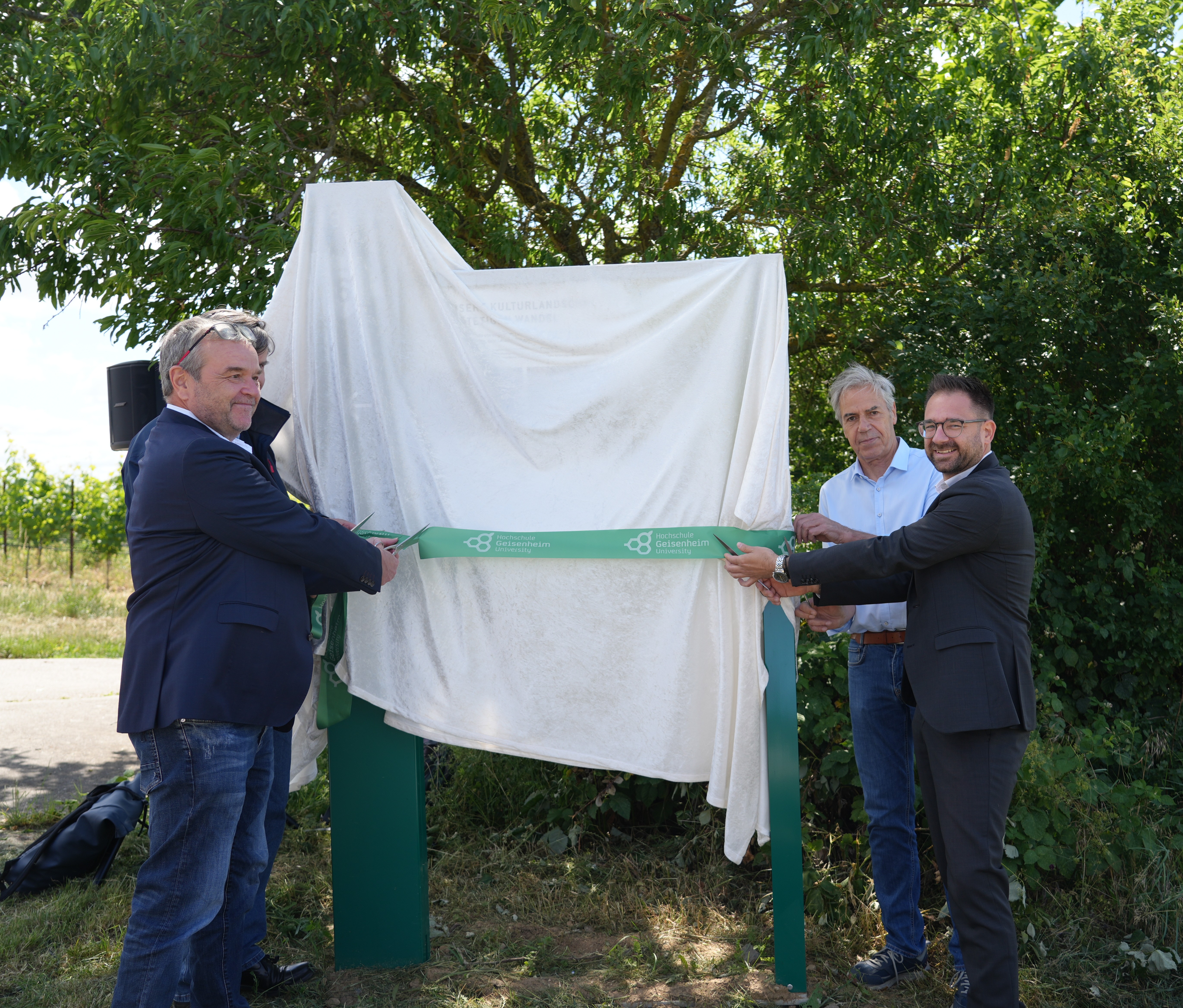
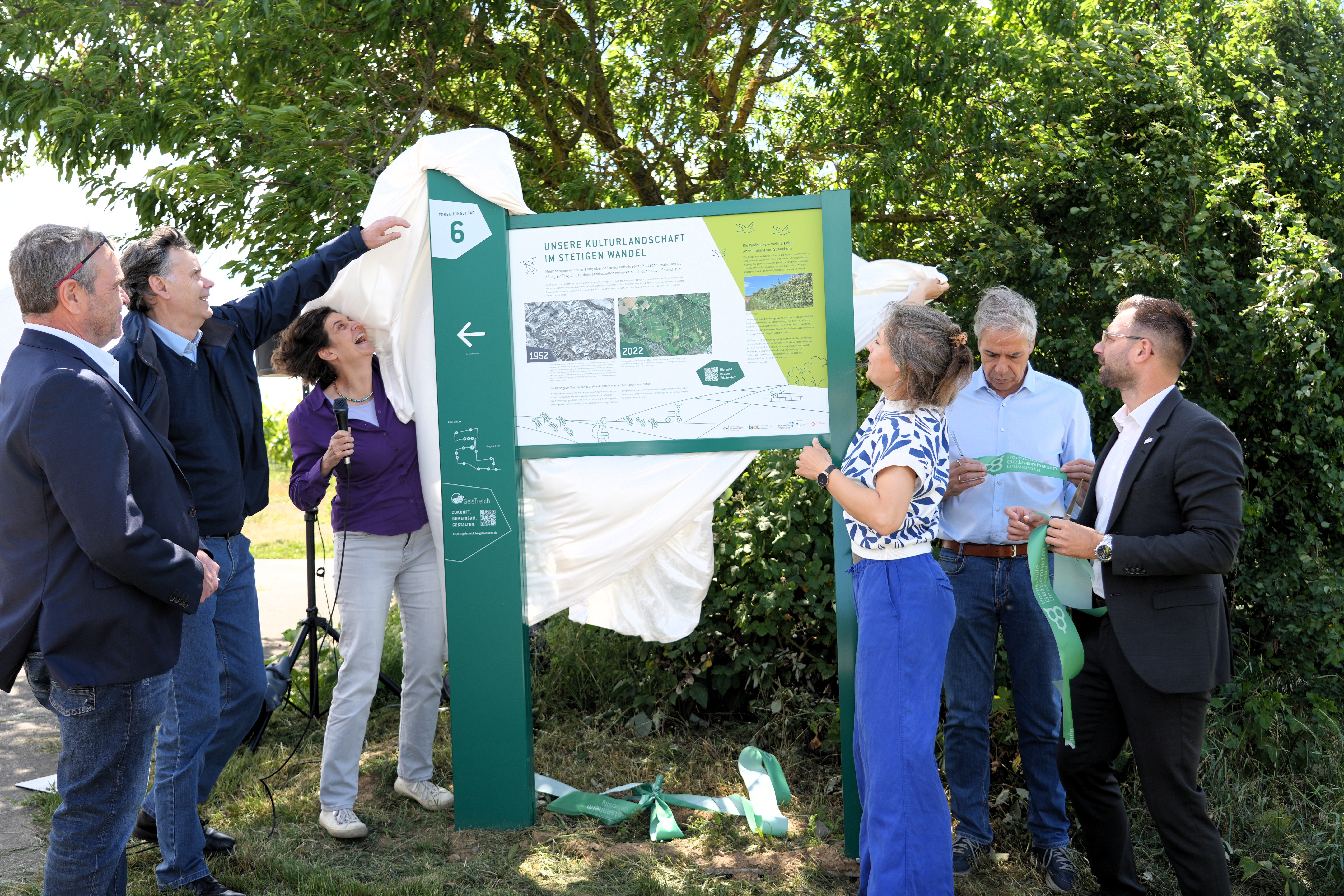
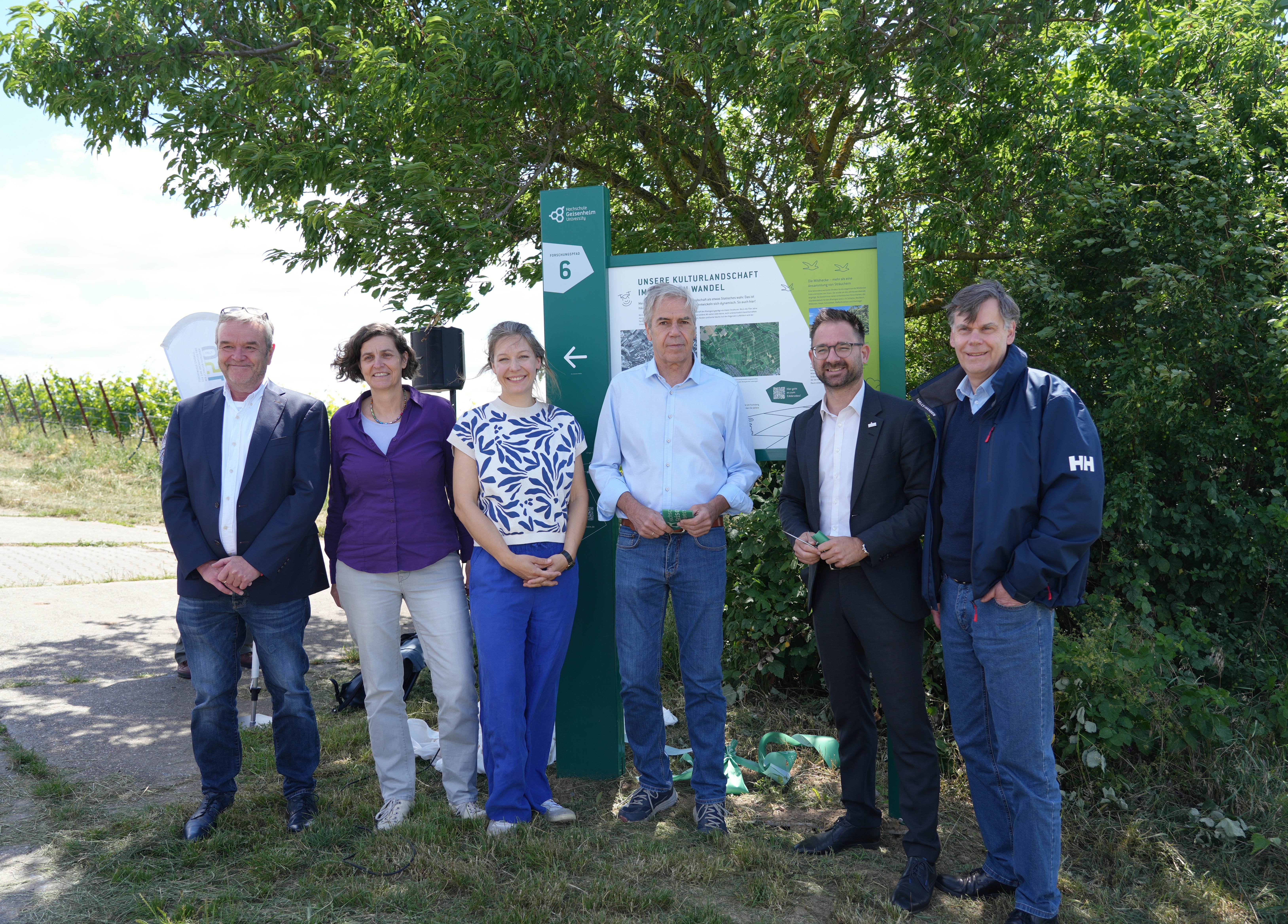
From left to right: Magnus Milde, Prof. Dr. Ilona Leyer, Dr. Verena Rossow, Prof. Dr. Hans Reiner Schultz, Christian Aßmann and Prof. Dr. Karl H. Mühling. Photo: Tina Kissinger

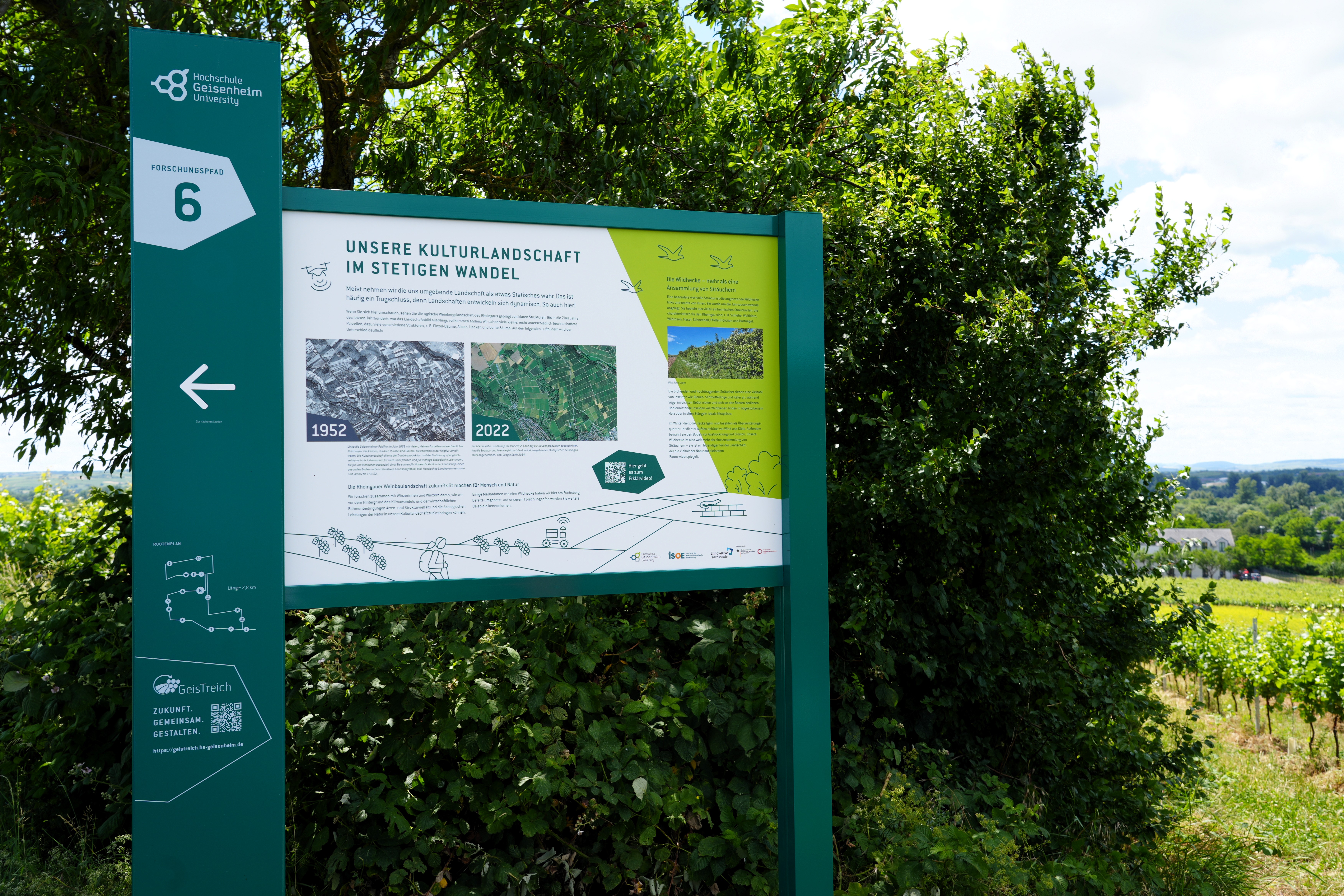
Experience research first-hand! Hochschule Geisenheim University has opened its new research trail above the campus. Designed for both experts and the interested public, the 2.8-kilometer trail highlights ongoing research in sustainable viticulture, biodiversity, water management, and climate-adapted cultural landscapes.

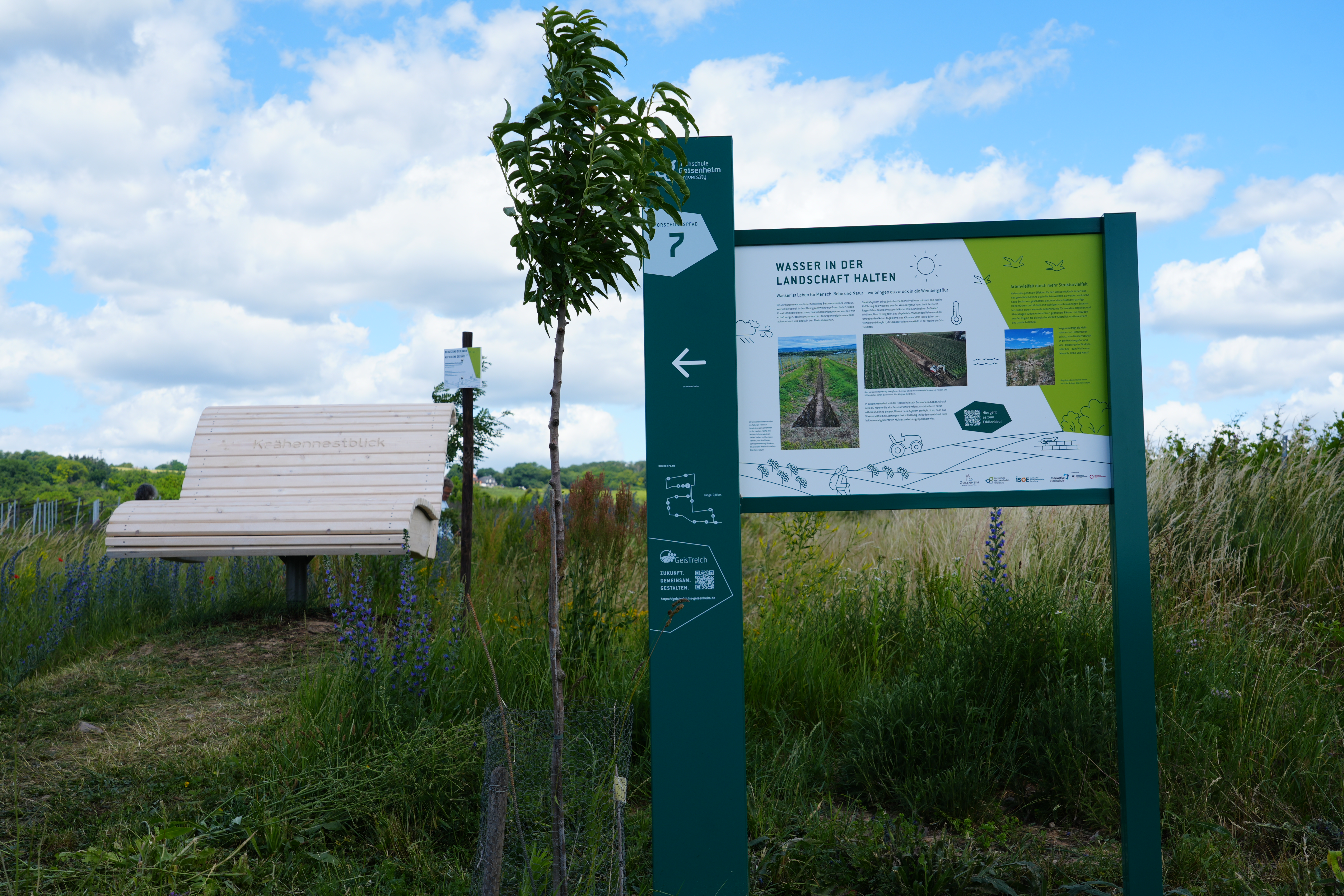
The trail features 12 info stations, showcasing the university’s efforts to find solutions for the future of viticulture. Topics addressed include strategies for water retention, enhancing biodiversity in the vineyard, and the role of agri-photovoltaics, grapevine breeding or historic forms of viticulture in climate-proof landscapes. Information boards, steles, and short videos (accessible via QR code) illustrate the research projects.

Now open to the public, this freely accessible trail is designed for students, winemakers, industry experts, and all those interested in the university’s diverse research initiatives. The university will also organize guided tours, for example as part of the Science Night on September 25, 2026. 

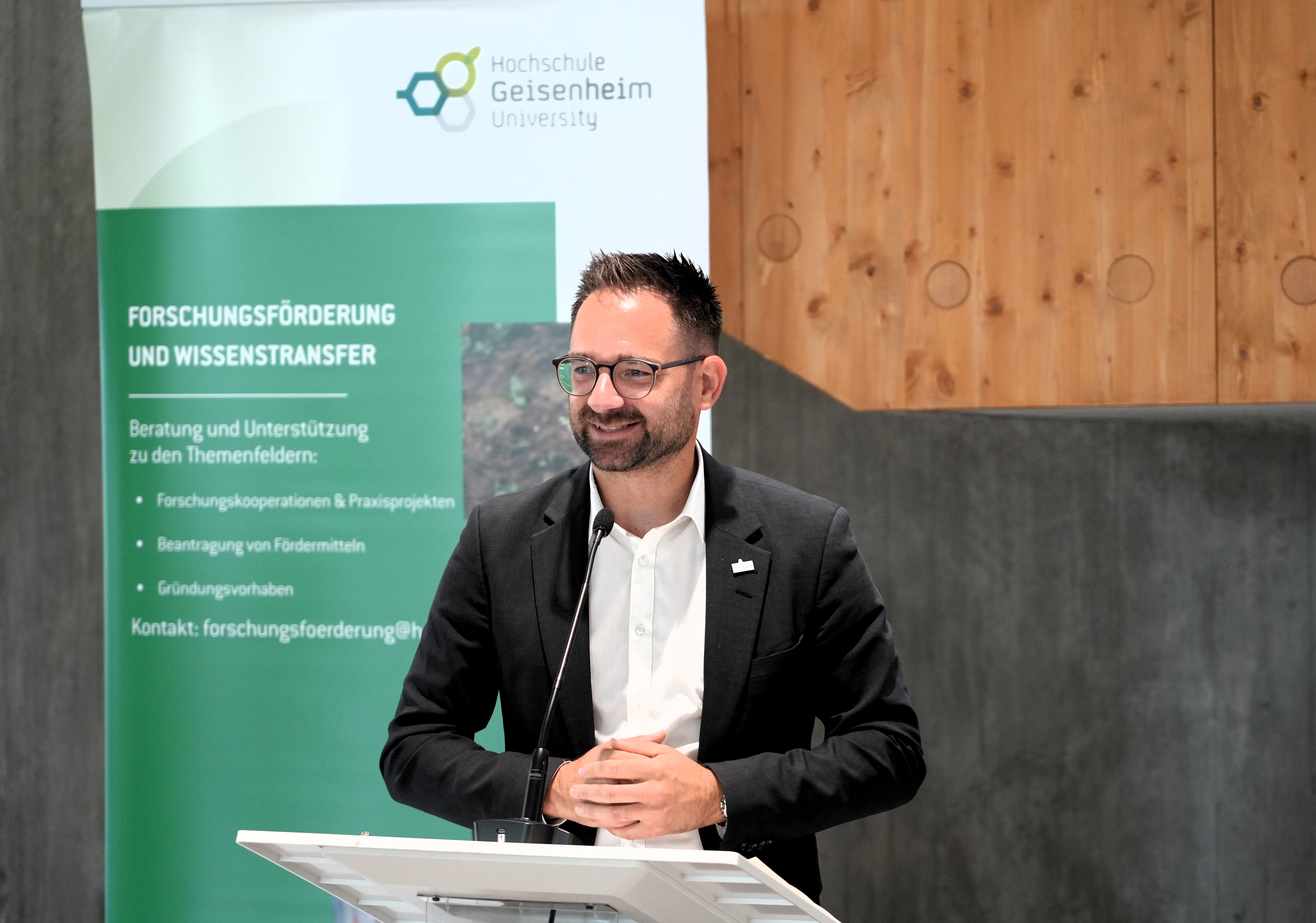
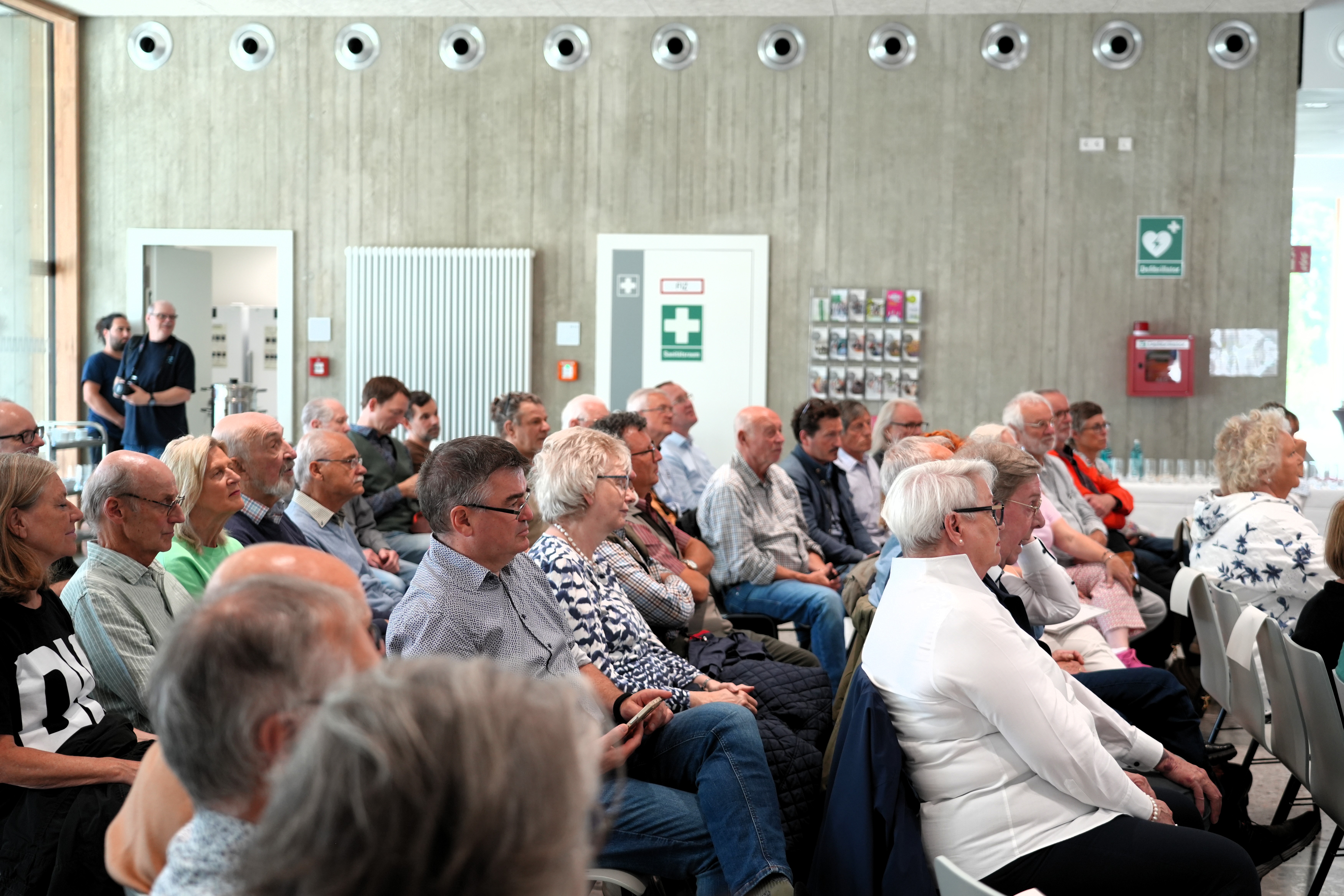
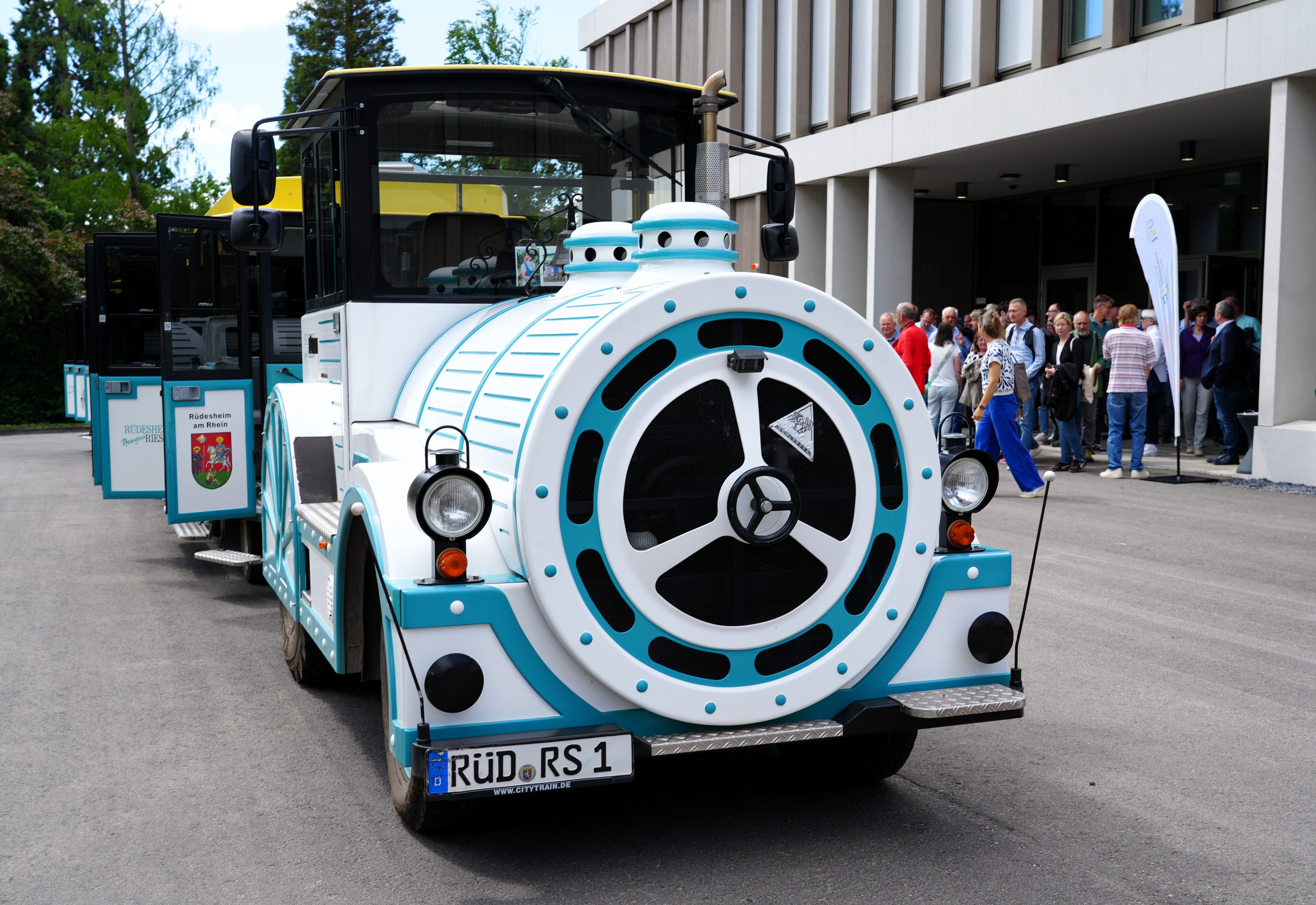
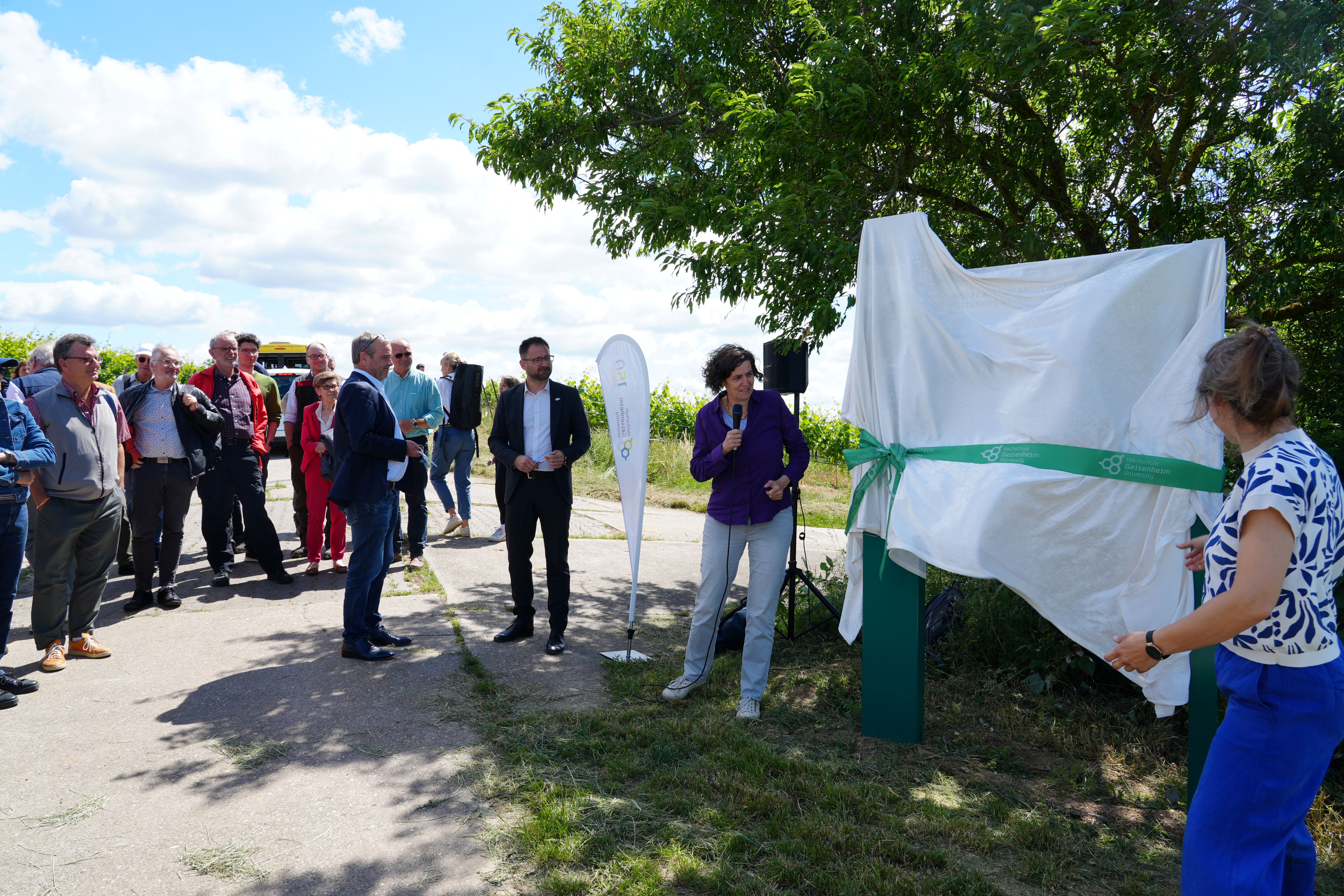
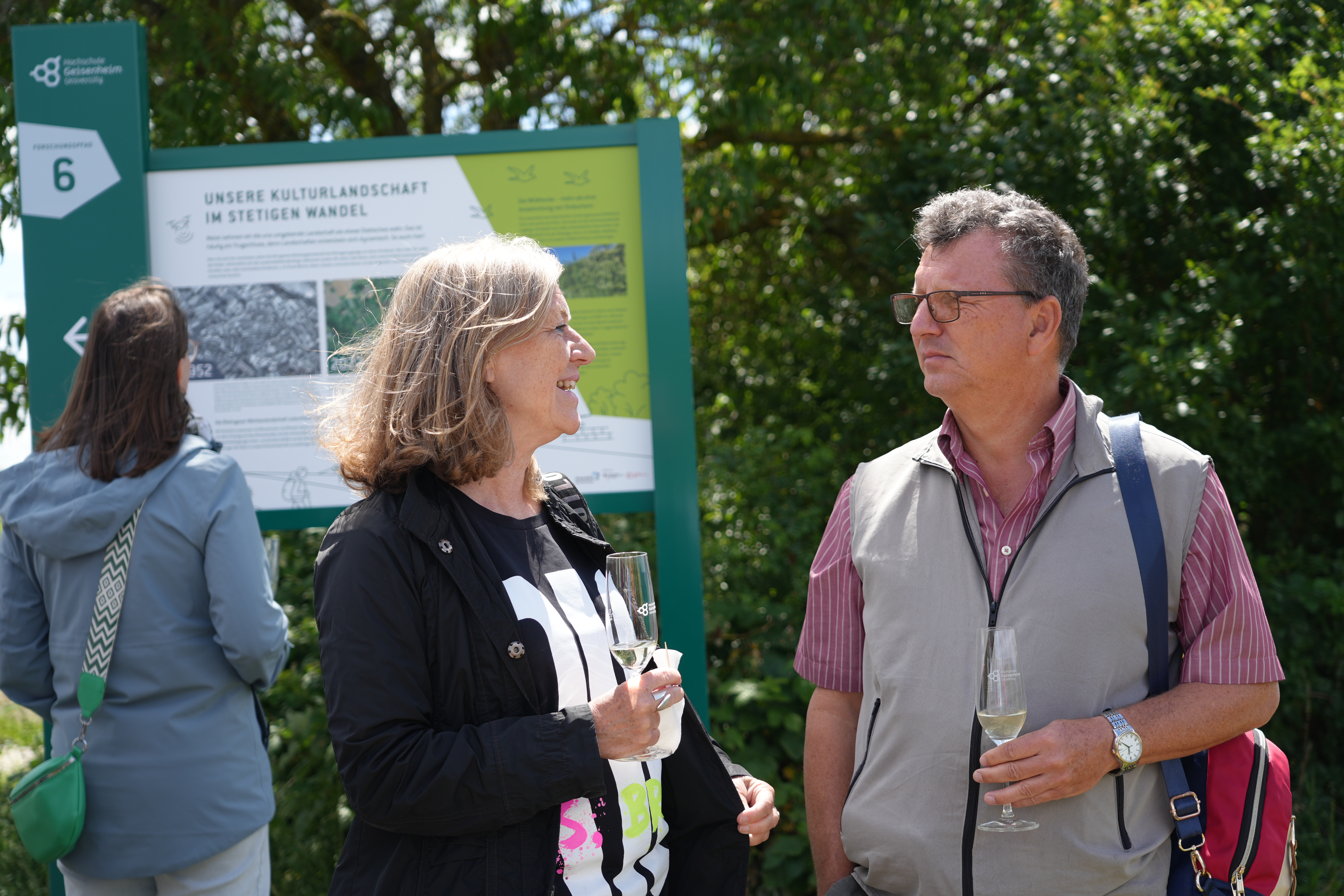
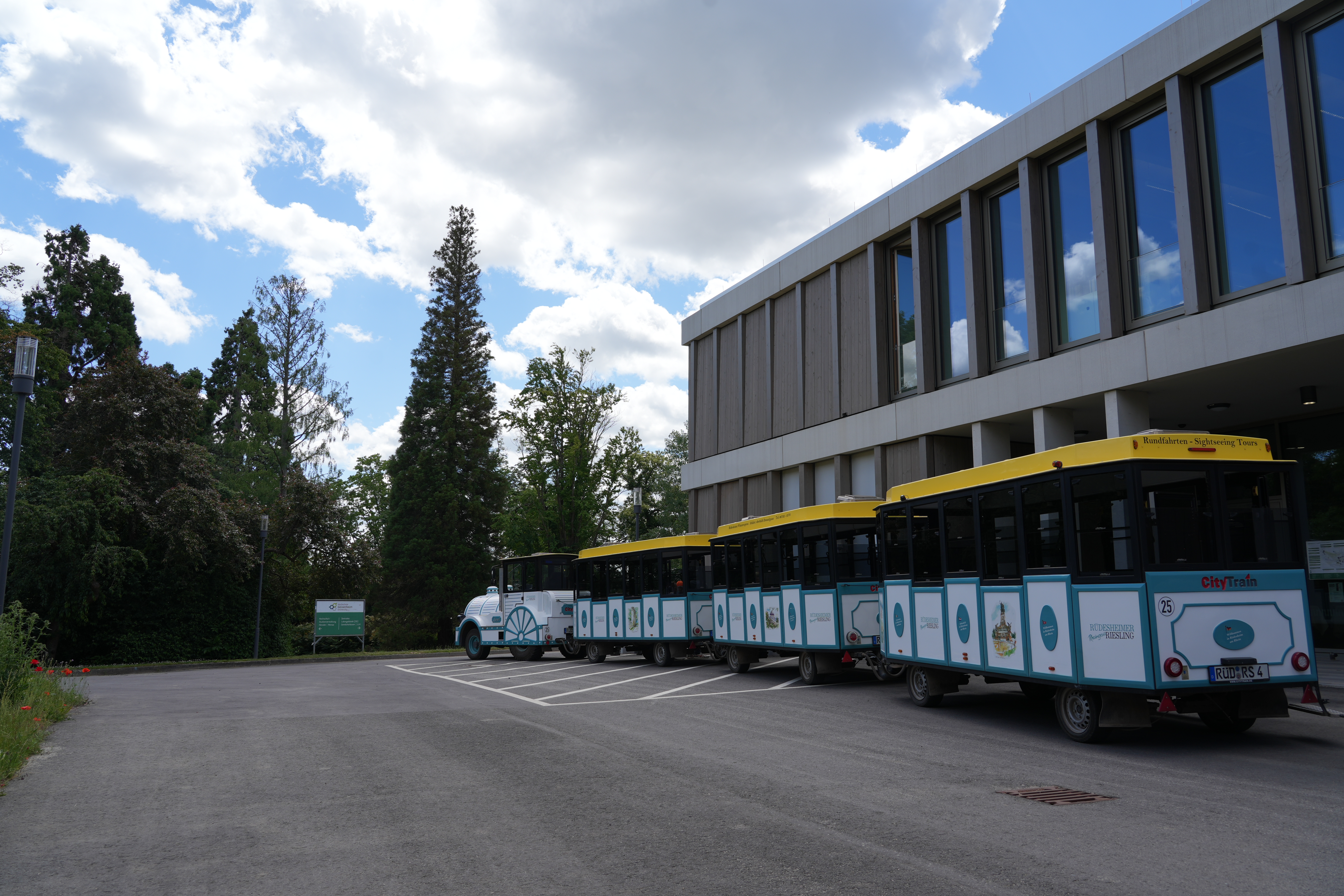
For the trail’s official opening, Hochschule Geisenheim University welcomed numerous guests from academia and politics, as well as representatives from the local wine and tourism industry. After some personal greetings from Magnus Milde from the Federal Ministry of Research, Technology and Space, and Geisenheim’s mayor Christian Aßmann, the group boarded the “Winzerexpress” mini-train which took them to the start of the trail. With the unveiling of an information panel, the trail was officially inaugurated.

Research in Collaboration with the Region

“The new research trail is an important part of our knowledge transfer strategy”, said Prof. Dr. Annette Reineke, Vice-President of Research at Hochschule Geisenheim University. “As a university, our mission is not only to conduct world-class research, but also to share our findings with society, the professional world, and the region. The research trail illustrates how we approach key questions for the future – from sustainable land use and climate adaption to protecting biodiversity – and makes the results available to the public.” 

The research trail was created as part of the GeisTreich program for knowledge transfer, jointly run by Hochschule Geisenheim University and the Institute for Social-Ecological Research (ISOE). The program is committed to promoting collaboration between researchers, regional stakeholders and the local community regarding the future of viticulture and the cultural landscape in the Rheingau. GeisTreich stands for “Geisenheim Knowledge Transfer Program for Biodiverse and Multifunctional Viticulture” and is co-funded by the German Ministry of Research, Technology and Space and the “Innovative University” initiative by the German Federal Government and the Federal States.

Prof. Dr. Ilona Leyer, scientific head of the project, emphasized the importance of the new trail for the professional world: “The stations showcase practical solutions to the challenges facing viticulture and cultural landscapes, such as making vineyards more resilient to climate change. Research findings shouldn’t just be published in professional journals or shared at conferences, they must provide answers exactly where they are needed: in the vineyards, in collaboration with the stakeholders and across the region.”

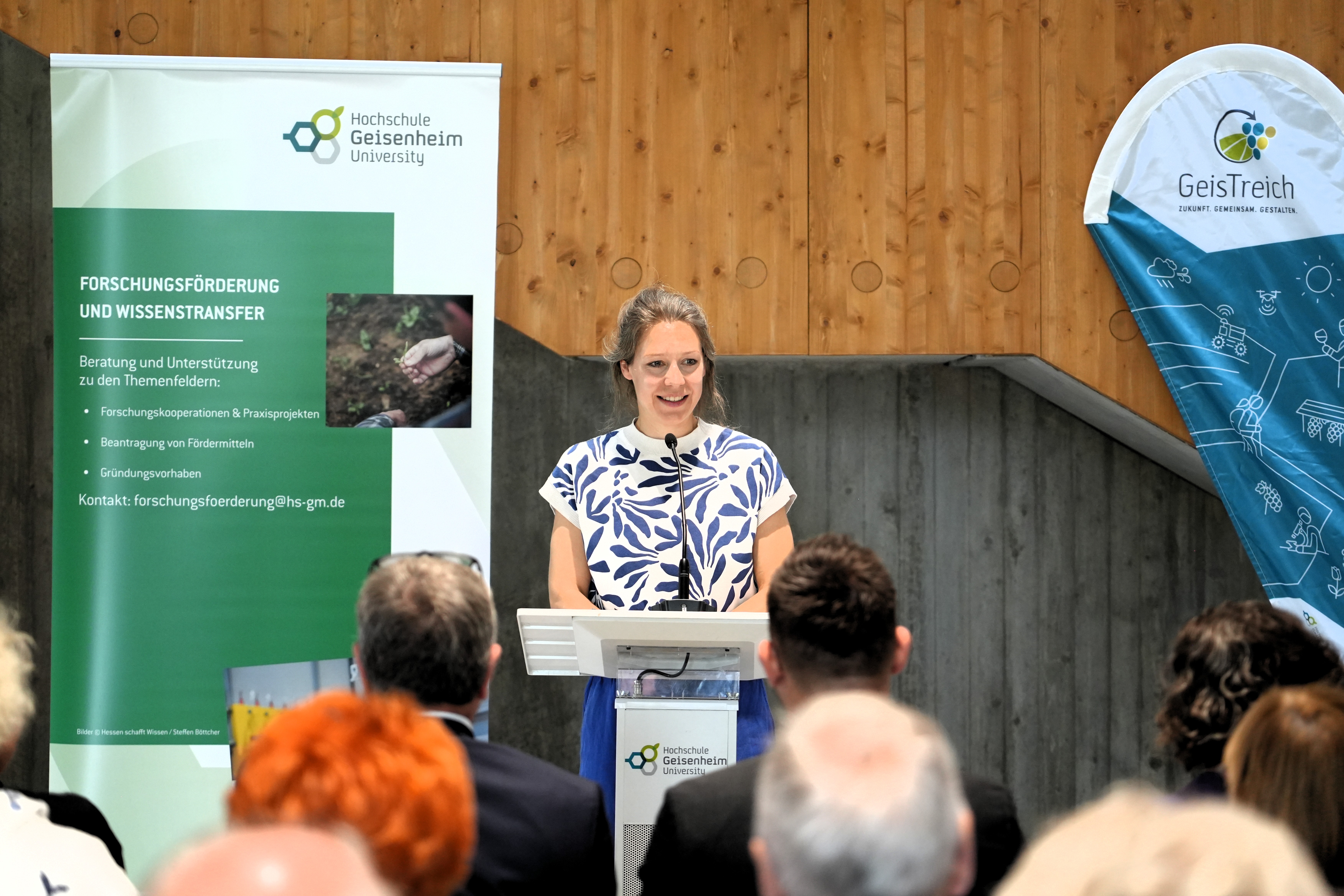
Dr. Verena Rossow, project leader at ISOE and responsible for knowledge transfer, highlighted the role of the new trail for an enhanced collaboration between research and society. “The research trail makes research tangible and offers digestible insights into even complex topics. It actively fosters an informed regional dialogue on current developments in viticulture and the collaborative shaping of a sustainable cultural landscape.”

Part of a Comprehensive Transfer Program

Der Forschungspfad ergänzt weitere Transferformate des Programms GeisTreich. Dazu zählen die digitale „Plattform des Wissens“ auf der GeisTreich-Website, der Animationsfilm „Landschaft ist veränderbar“ zu Zukunftsbildern der Kulturlandschaft sowie Bildungsformate für Studierende und Schülerinnen und Schüler. Hinzu kommt das HGU-Forschungsmobil als mobiler Lern- und Ausstellungsraum, das ab 2027 Forschung direkt in die Region bringen und den Dialog mit unterschiedlichen Zielgruppen weiter ausbauen soll. The research trail complements other knowledge transfer initiatives of the GeisTreich program, such as the “Platform for Knowledge” on the GeisTreich website, the animated video “Landscape is Always Evolving”, which visualizes possible future developments for the landscape, as well as educational formats for students. Another standout project is the HGU “Research Van“ – a mobile study and exhibition format scheduled for 2027 – which will make research even more tangible and aim to foster dialogue with different target groups. 

More Information

For more information on the research trail, the individual stations and the explanatory videos, please go to: geistreich.hs-geisenheim.de/geistreich-interaktiv/der-forschungspfad or watch the university’s YouTube channel www.youtube.com/@campusgeisenheim.
Categories: MyHGU-App, Mein-Netzwerk, Veranstaltungen, Presse und Kommunikation, FORSCHUNG, Rebenzüchtung, Phytomedizin, Landschaftsplanung und Naturschutz, Angewandte Ökologie, Allgemeiner und ökologischer Weinbau, Nachrichten

Images

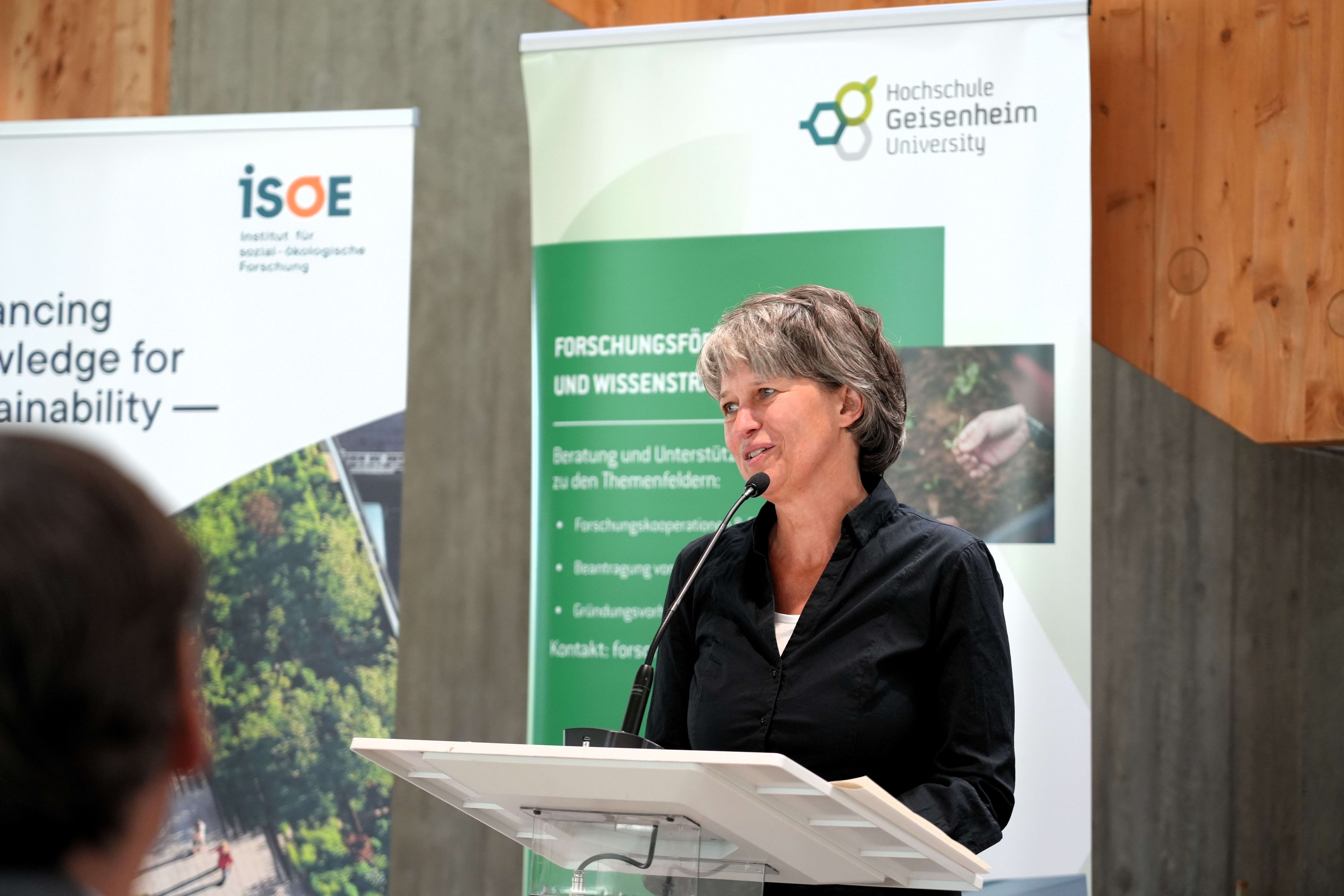
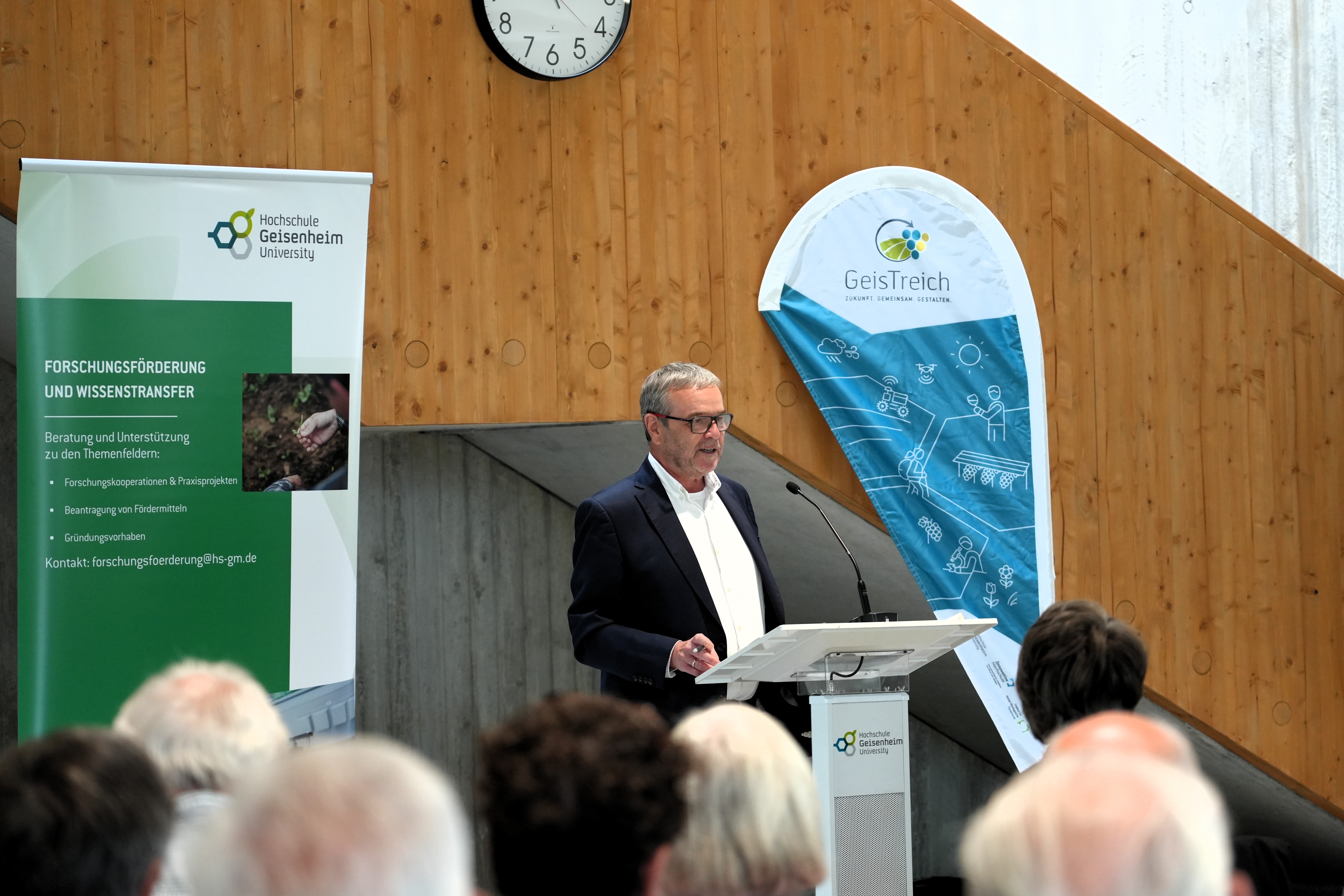
Prof. Dr. Annette Reineke, Vice-President of Research, welcomes the guests. Photo: Tina Kissinger
Magnus Milde from the Federal Ministry of Research, Technology and Space. Photo: Tina Kissinger
Christian Aßmann, Mayor of Geisenheim. Photo: Tina Kissinger
Dr. Verena Rossow, Head of the GeisTreich Project. Photo: Tina Kissinger
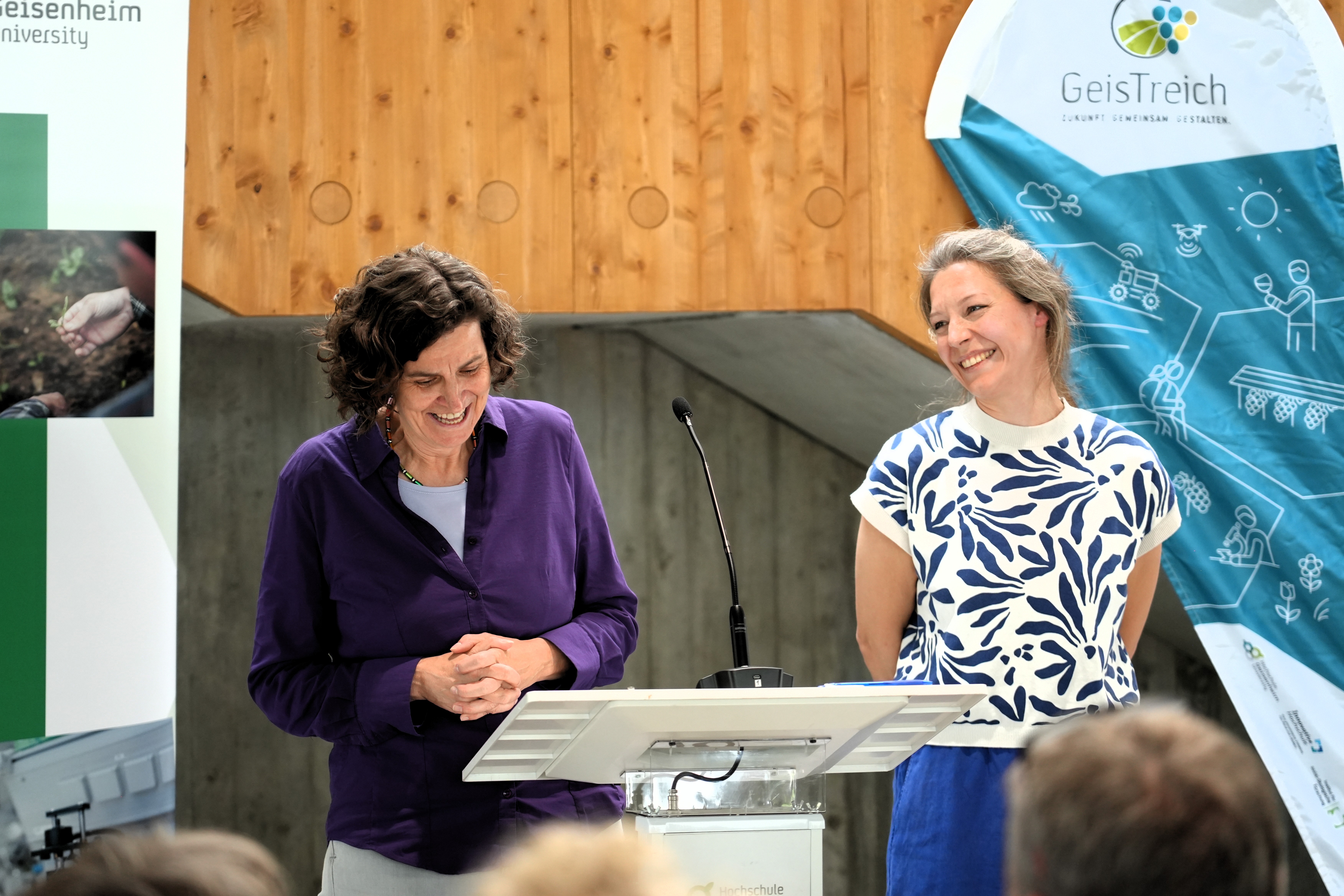
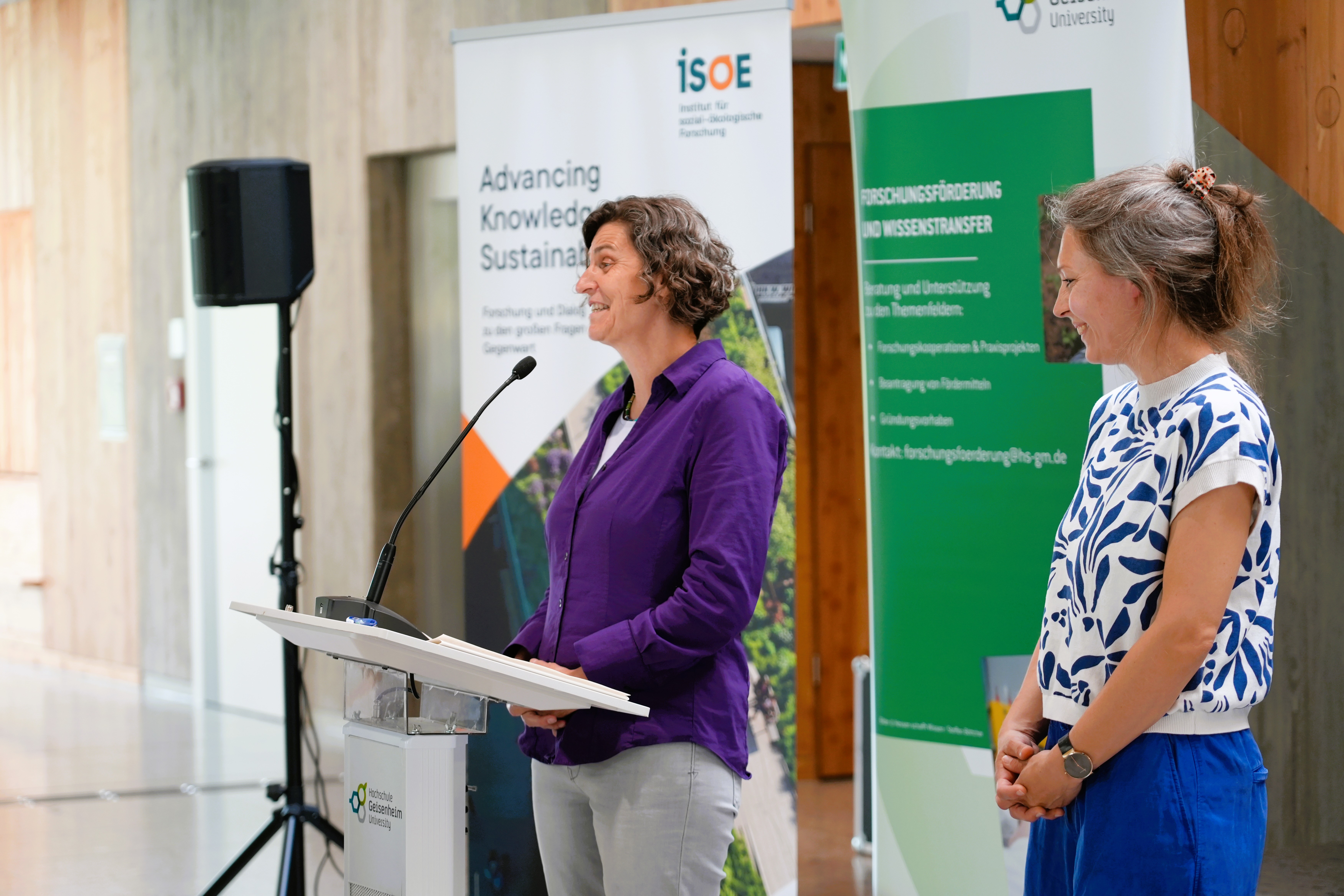
Prof. Dr. Ilona Leyer and Dr. Verena Rossow. Photo: Tina Kissinger
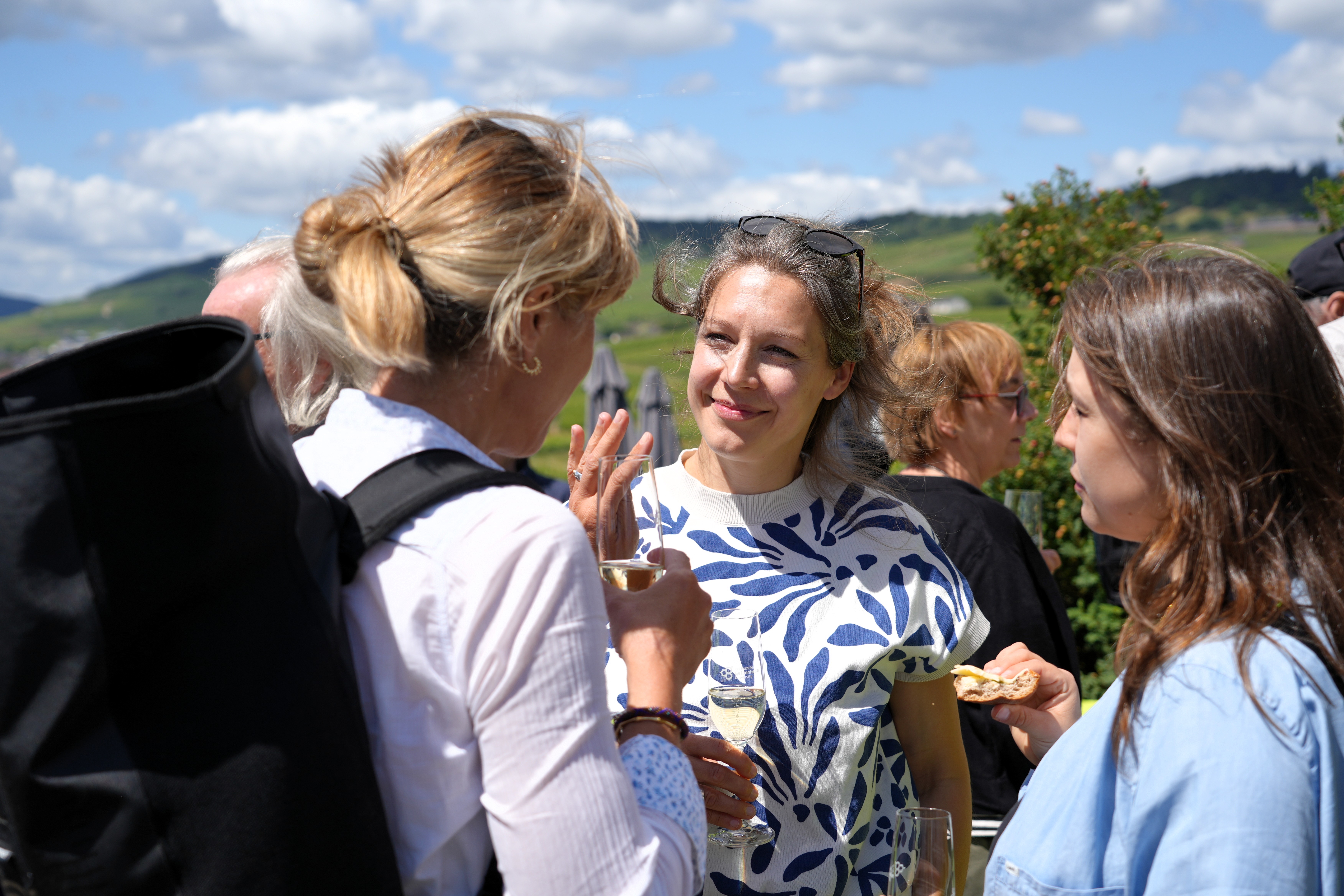
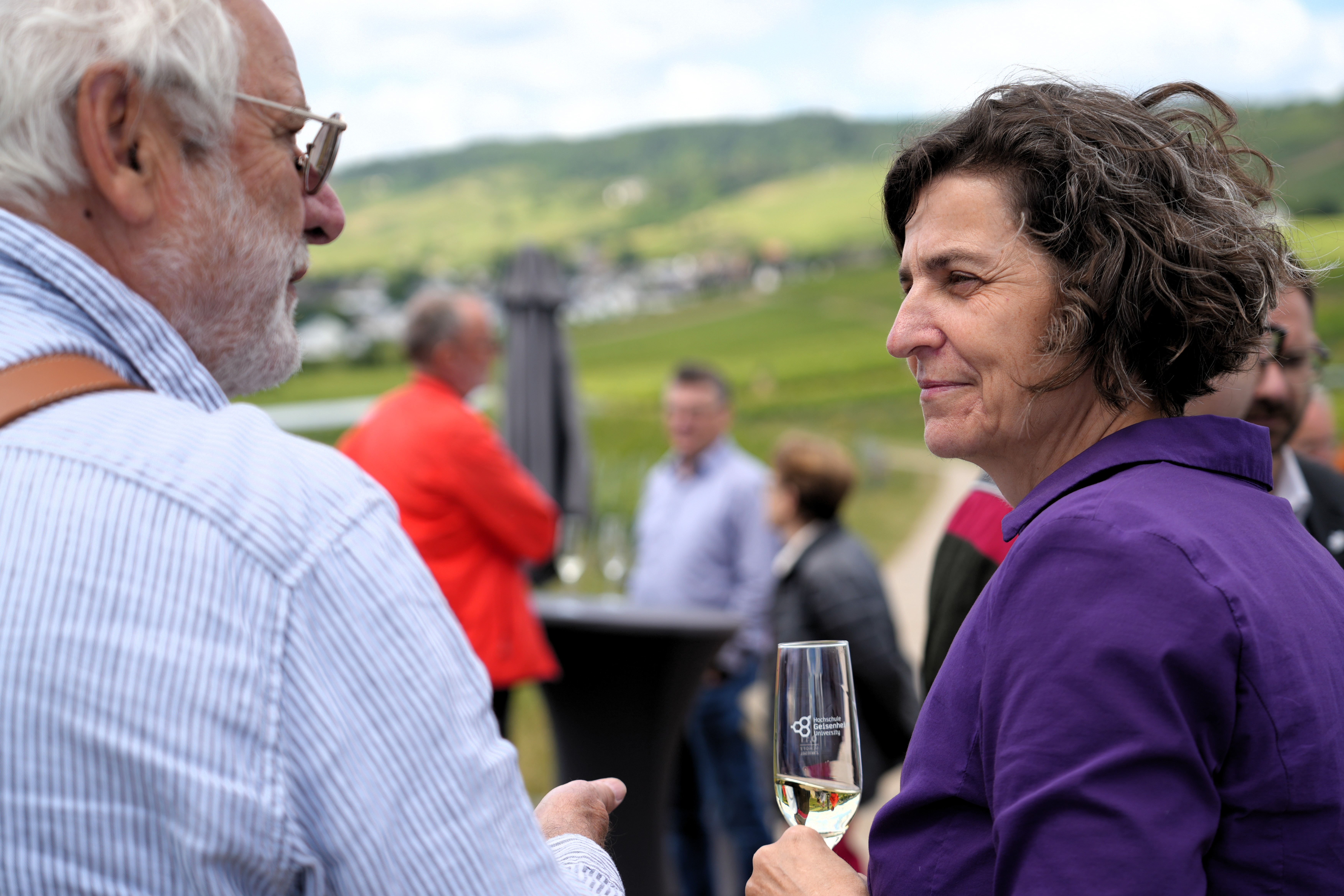
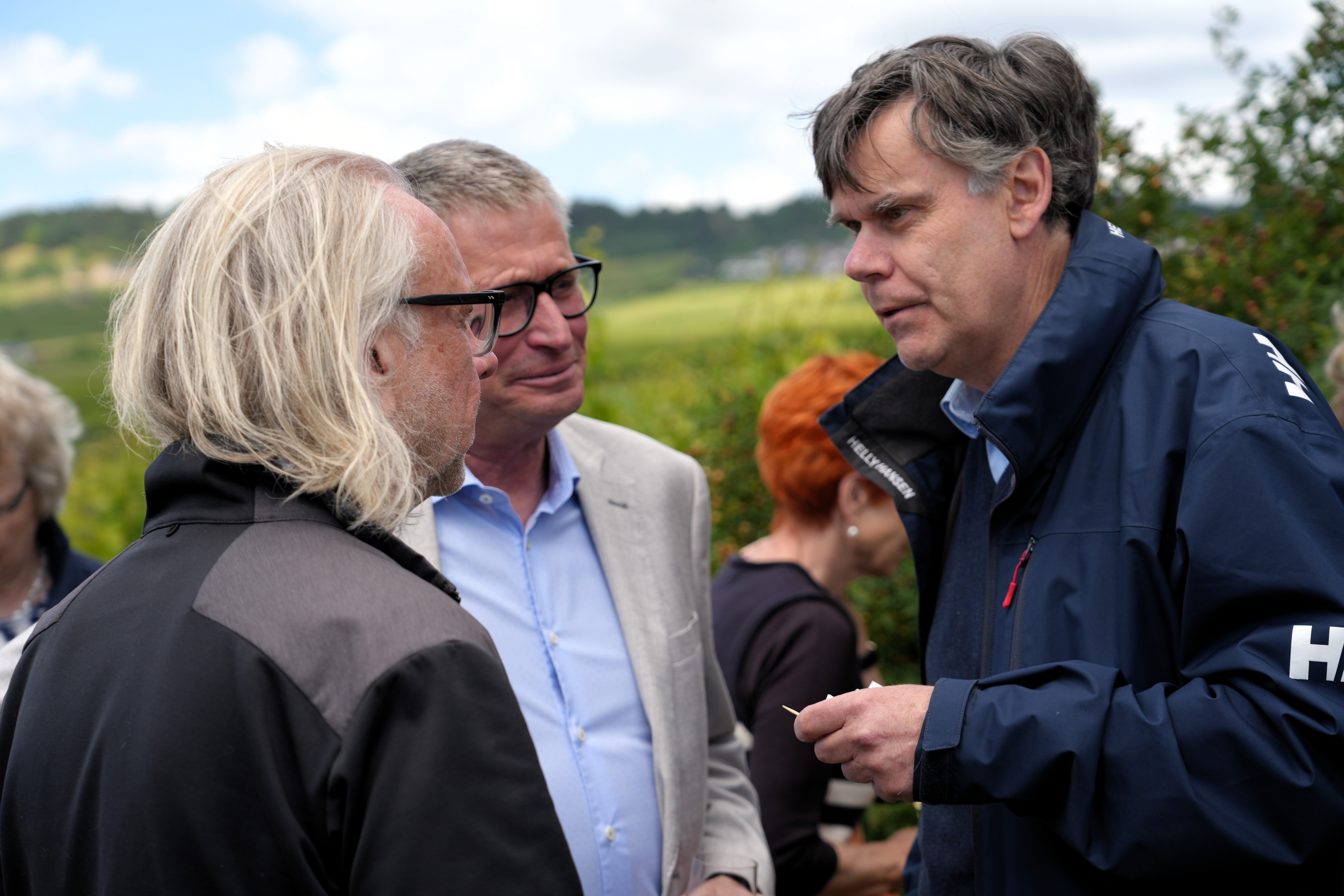
Numerous guests gathered in the foyer. Photo: Tina Kissinger
On tour with the "Winzerexpress" mini train. Photo: Tina Kissinger
The research trail is officially opened. Photo: Tina Kissinger
One of twelve info stations. Photo: Tina Kissinger
On tour with the "Winzerexpress" mini train. Photo: Tina Kissinger

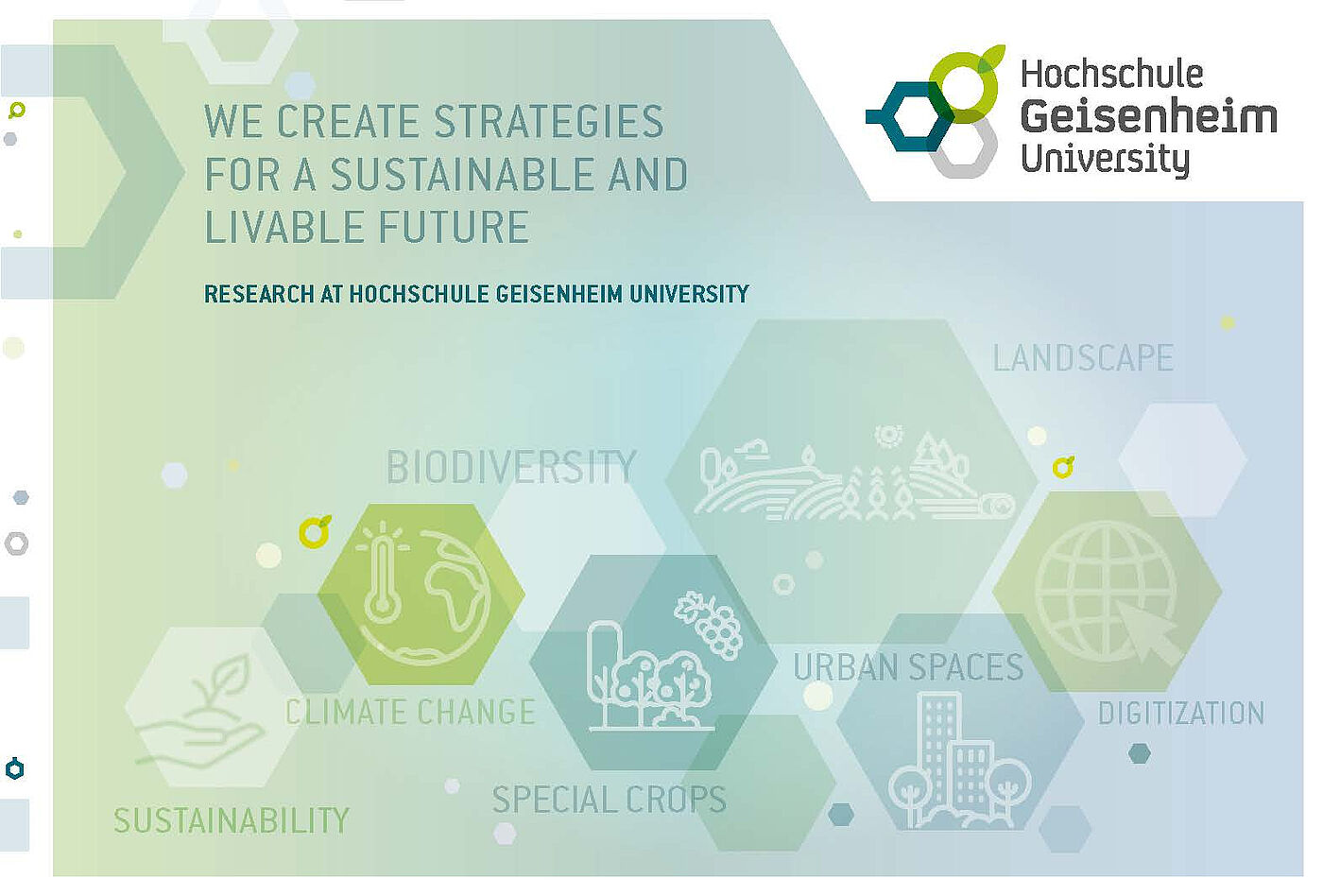
Research brochure (click to enlarge)

Our University has unique opportunities to conduct scientifically recognized and applied research along the entire value chain of special crops. In doing so, we benefit both from a strong network of national and international partners and our own excellent research infrastructure at Geisenheim. Vice-President of Research Professor Annette Reineke