
Research at Hochschule Geisenheim University

Creating Strategies for a Sustainable and Livable Future

Climate Change, Biodiversity Loss, Sustainability Targets – We're Meeting the Planet's Most Urgent Challenges

Our mission is to develop resource-efficient, innovative, and sustainable solutions in the area of agriculture and food. Our work spans a broad range of key issues: advancing organic, climate-resilient cultivation strategies for specialty crops, developing sustainable production and marketing methods, and designing livable cultural landscapes and urban regions. By uniting ecology, profitability, and a focus on quality of life, we aim to create a sustainable future in which society and nature can flourish together.

Our Focus Areas

Sustainable Cultivation Systems for Specialty Crops

Cultivating grapevines, fruit, vegetables, and ornamentals is particularly resource intensive – as such, a careful balance between producing the highest quality products possible and ensuring sustainable practices needs to be struck.

Through our research, we are developing innovative, ecofriendly strategies that ensure healthy harvests and preserve resources. We breed varieties and growth forms that are optimally adapted to climate change, environmental factors, and potential pests and pathogens. Modern sensor systems help control water and nutrient supply with pinpoint accuracy, alternative plant protection strategies – such as the use of antagonists – strengthen plants and their environments, and new digital techniques make precise management measures possible. Together with our partners, we are establishing diverse cultivation strategies that promote biodiversity and preserve ecosystem functions, creating an economically and ecologically sustainable future for viticulture and horticulture.

Innovative and Safe Processing and Marketing for Plant Products

Sustainability in food production spans the entire journey, from cultivation and processing to the moment the product reaches the customer. At every stage, product quality and safety needs to be guaranteed. The bioeconomy plays a key role in this context, enabling the more efficient use of resources, processes, and systems, while supporting the livelihood of the businesses that produce them. 

Through our research, we develop energy and resource-efficient methodologies for processing plant products and extracting valuable ingredients from crops and by-products. We examine microorganisms as natural protective cultures, evaluate the health effects of plant-based ingredients, and conduct sensory tests with our university panel. Market research, consumer behavior analyses, and industry data deliver essential insights for sustainable marketing strategies, particularly in the wine industry. We also analyze the logistical processes, from packing to distribution, and boost the efficiency and sustainability of the entire value chain with the help of modern, digital technologies.

Livable Cultural Landscapes and Urban Regions

Intensified land use has reduced valuable landscape features and biodiversity in many areas. Urban regions are also under pressure to maintain quality of life through green infrastructure such as parks and green belts.

Through our research, we develop methods to optimize and assess urban open spaces and enhance their social sustainability. We create techniques for greening sites with limited soil and for using plants in urban areas in a targeted manner, particularly in the context of climate change. For viticultural landscapes, we design strategies to adapt to climate change and preserve rare species. Additionally, we develop concepts for multifunctional, ecologically valuable, and attractive landscapes that enable new, sustainable production scenarios.

Questions about Our Research?

Please get in touch!

Christiane Jost
Dr. Christiane Jost
Building 5924
Room 01.01
Phone +49 6722 502 6334
Christiane.Jost(at)hs-gm.de Details

News & Latest Projects

Groundbreaking Ceremony for New Beverage Technology Center and Academic Building at Hochschule Geisenheim University

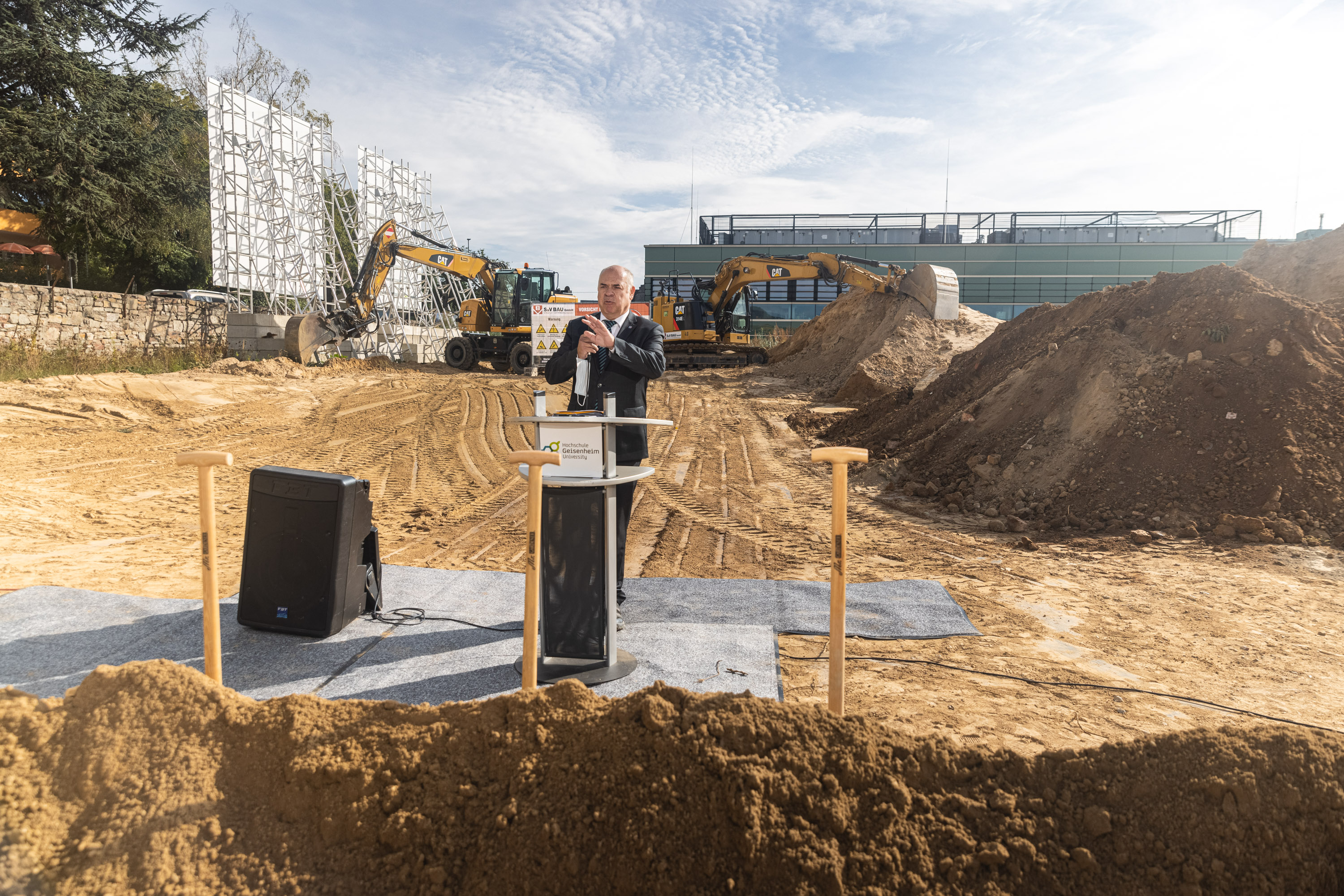
Turning the first sod: Angela Dorn, Michael Boddenberg, Thomas Platte, Prof. Dr. Hans Reiner Schultz and Christina Aßmann, mayor of Geisenheim (l.), as well as Martin Bez from the architectural firm Bez + Kock Architekten Generalplaner GmbH (r.) © Woody T. Herner

Start of the construction phase to build enhanced study, teaching and research facilities

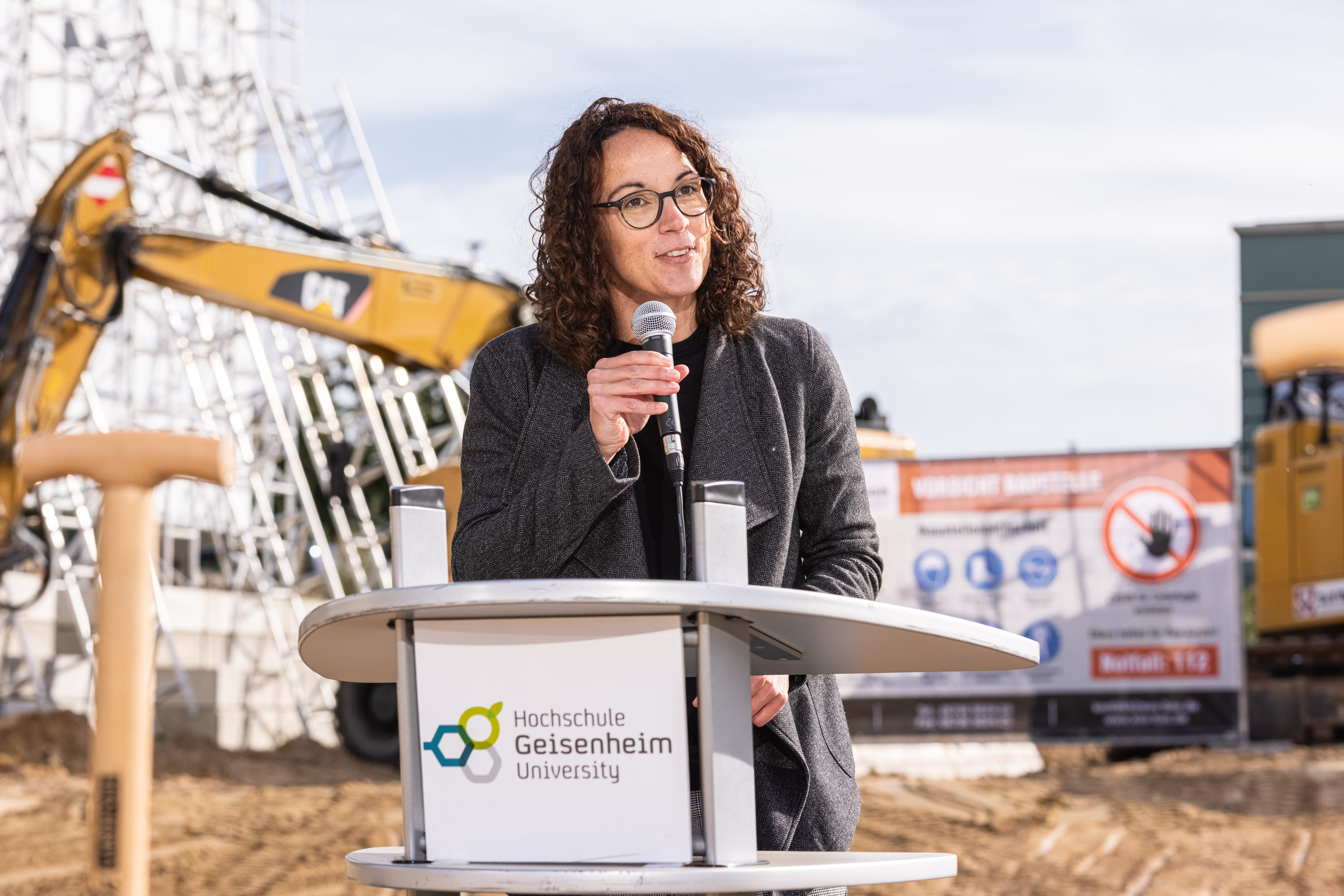
With a symbolic turn of the sod, Angela Dorn, Minister of State for Higher Education, Research, Science and the Arts of Hesse, Michael Boddenberg, Minister of Finance of the State of Hesse and University President Hans Reiner Schultz celebrated the start of the construction of the new Beverage Technology Center and a new academic building, marking an important milestone in the development of Hochschule Geisenheim University as a competitive teaching and research center for viticulture, beverage technology and food science.  The total costs of around 50 million euros for both new buildings are financed by the HEUREKA university construction program.

“We are investing in our universities and help them expand into new scientific areas so that they can successfully compete on an international level”, said Angela Dorn, Minister of State for Higher Education, Research, Science and the Arts of Hesse. “This applies in particular to Hochschule Geisenheim University, which is still quite young but has already earned an excellent international reputation in beverage technology. Throughout all study stages, the university places great emphasis on internationality with a strong research orientation, and focusses on bridging the gap between practical applications and classic university education. The new Beverage Technology Center – unique in Germany's higher education landscape – will provide state-of-the-art facilities for students and doctoral candidates to complete practice-oriented theses. The new academic building is a response to the growing number of students resulting from the introduction of new degree programs. We are looking forward to a colorful scientific mix at Hochschule Geisenheim University that includes a variety of our everyday foods, with a particular focus on sustainability and regional products.”

Michael Boddenberg, Minister of Finance of the State of Hesse: “The two new buildings are part of the comprehensive restructuring and expansion strategy of the university campus. Hochschule Geisenheim University combines research and teaching with practical applications, enabling students to build a long-lasting interdisciplinary network”, explained Boddenberg. “Sustainability is a top priority for the State of Hesse, which is reflected in the architecture of the two new buildings and the teaching strategy of the university.”

The Beverage Technology Center will house lab spaces and research facilities for the practice-oriented training of bachelor's and master's students in all areas of beverage technology, which includes the production of fruit juice, other non-alcoholic beverages, beer and liquors as well as the sensory evaluation of fruit and vegetables. Furthermore, students will process coffee and tea and analyze table and drinking waters. The new center will include a warehouse and laboratory for plant extraction as well as a spacious sparkling wine cellar, which will also be used for seminars and classes in Viticulture and Enology and International Wie Business programs. The Rheingau Vocational Schools will use the Beverage Technology Center for the practical training of their specialist class for fruit juice technology.

Additional spaces for teaching will be created in the new academic building. In addition to a lecture hall that accommodates 657 students, four seminar rooms with up to 300 seats will be integrated. The foyer in front of the building can be used as a flexible event location and provides sufficient space for scientific meetings and conferences. For the design of the two new buildings, the Stuttgart-based architectural firm Bez + Kock Architekten Generalplaner GmbH has been selected. The Landesbetrieb Bau und Immobilien Hessen (State Office for Construction and Real Estate, LBIH) is the general contractor.

University President Prof. Dr. Hans Reiner Schultz: “Alongside our good faculty-student ratio, the two new buildings enable us to offer students even better equipment and a high-quality study and research infrastructure. This is how we will make sure that the application-oriented training of future specialists and managers will continue to be based on latest scientific and technical developments, thus making a sustainable contribution to strengthening the beverage and food industry and the green sector.”

At Hochschule Geisenheim University, founded in 2013, around 1,800 students conduct research on the green campus. The ongoing expansion of the university is reflected in the construction of the new academic building, the Beverage Technology Center, and other buildings for the new Food Chain Management and Food Safety programs.

Categories: HOCHSCHULE, Campus (er)leben, G-Plant, Nachrichten

Images

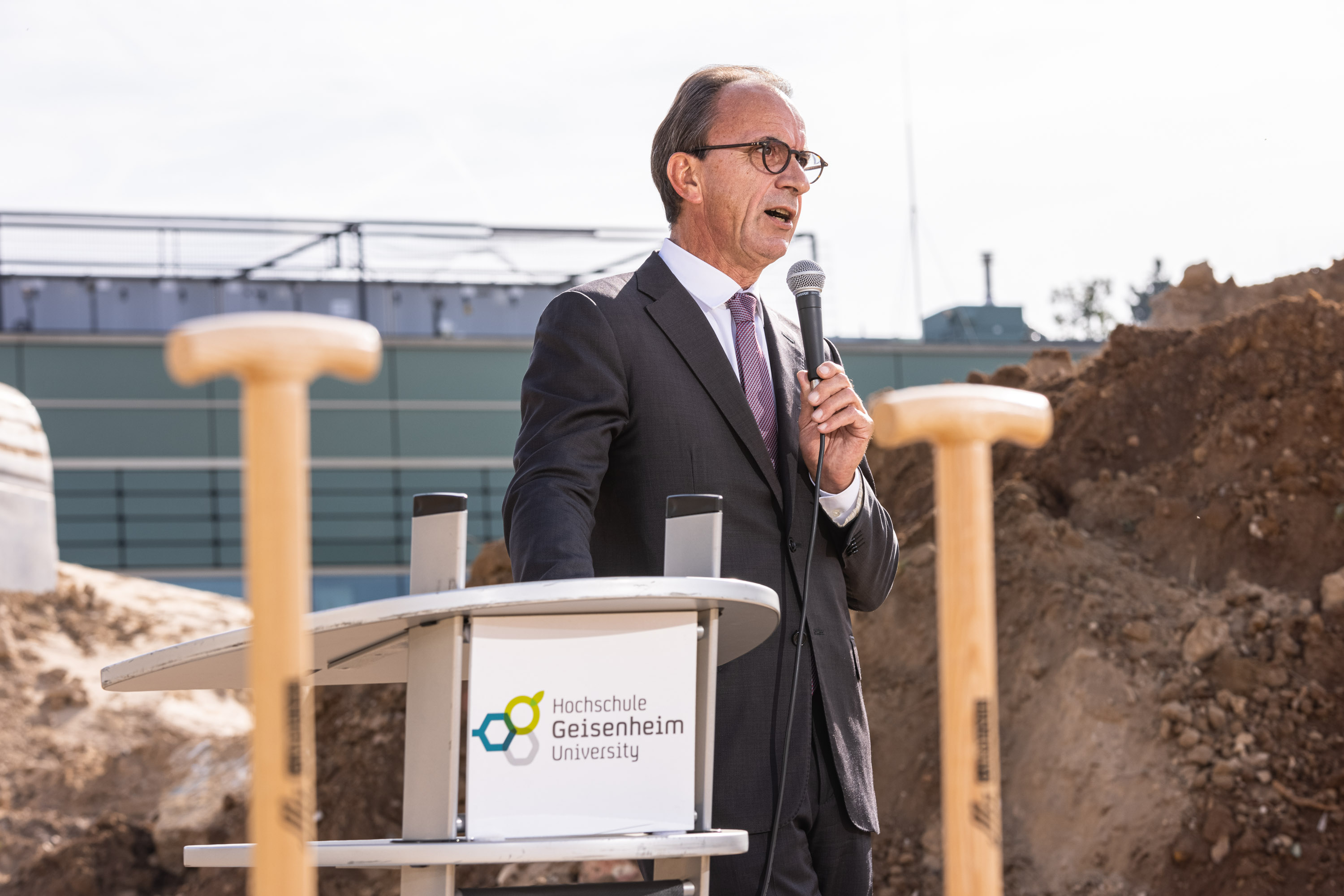
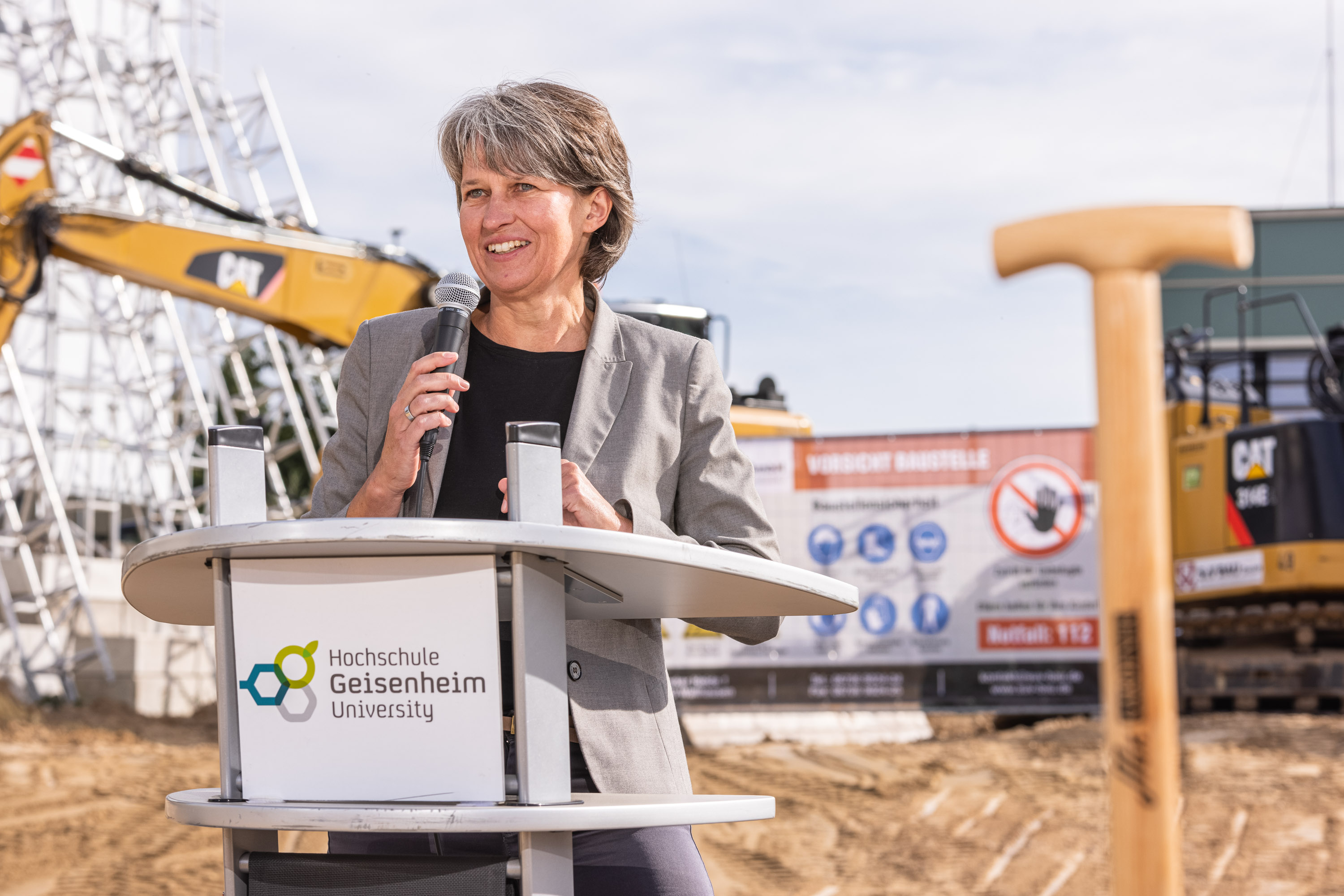
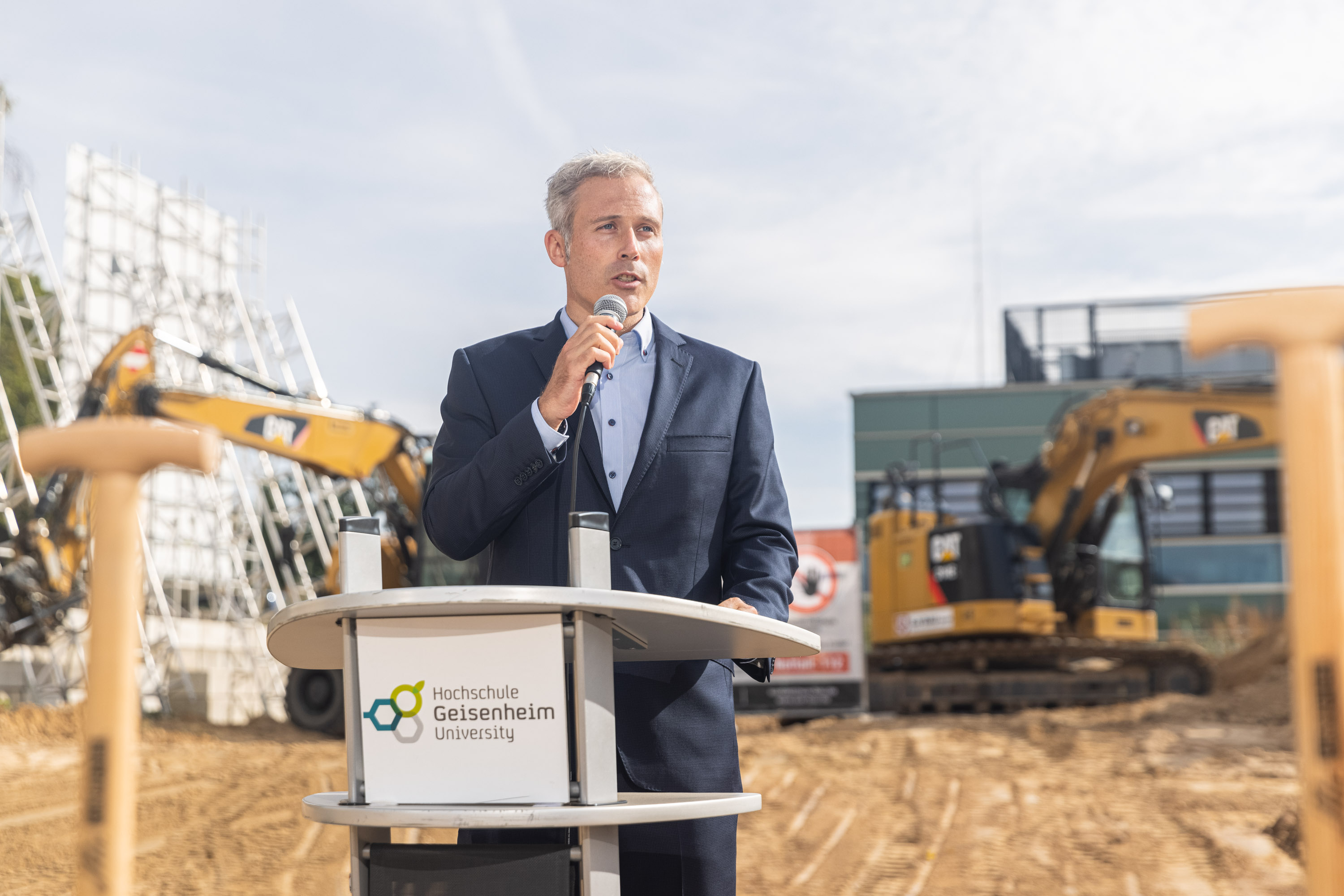
Prof. Dr. Hans Reiner Schultz © Woody T. Herner
Angela Dorn © Woody T. Herner
Michael Boddenberg © Woody T. Herner
Thomas Platte, Head of the State Office for Construction and Real Estate in Hesse © Woody T. Herner
Prof. Dr. Annette Reineke, Vice-President of Research at Hochschule Geisenheim University © Woody T. Herner
Prof. Dr. Ralf Schweiggert, Head of the Department of Beverage Research at Hochschule Geisenheim University © Woody T. Herner

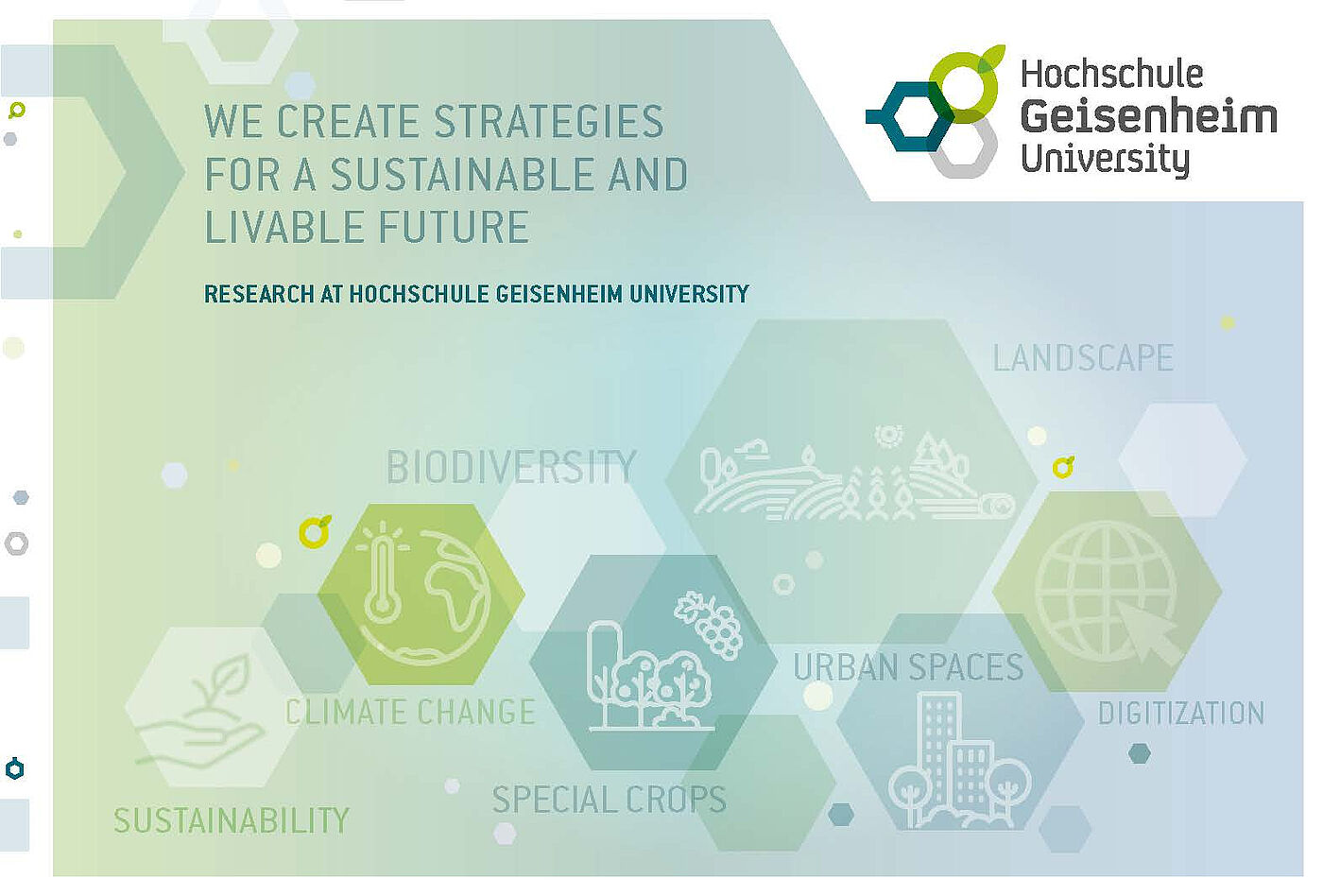
Research brochure (click to enlarge)

Our University has unique opportunities to conduct scientifically recognized and applied research along the entire value chain of special crops. In doing so, we benefit both from a strong network of national and international partners and our own excellent research infrastructure at Geisenheim. Vice-President of Research Professor Annette Reineke