


People view the wolf as either a threatening predator or a sign of a healthy natural habitat. While many proponents of nature and animal conservation welcome the spread of wolf populations in Germany, livestock owners who are directly affected by the wolves' return are more critical. The team of Nicolas Schoof, Prof. Dr. Albert Reif of the Chair of Site Classification and Vegetation Science at the University of Freiburg, and Prof. Dr. Eckhard Jedicke of the Competence Center Cultural Landscape (KULT) and the Department of Landscape Planning and Nature Conservation of Hochschule Geisenheim University has assessed the existing legal situation. Based on a range of environmental data, they have determined the conflicts and drawn up possible solutions. In an article published in the German specialist journal "Naturschutz und Landschaftsplanung" (Nature Conservation and Landscape Planning) the researchers present in detail how wider distribution of the predator could negatively affect legally binding nature conservation goals.
Schoof explains that experts initially ascribed the wolves that have reappeared in Germany to the Central European Lowlands population – based on the assumption that the wolf population was mainly isolated. However, latest genetic studies suggest that the population is at least interacting with the Baltic wolves, meaning the incest risk is low. In contrast to what is often suggested, the European law is very strict and does not allow any form of regulatory population reduction. "As a result," says Schoof, "there is a high growth and survival rate for young animals, allowing the wolf to spread to many regions."
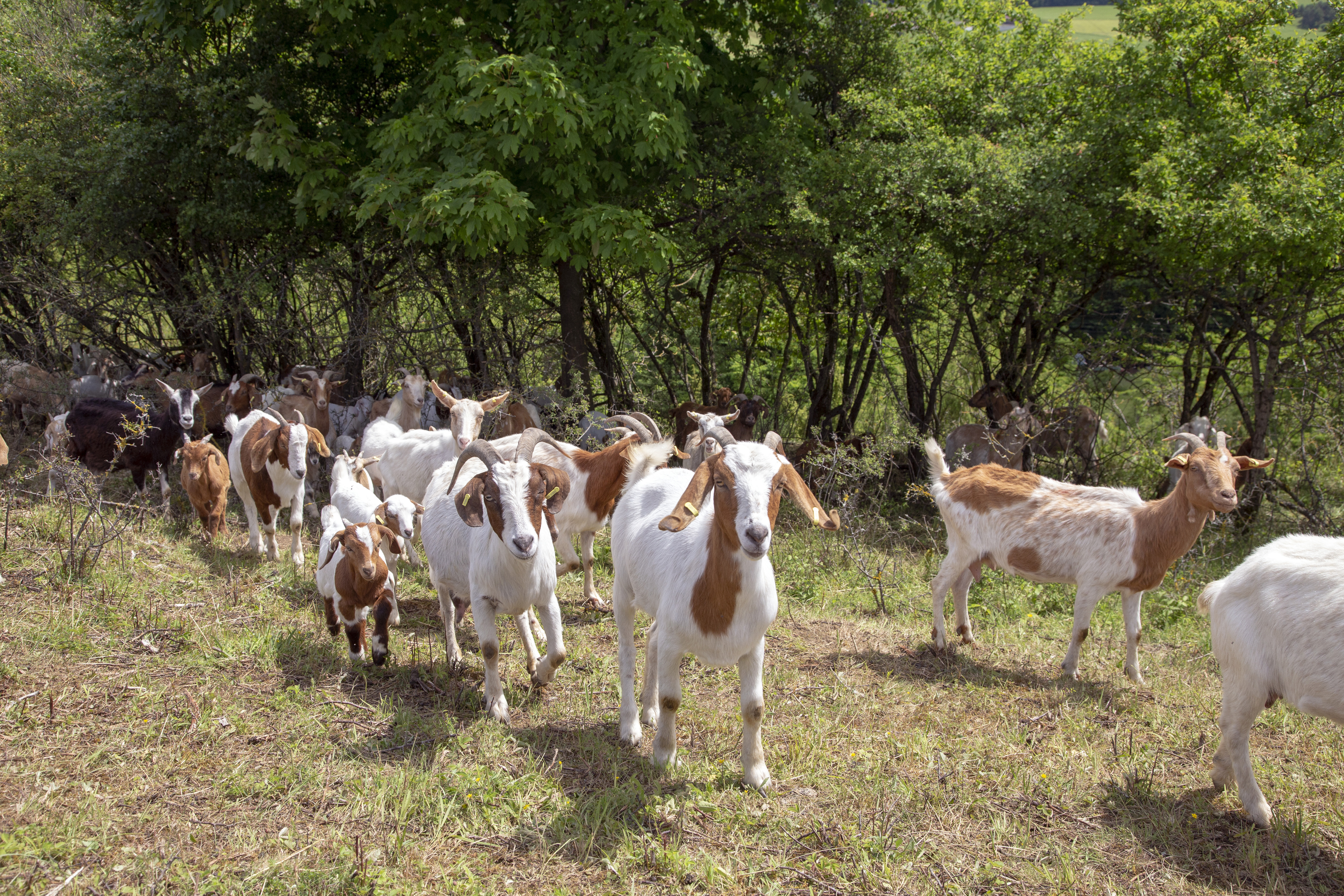
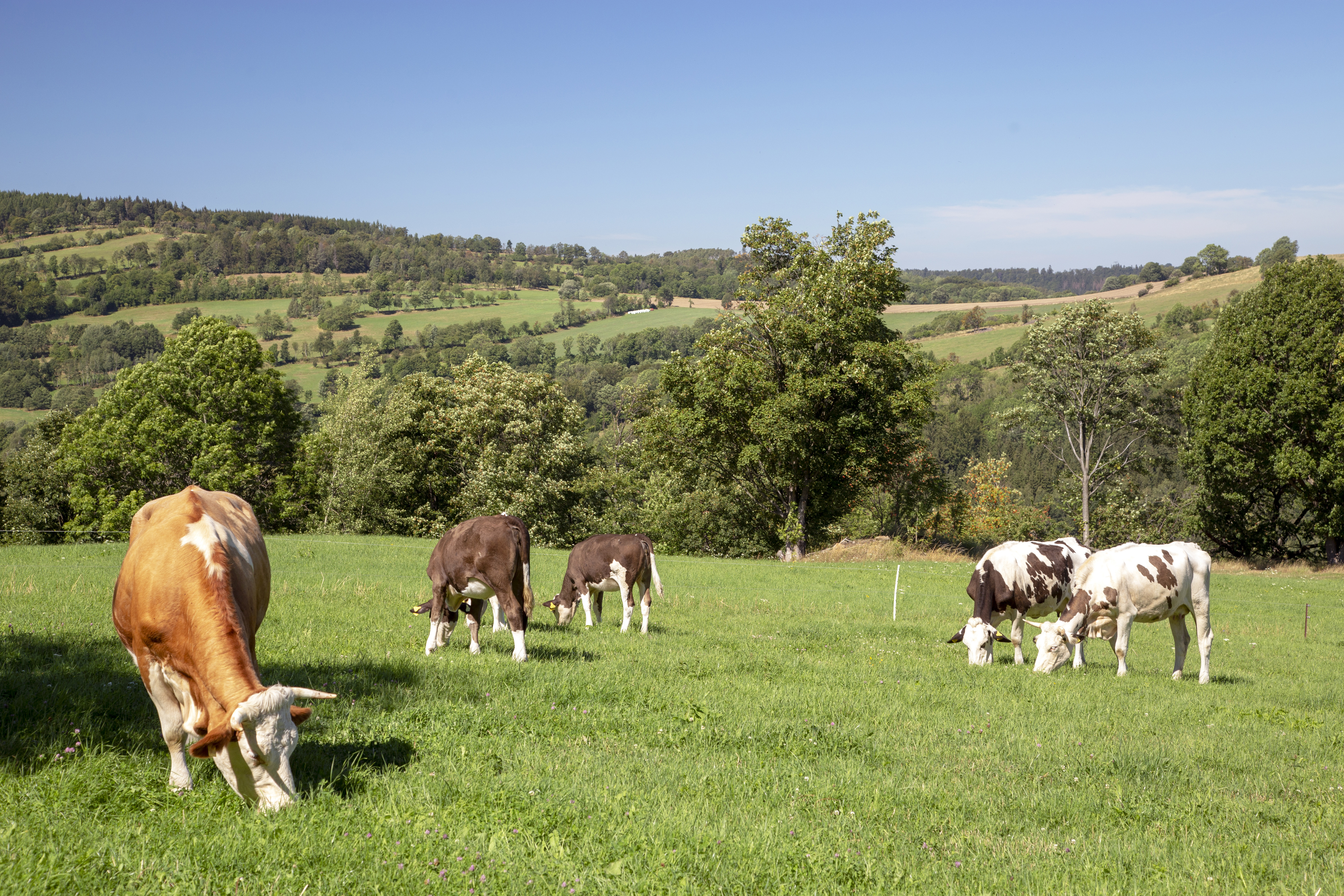
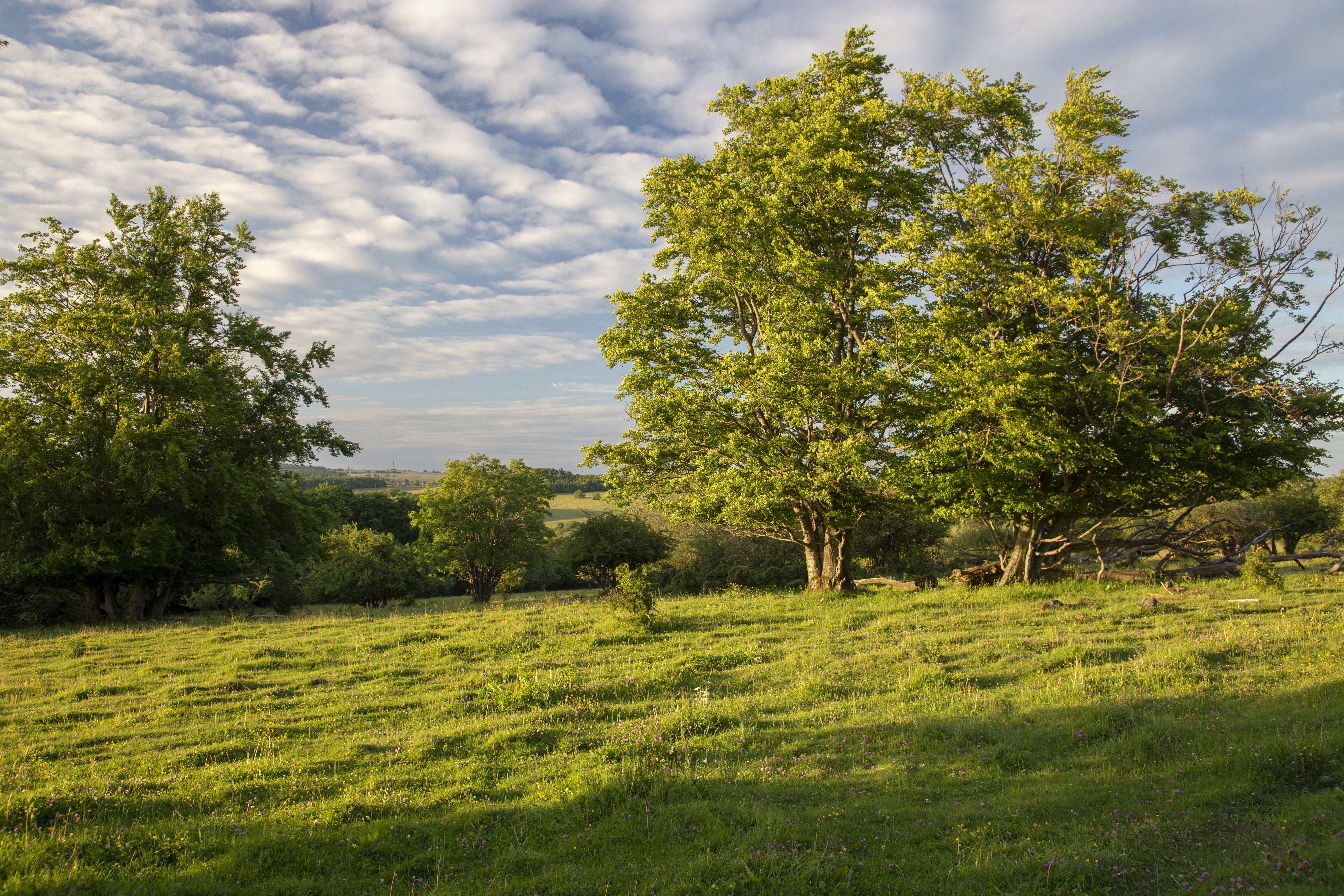
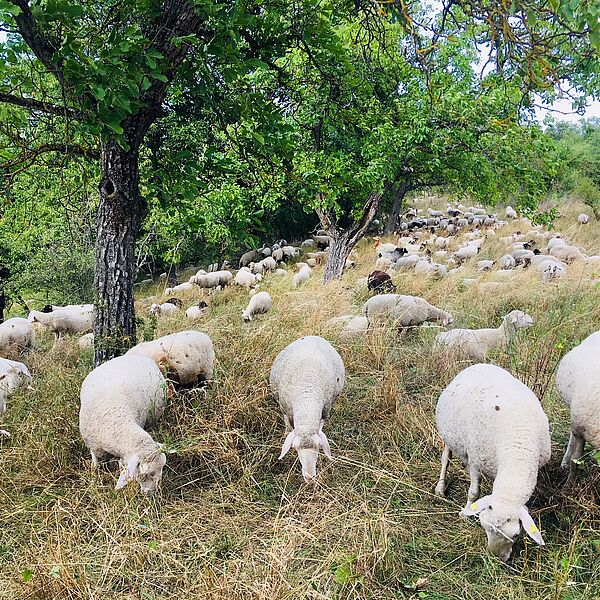
The species itself primarily indicates there has been growth in the native fauna. Schoof's team is analyzing the consequences the growing wolf population – and with it the increasing attacks on livestock and resulting demands to protect herds in Germany – will have for maintaining biodiversity. "We are running the risk of partial abandonment of livestock grazing, especially in locations that are crucial to nature conservation," explains Schoof. Affected areas could include, for instance, meadows or grasslands on steep slopes and stony soils. These habitats are – like the wolf itself – the focus of legally binding conservation measures and are dependent on the continuation of grazing. Unlike the wolf, these habitats are critically endangered.
"According to the European Habitats Directive, this leads to a clash between two equally important assets – the wolf on the one hand and scarce grassland habitats on the other," explains Prof. Dr. Eckhard Jedicke. In his research, he is looking into ways to preserve important landscapes and habitats alongside agriculture. "We see that farmers who cultivate the most important European habitats are often struggling in economic terms," he explains. The wolf is adding to the problem. "Our research is meant to reconcile both sides and put this very emotional discussion on a more objective footing because nature conservation– just like livestock grazing – needs pragmatic solutions," says Jedicke.
In many cases, new fences can offer much better protection for herds, but in areas with steep slopes, for instance, they are not an option. Dependent on the size and condition of the pastures, sheepdogs could also be introduced, but this labor and cost intensive solution would only be an option for very few livestock owners. In partially open grasslands, which are an important component for protecting biodiversity, sheepdogs cannot be used effectively. Yet it is precisely in these areas that the problems caused by wolves could increase, meaning that only fixed, wolf-resistant fences are a solution, but these would limit the spatial efficacy of large grazing projects. What is more, the expected erection of fencing systems will generally form a massive impediment to other wildlife that have found an optimal habitat on grazing land.
Based on these conflicts, the researchers say they have no doubt that permissible legal regulatory measures to cull problematic individuals through hunting must be simplified and implemented rigorously. In the long term, decision-makers must consider a comprehensive active management of the wolf population and make necessary regulatory adjustments. The researchers argue that the wolf population is not endangered because of the individual numbers that have been reached, the generally low incest risk, and the current exponential growth in population. Schoof points out that simpler solutions are not in sight or legally possible as of now.
Additionally, the researchers propose in their study to comprehensively support all the required measures to protect herds on the one hand. "On the other hand, better financial support for livestock grazing, which is often financially unattractive, could help soothe the existing conflicts," as Schoof and Jedicke explain. "This would send out an important signal to farmers with grazing livestock and show them that they are key partners when it comes to implementing practical conservation efforts." Agricultural subsidy policies are another key area of the two researchers from Geisenheim and Freiburg.
Original Publication (in German):
Schoof, N., Reif, A., Luick, R., Jedicke, E., Kämmer, G., Metzner, J. (2021): Der Wolf in Deutschland. Herausforderungen für weidebasierte Tierhaltungen und den praktischen Naturschutz. In: Naturschutz und Landschaftsplanung 53 (1), 2021. DOI: 10.1399/NuL.2021.01.01
Contact:
Prof. Dr. Eckhard Jedicke
Department of Landscape Planning and Nature Conservation & Competence Center Cultural Landscape (KULT)
Hochschule Geisenheim University
Phone: +49 173/901 66 15
eckhard.jedicke(at)hs-gm.de
Nicolas Schoof
Chair of Site Classification and Vegetation Science
Faculty of Environment and Natural Resources
University of Freiburg
Phone: +49 176/61817226
nicolas.schoof(at)waldbau.uni-freiburg.de