
Research at Hochschule Geisenheim University

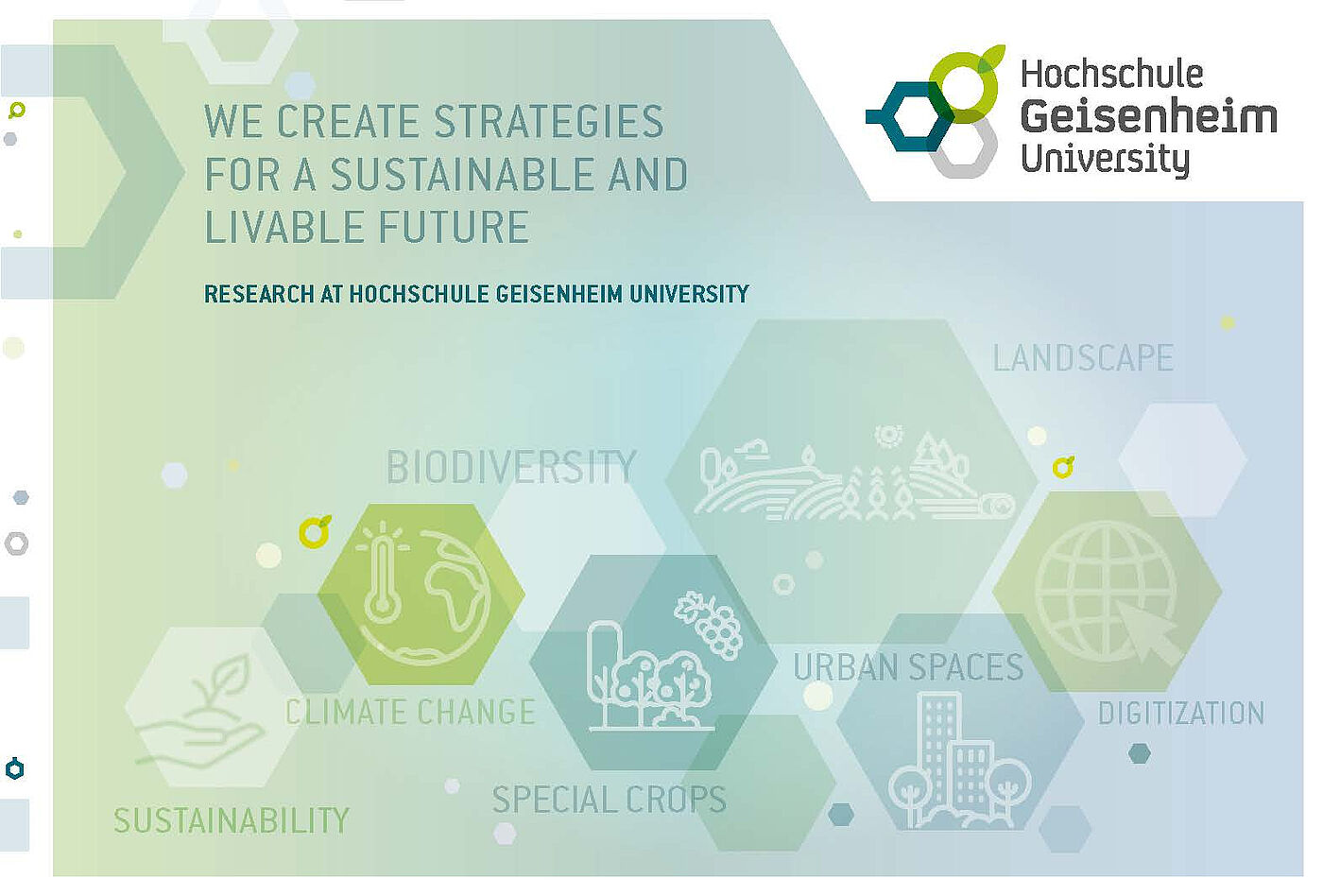
Creating Strategies for a Sustainable and Livable Future

Climate Change, Biodiversity Loss, Sustainability Targets – We're Meeting the Planet's Most Urgent Challenges

Our mission is to develop resource-efficient, innovative, and sustainable solutions in the area of agriculture and food. Our work spans a broad range of key issues: advancing organic, climate-resilient cultivation strategies for specialty crops, developing sustainable production and marketing methods, and designing livable cultural landscapes and urban regions. By uniting ecology, profitability, and a focus on quality of life, we aim to create a sustainable future in which society and nature can flourish together.

Our Focus Areas

Sustainable Cultivation Systems for Specialty Crops

Cultivating grapevines, fruit, vegetables, and ornamentals is particularly resource intensive – as such, a careful balance between producing the highest quality products possible and ensuring sustainable practices needs to be struck.

Through our research, we are developing innovative, ecofriendly strategies that ensure healthy harvests and preserve resources. We breed varieties and growth forms that are optimally adapted to climate change, environmental factors, and potential pests and pathogens. Modern sensor systems help control water and nutrient supply with pinpoint accuracy, alternative plant protection strategies – such as the use of antagonists – strengthen plants and their environments, and new digital techniques make precise management measures possible. Together with our partners, we are establishing diverse cultivation strategies that promote biodiversity and preserve ecosystem functions, creating an economically and ecologically sustainable future for viticulture and horticulture.

Innovative and Safe Processing and Marketing for Plant Products

Sustainability in food production spans the entire journey, from cultivation and processing to the moment the product reaches the customer. At every stage, product quality and safety needs to be guaranteed. The bioeconomy plays a key role in this context, enabling the more efficient use of resources, processes, and systems, while supporting the livelihood of the businesses that produce them. 

Through our research, we develop energy and resource-efficient methodologies for processing plant products and extracting valuable ingredients from crops and by-products. We examine microorganisms as natural protective cultures, evaluate the health effects of plant-based ingredients, and conduct sensory tests with our university panel. Market research, consumer behavior analyses, and industry data deliver essential insights for sustainable marketing strategies, particularly in the wine industry. We also analyze the logistical processes, from packing to distribution, and boost the efficiency and sustainability of the entire value chain with the help of modern, digital technologies.

Livable Cultural Landscapes and Urban Regions

Intensified land use has reduced valuable landscape features and biodiversity in many areas. Urban regions are also under pressure to maintain quality of life through green infrastructure such as parks and green belts.

Through our research, we develop methods to optimize and assess urban open spaces and enhance their social sustainability. We create techniques for greening sites with limited soil and for using plants in urban areas in a targeted manner, particularly in the context of climate change. For viticultural landscapes, we design strategies to adapt to climate change and preserve rare species. Additionally, we develop concepts for multifunctional, ecologically valuable, and attractive landscapes that enable new, sustainable production scenarios.

Questions about Our Research?

Please get in touch!

Christiane Jost
Dr. Christiane Jost
Building 5924
Room 01.01
Phone +49 6722 502 6334
Christiane.Jost(at)hs-gm.de Details

News & Latest Projects

Plant Nutrition as a Key for Sustainable Agriculture

Photo: Alina Dietze

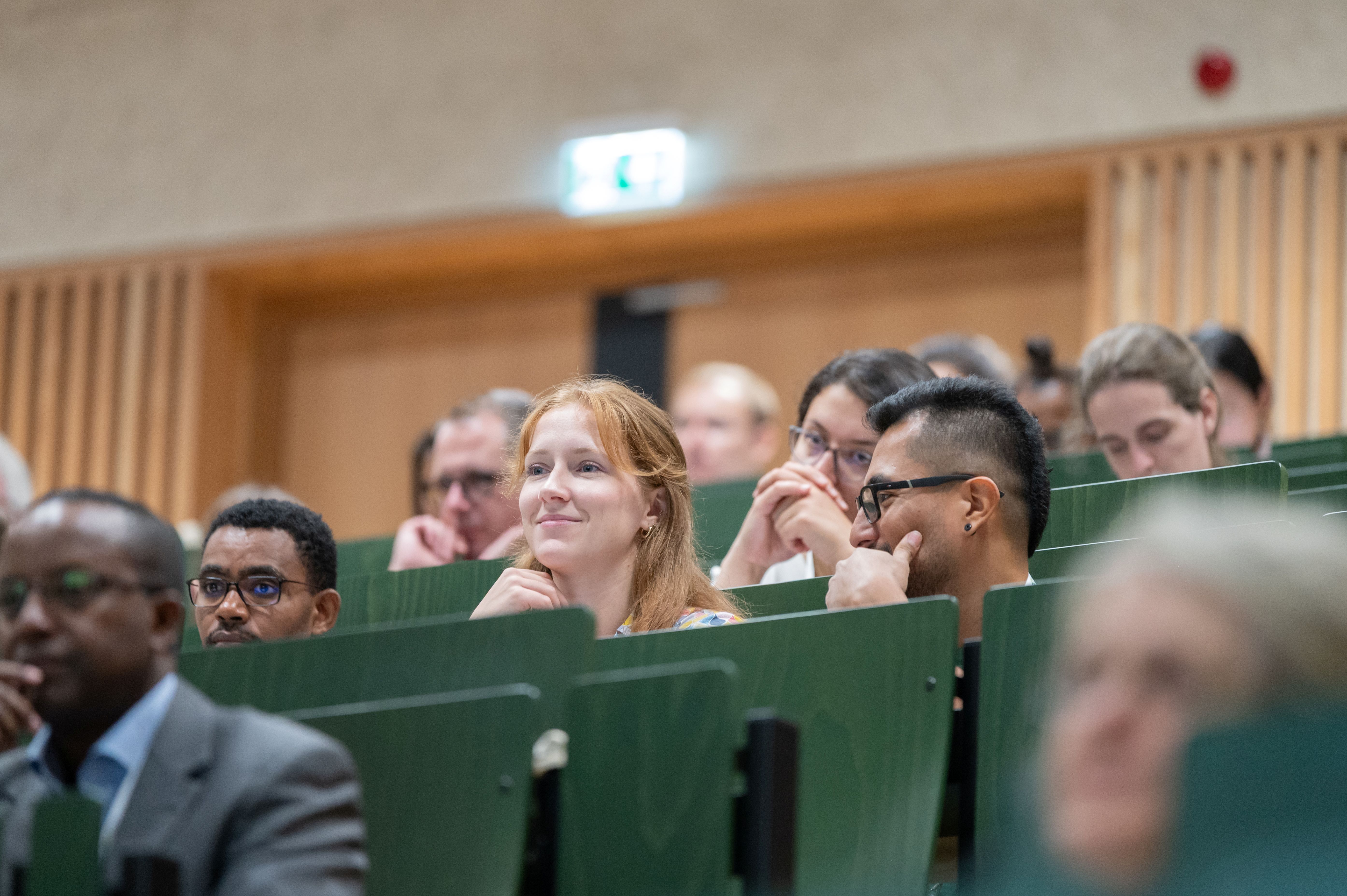
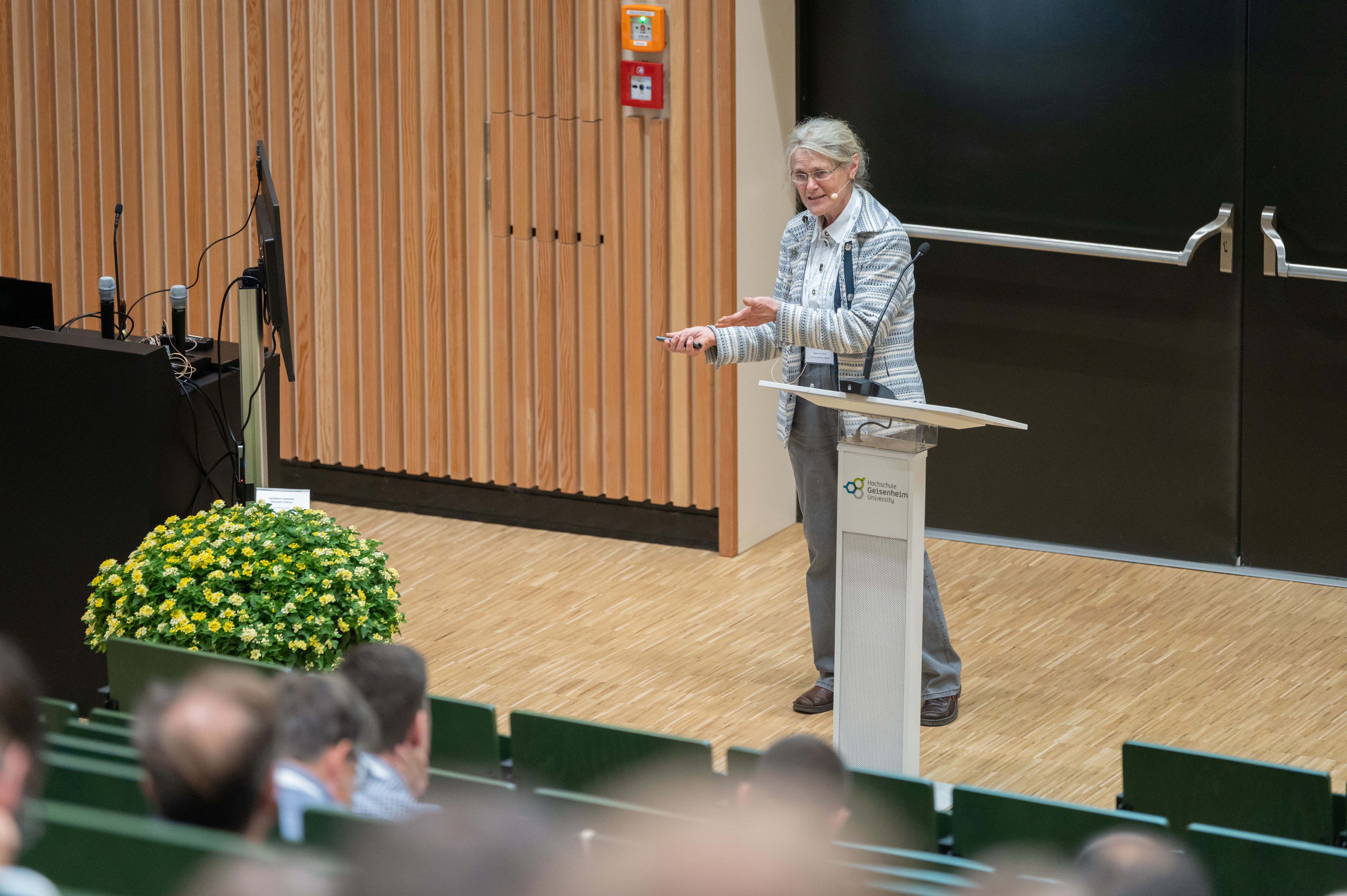
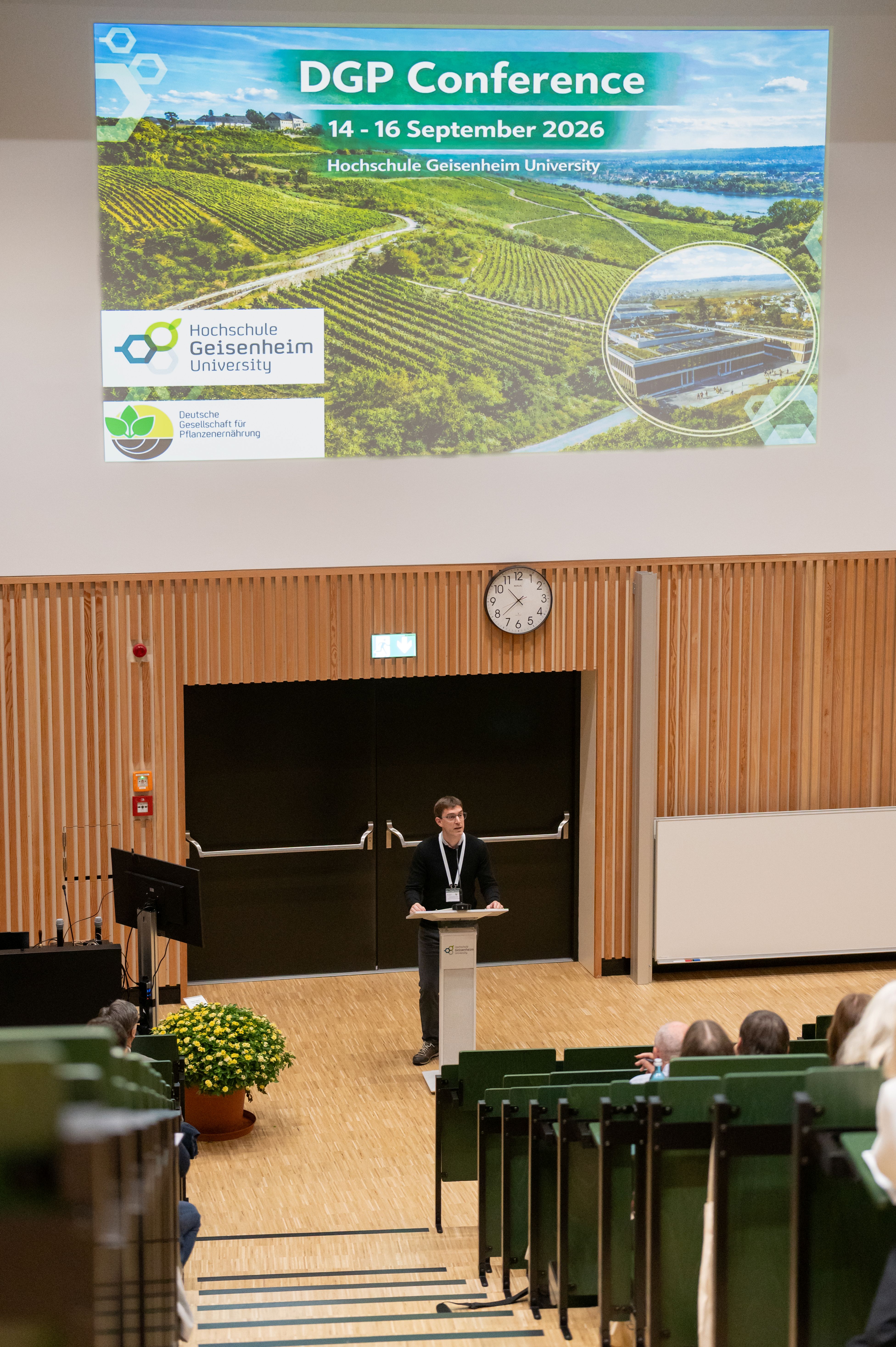
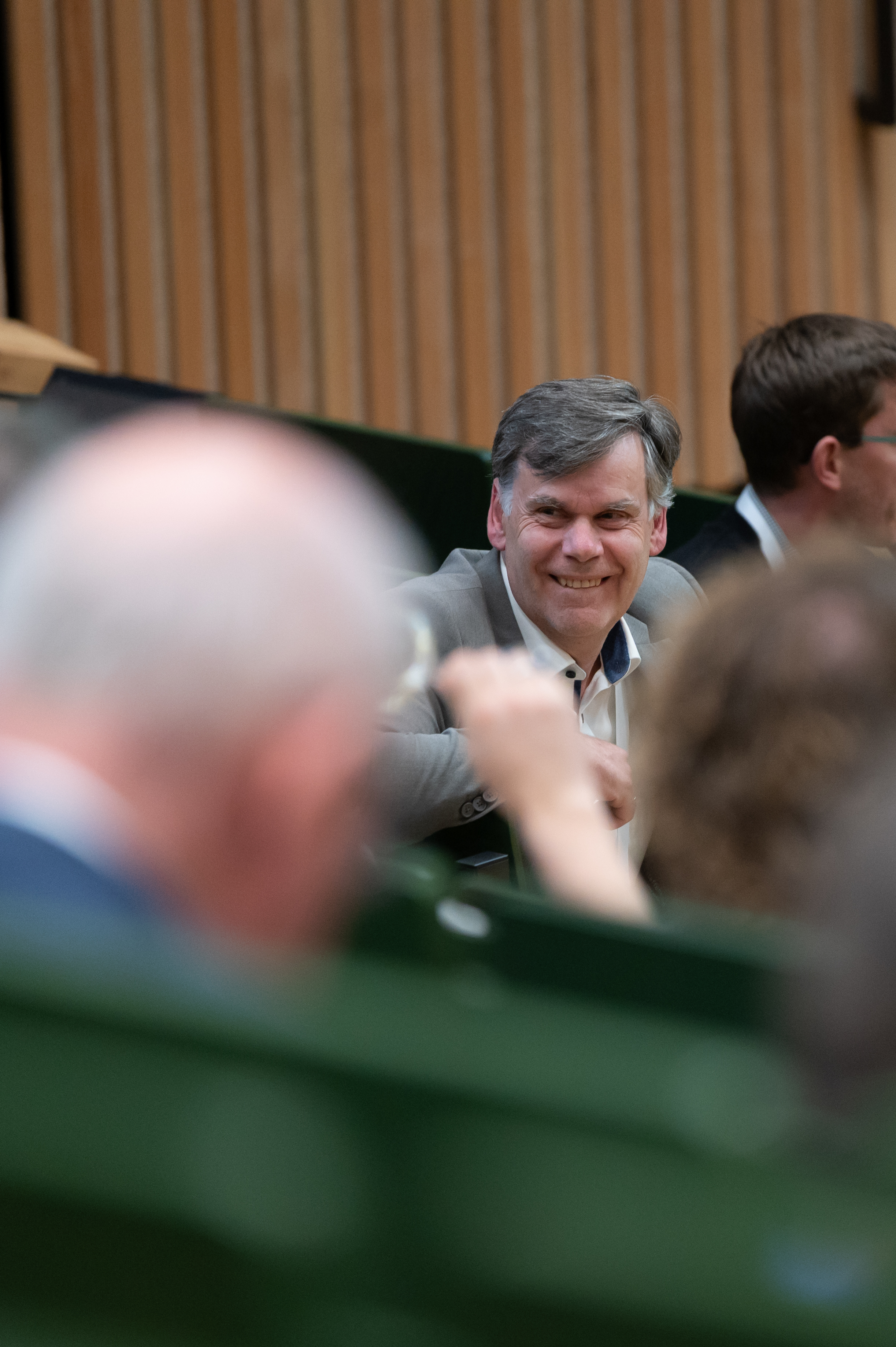
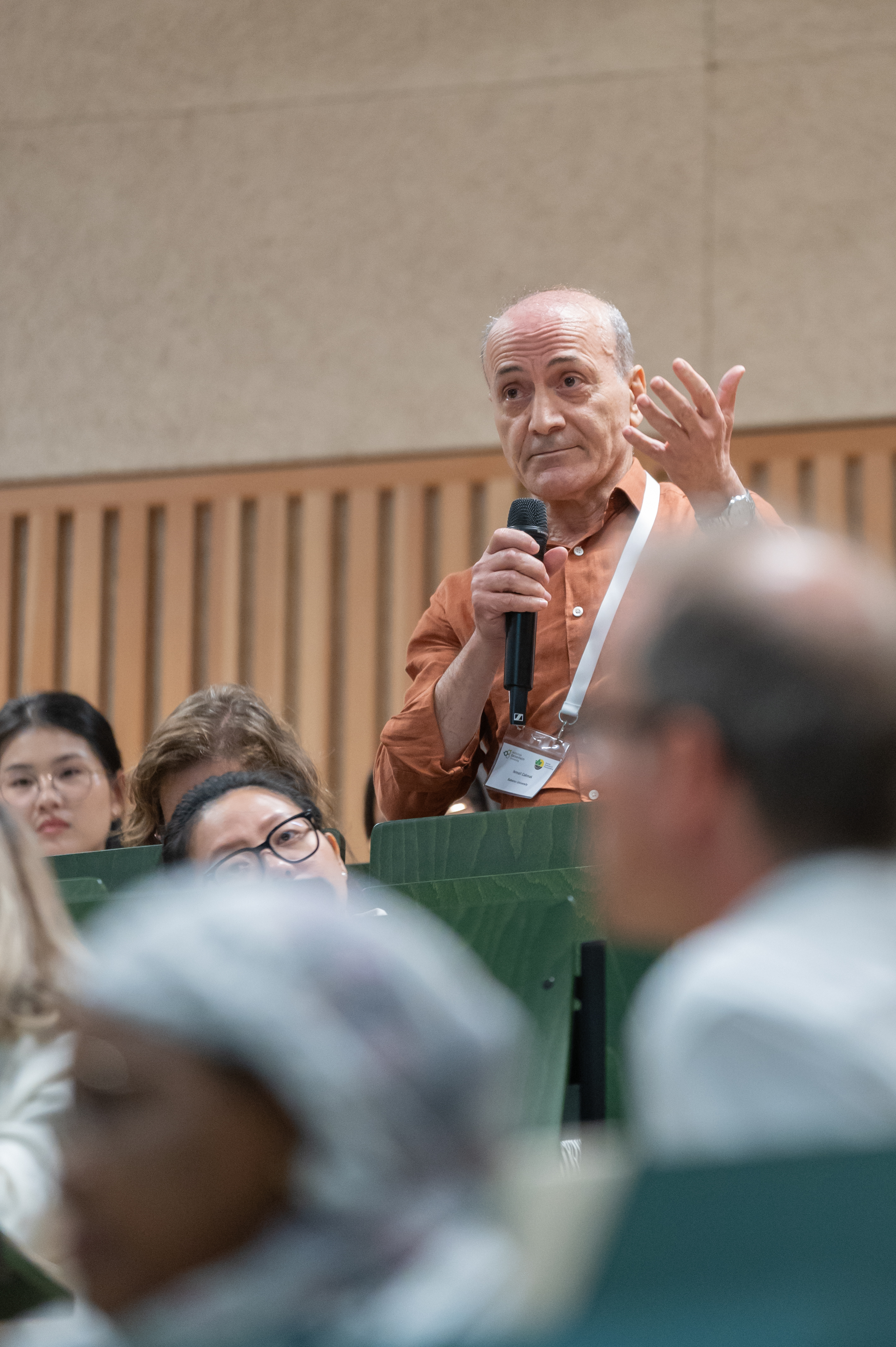
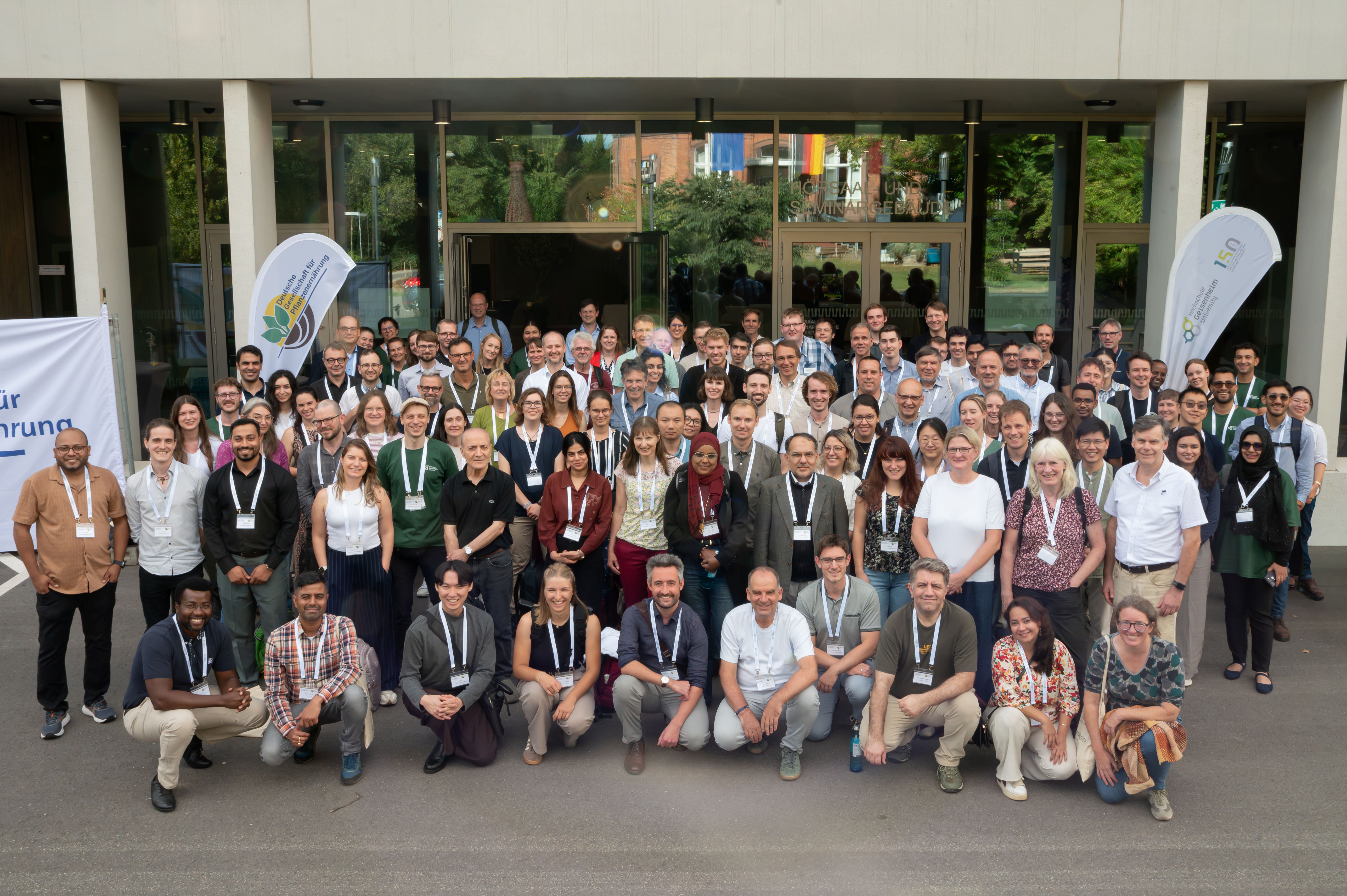
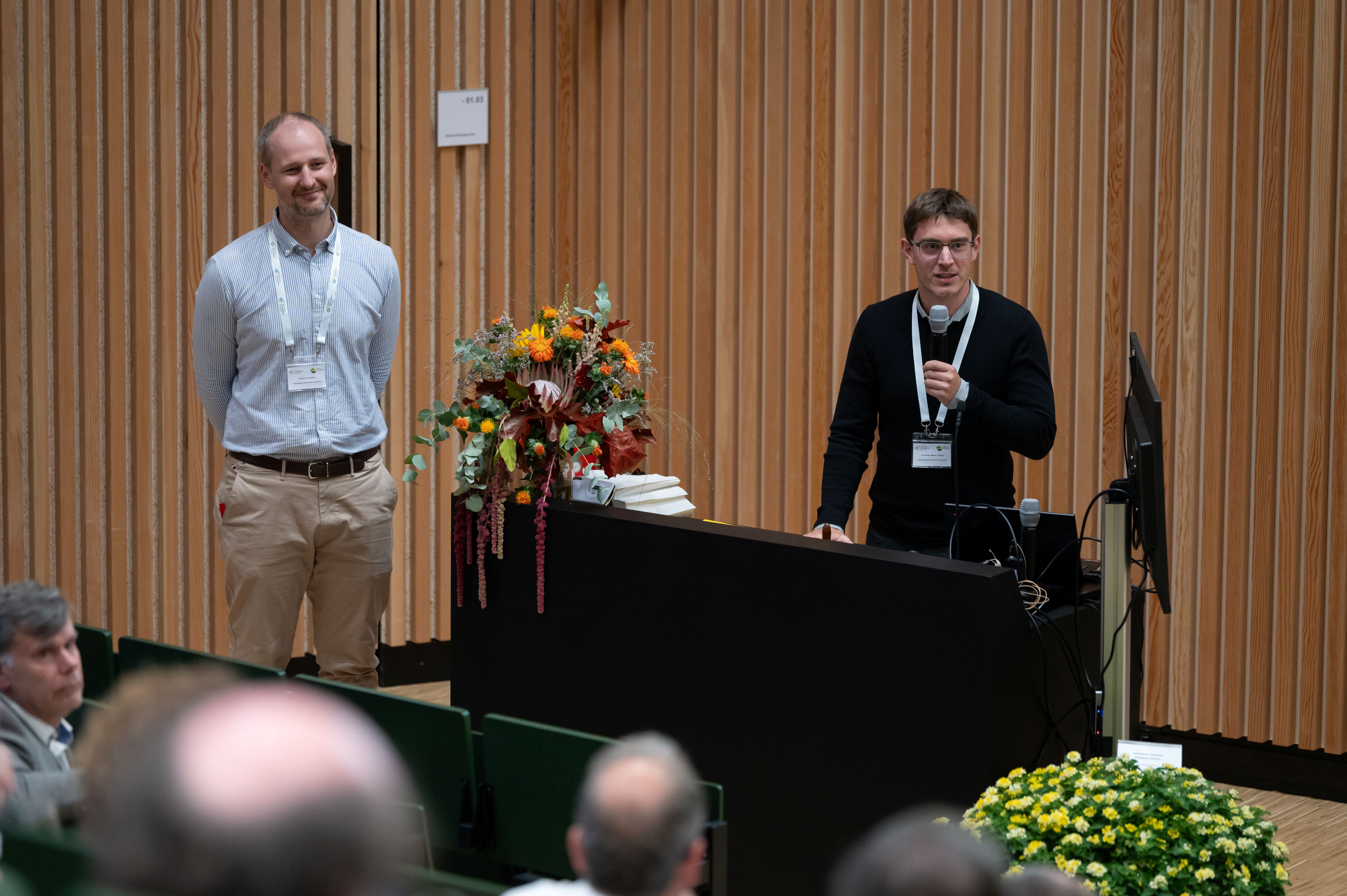
From September 14 – 16, 2026, Hochschule Geisenheim University hosted the 58th Annual Conference of the German Society of Plant Nutrition (DGP). Around 150 scientists from Germany and abroad gathered at Campus Geisenheim to discuss current findings and new solutions for sustainable plant production.

The conference addressed a wide range of aspects of plant nutrition, which are becoming increasingly important from political, economic, and societal perspectives. On top of the agenda was the efficient uptake and utilization of nutrients, sustainable fertilization strategies, and the complex interactions between plants, soils, and microorganisms. The scientific scope ranged from fundamental processes at the cellular level to specific applications in crop cultivation, horticulture, fruit growing, and viticulture.

Using Nutrients More Efficiently

"Proper regulation of nutrient flows is not possible without a sound scientific understanding of these processes. Therefore, the key question is: How can we use nutrients more efficiently while ensuring yield and quality and protecting our groundwater, climate and soils? The conference has brought together different disciplines and perspectives to address this very question”, summarizes Prof. Dr. habil. Christoph-Martin Geilfus, Professor of Plant Nutrition and Soil Science at Hochschule Geisenheim University and DGP Chair.

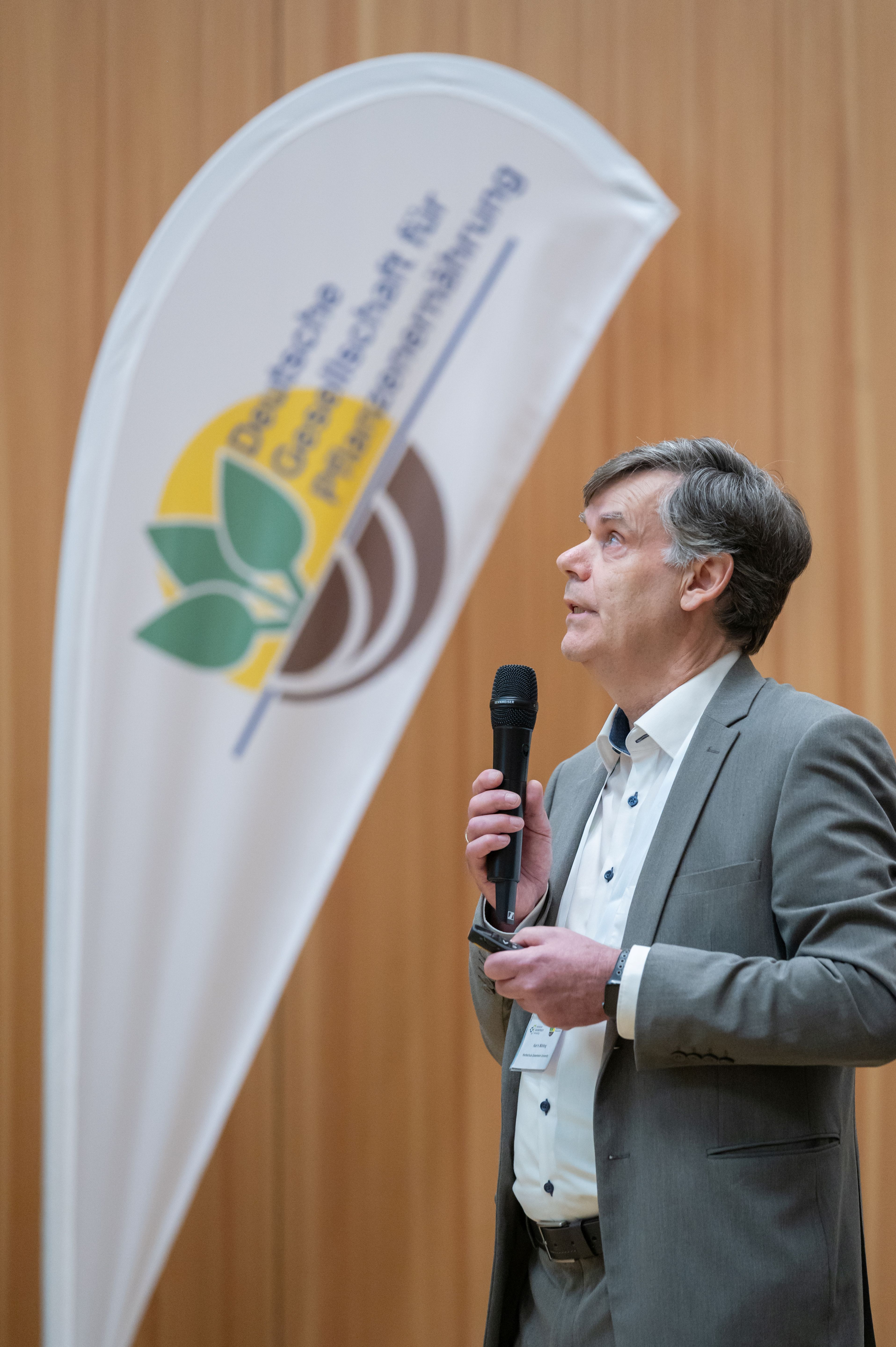
"The fact that Geisenheim was chosen as conference venue highlights the importance of plant and soil science for the university’s profile. A viable yet resource-efficient agriculture requires close collaboration among scientific disciplines. The university is a prime example for this“, explains Prof. Dr. habil. Karl H. Mühling. Before he started his term as university president, Mühling had been one of Prof Geilfus’ predecessors in a leading position at GDP. For Prof. Mühling, on the other hand, this is the first annual conference of a scientific society held on campus since he took office as university president on June 1, 2026.

Extensive Program with International Focus

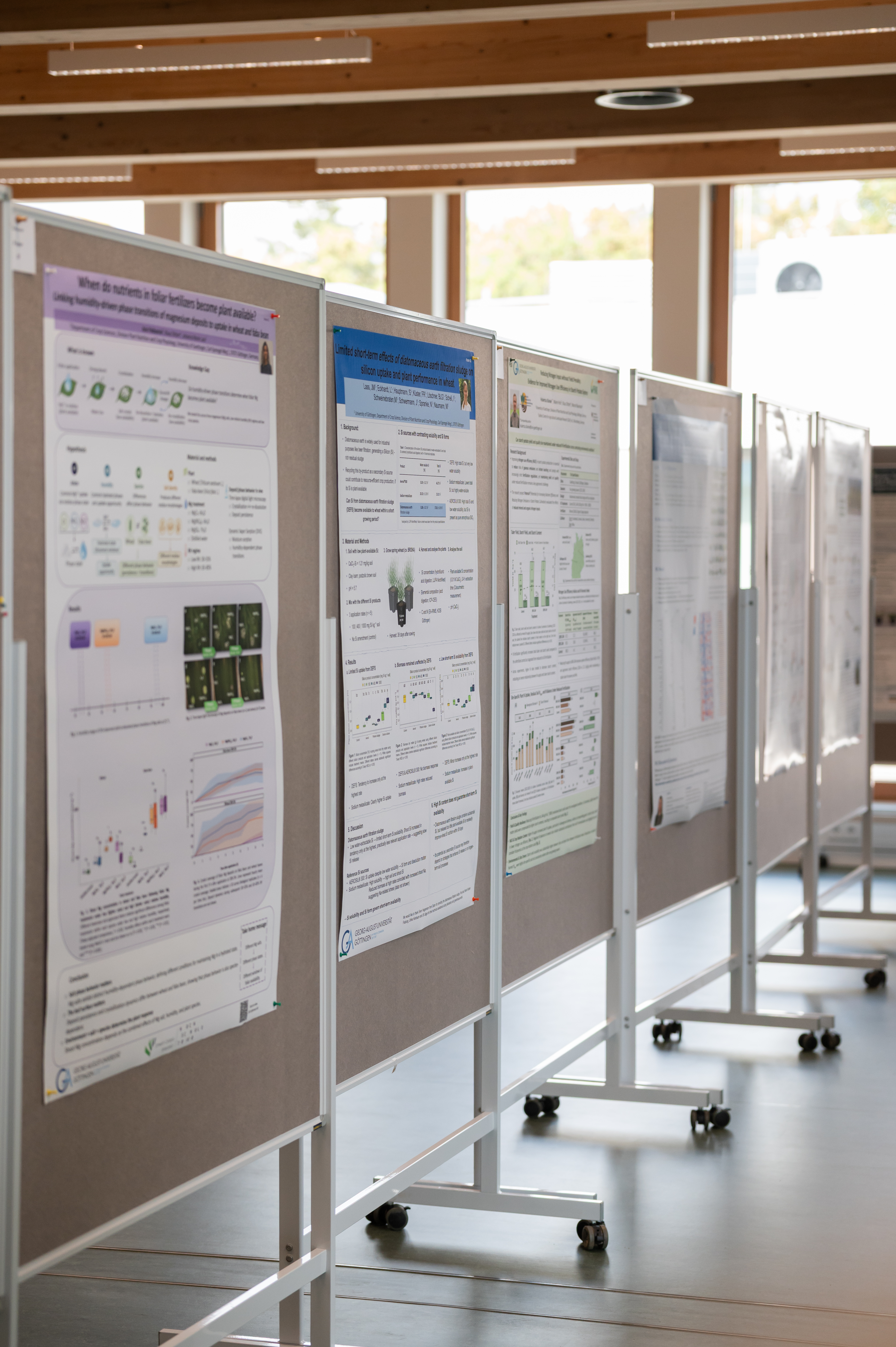
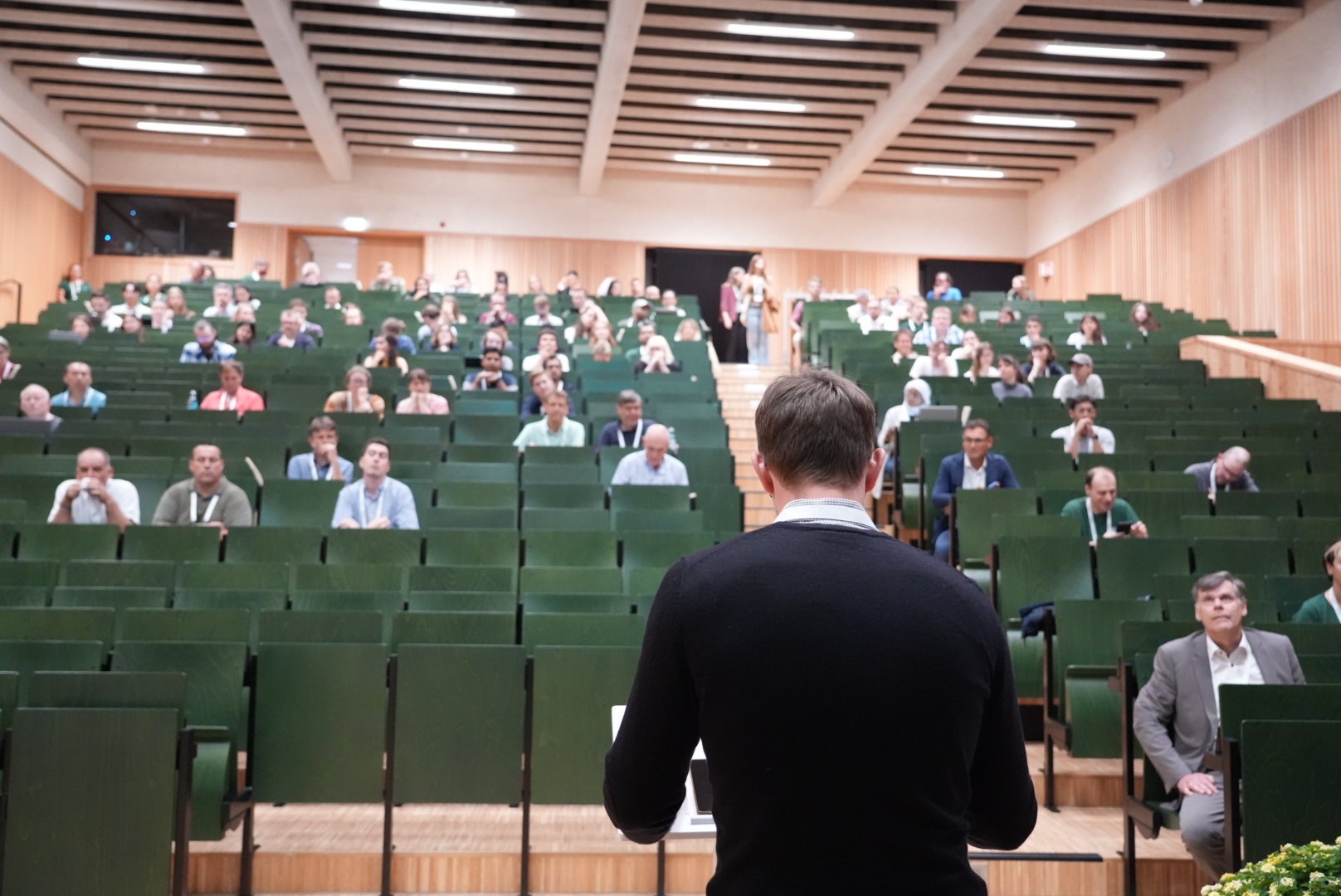
The scientific program included four international keynote addresses, 25 expert presentations and more than 70 poster presentations. Addressed topics ranged from the use of plant biostimulants and biochar to nutrient deficiencies, drought and heat stress, and the role of microorganisms in the soil and rhizosphere. New measurement methods, sustainable fertilizers, and ways to reduce nitrogen losses were also presented.

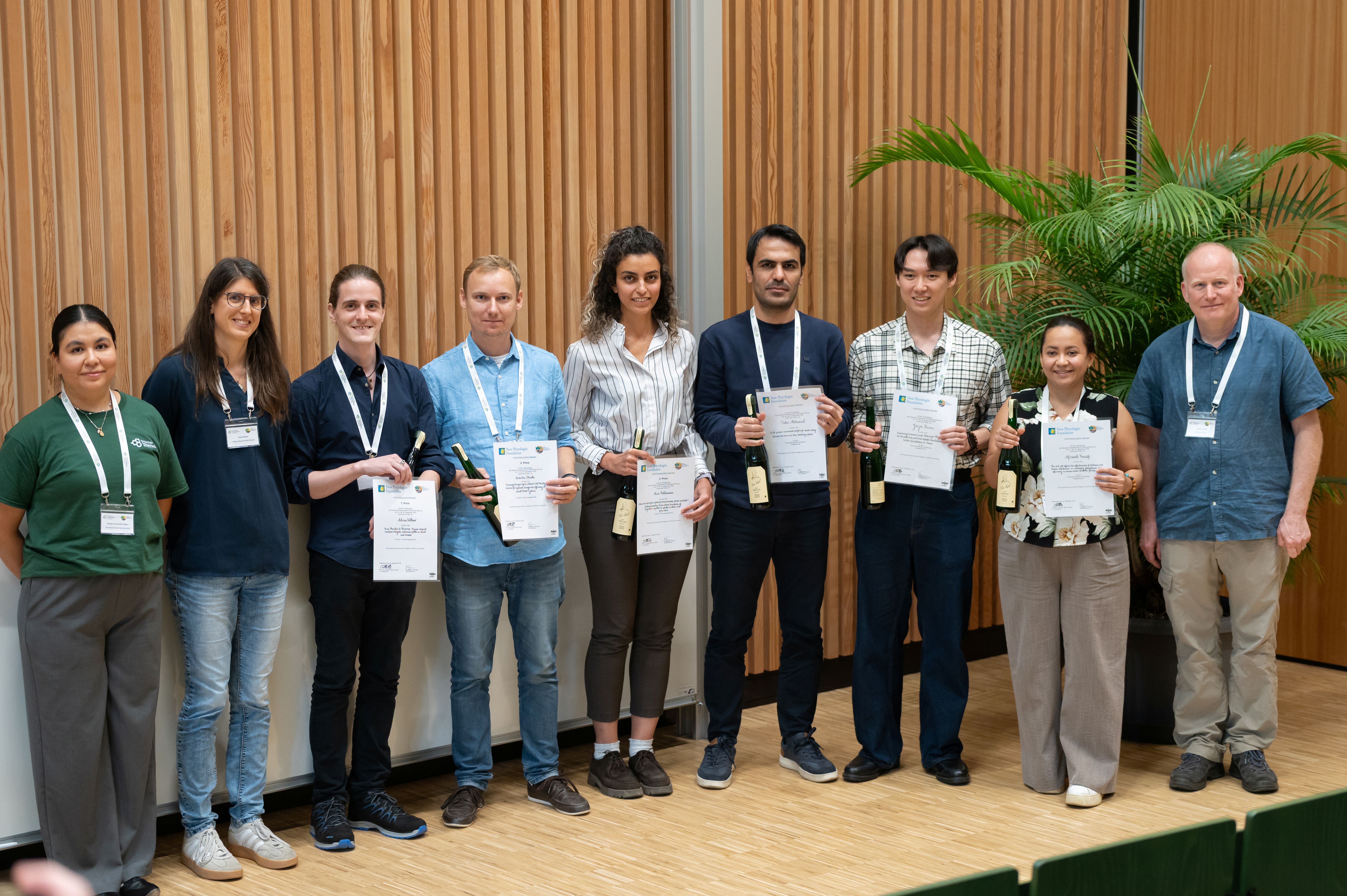
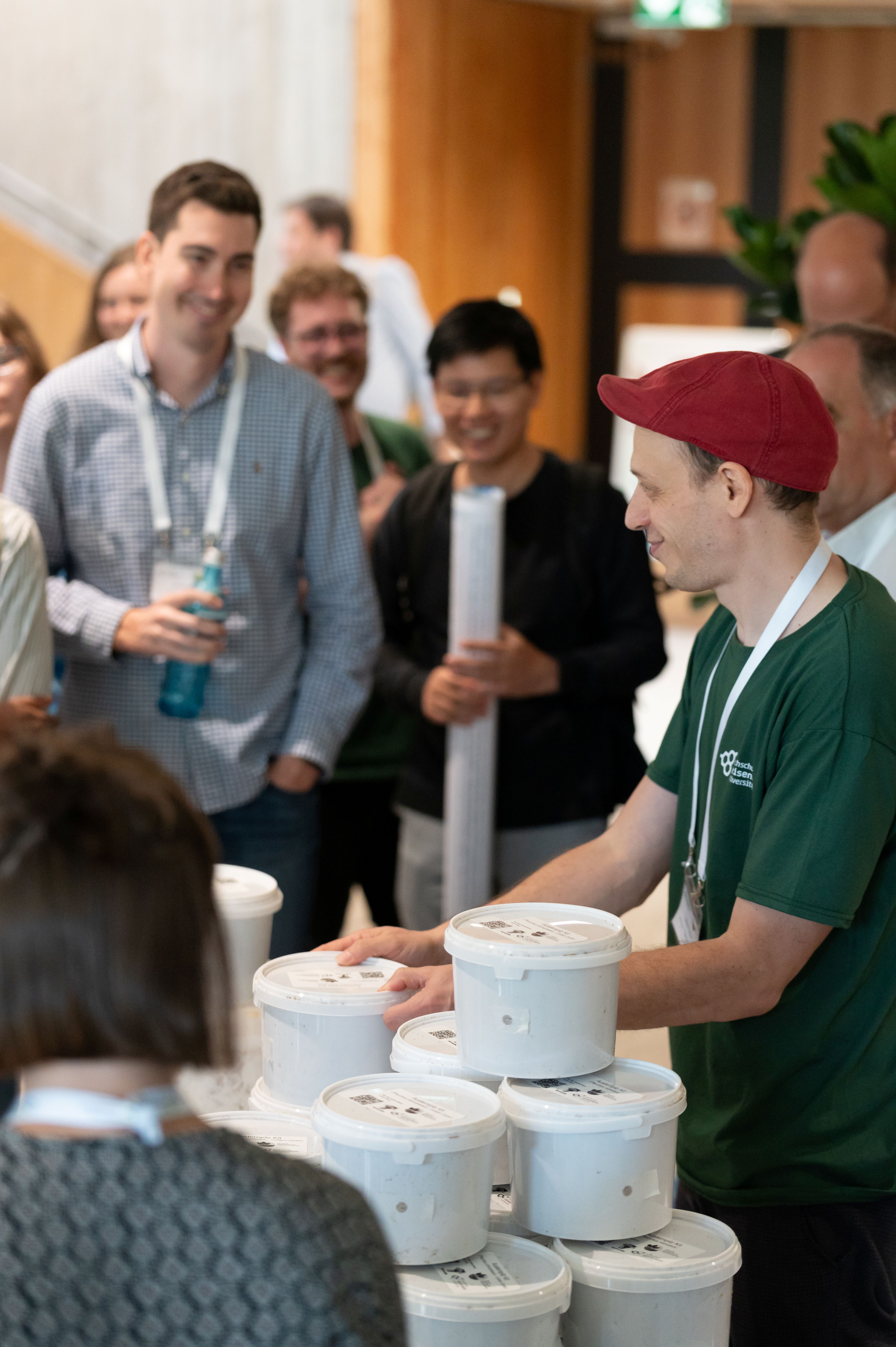
Besides keynotes and poster presentations, the three-day conference offered plenty of opportunities for personal scientific exchange and the initiation of new collaborations. Junior scientists in particular had the chance to present their research and discuss their approaches with internationally recognized experts. The conference concluded with an award for exceptional poster presentations. A tour of the Department of Soil Science and Plant Nutrition rounded off the program, offering participants unique insights into the university’s research structure.

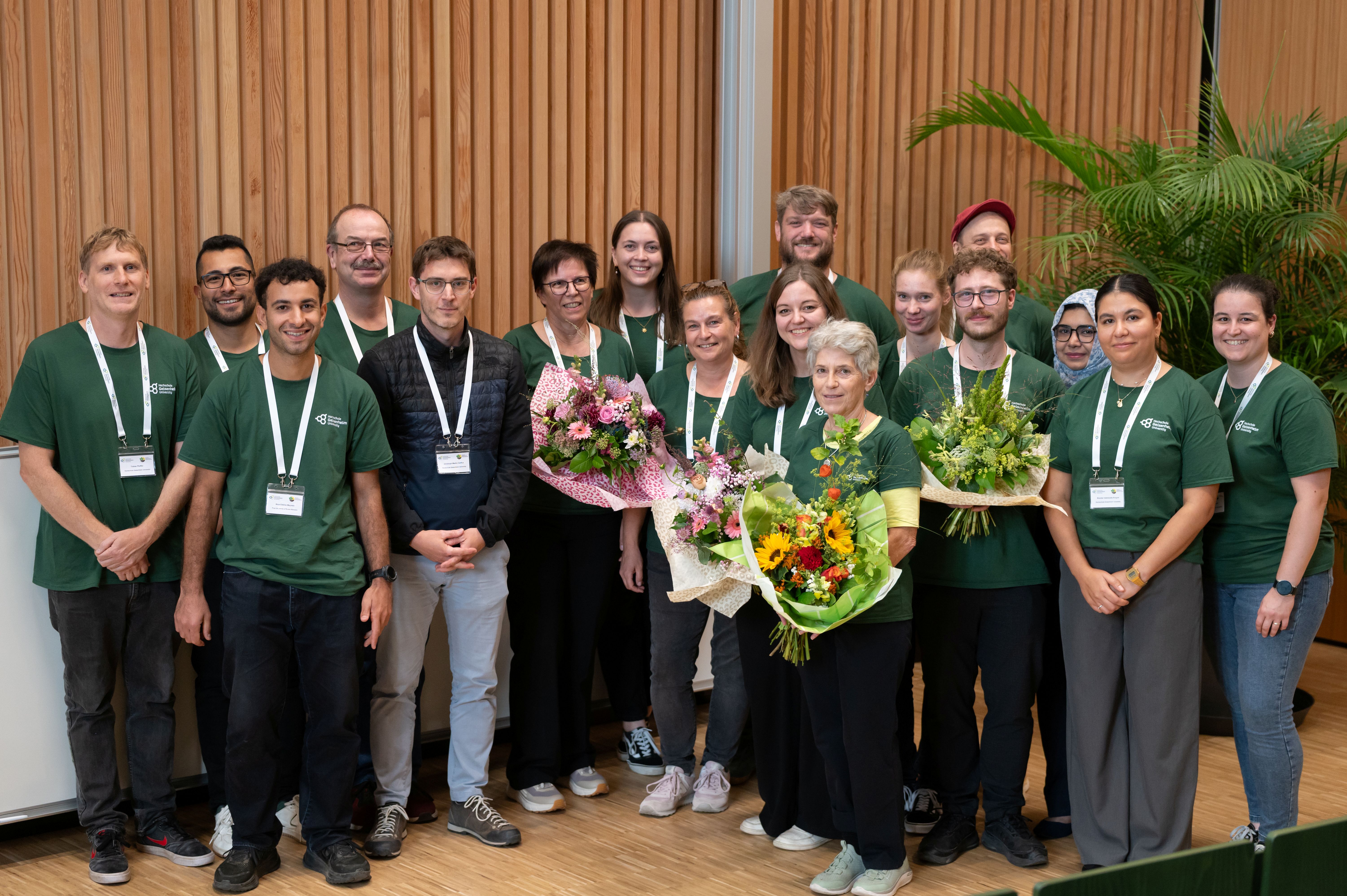
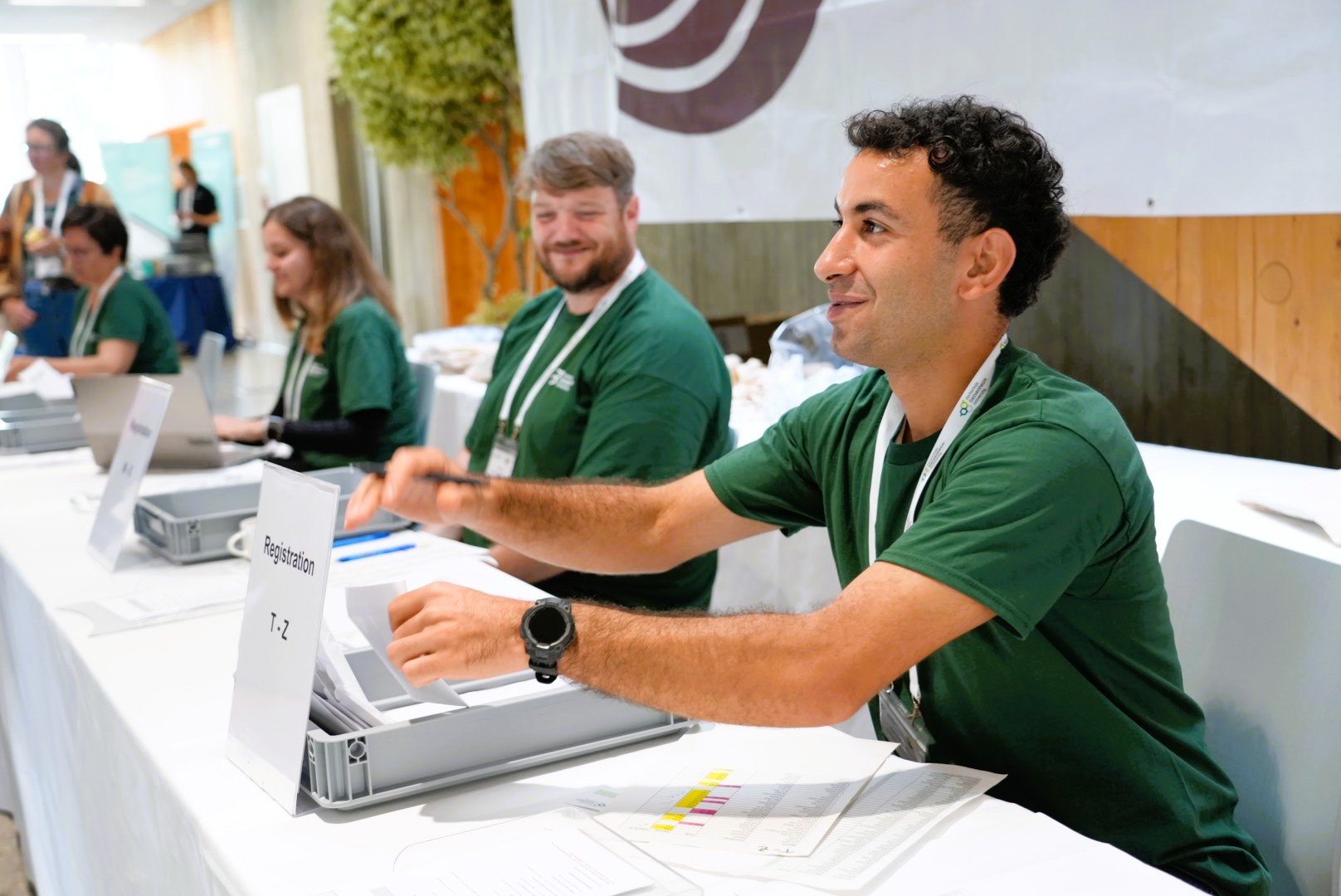
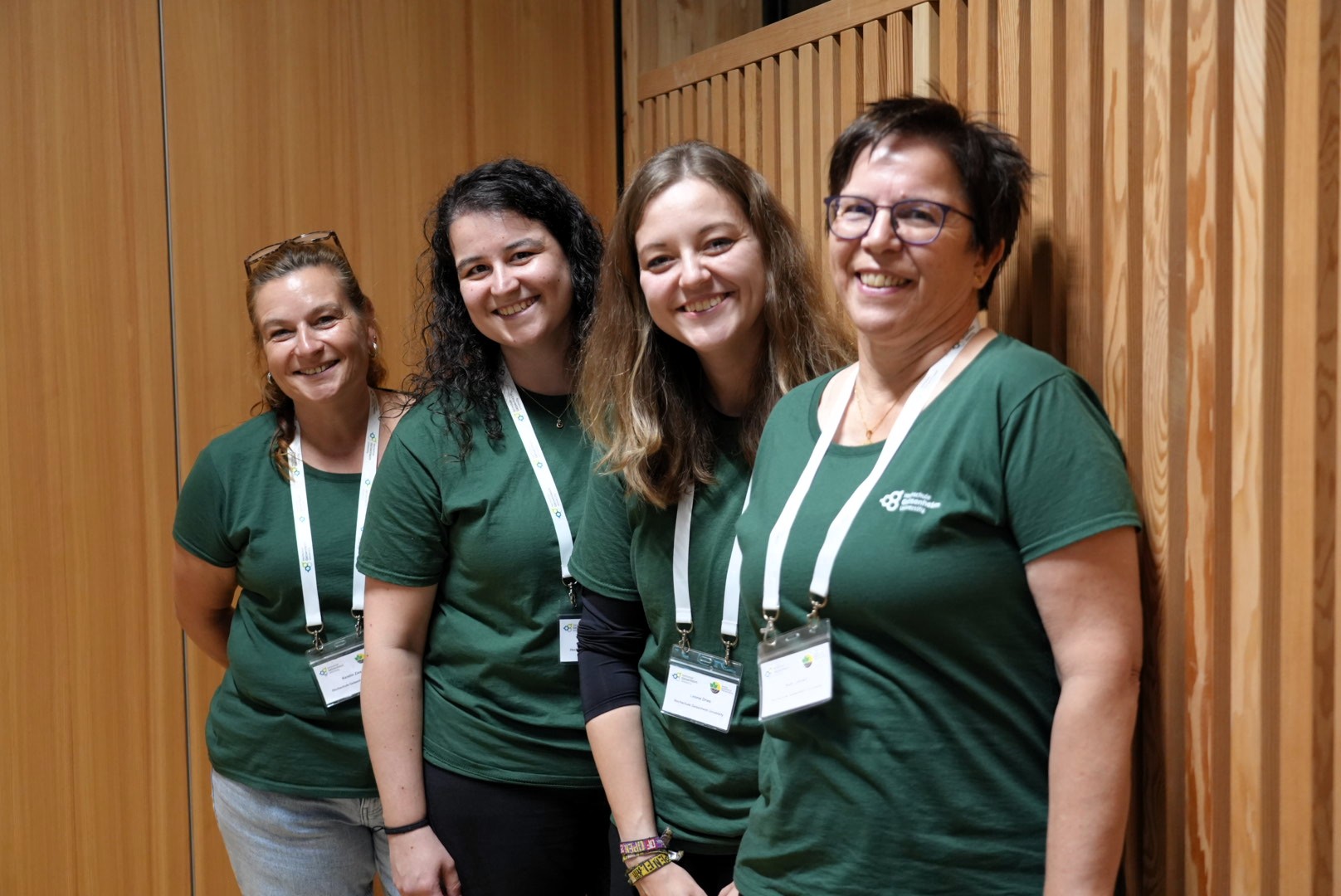
The conference was organized by the German Society of Plant Nutrition in cooperation with the Department of Soil Science and Plant Nutrition of Hochschule Geisenheim University. The Geisenheim organization team included Prof. Dr. habil. Christoph-Martin Geilfus, Dr. Leonie Dries, Joschua Göttmann and Ruth Lehnart as well as Prof. Dr. Davide Francioli from the Professorship for Plant Microbiomics.
Categories: MyHGU-App, Mein-Netzwerk, Veranstaltungen, FORSCHUNG, Bodenkunde und Pflanzenernährung, Nachrichten

Images

Photo: Philipp Stieffenhofer
Photo: Alina Dietze
Photo: Alina Dietze
Photo: Alina Dietze
Photo: Philipp Stieffenhofer
Photo: Alina Dietze
Photo: Alina Dietze
Photo: Alina Dietze
Photo: Alina Dietze
Photo: Alina Dietze
Photo: Alina Dietze
Photo: Alina Dietze
Photo: Alina Dietze

Research brochure (click to enlarge)

Our University has unique opportunities to conduct scientifically recognized and applied research along the entire value chain of special crops. In doing so, we benefit both from a strong network of national and international partners and our own excellent research infrastructure at Geisenheim. Vice-President of Research Professor Annette Reineke