
Research at Hochschule Geisenheim University

Creating Strategies for a Sustainable and Livable Future

Climate Change, Biodiversity Loss, Sustainability Targets – We're Meeting the Planet's Most Urgent Challenges

Our mission is to develop resource-efficient, innovative, and sustainable solutions in the area of agriculture and food. Our work spans a broad range of key issues: advancing organic, climate-resilient cultivation strategies for specialty crops, developing sustainable production and marketing methods, and designing livable cultural landscapes and urban regions. By uniting ecology, profitability, and a focus on quality of life, we aim to create a sustainable future in which society and nature can flourish together.

Our Focus Areas

Sustainable Cultivation Systems for Specialty Crops

Cultivating grapevines, fruit, vegetables, and ornamentals is particularly resource intensive – as such, a careful balance between producing the highest quality products possible and ensuring sustainable practices needs to be struck.

Through our research, we are developing innovative, ecofriendly strategies that ensure healthy harvests and preserve resources. We breed varieties and growth forms that are optimally adapted to climate change, environmental factors, and potential pests and pathogens. Modern sensor systems help control water and nutrient supply with pinpoint accuracy, alternative plant protection strategies – such as the use of antagonists – strengthen plants and their environments, and new digital techniques make precise management measures possible. Together with our partners, we are establishing diverse cultivation strategies that promote biodiversity and preserve ecosystem functions, creating an economically and ecologically sustainable future for viticulture and horticulture.

Innovative and Safe Processing and Marketing for Plant Products

Sustainability in food production spans the entire journey, from cultivation and processing to the moment the product reaches the customer. At every stage, product quality and safety needs to be guaranteed. The bioeconomy plays a key role in this context, enabling the more efficient use of resources, processes, and systems, while supporting the livelihood of the businesses that produce them. 

Through our research, we develop energy and resource-efficient methodologies for processing plant products and extracting valuable ingredients from crops and by-products. We examine microorganisms as natural protective cultures, evaluate the health effects of plant-based ingredients, and conduct sensory tests with our university panel. Market research, consumer behavior analyses, and industry data deliver essential insights for sustainable marketing strategies, particularly in the wine industry. We also analyze the logistical processes, from packing to distribution, and boost the efficiency and sustainability of the entire value chain with the help of modern, digital technologies.

Livable Cultural Landscapes and Urban Regions

Intensified land use has reduced valuable landscape features and biodiversity in many areas. Urban regions are also under pressure to maintain quality of life through green infrastructure such as parks and green belts.

Through our research, we develop methods to optimize and assess urban open spaces and enhance their social sustainability. We create techniques for greening sites with limited soil and for using plants in urban areas in a targeted manner, particularly in the context of climate change. For viticultural landscapes, we design strategies to adapt to climate change and preserve rare species. Additionally, we develop concepts for multifunctional, ecologically valuable, and attractive landscapes that enable new, sustainable production scenarios.

Questions about Our Research?

Please get in touch!

Christiane Jost
Dr. Christiane Jost
Building 5924
Room 01.01
Phone +49 6722 502 6334
Christiane.Jost(at)hs-gm.de Details

News & Latest Projects

International Symposium on the Future of Vine Rootstocks in Geisenheim: New Impetus in the Fight Against Phylloxera

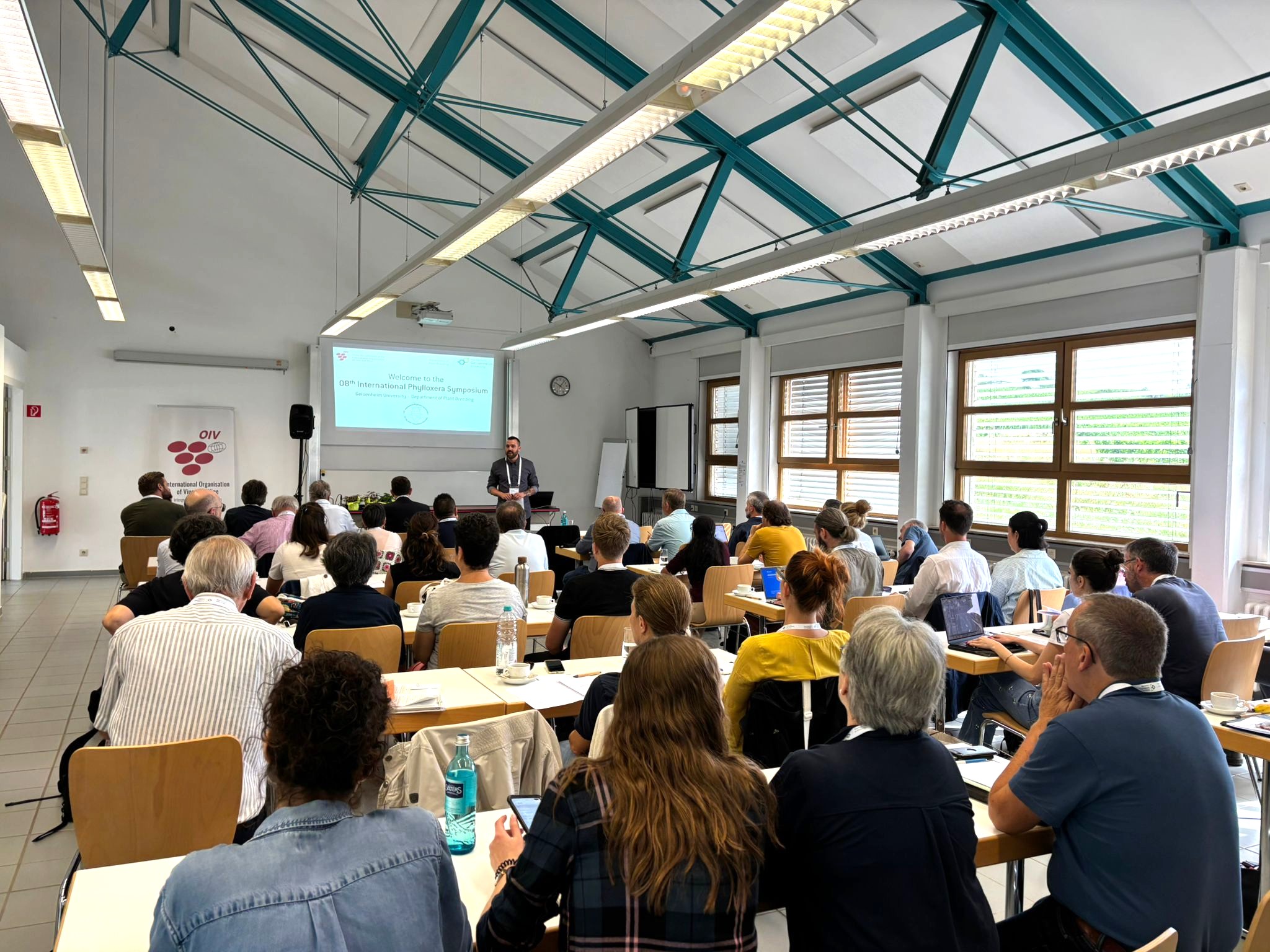
Group photo from the 8th International Phylloxera Symposium. © Hochschule Geisenheim University

Even 160 years after their introduction, the use of resilient vine rootstocks remains the only effective method for controlling Phylloxera. In order to protect viticulture from this dangerous pest in the long term – and to aid in combatting the climate-related challenges such as rising temperatures, drought, and changing nutrient availability – the continued development and breeding of existing rootstocks is absolutely vital.

This was the central theme of an international symposium hosted by the Department of Plant Breeding at Hochschule Geisenheim University on July 26, 2025. Leading academic and industry experts gathered in Geisenheim to present the latest research on the biology and control of phylloxera, delivered through more than ten scientific talks and accompanying poster presentations. Additional topics included the significance of genetic variation, the application of modern genomic breeding methods, and the potential of rootstock varieties to mitigate abiotic stress factors such as drought and high temperatures.

Around 50 participants from diverse professional backgrounds took part, including scientists, nursery and viticulture industry representatives, association members, and students. The event also attracted a broad international audience, with attendees traveling from Australia, New Zealand, North and South America, and European countries such as Italy, France, and Türkiye.

Shared Endeavors in the Face of Global Challenges 

The 8th International Phylloxera Symposium was held under the aegis of the International Organization for Vine and Wine (OIV). Dr. John Barker, Director General of the OIV, emphasized the relevance of the symposium in his welcome address: “Phylloxera was the first large, global challenge for viticulture that demanded coordinated, scientific collaboration to overcome. However, it won't be the last. Only through shared efforts will we be able to find solutions for the global challenges currently facing our industry." University President Professor Hans Reiner Schultz, Vice-President Professor Annette Reineke, and Head of Department Dr. Kai Voss-Fels also welcomed the attendees on behalf of Hochschule Geisenheim University. 

The high level of participation and the engaging expert discussions at the conference underscored that breeding robust, future-proof rootstock varieties is central to addressing the current and emerging challenges facing global viticulture. Dr. Timo Strack, one of the symposium's organizers, summarized this in his closing remarks: “The current and emerging challenges facing viticulture are tremendous. But the possibilities before us – modern technology, a rich treasure trove of genetic resources, and especially a well-established international network – offer us a promising foundation for future success in the field of plant breeding.”

The International Phylloxera Expert Group was also reformed during the symposium. Taking a globally networked approach, it will work on effective strategies for combating phylloxera and sustainably improving the resilience of rootstock varieties.
Categories: MyHGU-App, Mein-Netzwerk, Weinwissenschaften, Rebenzüchtung, Phytomedizin, Allgemeiner und ökologischer Weinbau

Images

Dr. Timo Strack welcomes guests. © OIV/Enrico Battiston

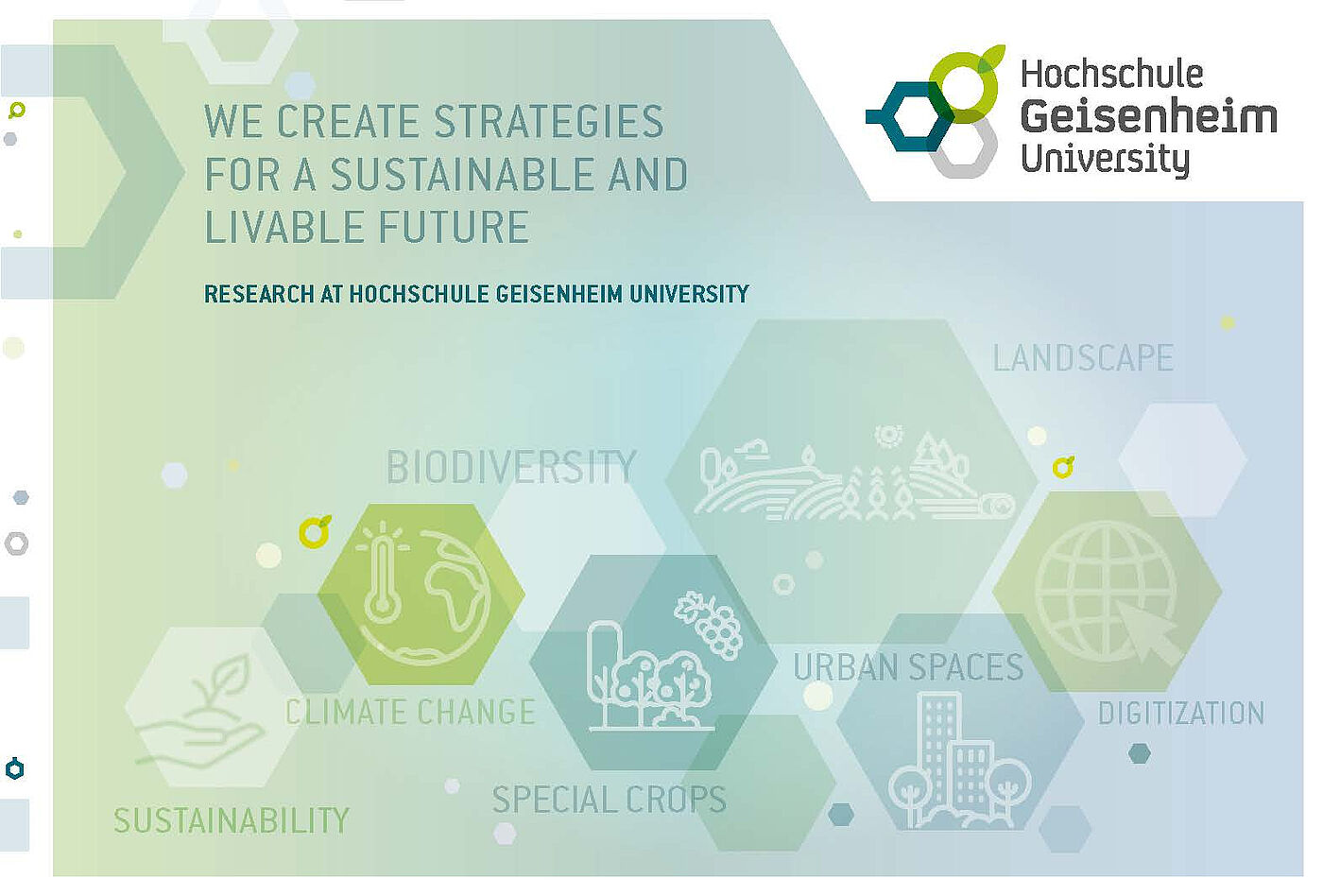
Research brochure (click to enlarge)

Our University has unique opportunities to conduct scientifically recognized and applied research along the entire value chain of special crops. In doing so, we benefit both from a strong network of national and international partners and our own excellent research infrastructure at Geisenheim. Vice-President of Research Professor Annette Reineke