Research at Hochschule Geisenheim University

Creating Strategies for a Sustainable and Livable Future

Climate Change, Biodiversity Loss, Sustainability Targets – We're Meeting the Planet's Most Urgent Challenges

Our mission is to develop resource-efficient, innovative, and sustainable solutions in the area of agriculture and food. Our work spans a broad range of key issues: advancing organic, climate-resilient cultivation strategies for specialty crops, developing sustainable production and marketing methods, and designing livable cultural landscapes and urban regions. By uniting ecology, profitability, and a focus on quality of life, we aim to create a sustainable future in which society and nature can flourish together.

Our Focus Areas

Sustainable Cultivation Systems for Specialty Crops

Cultivating grapevines, fruit, vegetables, and ornamentals is particularly resource intensive – as such, a careful balance between producing the highest quality products possible and ensuring sustainable practices needs to be struck.

Through our research, we are developing innovative, ecofriendly strategies that ensure healthy harvests and preserve resources. We breed varieties and growth forms that are optimally adapted to climate change, environmental factors, and potential pests and pathogens. Modern sensor systems help control water and nutrient supply with pinpoint accuracy, alternative plant protection strategies – such as the use of antagonists – strengthen plants and their environments, and new digital techniques make precise management measures possible. Together with our partners, we are establishing diverse cultivation strategies that promote biodiversity and preserve ecosystem functions, creating an economically and ecologically sustainable future for viticulture and horticulture.

Innovative and Safe Processing and Marketing for Plant Products

Sustainability in food production spans the entire journey, from cultivation and processing to the moment the product reaches the customer. At every stage, product quality and safety needs to be guaranteed. The bioeconomy plays a key role in this context, enabling the more efficient use of resources, processes, and systems, while supporting the livelihood of the businesses that produce them. 

Through our research, we develop energy and resource-efficient methodologies for processing plant products and extracting valuable ingredients from crops and by-products. We examine microorganisms as natural protective cultures, evaluate the health effects of plant-based ingredients, and conduct sensory tests with our university panel. Market research, consumer behavior analyses, and industry data deliver essential insights for sustainable marketing strategies, particularly in the wine industry. We also analyze the logistical processes, from packing to distribution, and boost the efficiency and sustainability of the entire value chain with the help of modern, digital technologies.

Livable Cultural Landscapes and Urban Regions

Intensified land use has reduced valuable landscape features and biodiversity in many areas. Urban regions are also under pressure to maintain quality of life through green infrastructure such as parks and green belts.

Through our research, we develop methods to optimize and assess urban open spaces and enhance their social sustainability. We create techniques for greening sites with limited soil and for using plants in urban areas in a targeted manner, particularly in the context of climate change. For viticultural landscapes, we design strategies to adapt to climate change and preserve rare species. Additionally, we develop concepts for multifunctional, ecologically valuable, and attractive landscapes that enable new, sustainable production scenarios.

Questions about Our Research?

Please get in touch!

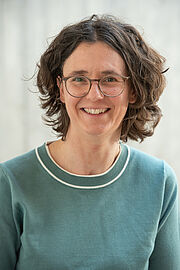
Christiane Jost
Dr. Christiane Jost
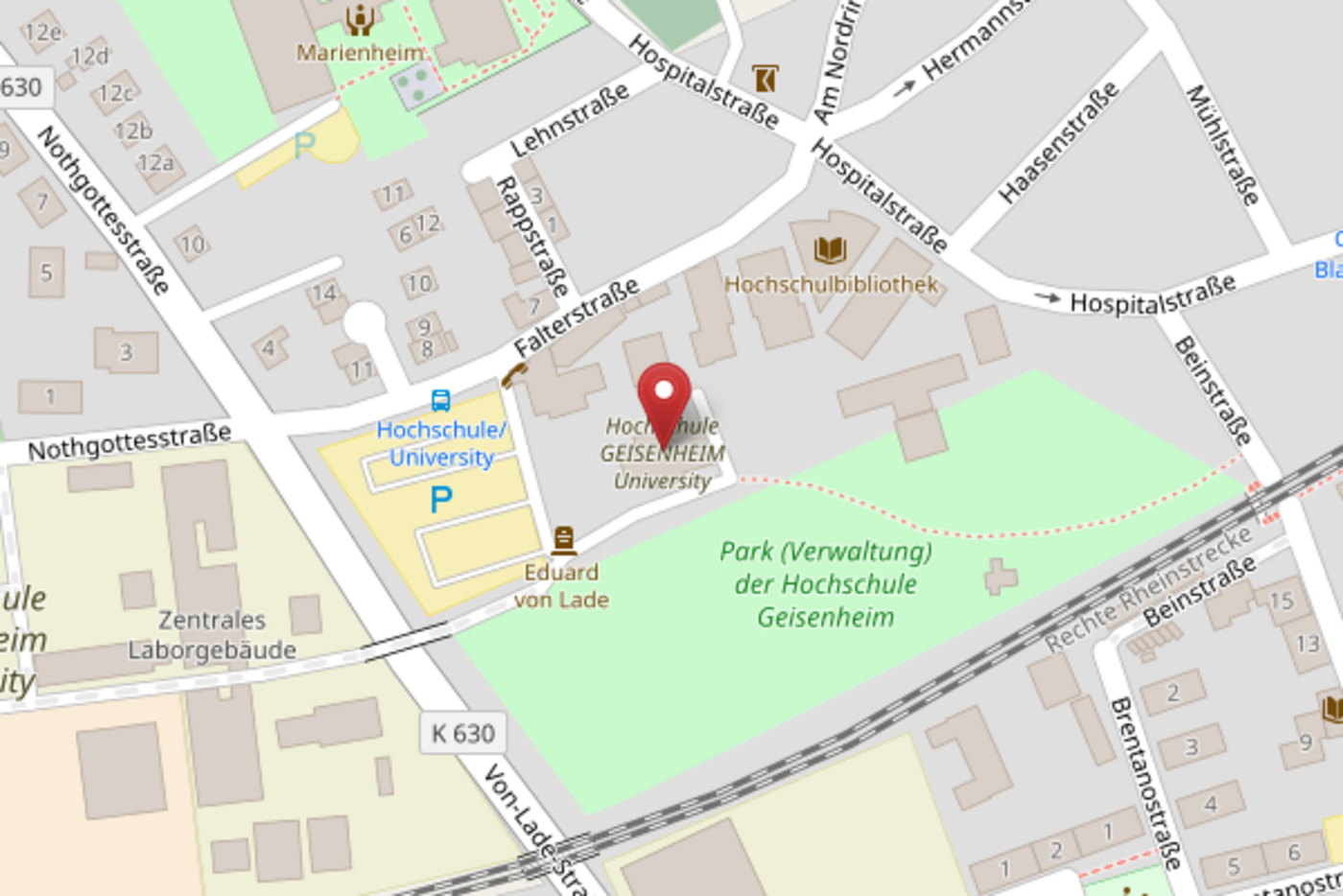
Building 5924
Room 01.01
Phone +49 6722 502 6334
Christiane.Jost(at)hs-gm.de Details

News & Latest Projects

Record Number of Visitors Attend Open Campus

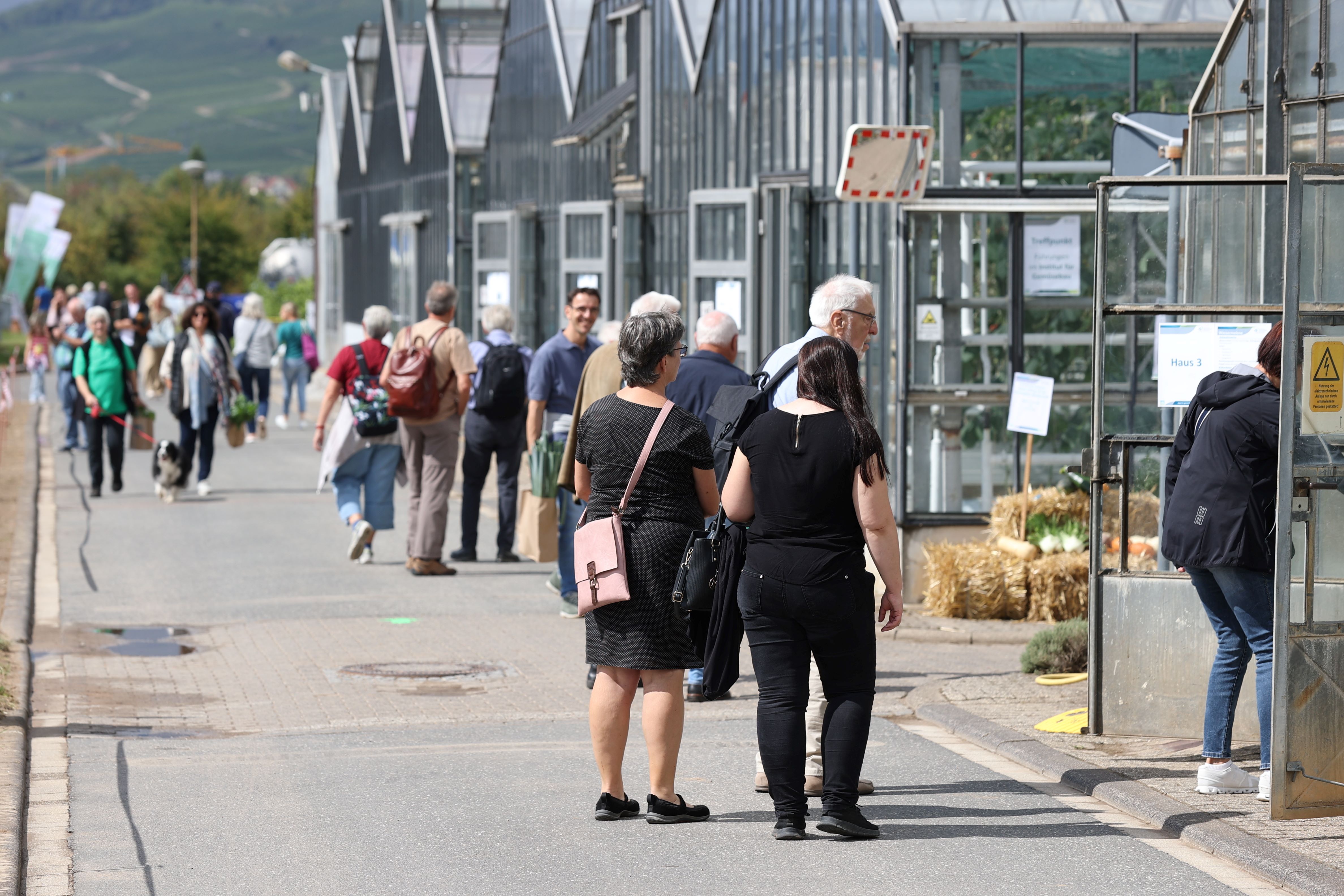
A record number of visitors attended the Open Campus (Photo: Hochschule Geisenheim / Kalbacho)

This past weekend, Hochschule Geisenheim University opened its doors wide to welcome guests to its Open Campus. Held under the theme ‘Research, Education, Praxis’, the event attracted plenty of visitors, including curious members of the public, prospective students, and alumni. Over the course of two days around 8,000 to 10,000 guests from near and far enjoyed a wealth of fascinating insights from the world of wine, beverages, food, horticulture, and landscape architecture, setting a new record for the university.

Activities for the Whole Family 

This was Geisenheim's first Open Campus event in six years, and the university made sure to pull out all the stops: with over 100 exhibitions, tours, tastings, talks, and hand-on activities run by the different departments and Hesse's Agricultural Enterprise Horticultural Center (LLH), there was plenty for both adults and kids to get stuck into. Visitors also had the chance to explore four newly opened buildings on campus, adding extra excitement to the day.

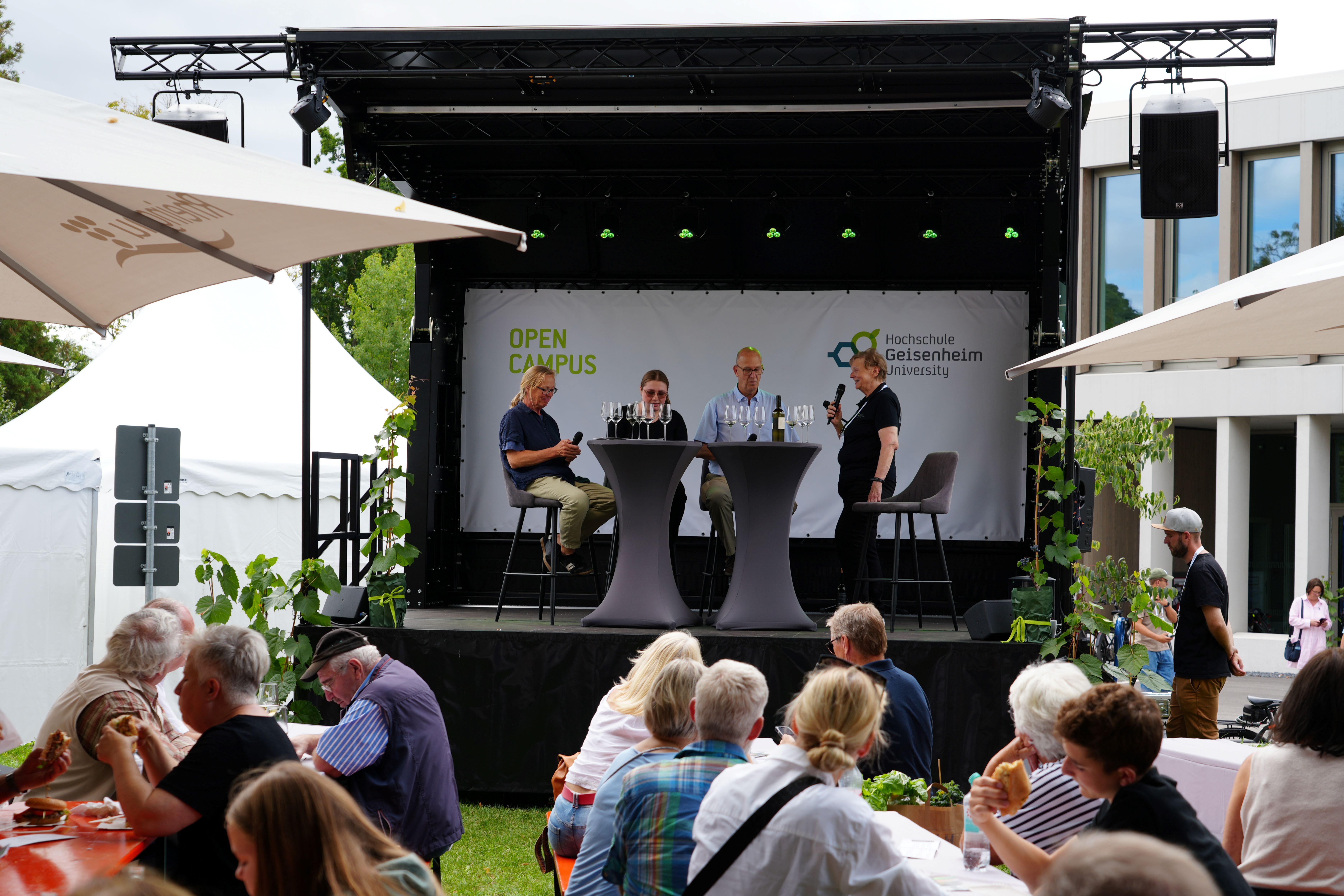
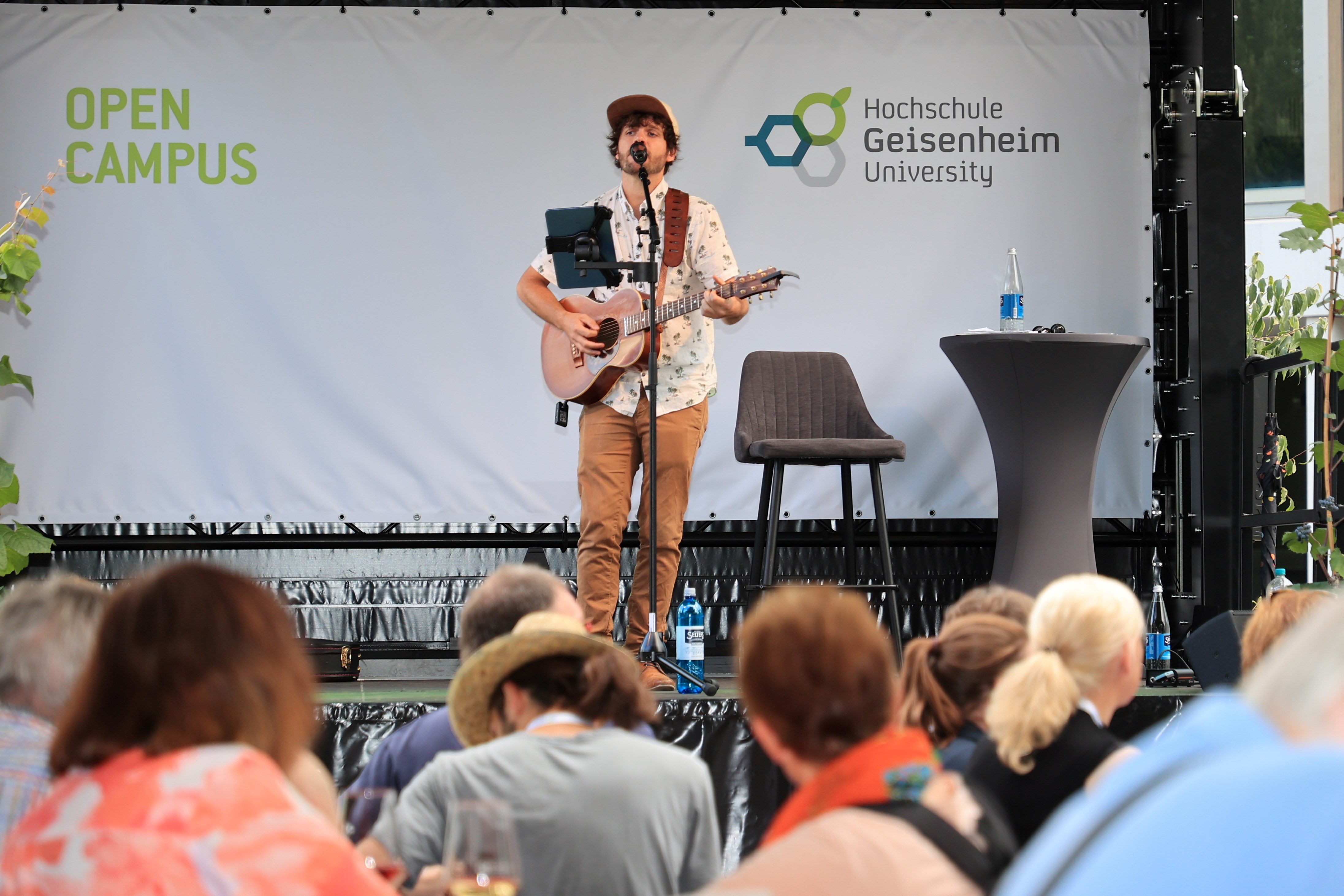
Highlights from the event stage included a wine tasting with volunteers from the audience led by Professor Monika Christmann, the premiere of Galli Theater Wiesbaden's ‘250 Jahre Spätlesereiter’, and a panel discussion with University President Professor Hans Reiner Schultz and Geisenheim's mayor, Christian Aßmann, followed by a guided tour for interested guests. Music added to the festive atmosphere, with performances by the Rheingau duo Gude & Hola and former Geisenheim student Dudley Fairbrass.

A Heartfelt Thank You 

“We are delighted with the tremendous interest our Open Campus event attracted and would like to thank all our guests for joining us. Our thanks also go out to our external partners as well as the many colleagues and students from the university and LLH who put this impressive program together; together, they helped bring the university's wide range of research focus areas and teaching activities closer to the general public," said Professor Hans Reiner Schultz.
Categories: Zentralredaktion, MyHGU-App, Mein-Netzwerk, Alumni, AStA, Studieninteressierte, Open Campus, STUDIUM, HOCHSCHULE, FORSCHUNG, Nachrichten

Images

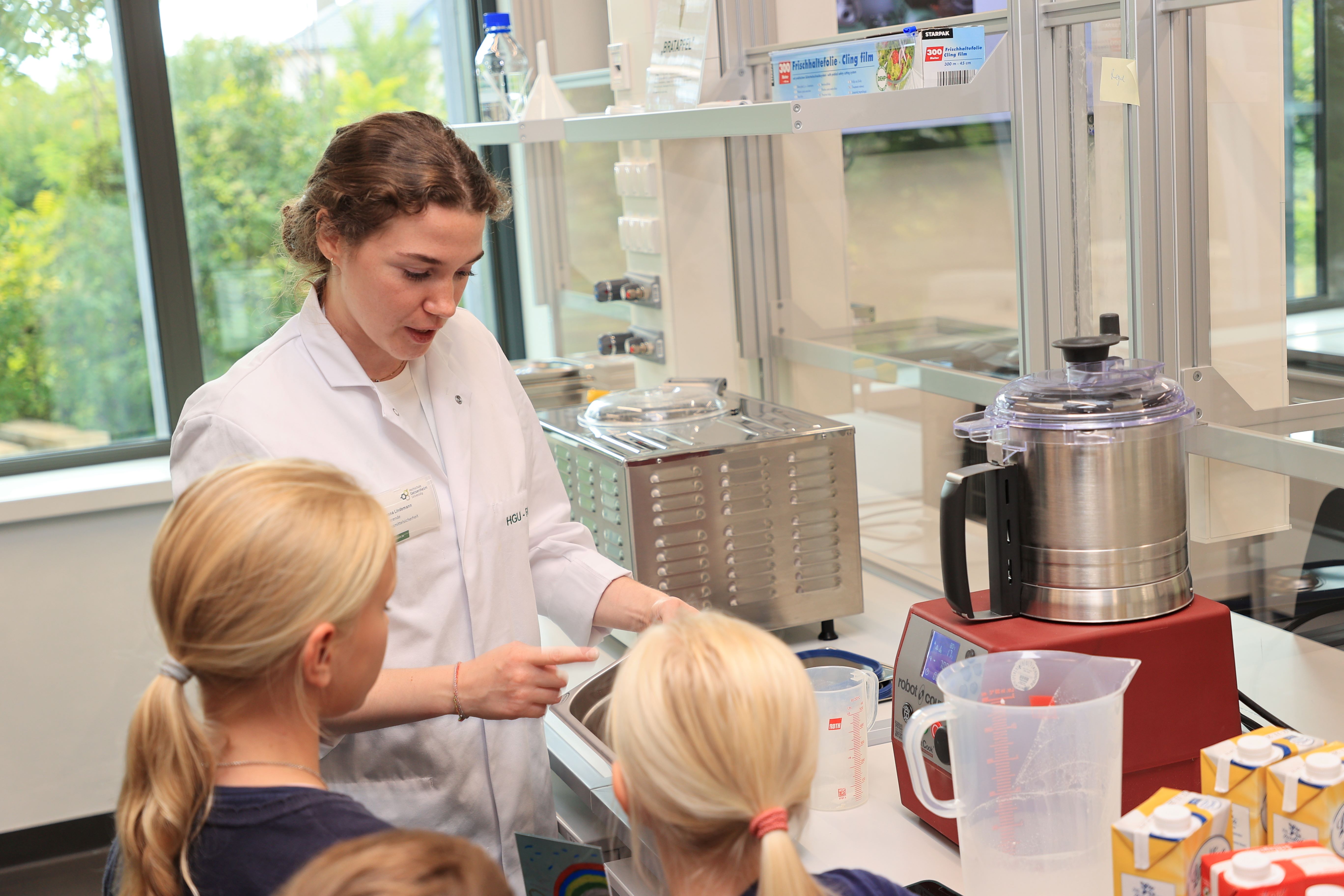
Ice cream production in the Department of Food Safety (Photo: Hochschule Geisenheim / Kalbacho)
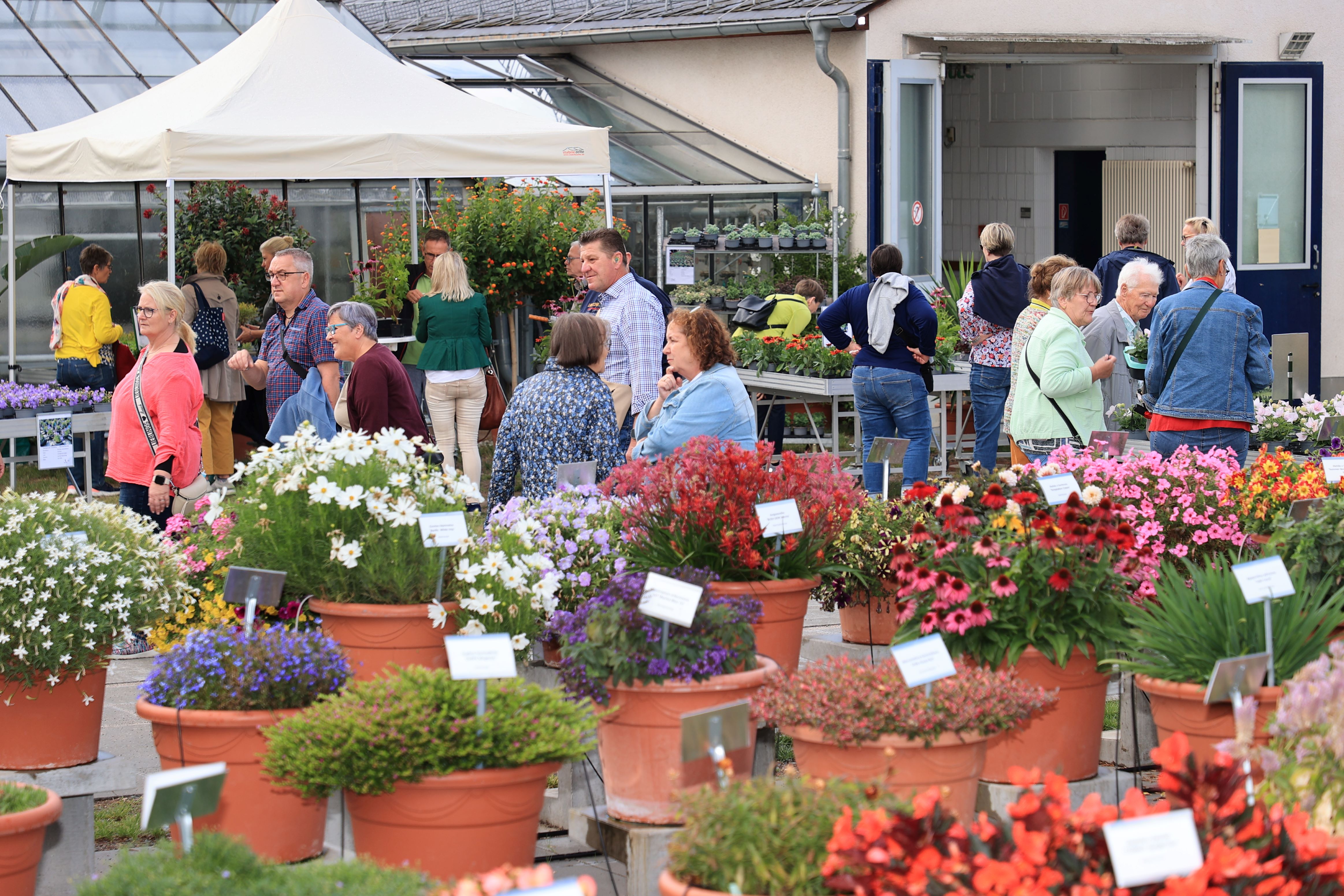
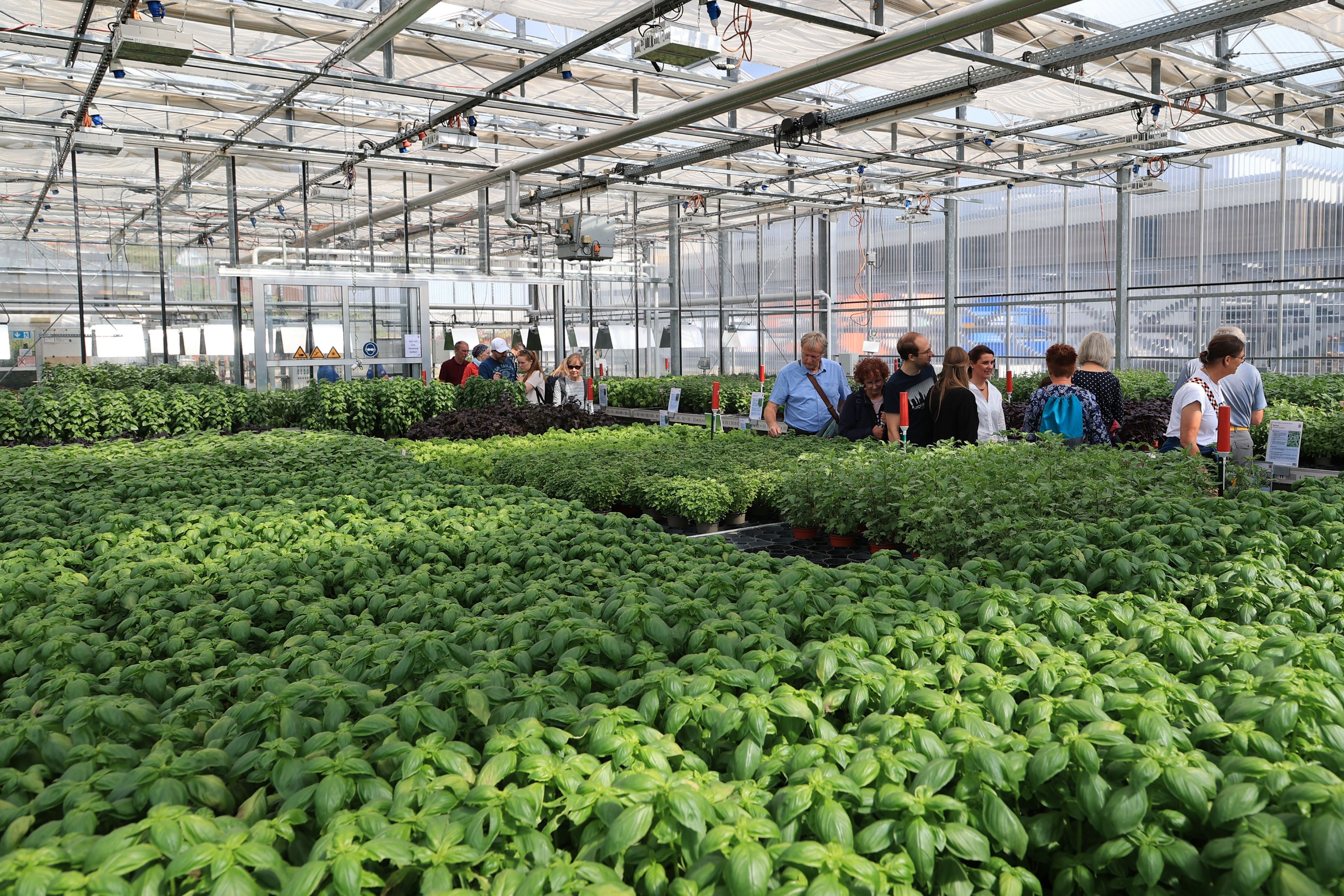
Various basil varieties were presented for sale by the LLH (Photo: Hochschule Geisenheim / Kalbacho)
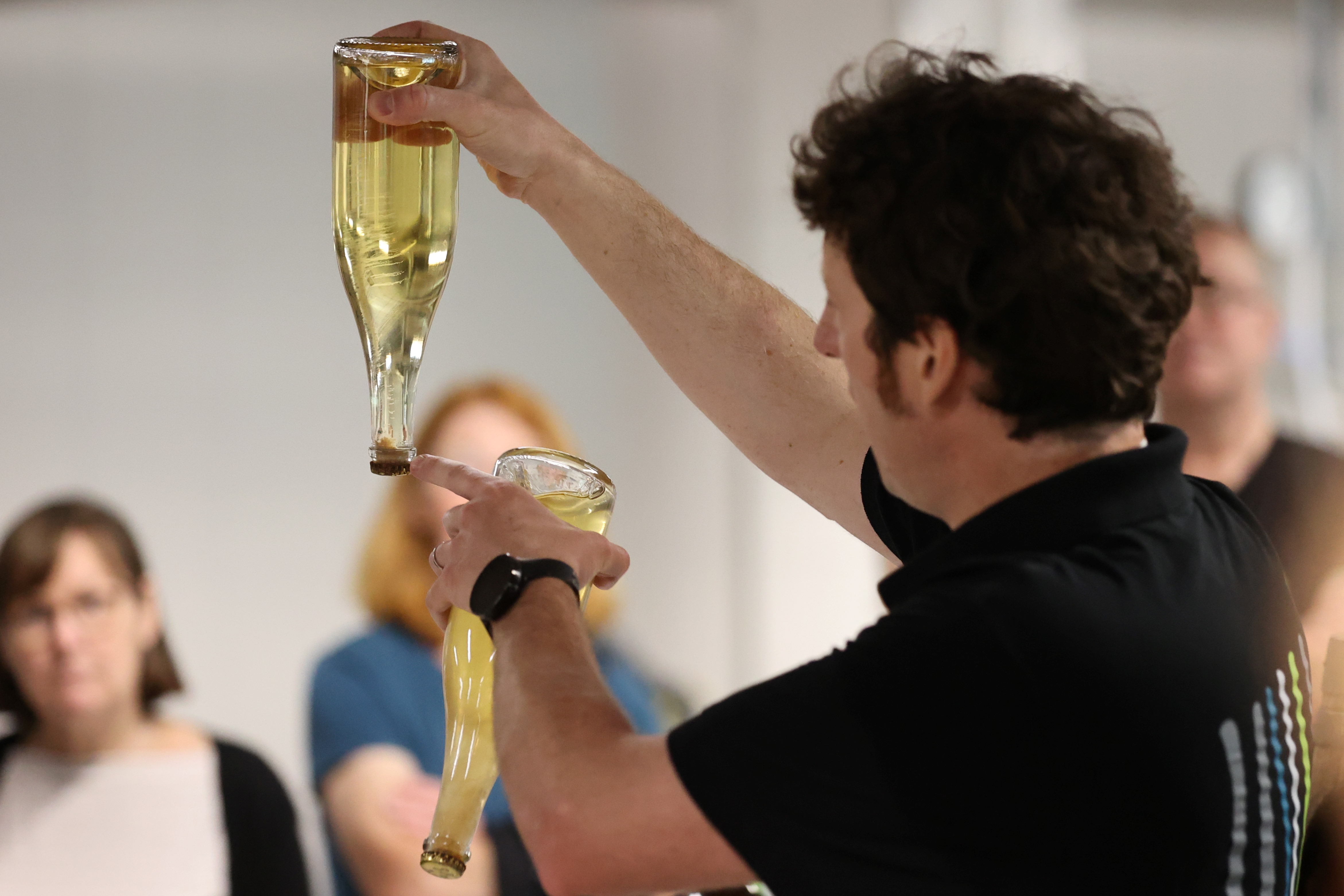
Tour of the new Sekt cellar (Photo: Hochschule Geisenheim / Kalbacho)
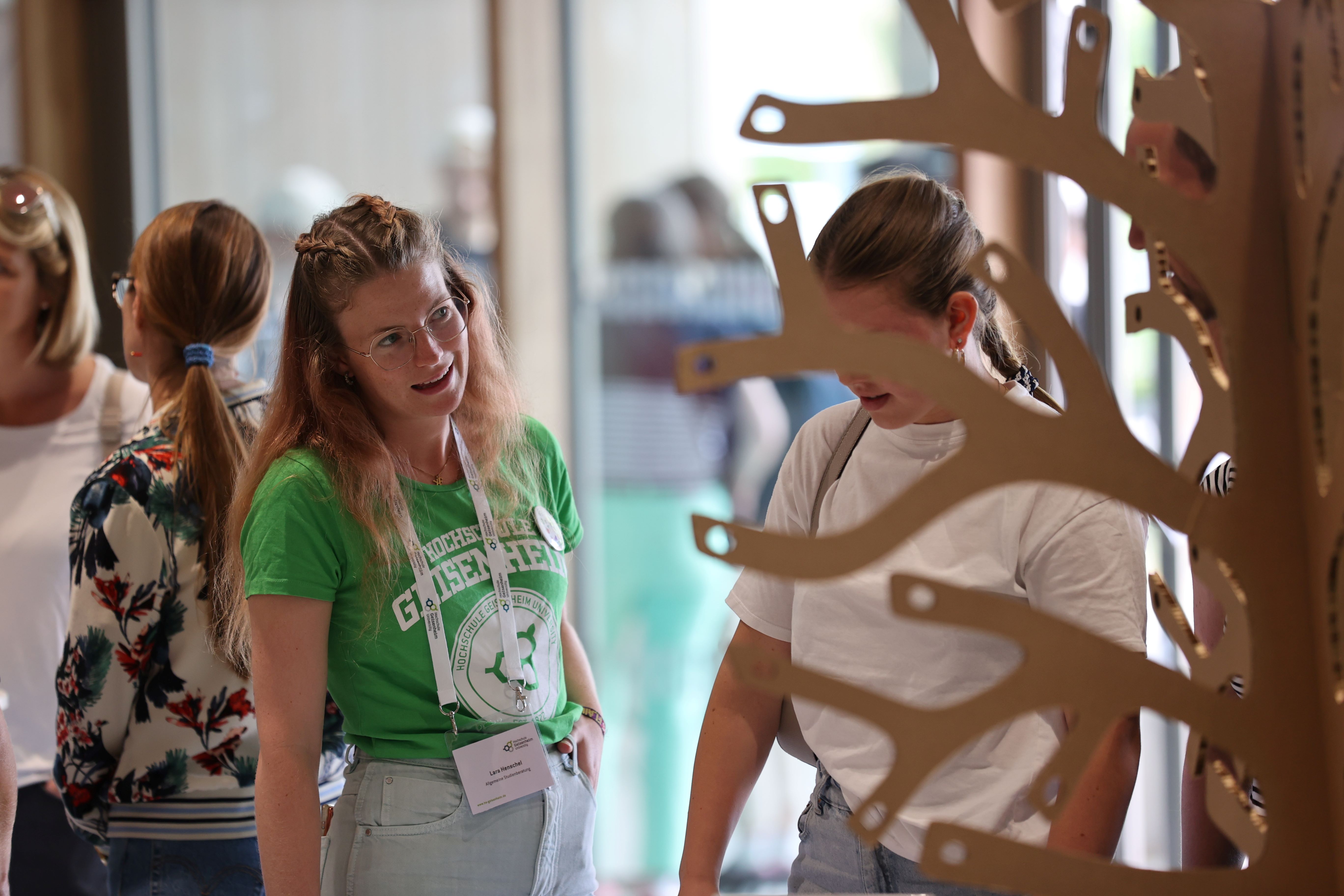
A Study Info Day was held as part of the Open Campus (Photo: Hochschule Geisenheim / Kalbacho)
Perennials on sale (Photo: Hochschule Geisenheim / Kalbacho)
Live tasting of the university's own wine with members of the public (Photo: Hochschule Geisenheim / Kalbacho)
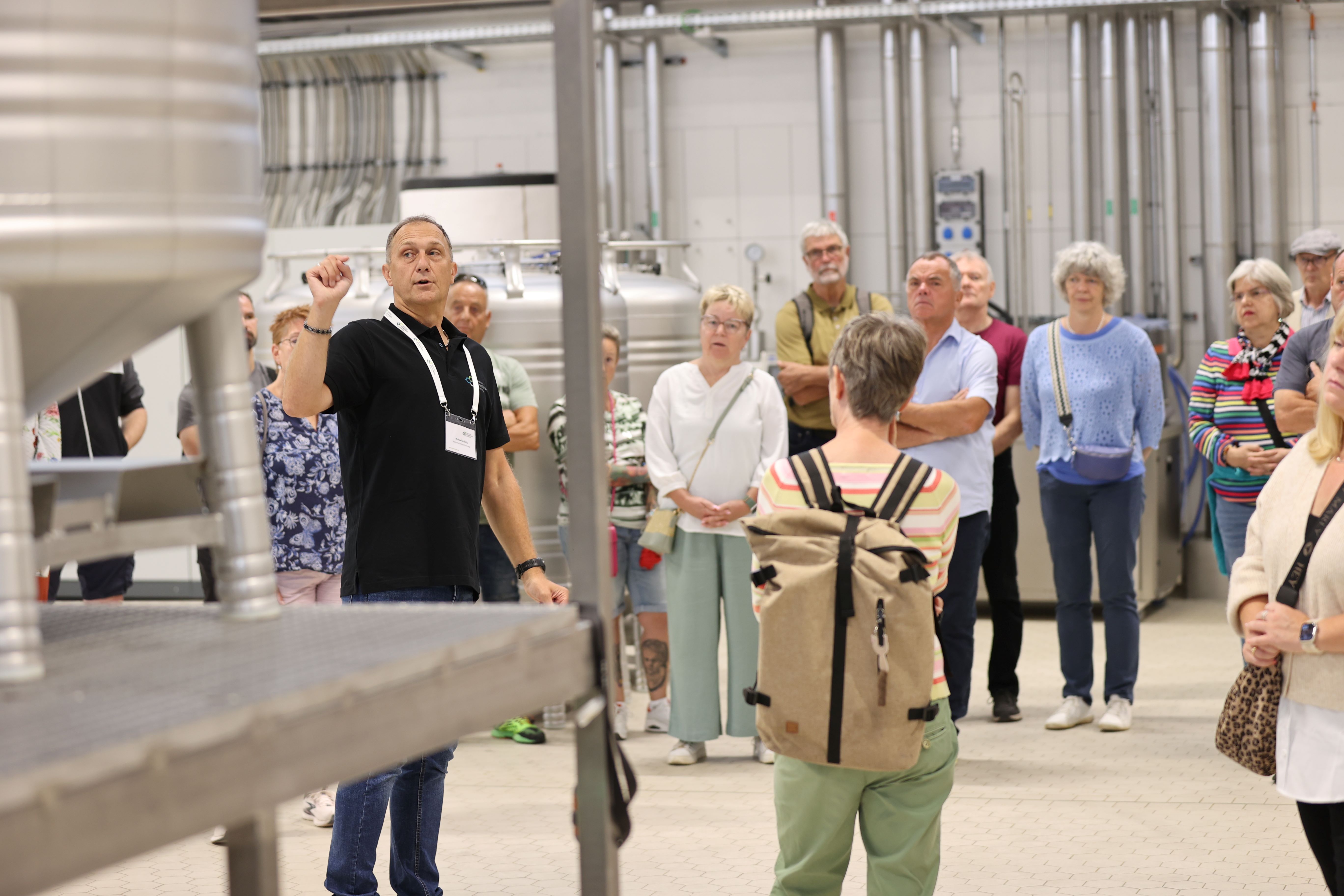
A tour of the university's new Beverage Technology Center (Photo: Hochschule Geisenheim / Kalbacho)
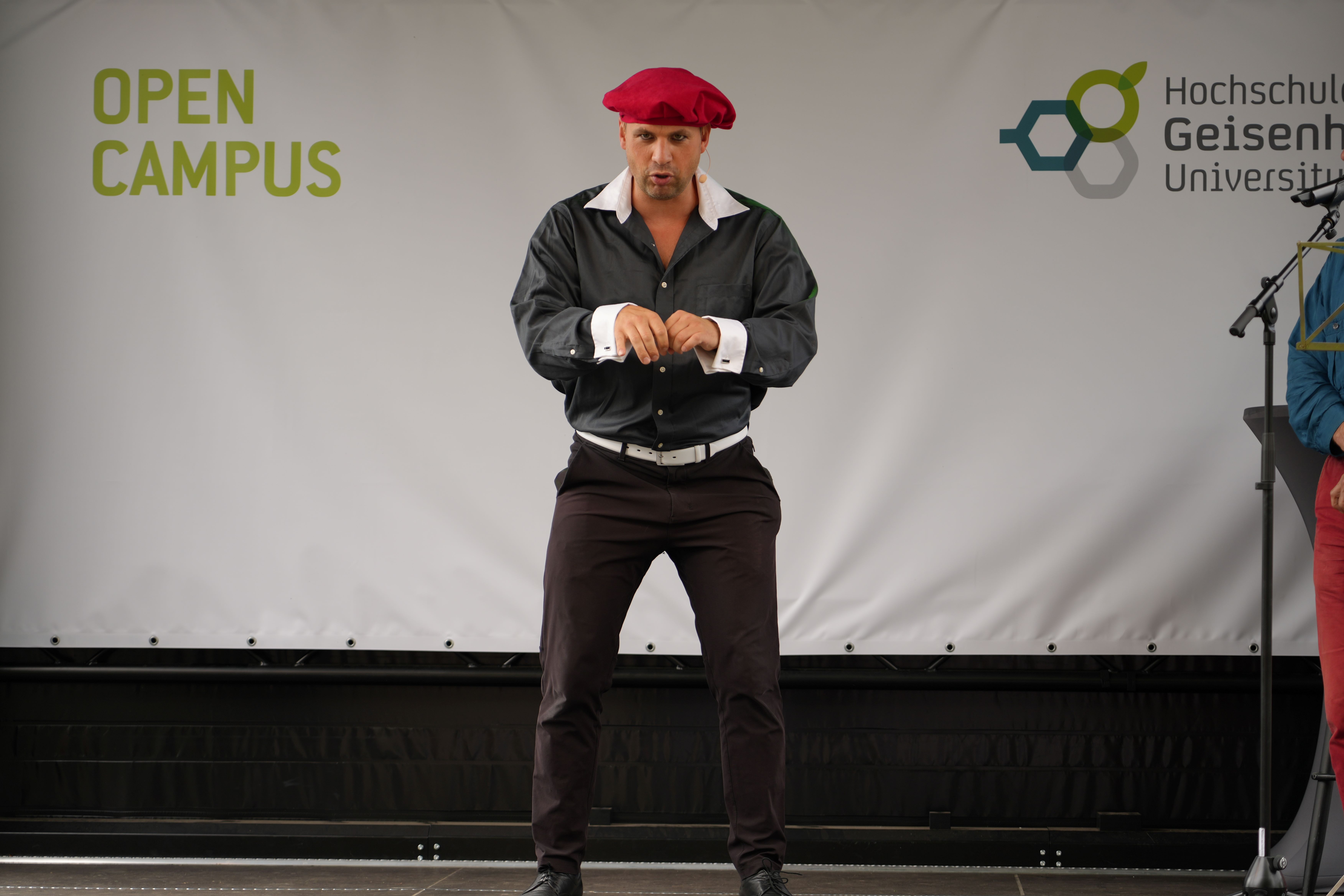
Premiere of the Galli Theater Wiesbaden's '250 Jahre Spätlesereiter' (Photo: Hochschule Geisenheim / Kalbacho)
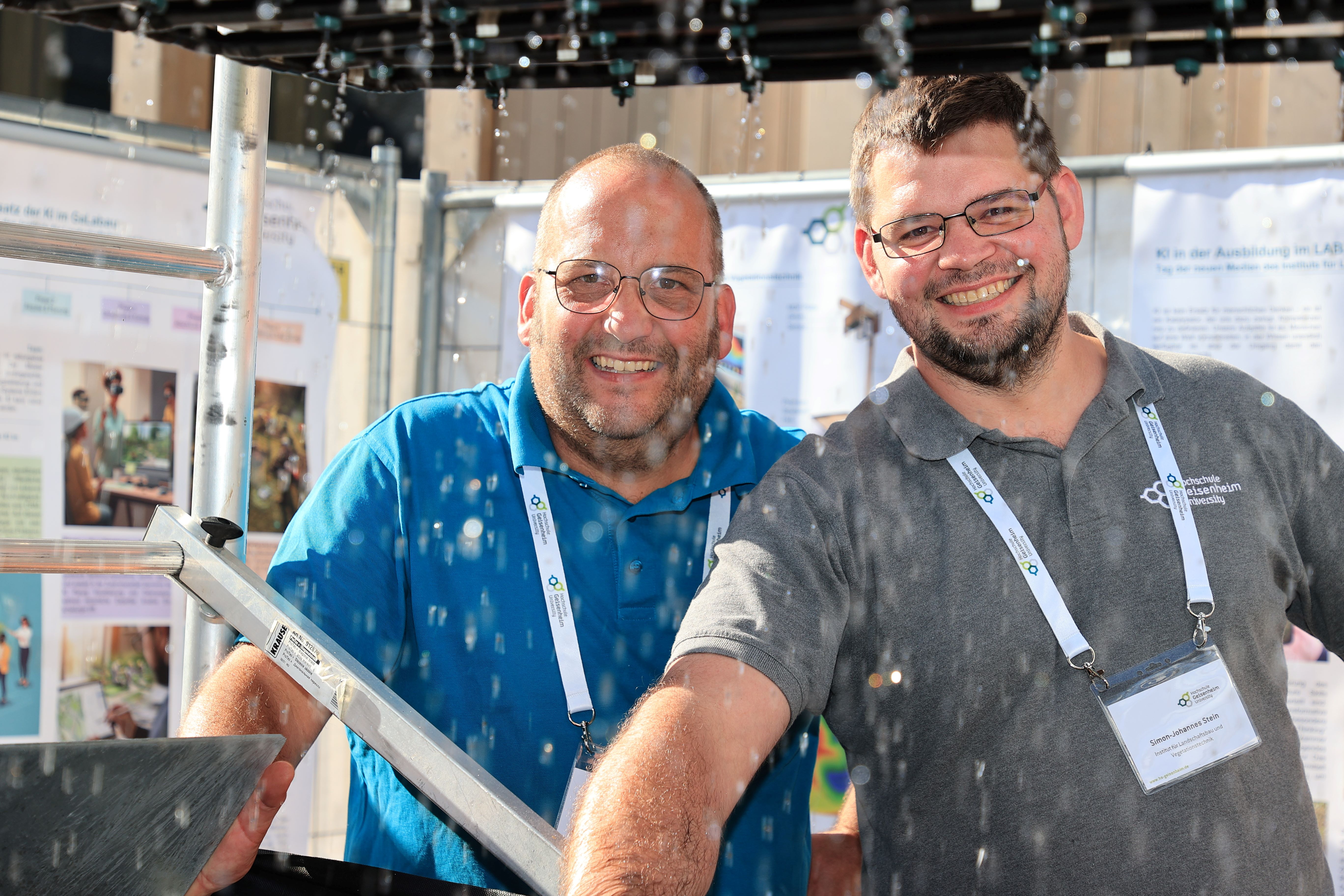
The Department of Landscape Architecture presents its concepts for the design of outdoor facilities, complete with simulated rain (Photo: Hochschule Geisenheim / Kalbacho)
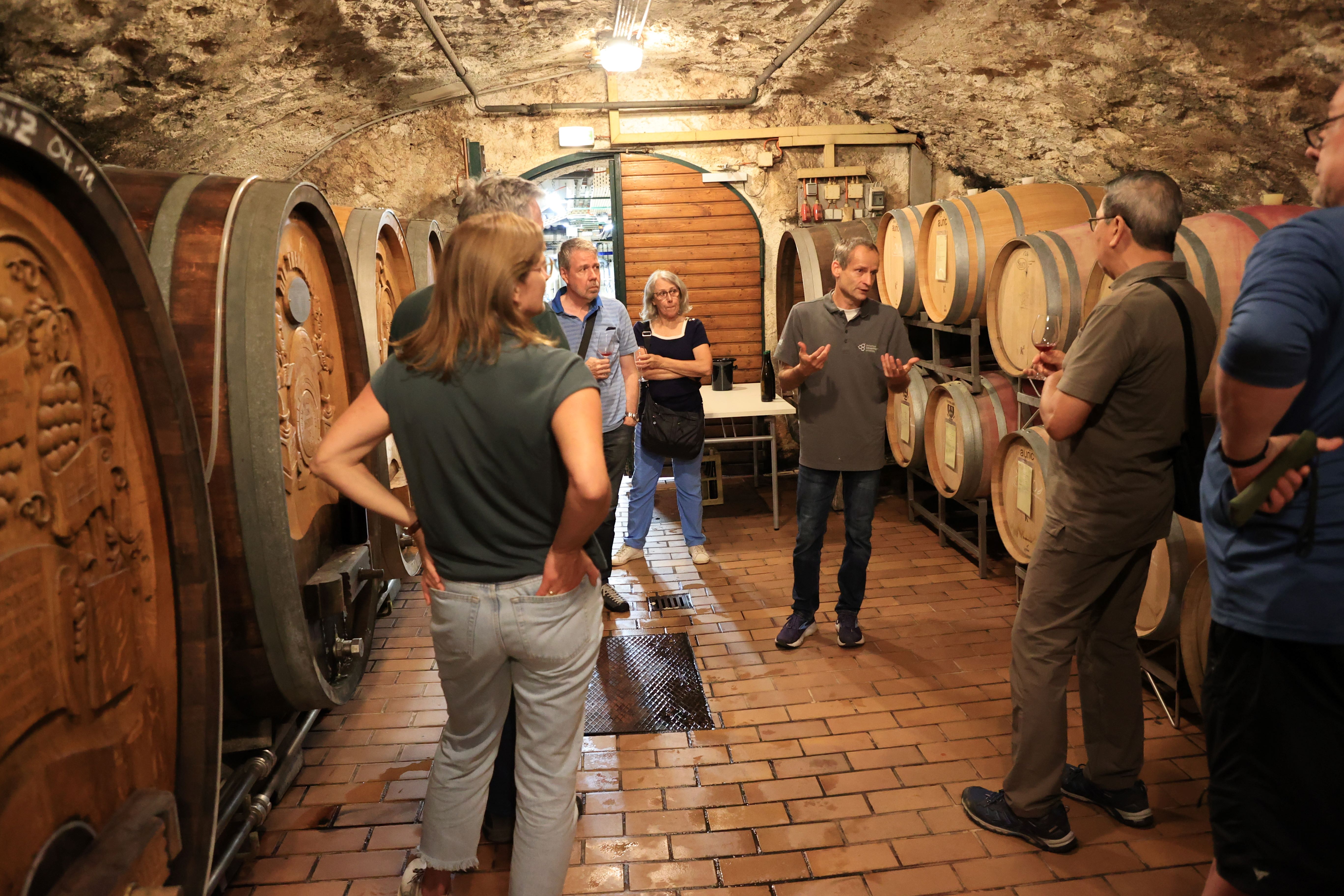
Tour of the wine cellar hosted by the Department of Enology (Photo: Hochschule Geisenheim / Kalbacho)
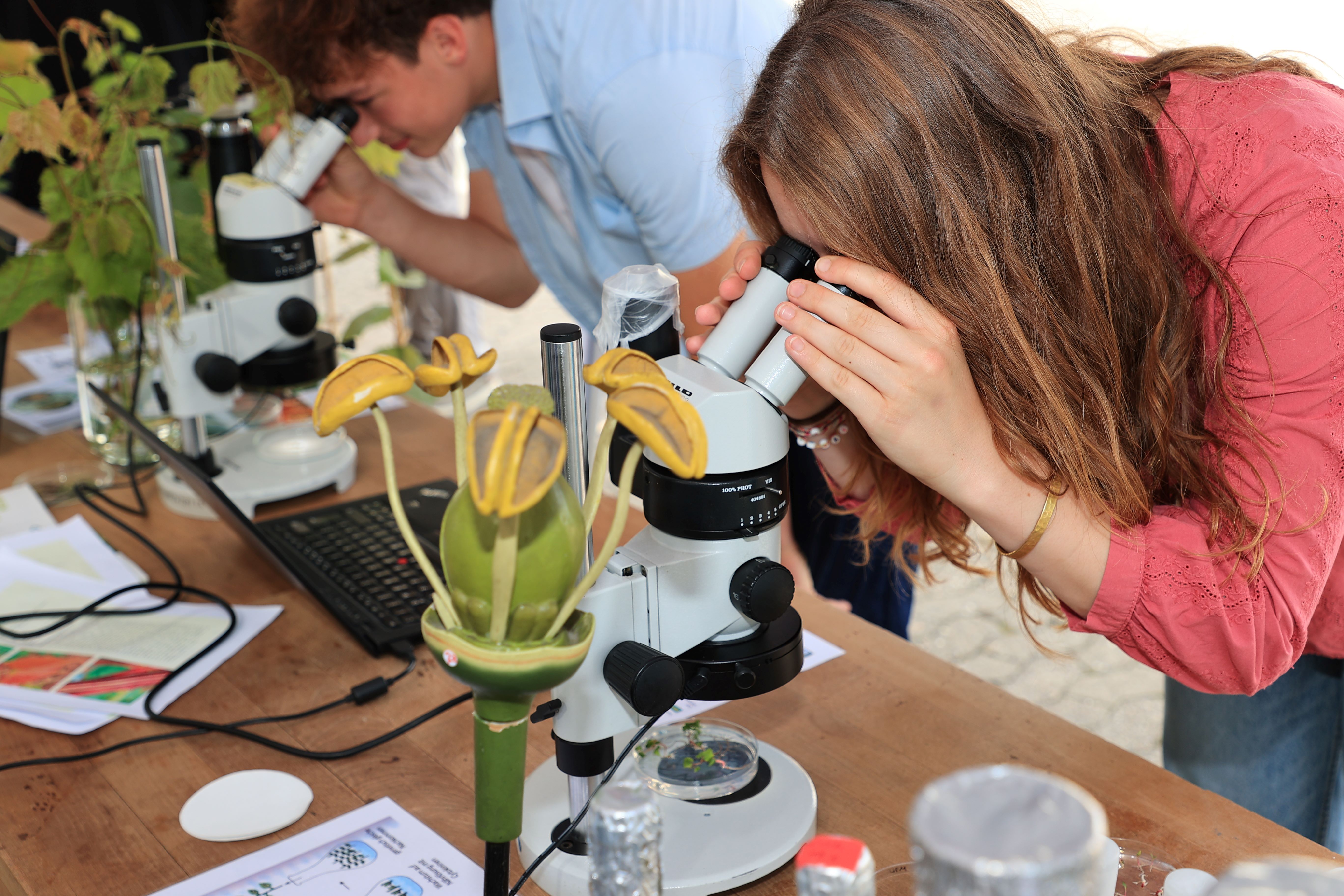
Phylloxera under the microscope at the Department of Plant Breeding (Photo: Hochschule Geisenheim / Kalbacho)
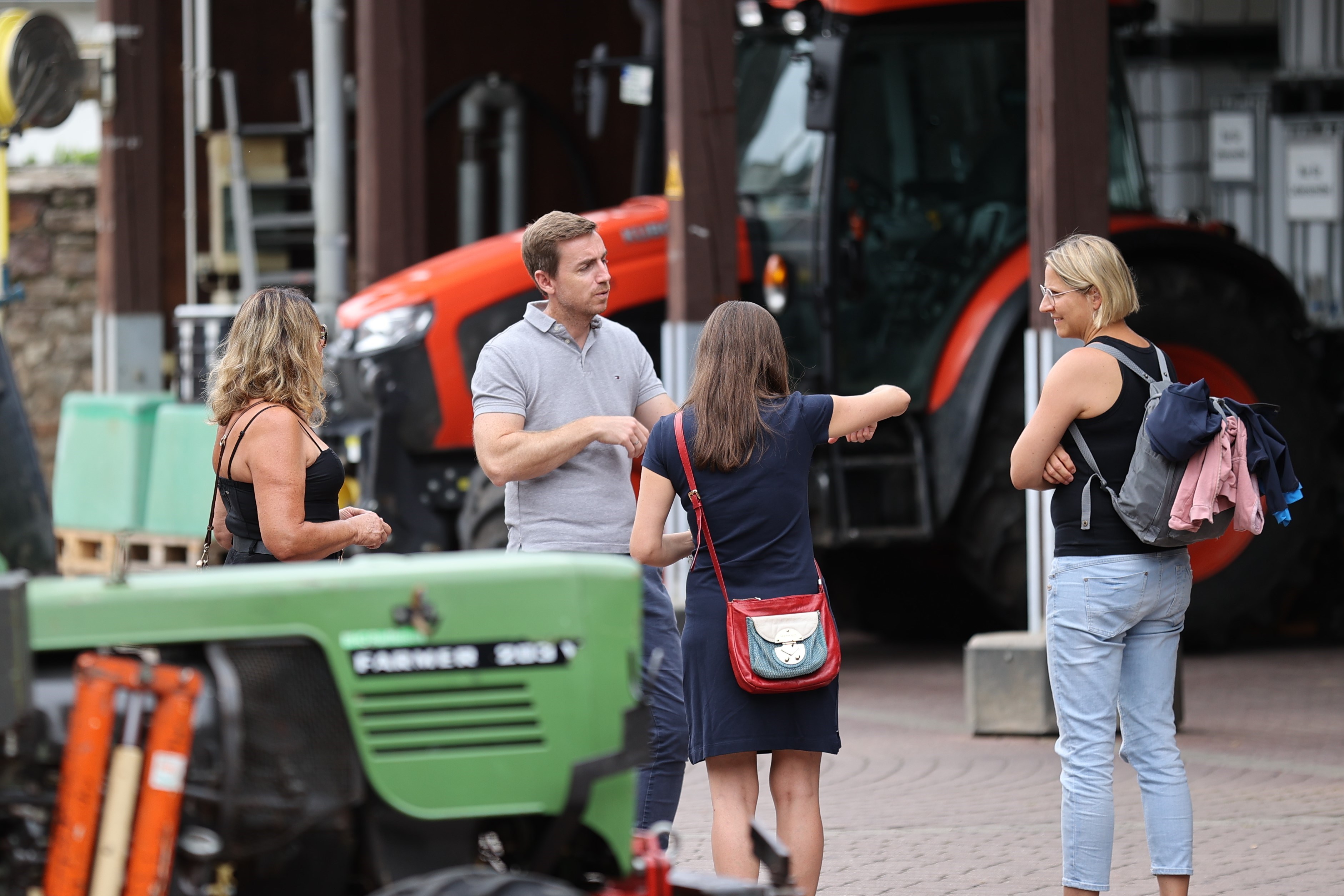
Presenting the tools and vehicles used in viticulture (Photo: Hochschule Geisenheim / Kalbacho)
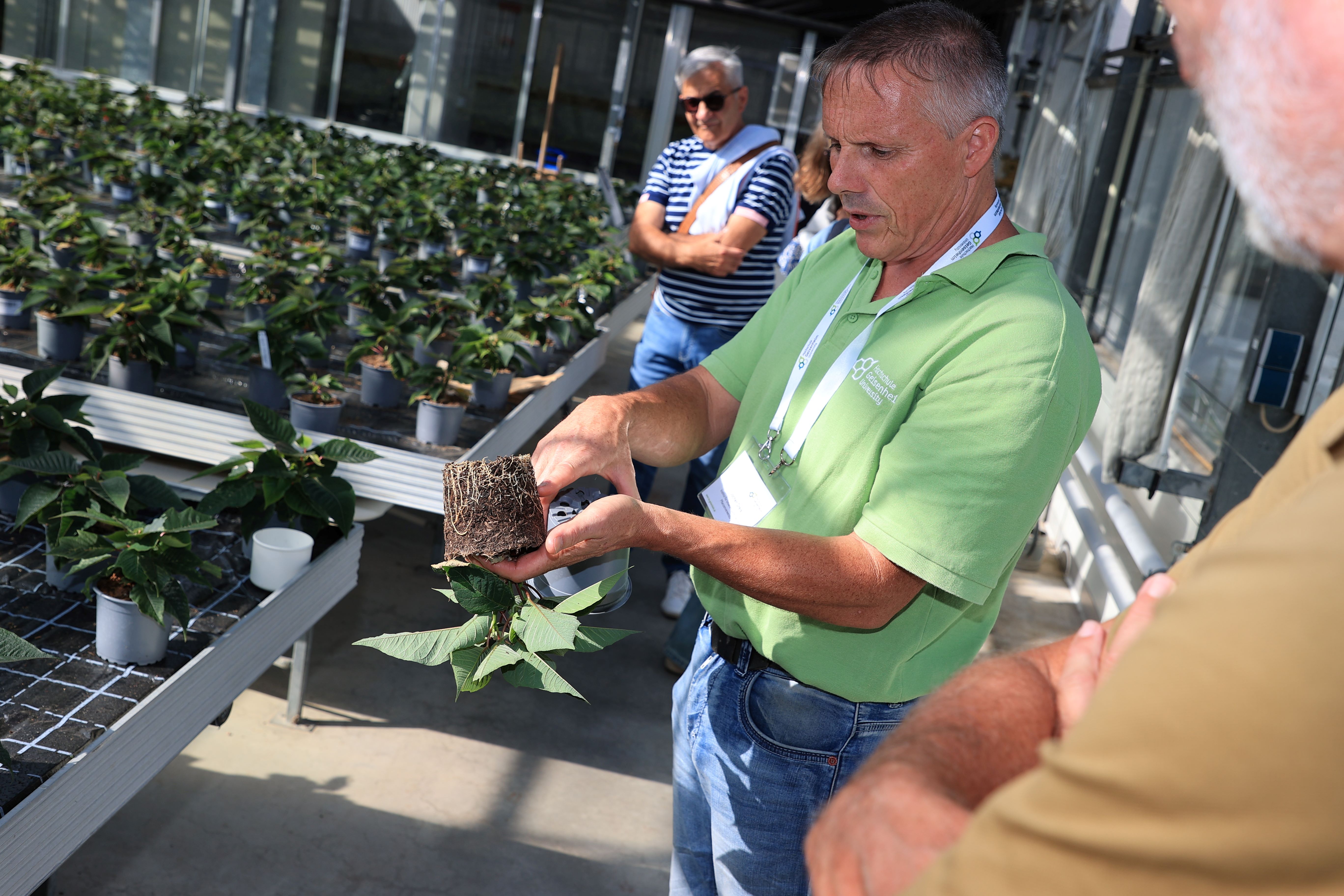
Guest receiving planting tips (Photo: Hochschule Geisenheim / Kalbacho)
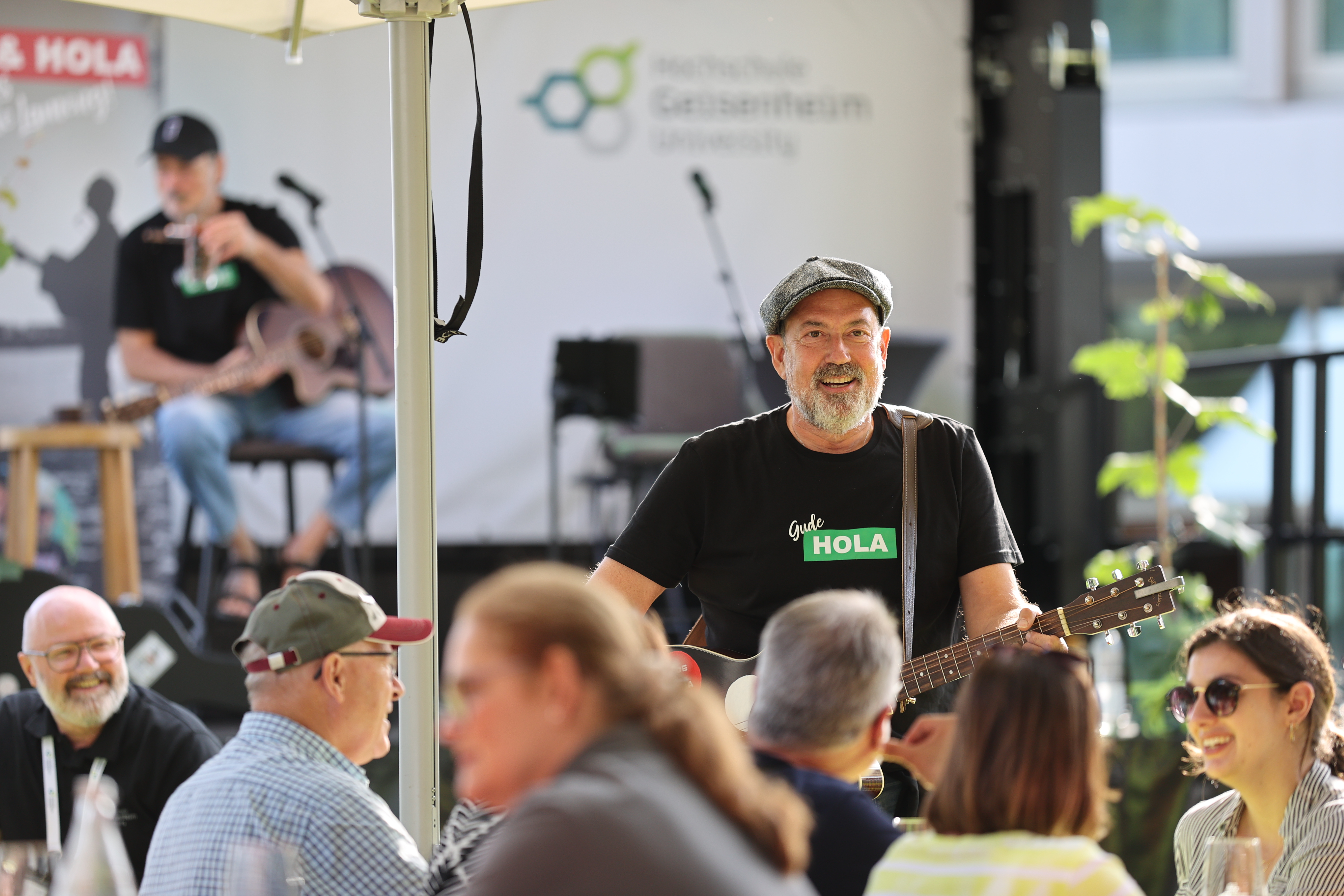
Gude & Hola onstage (Photo: Hochschule Geisenheim / Kalbacho)
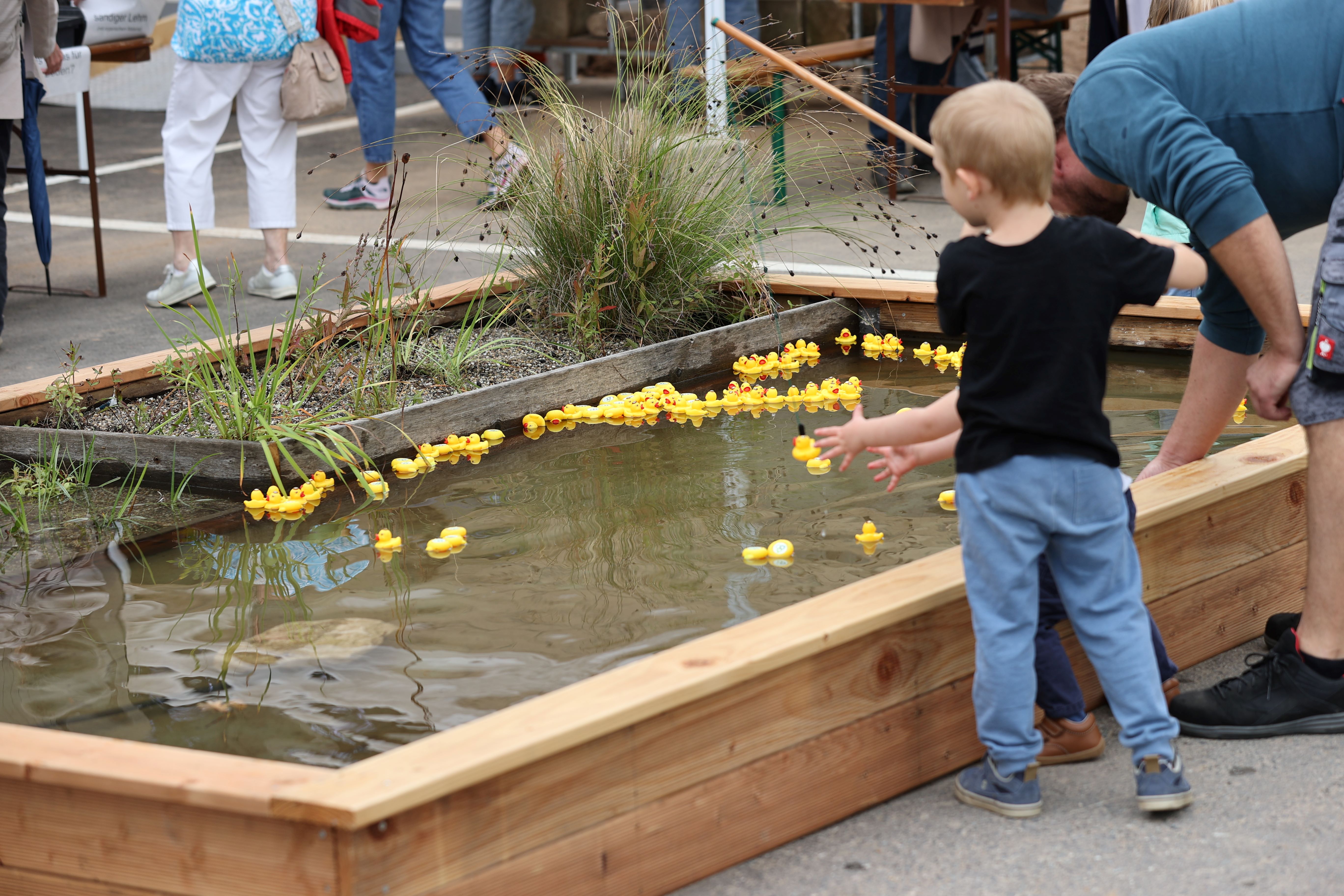
Hook-a-duck at the Department of Landscape Architecture (Photo: Hochschule Geisenheim / Kalbacho)
Live music from Geisenheim alumnus Dudley Fairbrass (Photo: Hochschule Geisenheim / Kalbacho)
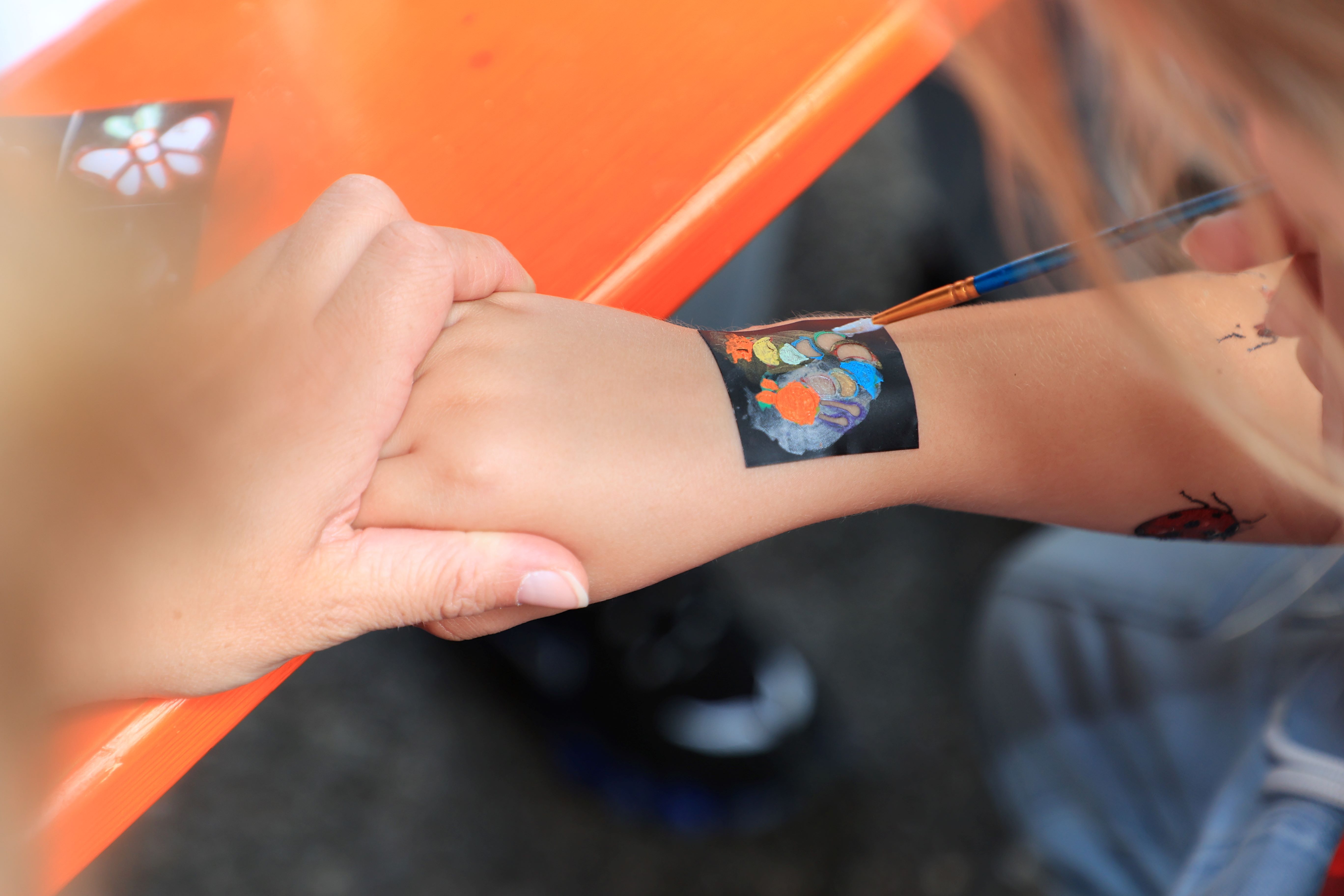
Nature-themed body painting for kids (Photo: Hochschule Geisenheim / Kalbacho)
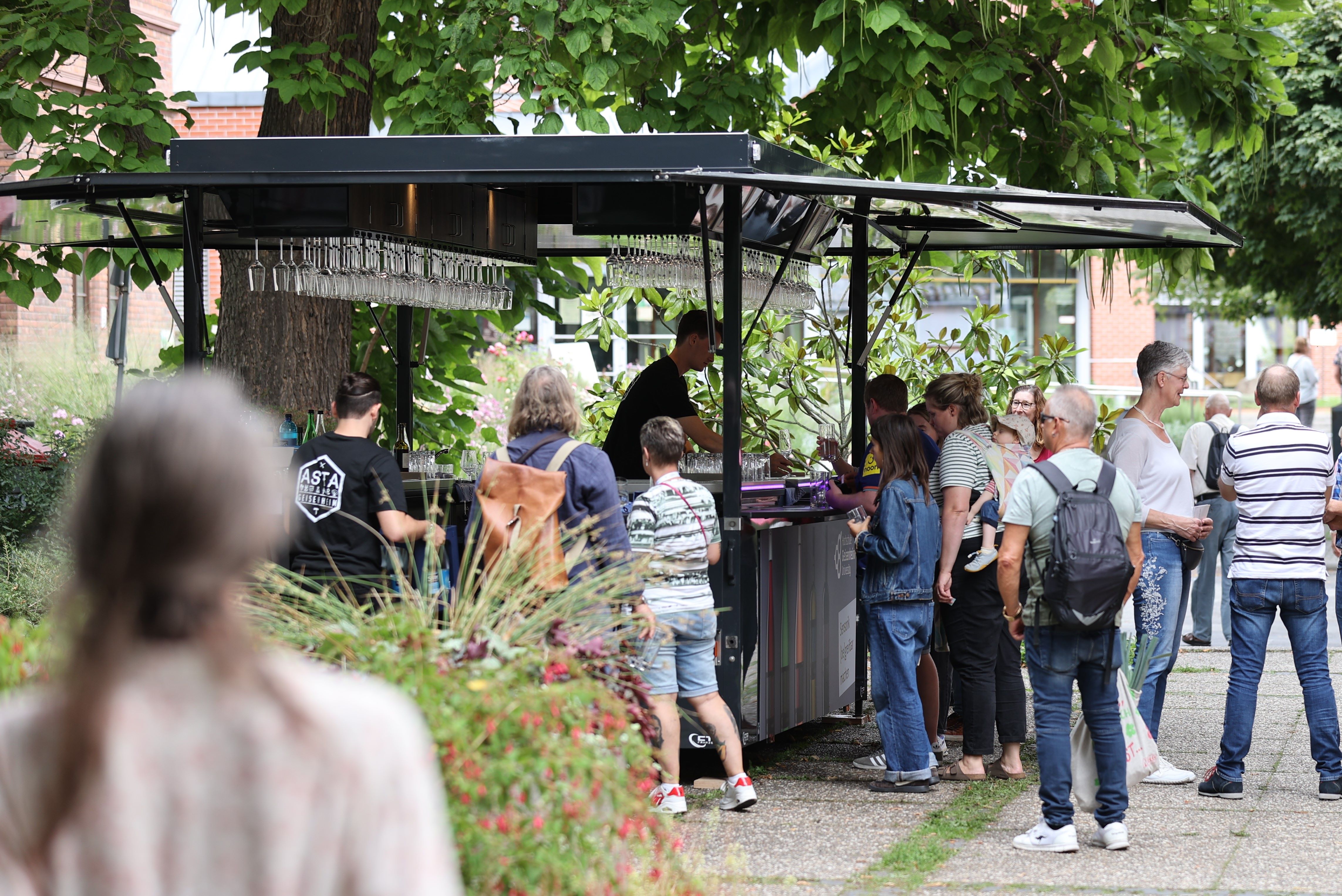
AstA drink stand (Photo: Hochschule Geisenheim / Kalbacho)

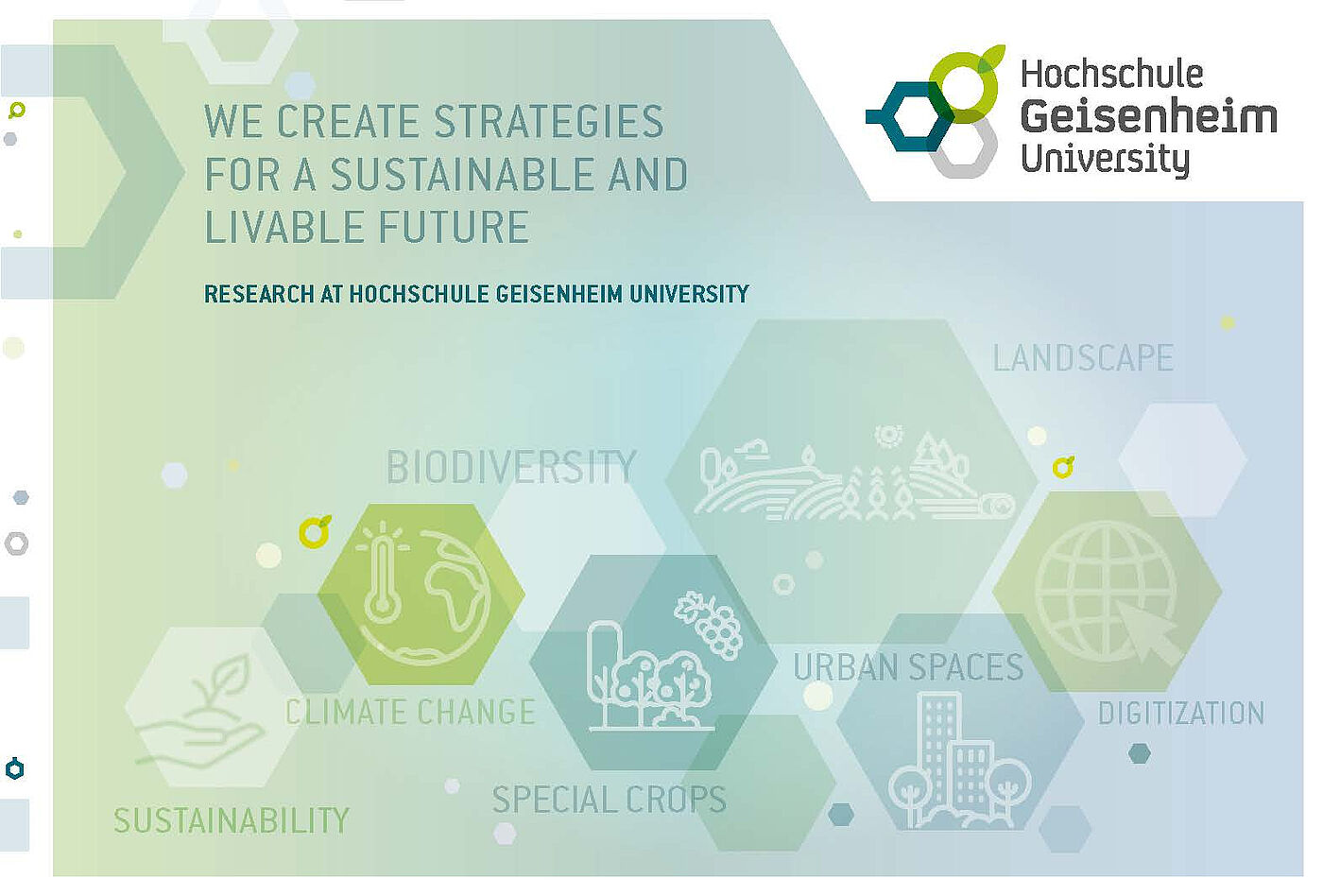
Research brochure (click to enlarge)

Our University has unique opportunities to conduct scientifically recognized and applied research along the entire value chain of special crops. In doing so, we benefit both from a strong network of national and international partners and our own excellent research infrastructure at Geisenheim. Vice-President of Research Professor Annette Reineke