
Research at Hochschule Geisenheim University

Creating Strategies for a Sustainable and Livable Future

Climate Change, Biodiversity Loss, Sustainability Targets – We're Meeting the Planet's Most Urgent Challenges

Our mission is to develop resource-efficient, innovative, and sustainable solutions in the area of agriculture and food. Our work spans a broad range of key issues: advancing organic, climate-resilient cultivation strategies for specialty crops, developing sustainable production and marketing methods, and designing livable cultural landscapes and urban regions. By uniting ecology, profitability, and a focus on quality of life, we aim to create a sustainable future in which society and nature can flourish together.

Our Focus Areas

Sustainable Cultivation Systems for Specialty Crops

Cultivating grapevines, fruit, vegetables, and ornamentals is particularly resource intensive – as such, a careful balance between producing the highest quality products possible and ensuring sustainable practices needs to be struck.

Through our research, we are developing innovative, ecofriendly strategies that ensure healthy harvests and preserve resources. We breed varieties and growth forms that are optimally adapted to climate change, environmental factors, and potential pests and pathogens. Modern sensor systems help control water and nutrient supply with pinpoint accuracy, alternative plant protection strategies – such as the use of antagonists – strengthen plants and their environments, and new digital techniques make precise management measures possible. Together with our partners, we are establishing diverse cultivation strategies that promote biodiversity and preserve ecosystem functions, creating an economically and ecologically sustainable future for viticulture and horticulture.

Innovative and Safe Processing and Marketing for Plant Products

Sustainability in food production spans the entire journey, from cultivation and processing to the moment the product reaches the customer. At every stage, product quality and safety needs to be guaranteed. The bioeconomy plays a key role in this context, enabling the more efficient use of resources, processes, and systems, while supporting the livelihood of the businesses that produce them. 

Through our research, we develop energy and resource-efficient methodologies for processing plant products and extracting valuable ingredients from crops and by-products. We examine microorganisms as natural protective cultures, evaluate the health effects of plant-based ingredients, and conduct sensory tests with our university panel. Market research, consumer behavior analyses, and industry data deliver essential insights for sustainable marketing strategies, particularly in the wine industry. We also analyze the logistical processes, from packing to distribution, and boost the efficiency and sustainability of the entire value chain with the help of modern, digital technologies.

Livable Cultural Landscapes and Urban Regions

Intensified land use has reduced valuable landscape features and biodiversity in many areas. Urban regions are also under pressure to maintain quality of life through green infrastructure such as parks and green belts.

Through our research, we develop methods to optimize and assess urban open spaces and enhance their social sustainability. We create techniques for greening sites with limited soil and for using plants in urban areas in a targeted manner, particularly in the context of climate change. For viticultural landscapes, we design strategies to adapt to climate change and preserve rare species. Additionally, we develop concepts for multifunctional, ecologically valuable, and attractive landscapes that enable new, sustainable production scenarios.

Questions about Our Research?

Please get in touch!

Christiane Jost
Dr. Christiane Jost
Building 5924
Room 01.01
Phone +49 6722 502 6334
Christiane.Jost(at)hs-gm.de Details

News & Latest Projects

Global Wine Tourism Report 2025: International Study Offers Key Insights into the Current Status of Global Wine Tourism

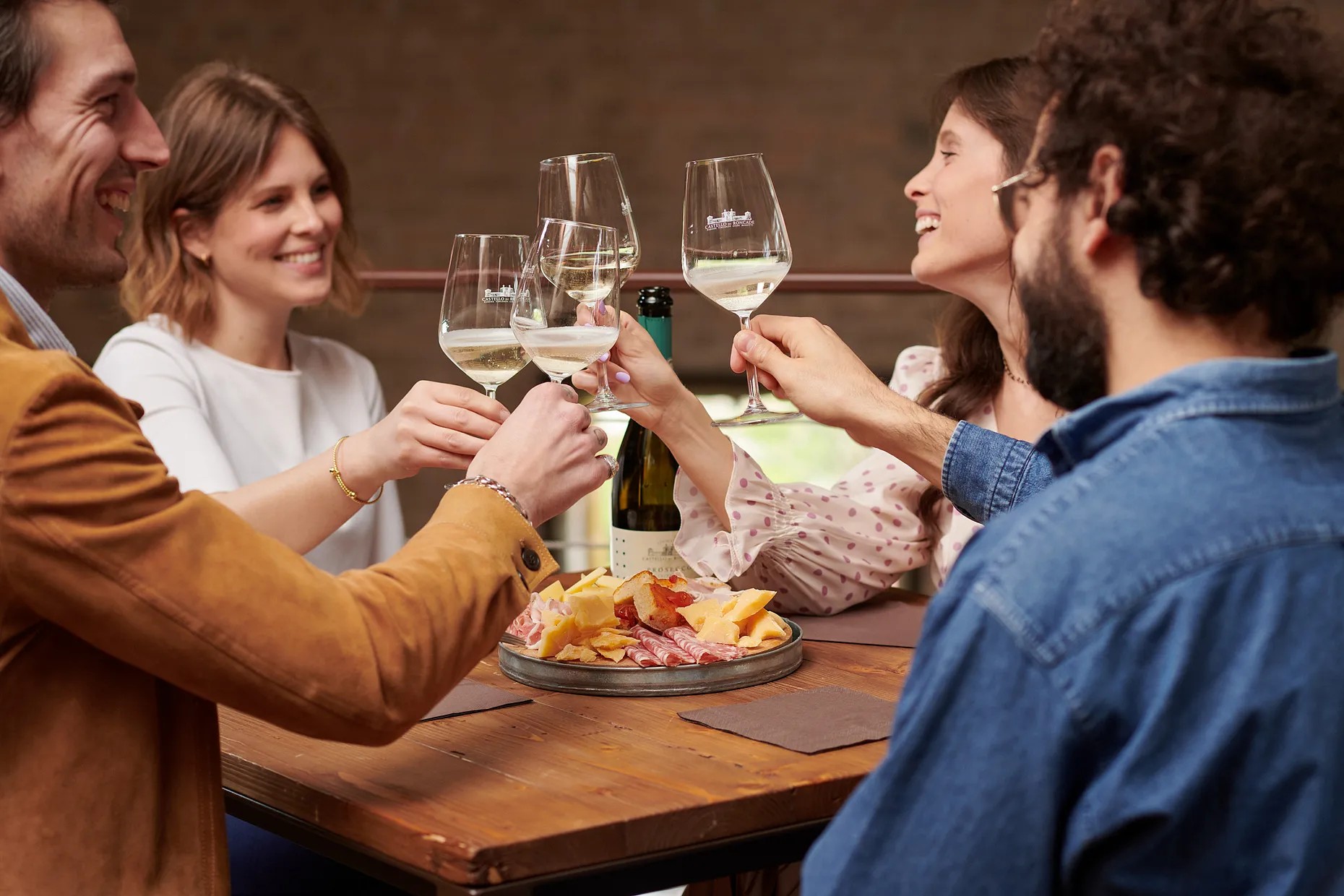
The Global Wine Tourism Report compiles the findings of 1,310 wineries across 47 different countries, and is therefore the most comprehensive international analysis of the wine tourism industry yet. © Castello di Roncade

The newly released Global Wine Tourism Report 2025 marks a milestone for the international wine and tourism industries. With contributions from wineries in 47 countries, this unique study is the most comprehensive global analysis of wine tourism to date. It provides a clear picture of the sector’s current state and its future direction.

“With insights from more than 1,300 wineries around the world, the report gives the wine sector a truly global voice. It lays the foundation for a better understanding of consumer expectations and for the development of innovative strategies,” explains Professor Gergely Szolnoki from Hochschule Geisenheim University, who led the research team.

Background

Over the past decade, wine tourism has grown rapidly, evolving into a dynamic and profitable component of the global wine industry. When well managed, it can foster sustainable rural development by creating jobs and supporting local communities. At the same time, it contributes to preserving cultural and natural heritage and promotes responsible forms of tourism. Despite its growing importance, however, international data in this field remain scarce, making it difficult for policymakers and businesses to design evidence-based strategies.

In response to this need, Hochschule Geisenheim University launched a new global research initiative in collaboration with UN Tourism, the International Organisation of Vine and Wine (OIV), the Great Wine Capitals Global Network (GWC), and WineTourism.com. The outcome of this initiative is the Global Wine Tourism Report, based on an annual worldwide survey designed to collect up-to-date data and insights from across the wine tourism sector.

Key Findings

  • Economic impact: Wine tourism is widely recognized as a key economic driver for regional development, making a significant contribution to rural communities and local economies.
  • Profitability: Two out of three wineries report that wine tourism is profitable or highly profitable, with roughly one-quarter of total winery revenues now generated through tourism.
  • Sustainability: Sustainability is increasingly becoming central to business strategies. Two-thirds of wineries consider it important or very important to their tourism operations.
  • Engagement in wine tourism: Among wineries not yet engaged in wine tourism, staff shortages and limited time remain the main obstacles. Nevertheless, one in four of these wineries has already decided to enter the sector, and half are considering doing so in the near future.
  • Uneven regional growth in demand: Forty-one percent of wineries outside Europe report declining visitor numbers, compared with only 17% of European wineries, many of which are still experiencing growth.
  • Visitor profiles: The dominant age group among wine tourists continues to be 45–65 years, although visitors aged 25–44 are gaining importance. Strong growth trends are evident in education, sustainability, gastronomy, and the interest of younger travelers.
  • Key challenges: Wineries face a fragile market characterized by economic pressures and declining wine consumption. Mobility issues and public health requirements present additional hurdles. Changing visitor preferences, staff shortages, and digital transformation call for more adaptive and innovative approaches.
  • Core activities: Wine tastings, cellar tours, and vineyard walks remain the backbone of wine tourism worldwide. These experiences allow visitors to engage directly with wines and landscapes while fostering personal connections between guests and winery staff.
  • Tourism trends: Today’s visitors are drawn to authentic, local experiences. Culinary offerings, eco-friendly practices, and nature-based activities are on the rise, as is engagement through digital channels and social media.
  • Wine tourism strategies: Storytelling and social media are at the heart of innovation in wine tourism. More than half of wineries are focusing on food-and-wine pairings and collaborations with local businesses. Educational workshops, cultural events, and vineyard activities are playing an increasingly important role in enhancing visitor experiences.
  • Innovation and investment: Innovation is widely regarded as essential for future competitiveness, helping wineries attract new visitor segments and differentiate themselves in the market. The level of actual investment in new experiences, however, varies according to each winery’s strategy and philosophy.
  • Outlook: Half of the surveyed wineries plan to make further investments in wine tourism, and most expect steady growth for both their region and their own business. Notably, almost two-thirds believe that wine tourism can serve as a valuable tool for building resilience in times of crisis.

A Unique Global Benchmark

This study not only provides empirical evidence of the importance of wine tourism but also serves as a practical benchmark for wineries and policymakers worldwide. It illustrates how the sector has evolved from a niche activity into a cornerstone of rural development, international marketing, and sustainable growth.

The full report, as well as a summary of its main findings, is available to download here. 

For more information on this project, please contact Professor Gergely Szolnoki: Gergely.Szolnoki(at)hs-gm.de  
Categories: MyHGU-App, Mein-Netzwerk, Weintourismus

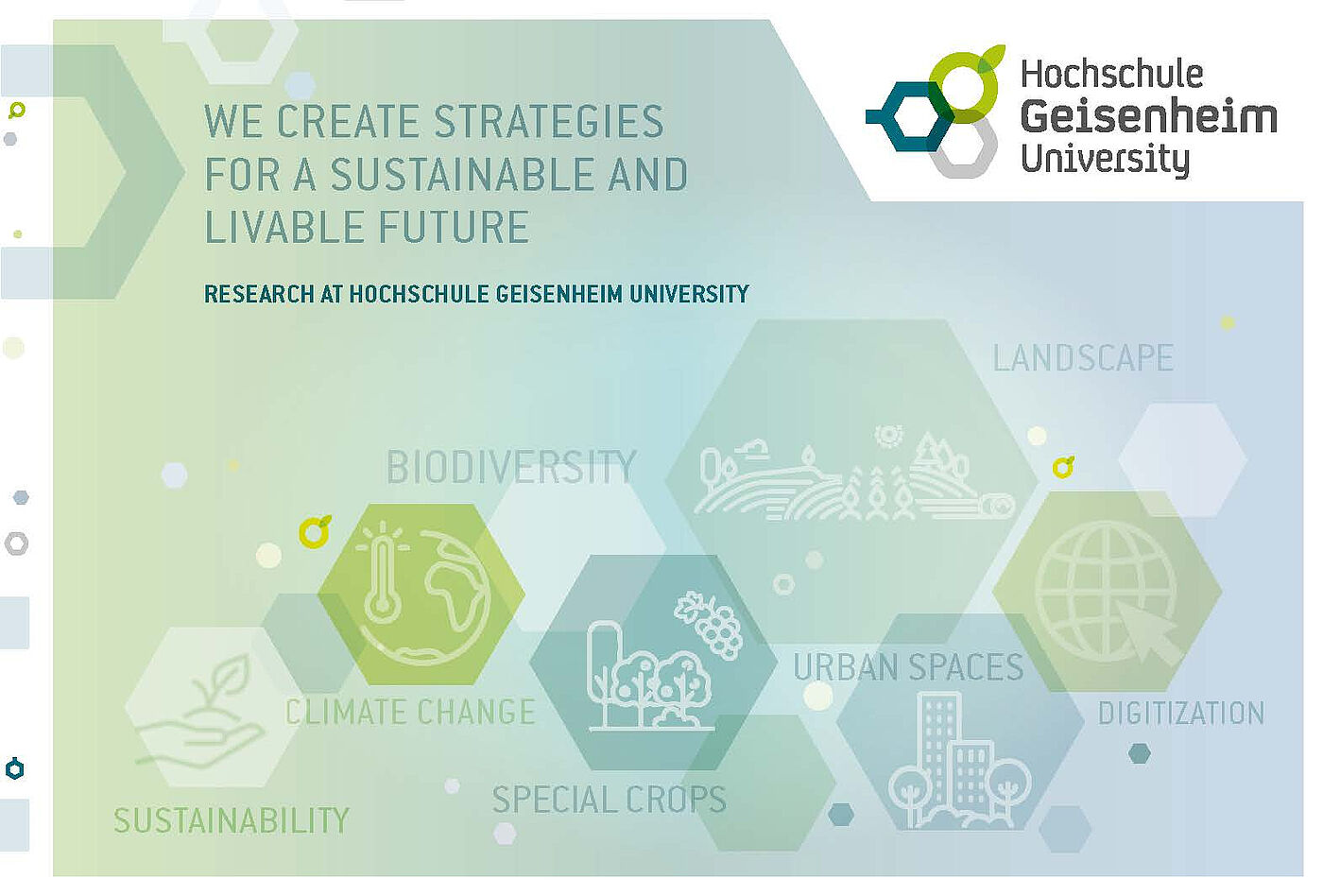
Research brochure (click to enlarge)

Our University has unique opportunities to conduct scientifically recognized and applied research along the entire value chain of special crops. In doing so, we benefit both from a strong network of national and international partners and our own excellent research infrastructure at Geisenheim. Vice-President of Research Professor Annette Reineke