
Research at Hochschule Geisenheim University

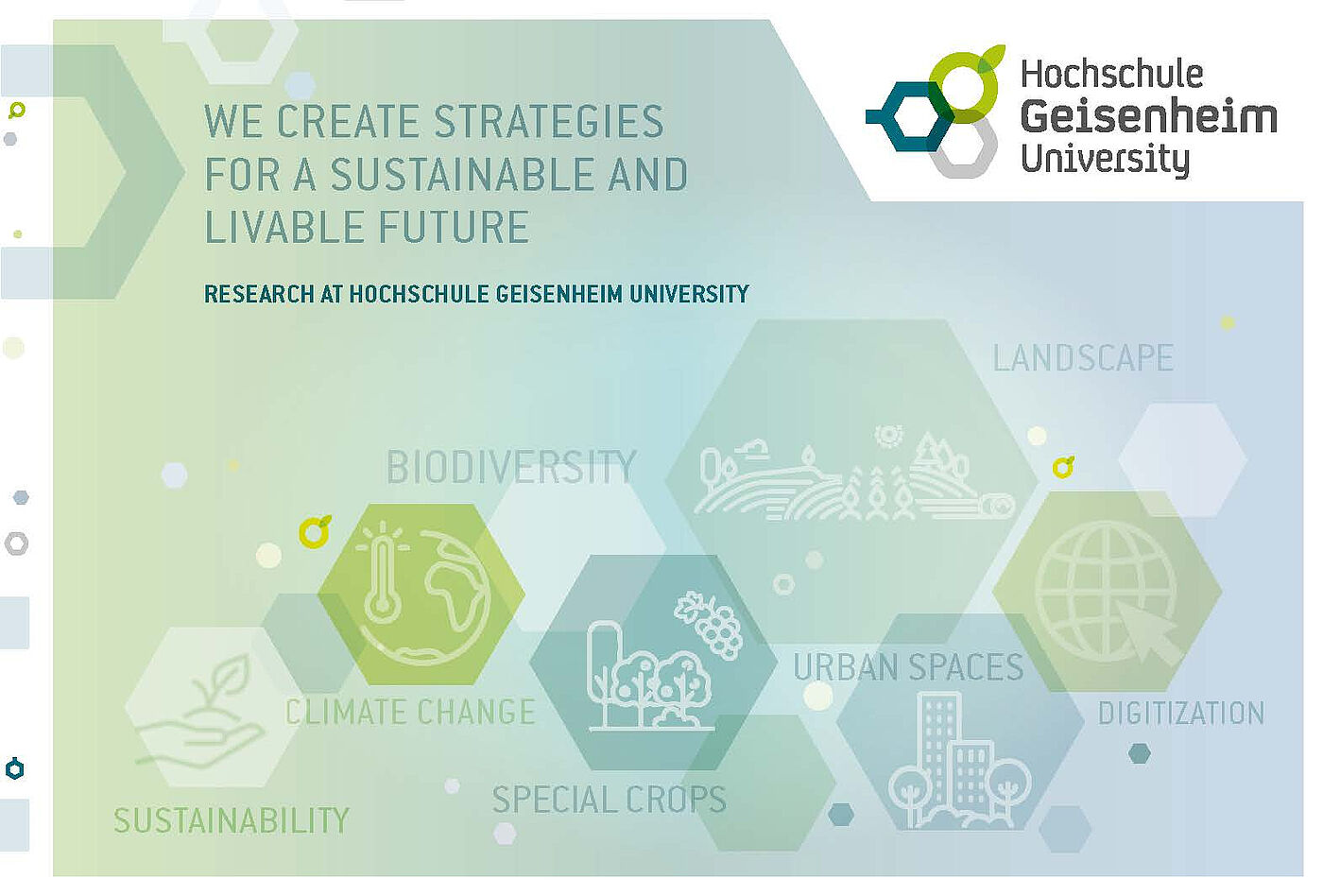
Creating Strategies for a Sustainable and Livable Future

Climate Change, Biodiversity Loss, Sustainability Targets – We're Meeting the Planet's Most Urgent Challenges

Our mission is to develop resource-efficient, innovative, and sustainable solutions in the area of agriculture and food. Our work spans a broad range of key issues: advancing organic, climate-resilient cultivation strategies for specialty crops, developing sustainable production and marketing methods, and designing livable cultural landscapes and urban regions. By uniting ecology, profitability, and a focus on quality of life, we aim to create a sustainable future in which society and nature can flourish together.

Our Focus Areas

Sustainable Cultivation Systems for Specialty Crops

Cultivating grapevines, fruit, vegetables, and ornamentals is particularly resource intensive – as such, a careful balance between producing the highest quality products possible and ensuring sustainable practices needs to be struck.

Through our research, we are developing innovative, ecofriendly strategies that ensure healthy harvests and preserve resources. We breed varieties and growth forms that are optimally adapted to climate change, environmental factors, and potential pests and pathogens. Modern sensor systems help control water and nutrient supply with pinpoint accuracy, alternative plant protection strategies – such as the use of antagonists – strengthen plants and their environments, and new digital techniques make precise management measures possible. Together with our partners, we are establishing diverse cultivation strategies that promote biodiversity and preserve ecosystem functions, creating an economically and ecologically sustainable future for viticulture and horticulture.

Innovative and Safe Processing and Marketing for Plant Products

Sustainability in food production spans the entire journey, from cultivation and processing to the moment the product reaches the customer. At every stage, product quality and safety needs to be guaranteed. The bioeconomy plays a key role in this context, enabling the more efficient use of resources, processes, and systems, while supporting the livelihood of the businesses that produce them. 

Through our research, we develop energy and resource-efficient methodologies for processing plant products and extracting valuable ingredients from crops and by-products. We examine microorganisms as natural protective cultures, evaluate the health effects of plant-based ingredients, and conduct sensory tests with our university panel. Market research, consumer behavior analyses, and industry data deliver essential insights for sustainable marketing strategies, particularly in the wine industry. We also analyze the logistical processes, from packing to distribution, and boost the efficiency and sustainability of the entire value chain with the help of modern, digital technologies.

Livable Cultural Landscapes and Urban Regions

Intensified land use has reduced valuable landscape features and biodiversity in many areas. Urban regions are also under pressure to maintain quality of life through green infrastructure such as parks and green belts.

Through our research, we develop methods to optimize and assess urban open spaces and enhance their social sustainability. We create techniques for greening sites with limited soil and for using plants in urban areas in a targeted manner, particularly in the context of climate change. For viticultural landscapes, we design strategies to adapt to climate change and preserve rare species. Additionally, we develop concepts for multifunctional, ecologically valuable, and attractive landscapes that enable new, sustainable production scenarios.

Questions about Our Research?

Please get in touch!

Christiane Jost
Dr. Christiane Jost
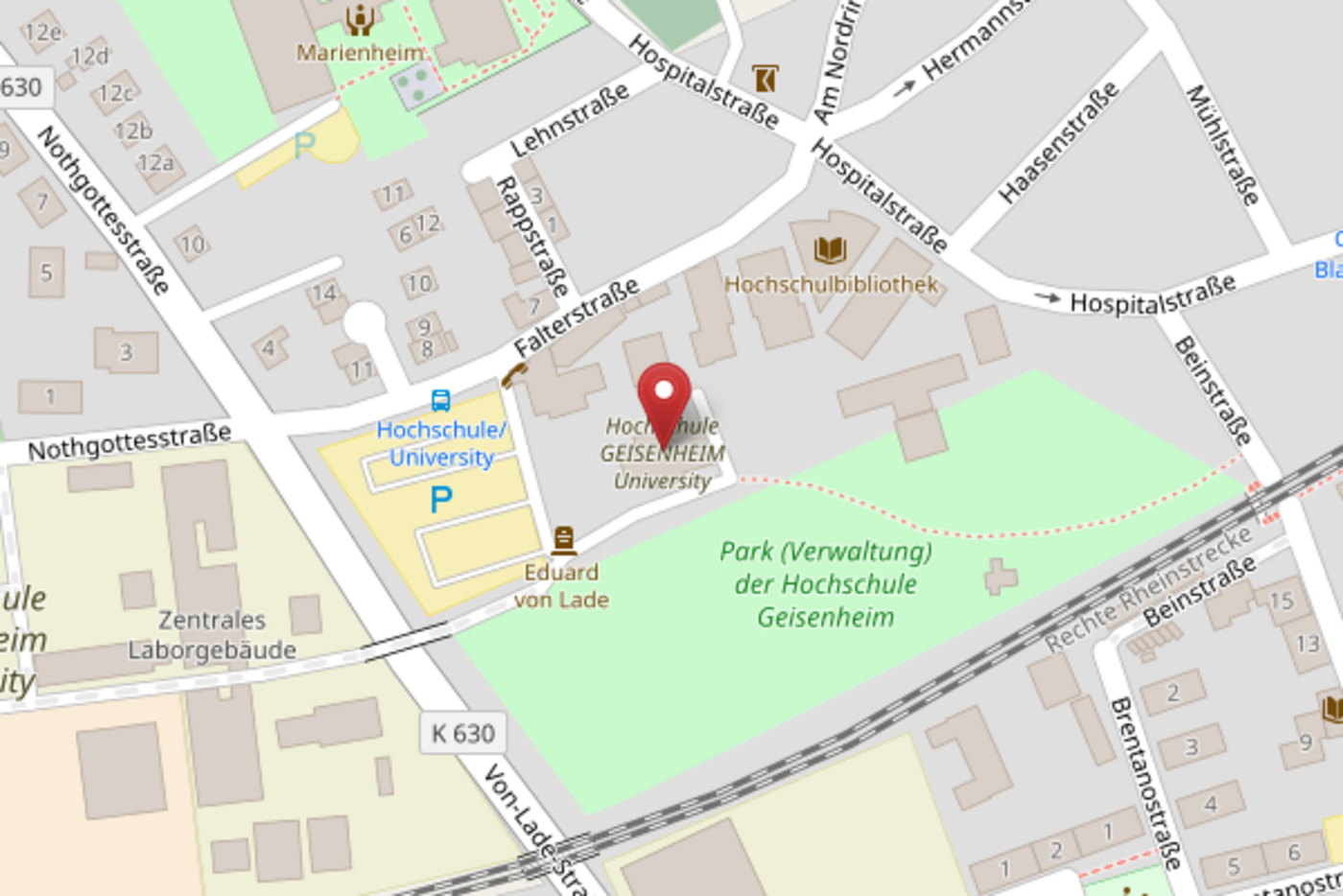
Building 5924
Room 01.01
Phone +49 6722 502 6334
Christiane.Jost(at)hs-gm.de Details

News & Latest Projects

GiESCO 2025: Geisenheim Welcomes the Global Viticulture Community

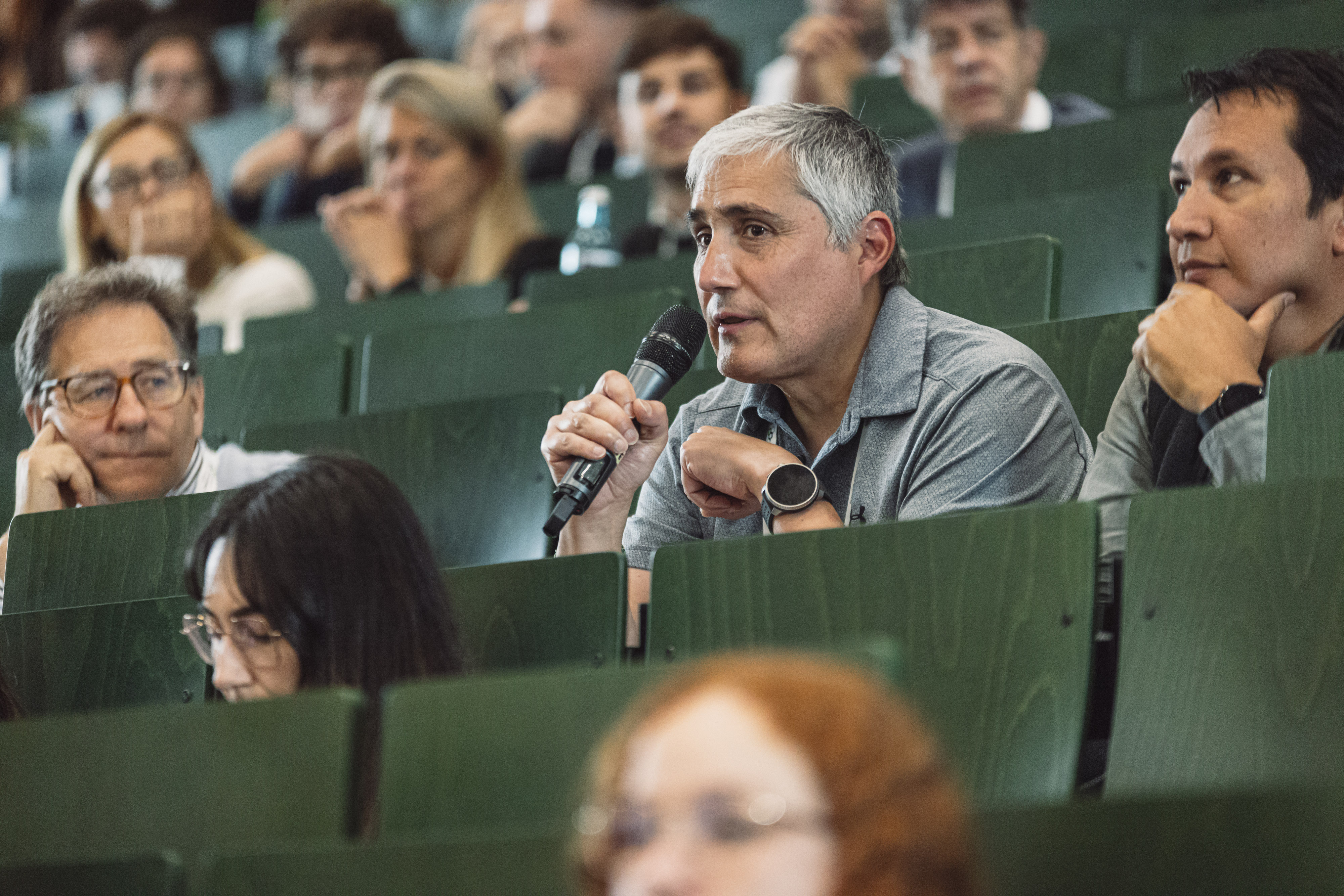
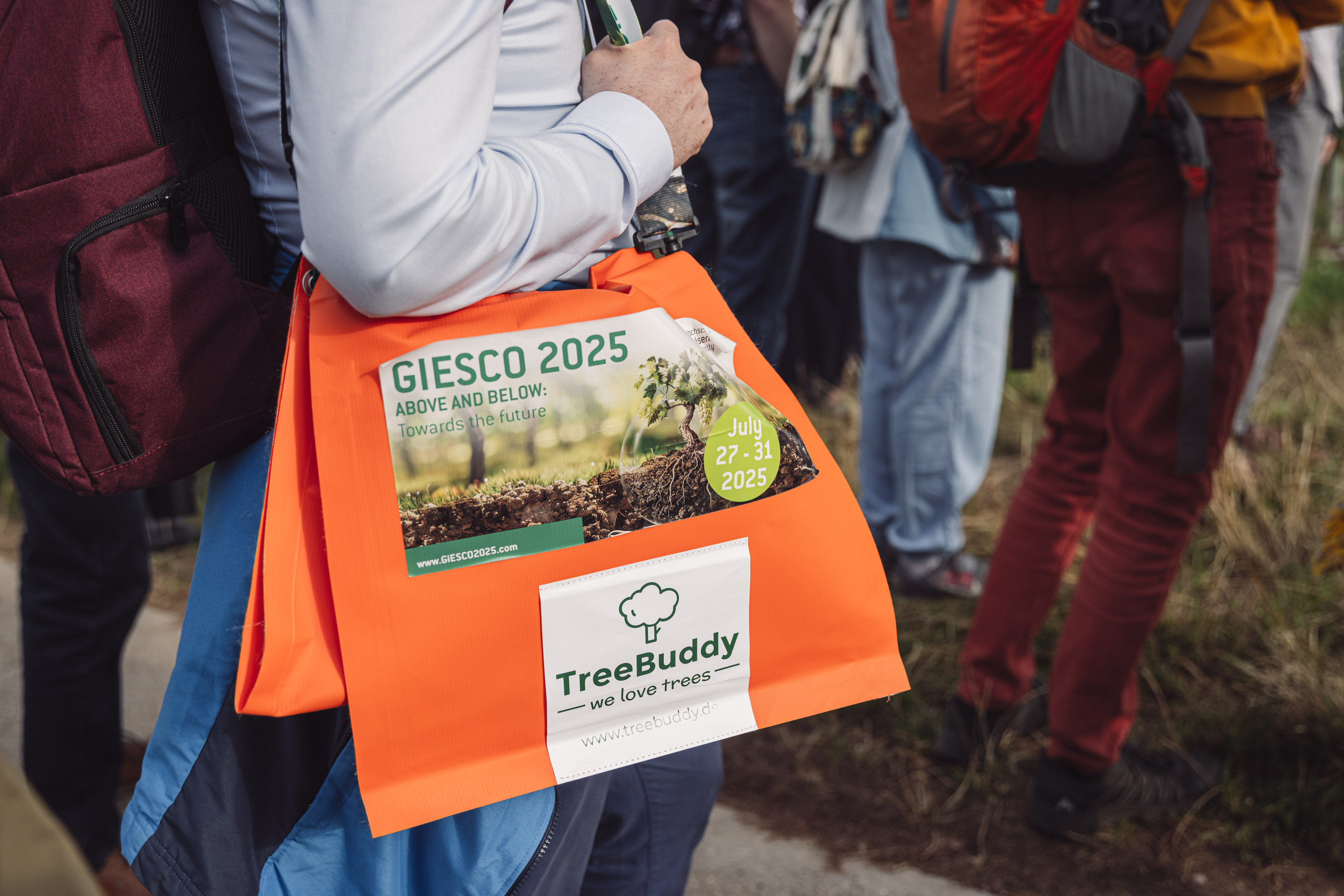
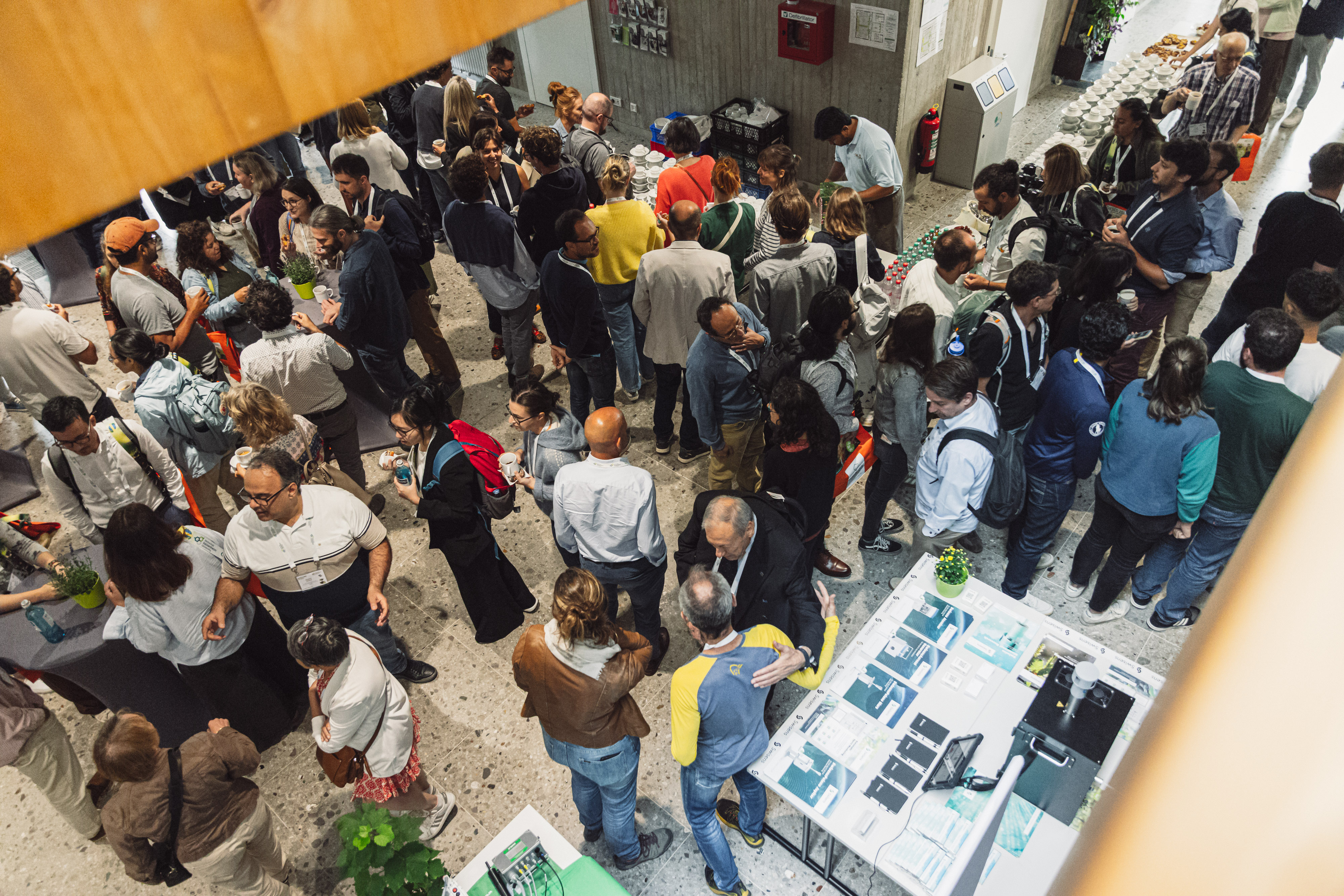
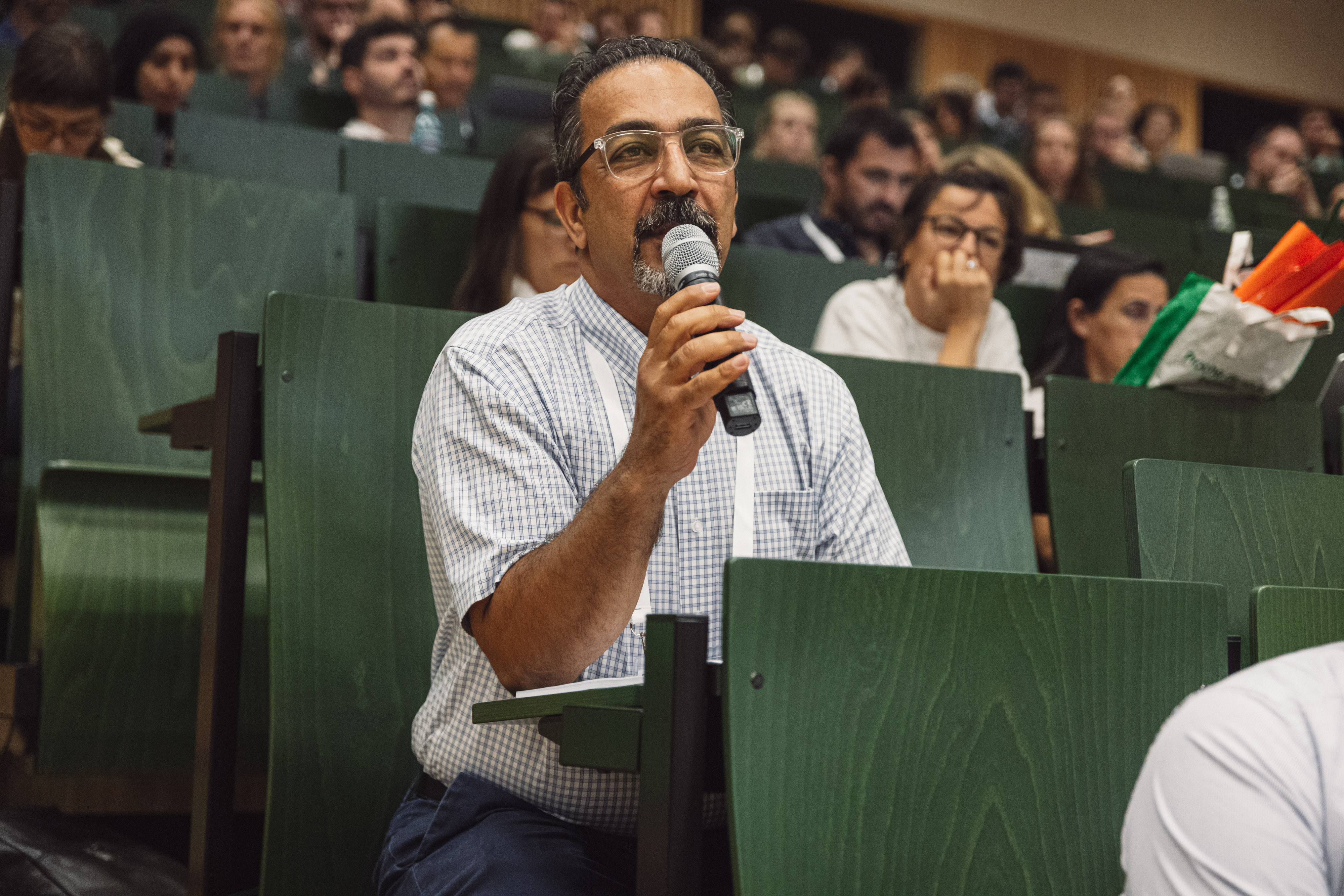
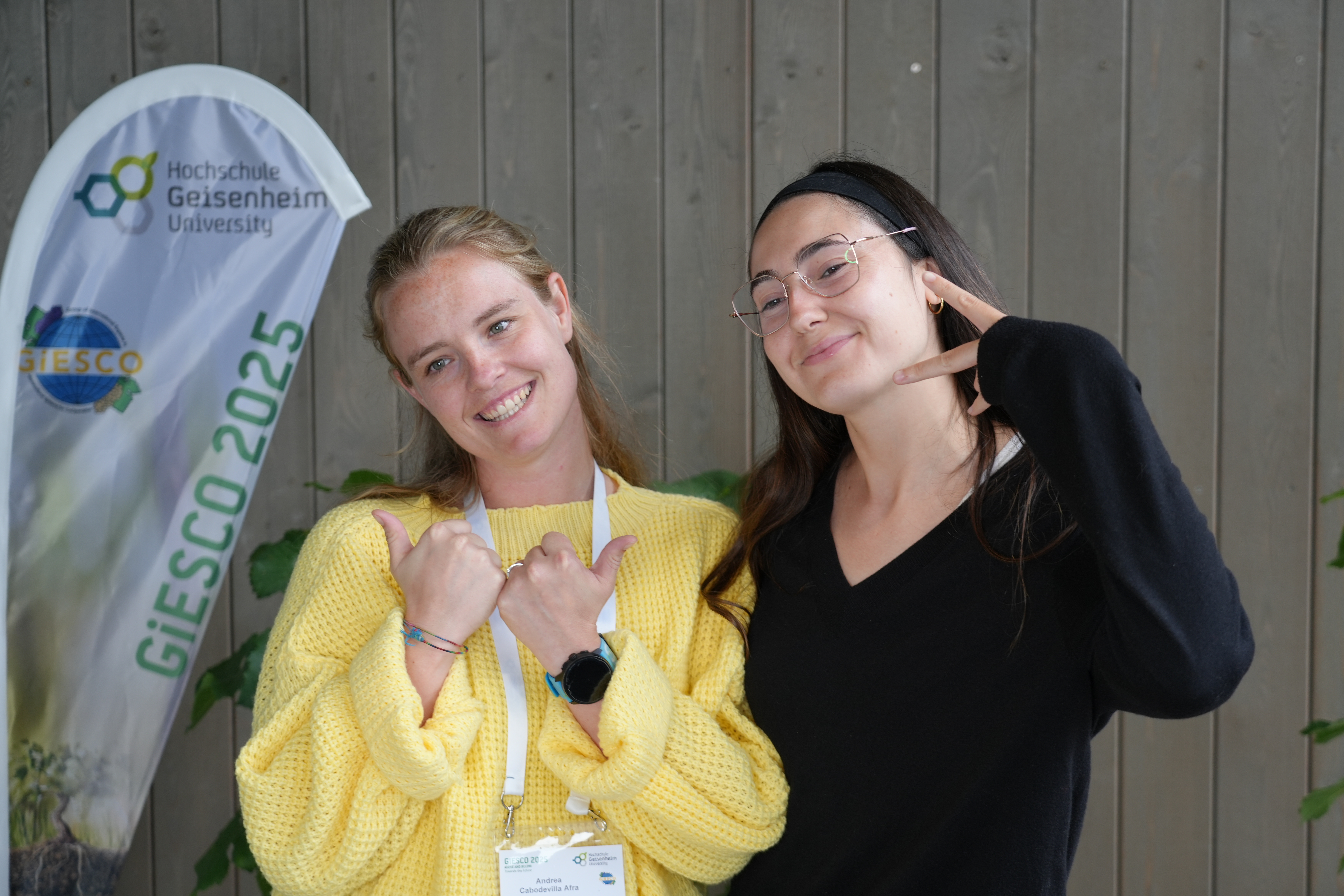
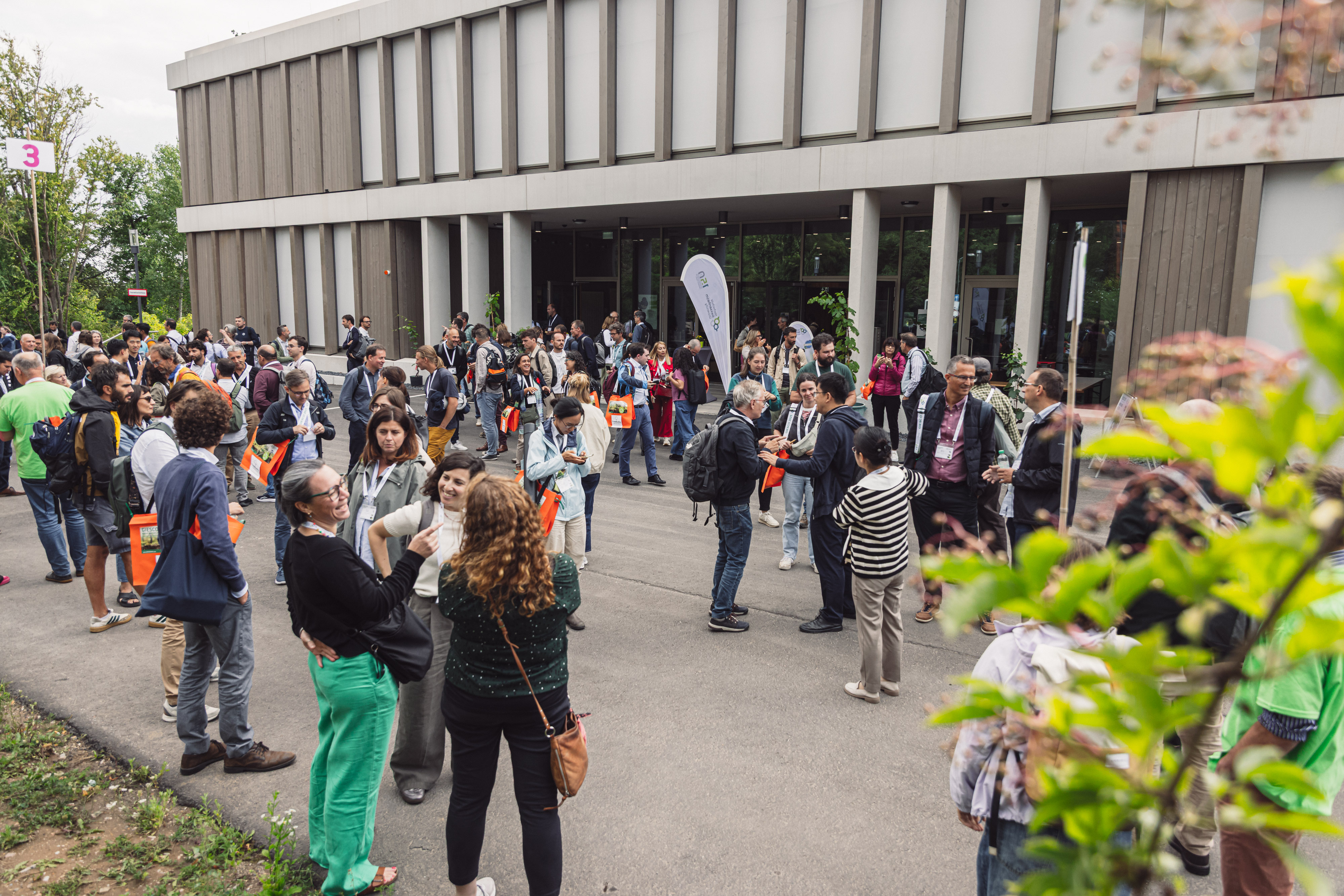
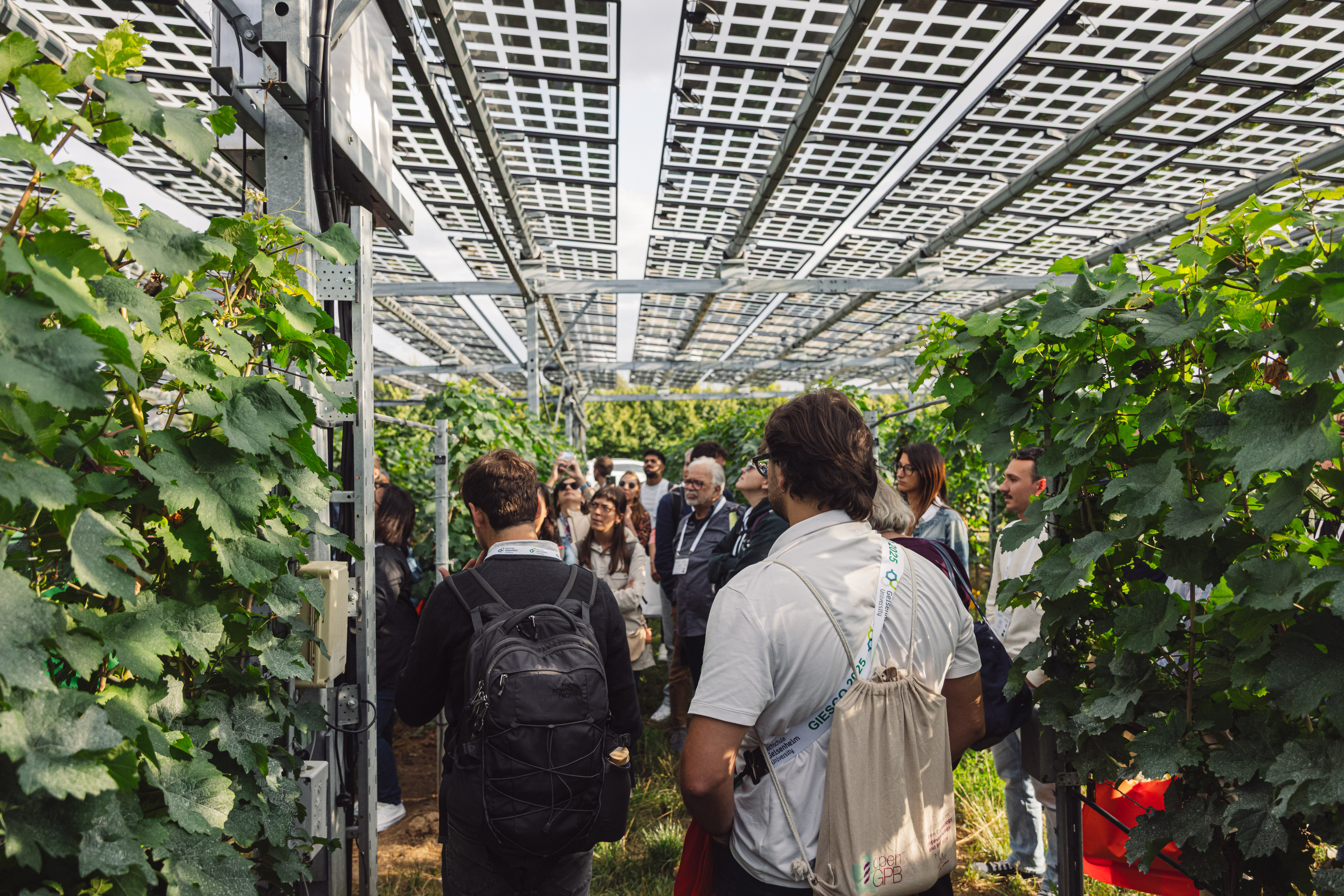
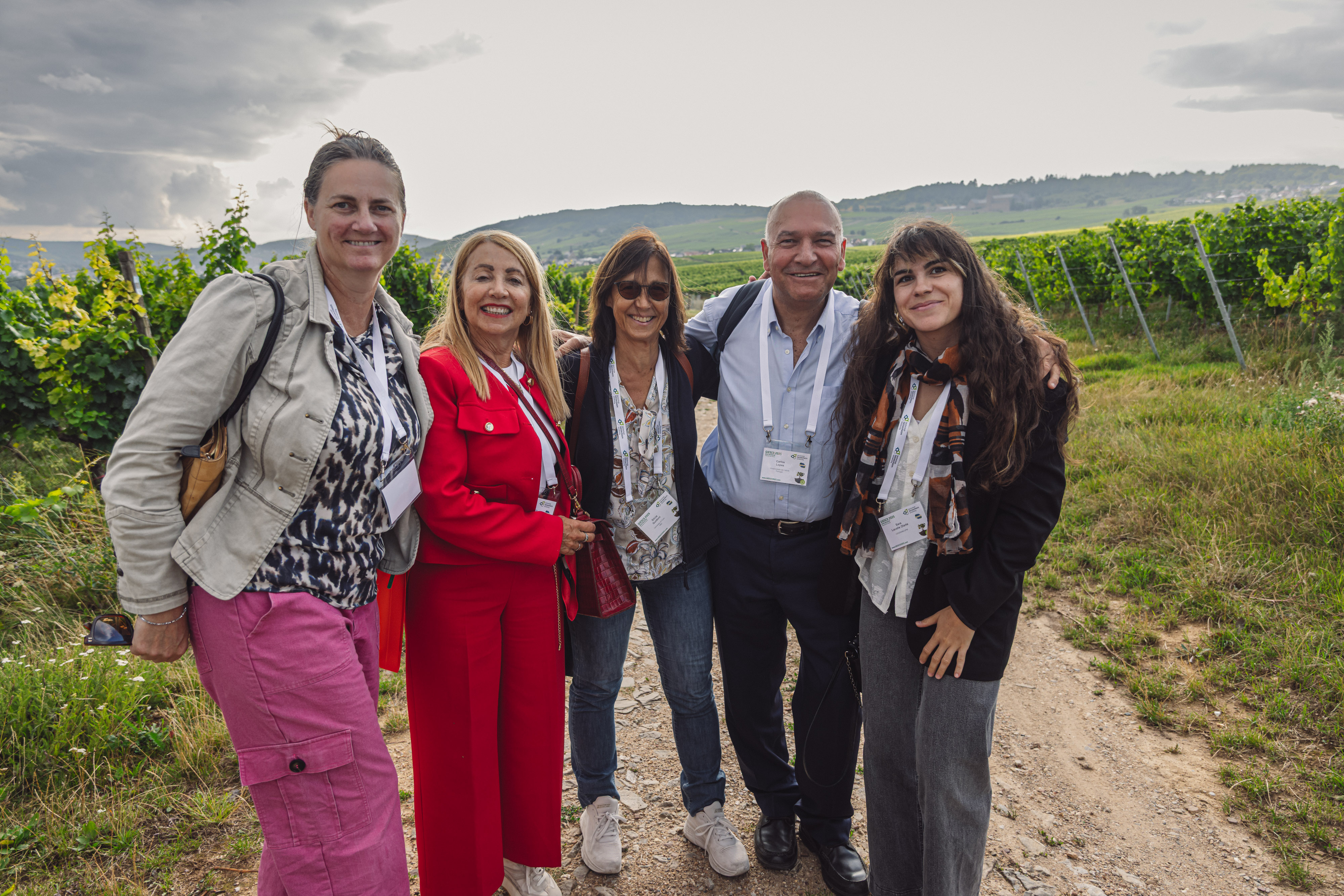
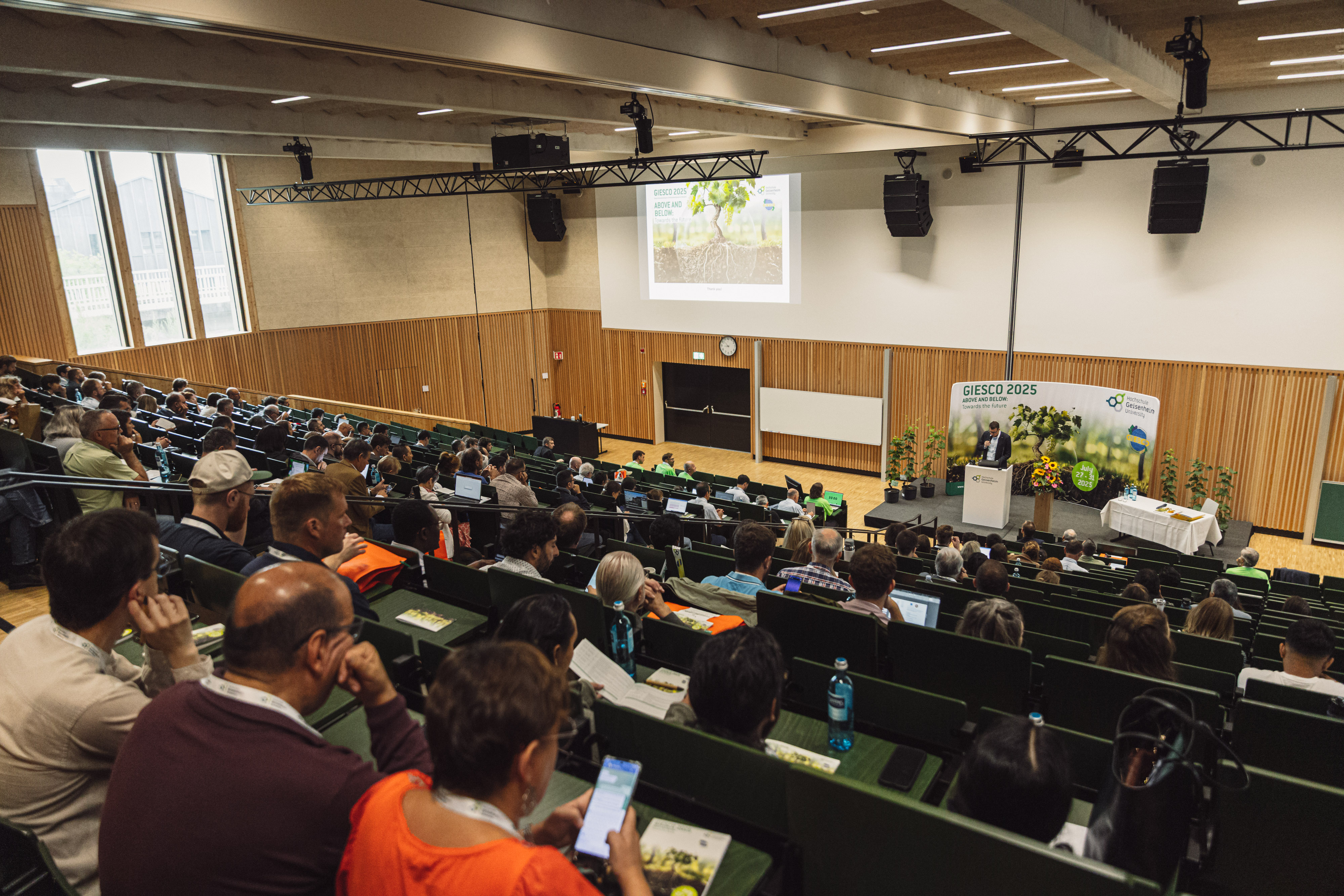
Solutions for the viticulture of today and tomorrow were at the core of the 23rd international GiESCO conference, which took place at Hochschule Geisenheim University this week. Under the theme ‘Above and Below – Towards the Future’, 350 experts of viticulture from across 23 countries gathered to discuss climate-related challenges facing the industry, as well as the topics of soil management and biodiversity.

A Warm Welcome

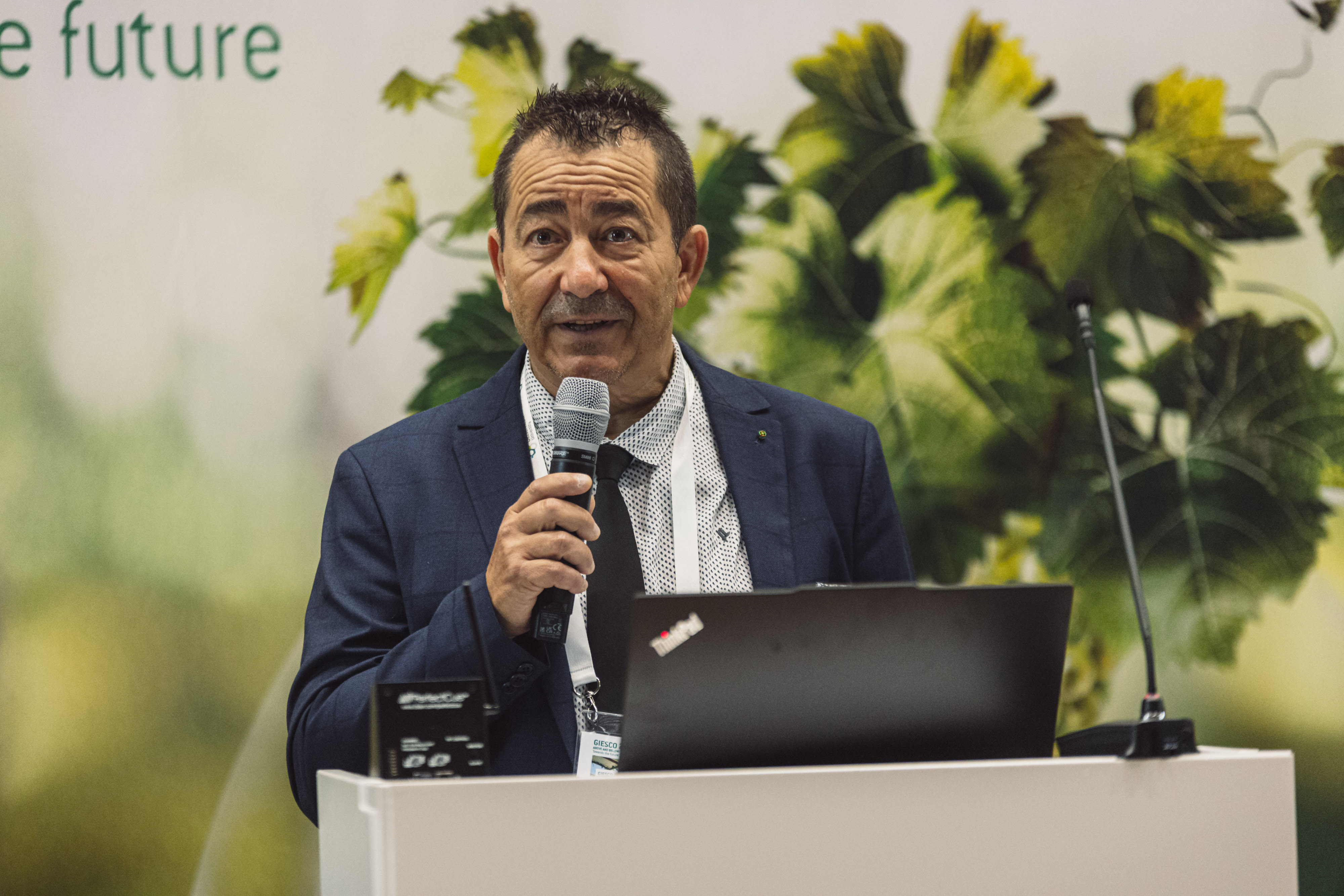
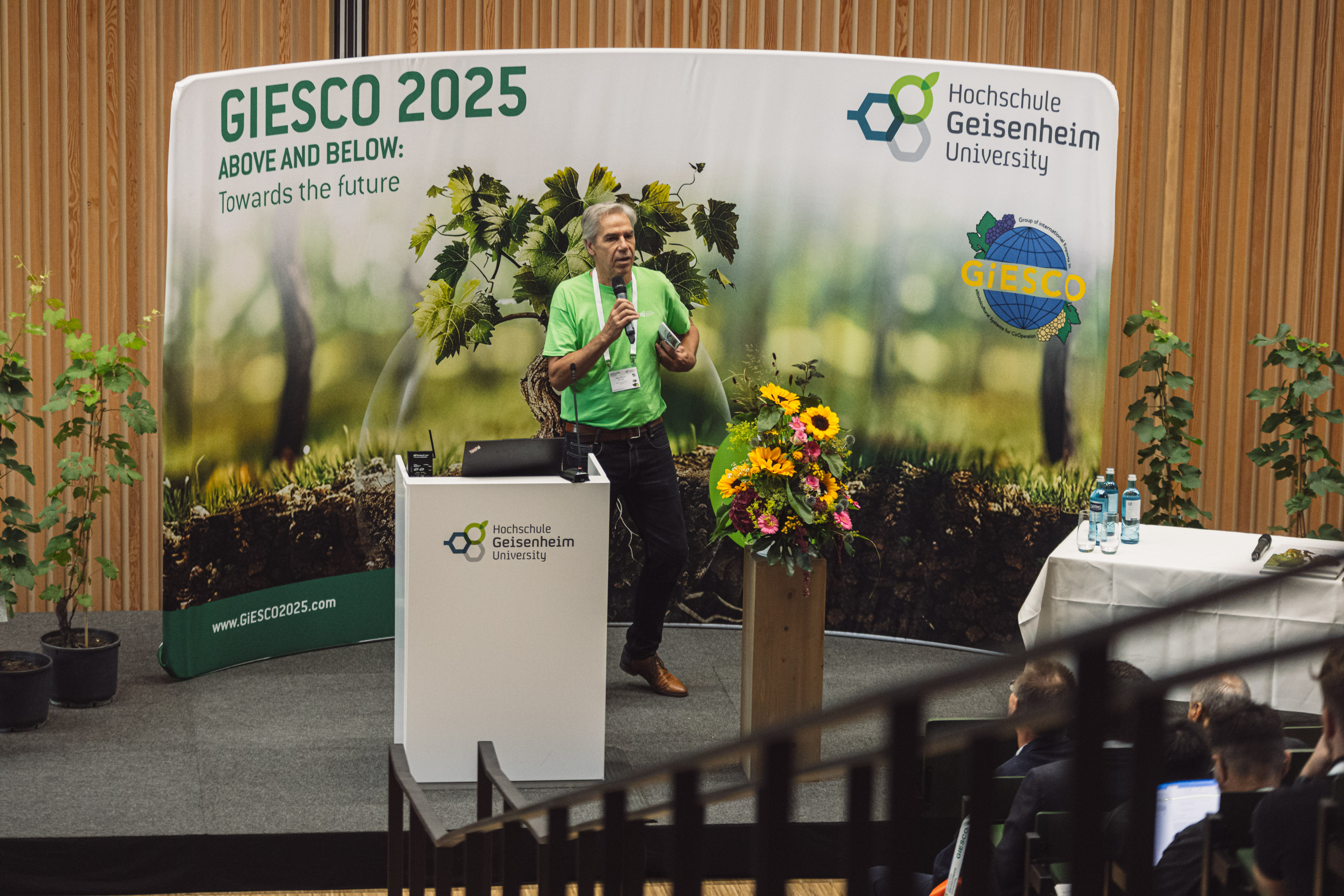
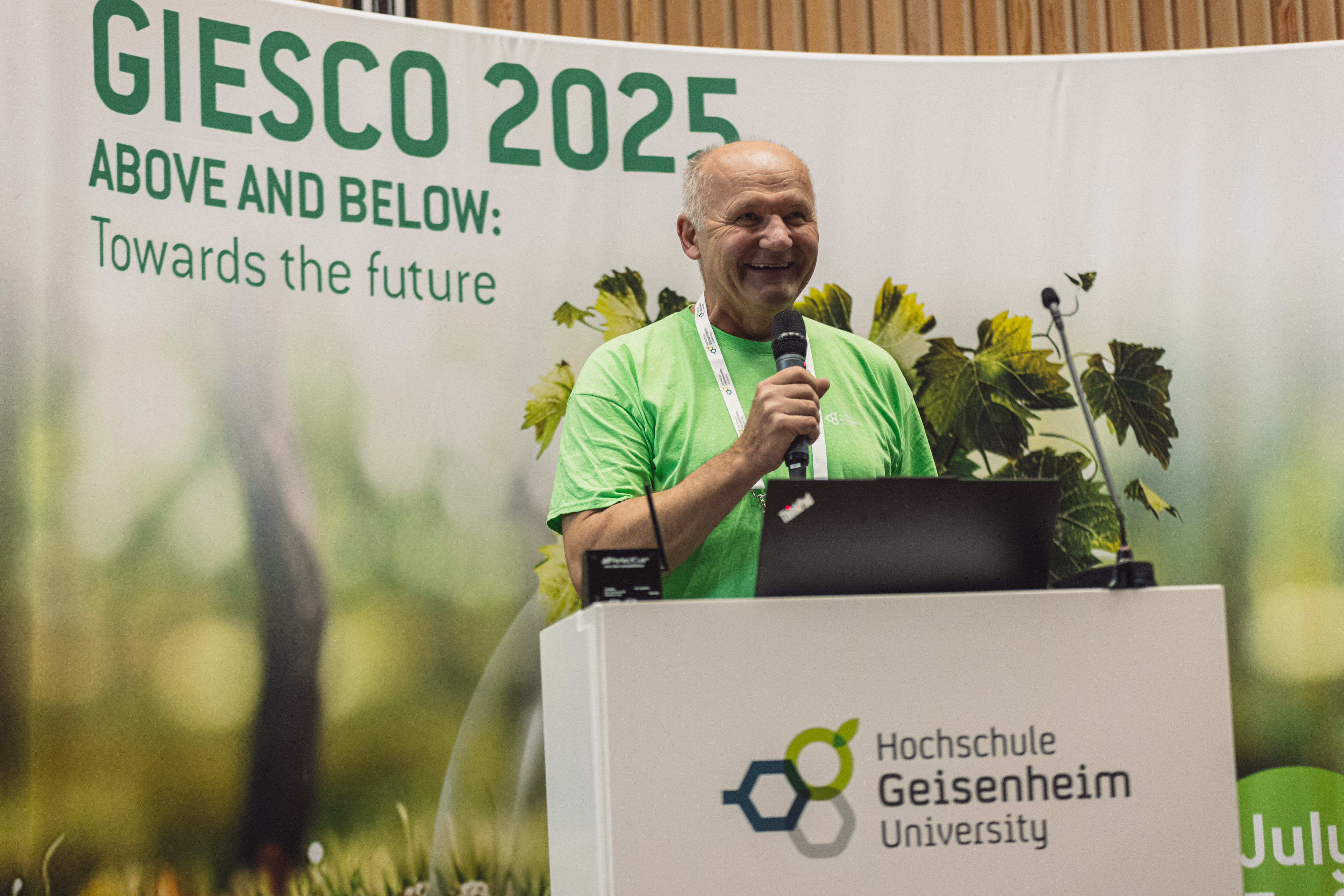
Laurent Torregrosa, professor of grapevine biology and genetics at L’Institute Agro Montpellier and GiESCO’s president, kicked off proceedings with a welcome address. In his speech he emphasized the importance of pooling scientific knowledge and experience and thanked Hochschule Geisenheim University for its hospitality and for organizing the conference. Dr. John Barker, director general of the International Organization of Vine and Wine (OIV), also welcomed guests, commenting that cooperation and networking within the scientific community and with practitioners is more important than ever before in these challenging times for viticulture. 

On behalf of the university, participants were welcomed by Prof. Dr. Hans Reiner Schultz, President of the University, and Prof. Dr. Manfred Stoll, Head of the Institute for General and Ecological Viticulture. Prof. Dr. Schultz said: "Over the decades, GiESCO has established as one of the most renowned international conferences in viticulture. We are delighted to be hosting GiESCO again after 2005 and to welcome the international viticulture community to Geisenheim.“ Prof. Dr. Manfred Stoll added: ”The broad-based conference program makes a holistic contribution to overcoming the complex challenges facing viticulture today. We are absolutely thrilled by the multitude of interesting presentations and guests from all over the world and thank them for visiting."

Keynote Speech and the Rudolf Hermanns Foundation Award

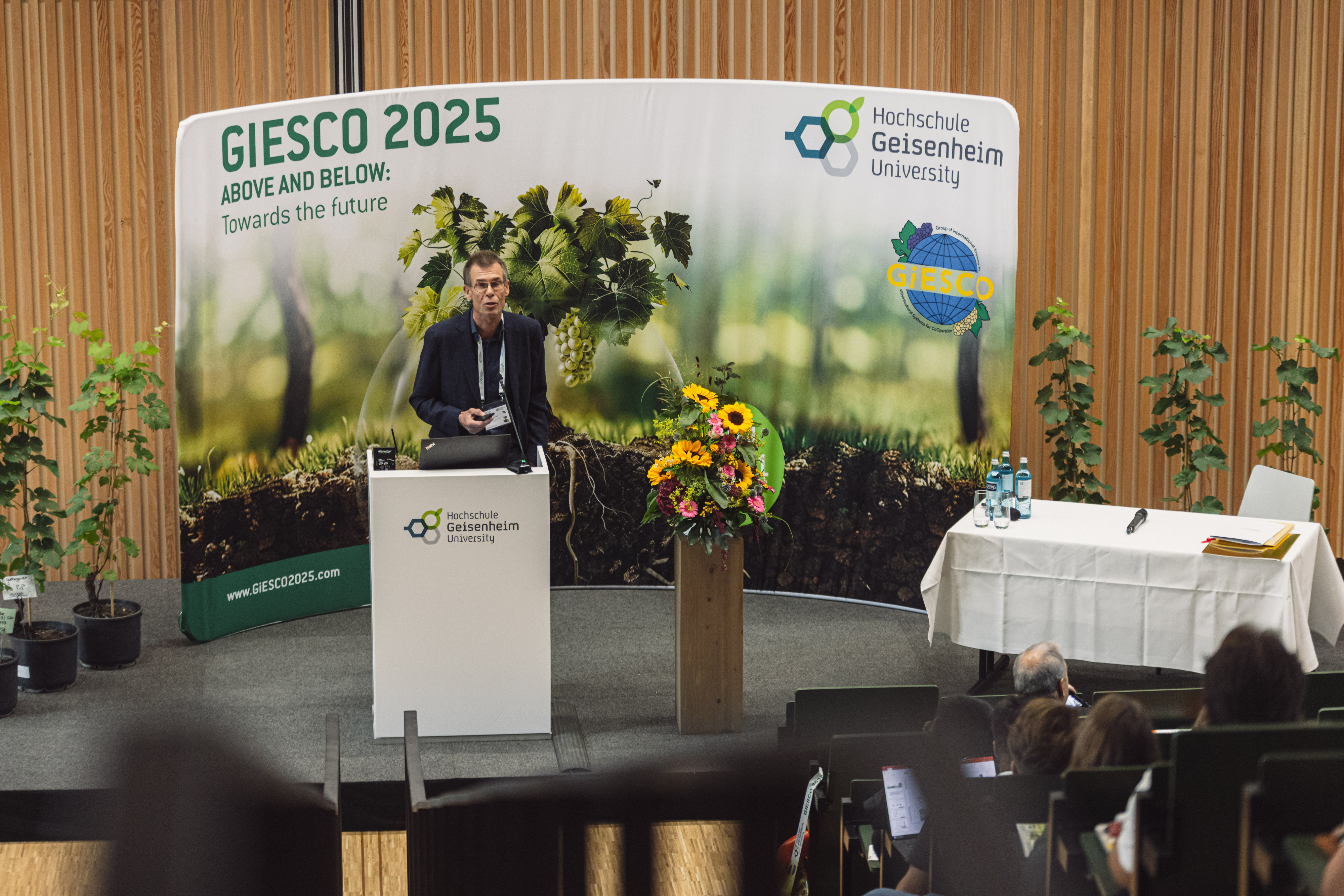
The conference’s keynote speech was held by Kees van Leeuwen, professor of viticulture and head of the Department of Viticulture and Enology at Bordeaux Sciences Agro. During his talk, van Leeuwen explained how a reduction in viticulture’s carbon footprint, water use, and use of pesticides and fertilizers can only be achieved if viticulture increasingly relies on local concepts while simultaneously considering the acceptance of customers and marketers. ‘Only when customers prefer wines that are produced under such conditions will winemakers actually produce them,’ said van Leeuwen. 

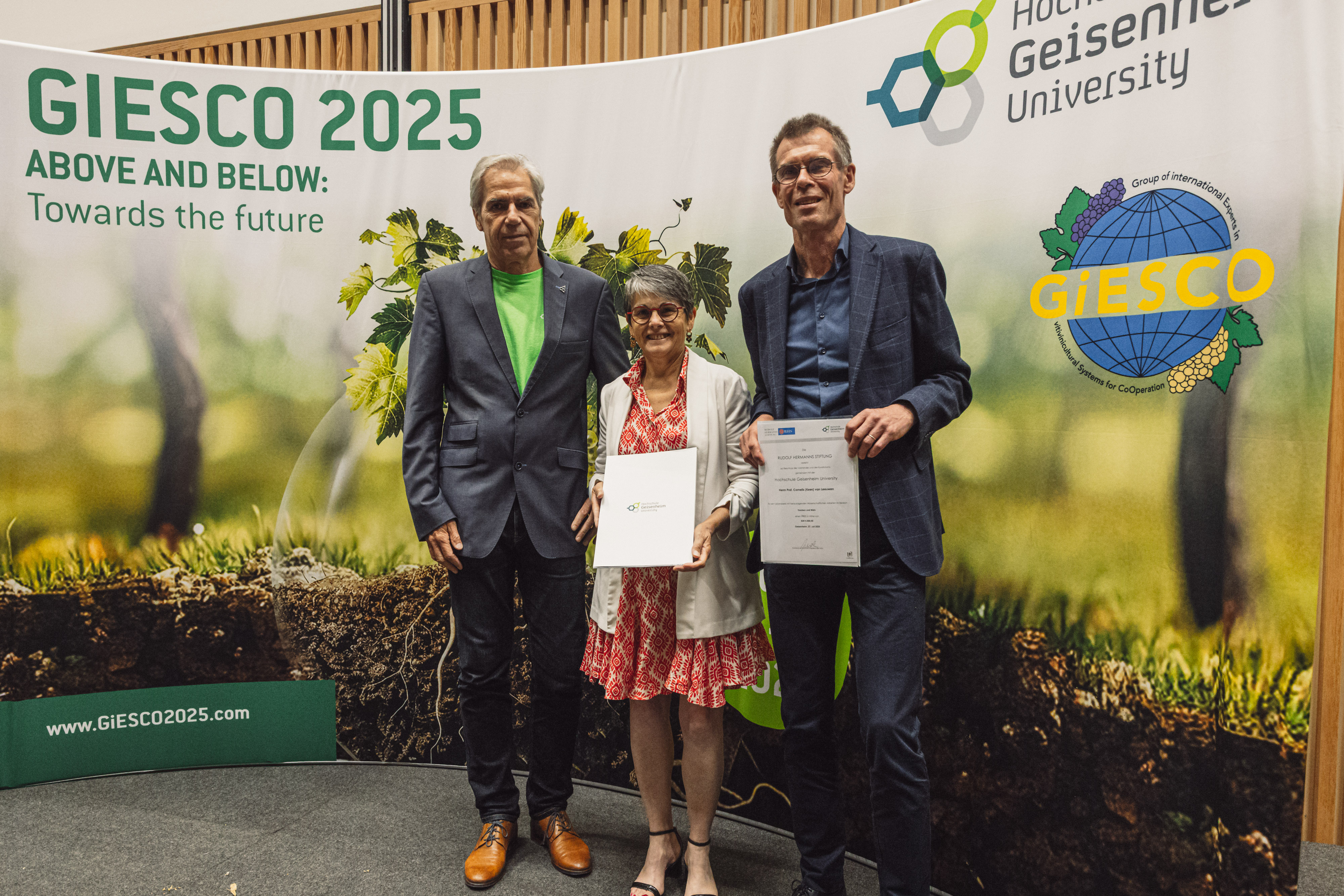
During the conference, Professor Hans Reiner Schultz awarded both Van Leeuwen and Nathalie Ollat, a research engineer at the Institute for Agriculture, Food and Environment (INRAE) in Bordeaux, with the Rudolf Hermanns Foundation prize in recognition of their contributions to the field.

A Packed Program, Industry Tours, and an Integrated Praxis Day

The conference program comprised a total of 10 keynotes and 100 additional short presentations held across seven sessions, as well as the presentation of 170 scientific posters. Topics covered included handling aridity, frost damage, rising carbon levels and other abiotic and biotic stress factors; new approaches to sustainable, organic viticulture; water and soil management; digitalization and the use of robotics in vineyards; and data management and modelling to predict upcoming climate events.

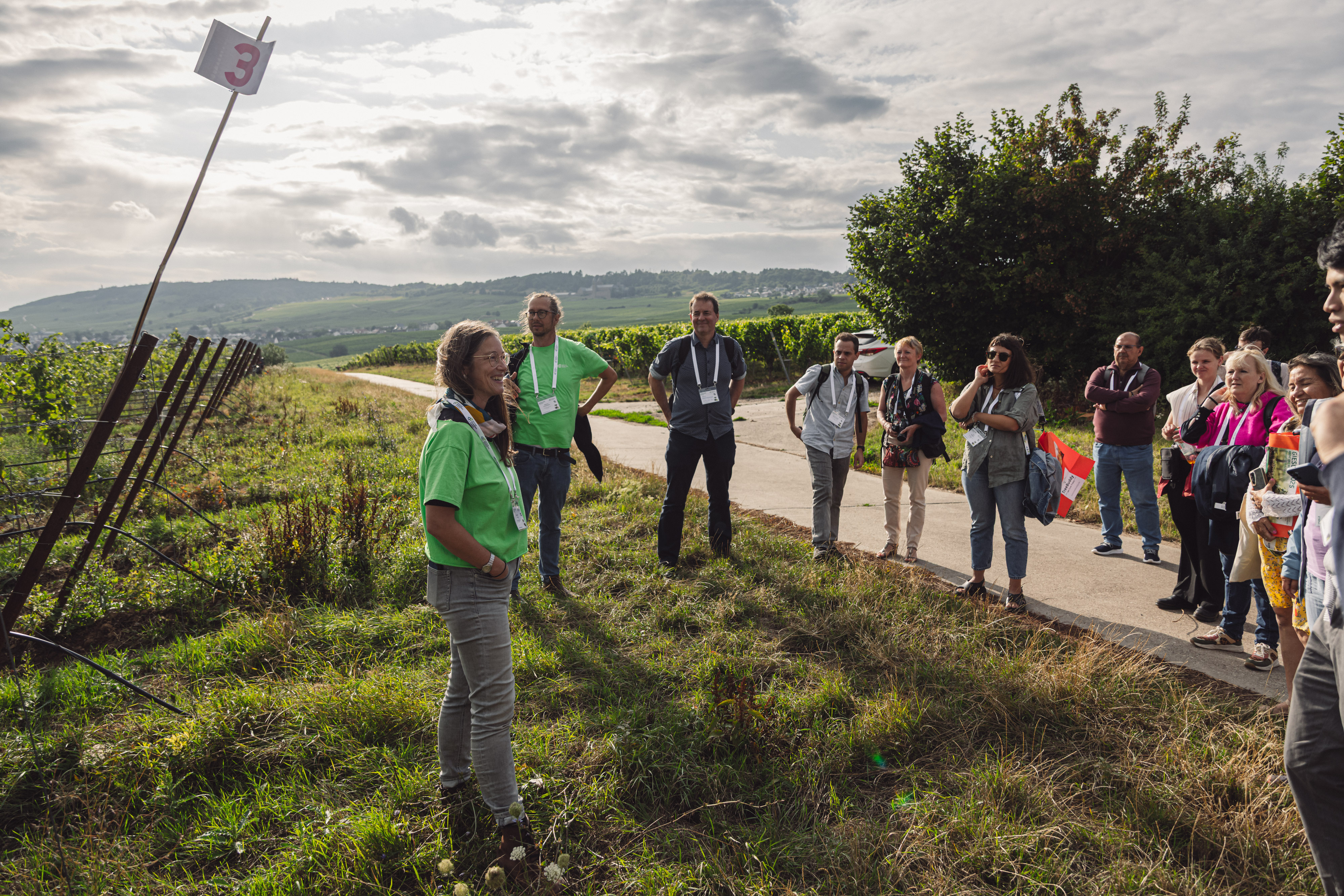
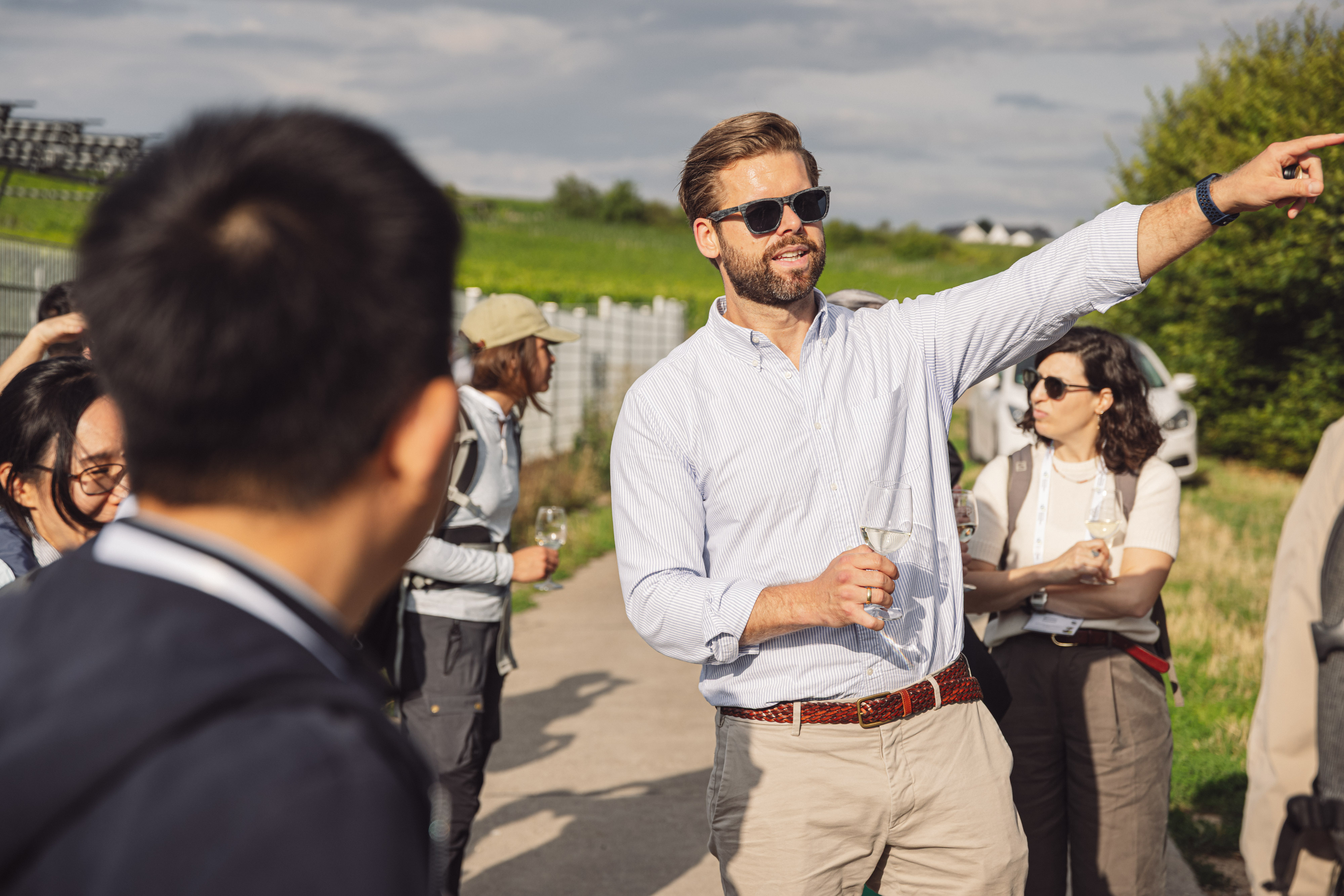
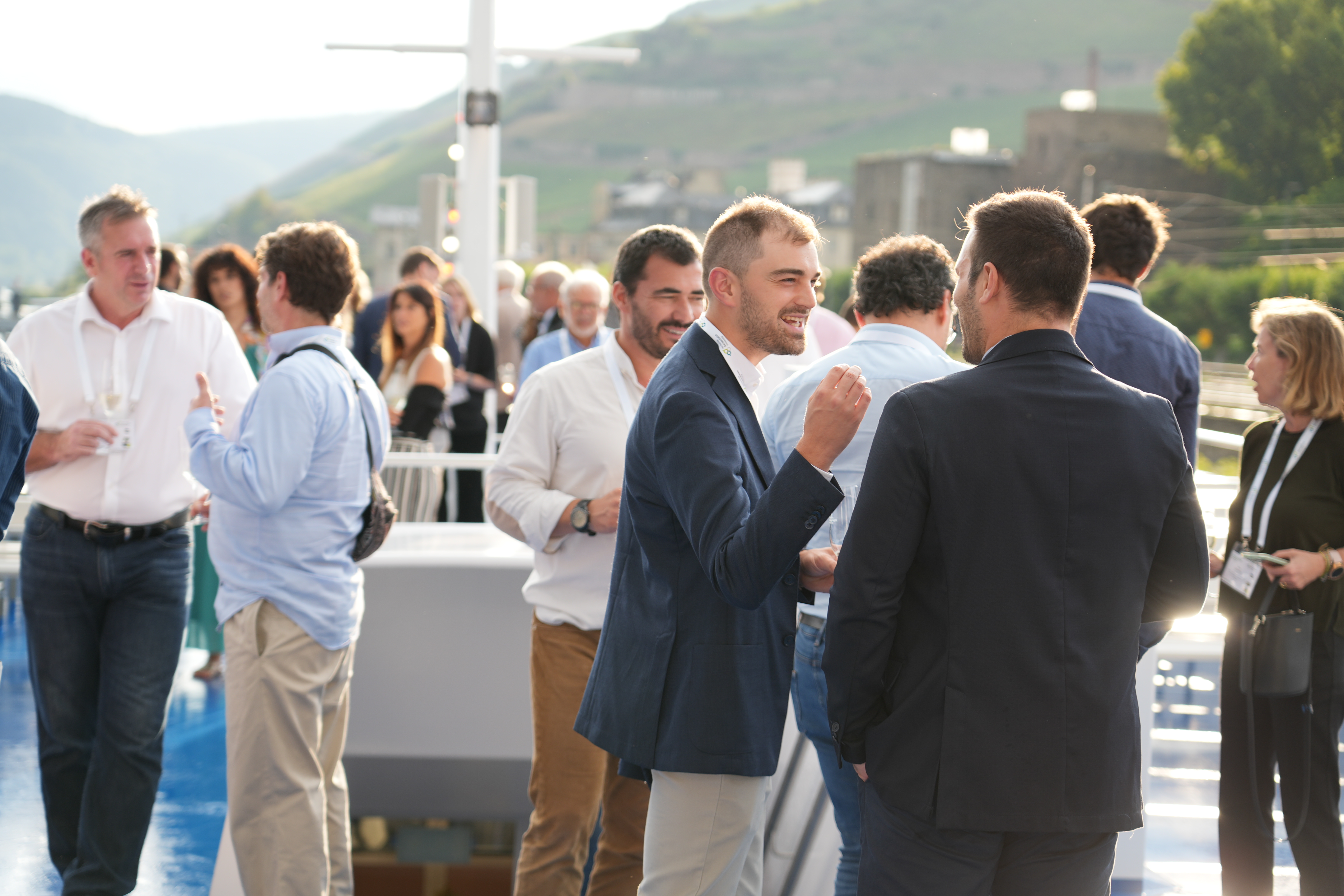
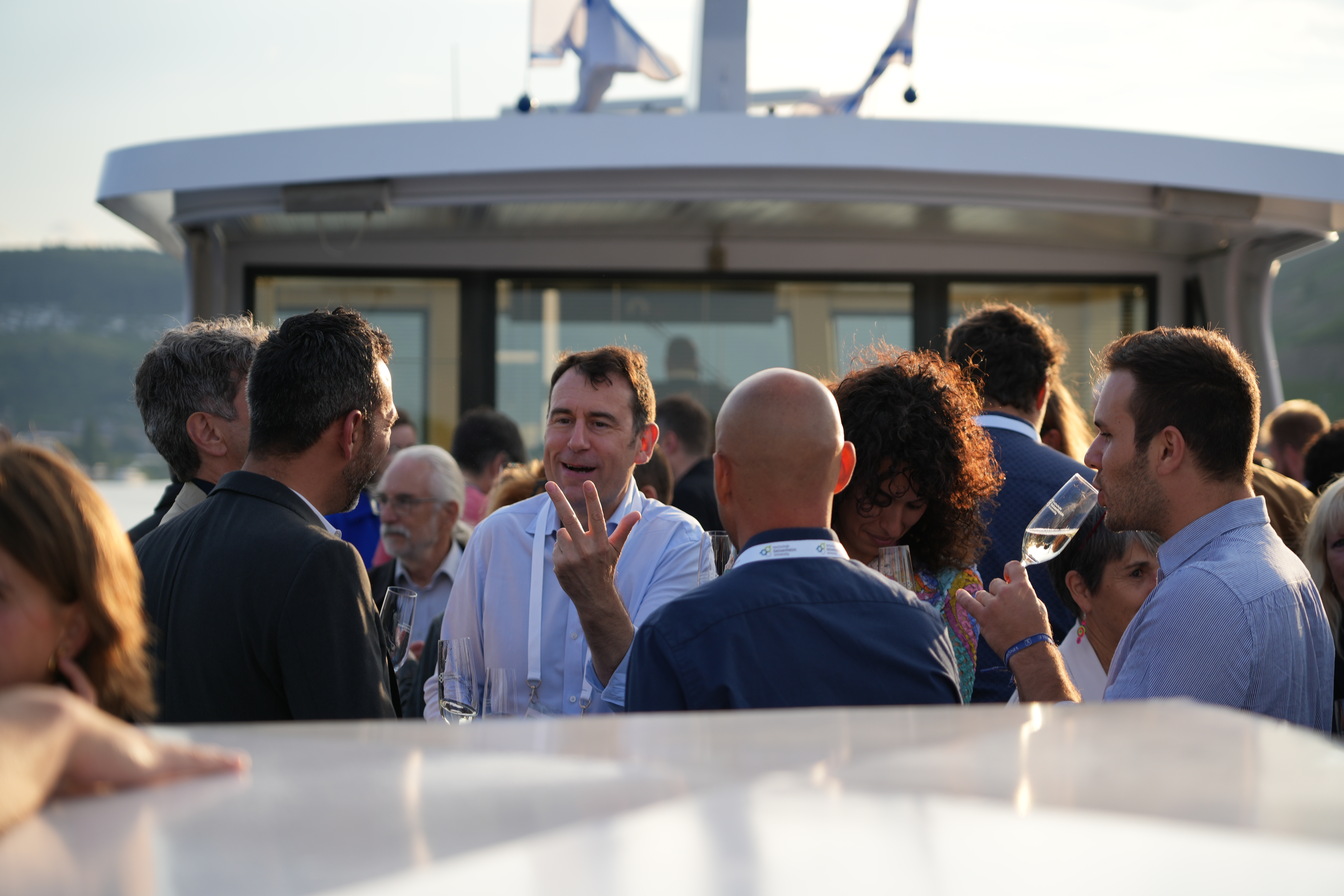
In order to ensure knowledge transfer into real-world praxis and to identify future topics in viticulture, the lectures were complemented by integrated excursions held on the Tuesday, which included seven tours of nearby wine-growing regions. The opportunity to swap ideas and experiences was enhanced by the gala dinner on the Wednesday evening, held as part of a boat trip on the river Rhine. Thursday featured a practical day, which local winegrowers were invited to attend. Three young researchers were also awarded for their poster presentations during the conference. 

More Information

GiESCO 2025 conference website

Detailed program with all presentations

Images/source: Geisenheim University/Woody T. Herner and Philipp Stieffenhofer
Categories: MyHGU-App, Mein-Netzwerk, Interne Mitteilungen, Weinwissenschaften, Weinbau, Önologie und Weinwirtschaft (M.Sc.), Weinbau und Oenologie (B.Sc.), HOCHSCHULE, Rudolf-Hermanns-Preis, Presse und Kommunikation, Allgemeiner und ökologischer Weinbau, Nachrichten

Images

Research brochure (click to enlarge)

Our University has unique opportunities to conduct scientifically recognized and applied research along the entire value chain of special crops. In doing so, we benefit both from a strong network of national and international partners and our own excellent research infrastructure at Geisenheim. Vice-President of Research Professor Annette Reineke