
Research at Hochschule Geisenheim University

Creating Strategies for a Sustainable and Livable Future

Climate Change, Biodiversity Loss, Sustainability Targets – We're Meeting the Planet's Most Urgent Challenges

Our mission is to develop resource-efficient, innovative, and sustainable solutions in the area of agriculture and food. Our work spans a broad range of key issues: advancing organic, climate-resilient cultivation strategies for specialty crops, developing sustainable production and marketing methods, and designing livable cultural landscapes and urban regions. By uniting ecology, profitability, and a focus on quality of life, we aim to create a sustainable future in which society and nature can flourish together.

Our Focus Areas

Sustainable Cultivation Systems for Specialty Crops

Cultivating grapevines, fruit, vegetables, and ornamentals is particularly resource intensive – as such, a careful balance between producing the highest quality products possible and ensuring sustainable practices needs to be struck.

Through our research, we are developing innovative, ecofriendly strategies that ensure healthy harvests and preserve resources. We breed varieties and growth forms that are optimally adapted to climate change, environmental factors, and potential pests and pathogens. Modern sensor systems help control water and nutrient supply with pinpoint accuracy, alternative plant protection strategies – such as the use of antagonists – strengthen plants and their environments, and new digital techniques make precise management measures possible. Together with our partners, we are establishing diverse cultivation strategies that promote biodiversity and preserve ecosystem functions, creating an economically and ecologically sustainable future for viticulture and horticulture.

Innovative and Safe Processing and Marketing for Plant Products

Sustainability in food production spans the entire journey, from cultivation and processing to the moment the product reaches the customer. At every stage, product quality and safety needs to be guaranteed. The bioeconomy plays a key role in this context, enabling the more efficient use of resources, processes, and systems, while supporting the livelihood of the businesses that produce them. 

Through our research, we develop energy and resource-efficient methodologies for processing plant products and extracting valuable ingredients from crops and by-products. We examine microorganisms as natural protective cultures, evaluate the health effects of plant-based ingredients, and conduct sensory tests with our university panel. Market research, consumer behavior analyses, and industry data deliver essential insights for sustainable marketing strategies, particularly in the wine industry. We also analyze the logistical processes, from packing to distribution, and boost the efficiency and sustainability of the entire value chain with the help of modern, digital technologies.

Livable Cultural Landscapes and Urban Regions

Intensified land use has reduced valuable landscape features and biodiversity in many areas. Urban regions are also under pressure to maintain quality of life through green infrastructure such as parks and green belts.

Through our research, we develop methods to optimize and assess urban open spaces and enhance their social sustainability. We create techniques for greening sites with limited soil and for using plants in urban areas in a targeted manner, particularly in the context of climate change. For viticultural landscapes, we design strategies to adapt to climate change and preserve rare species. Additionally, we develop concepts for multifunctional, ecologically valuable, and attractive landscapes that enable new, sustainable production scenarios.

Questions about Our Research?

Please get in touch!

Christiane Jost
Dr. Christiane Jost
Building 5924
Room 01.01
Phone +49 6722 502 6334
Christiane.Jost(at)hs-gm.de Details

News & Latest Projects

Summer Graduation 2026: Celebrating Graduates’ Achievements in Academia and Research

(c) Hochschule Geisenheim / Oliver Plick

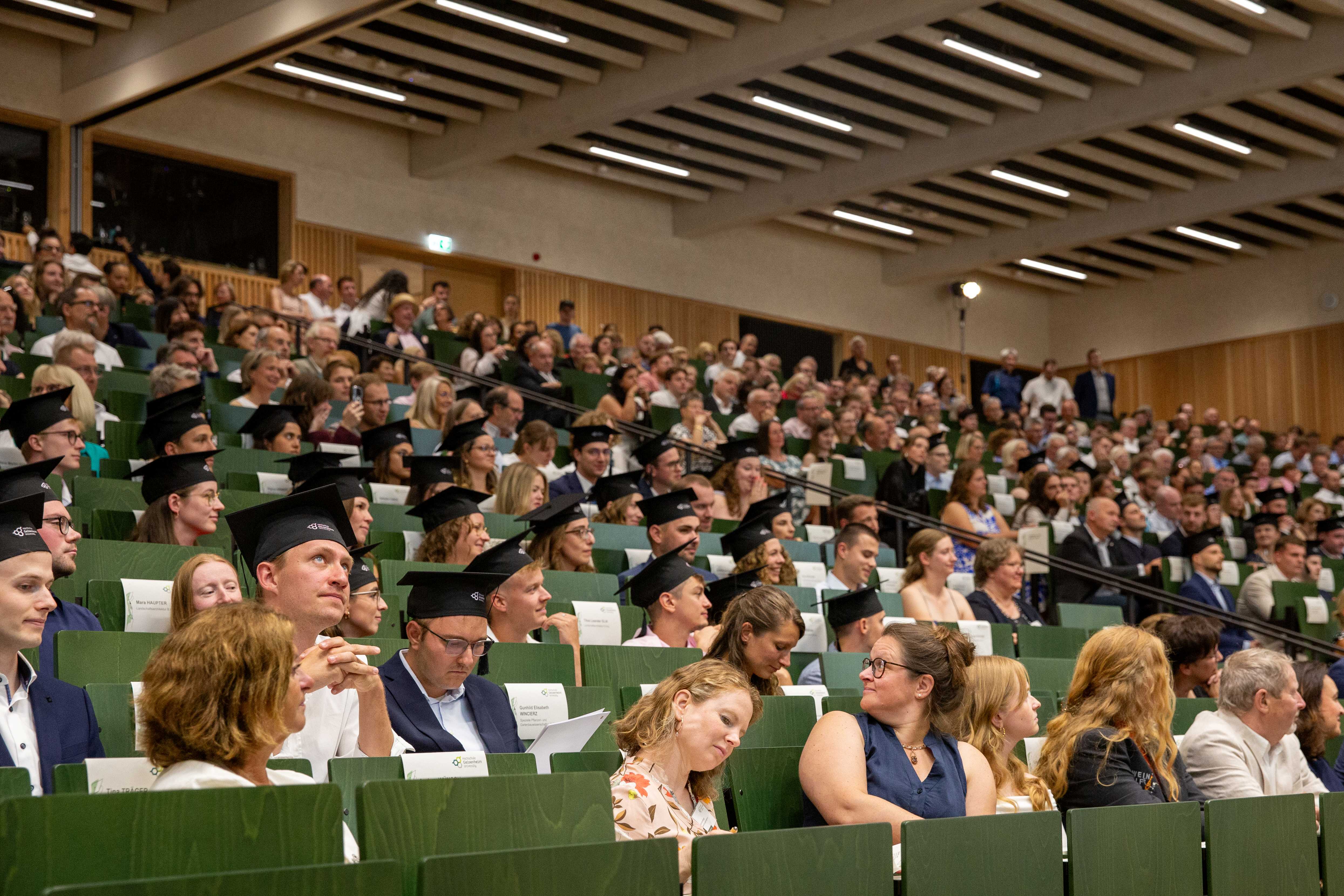
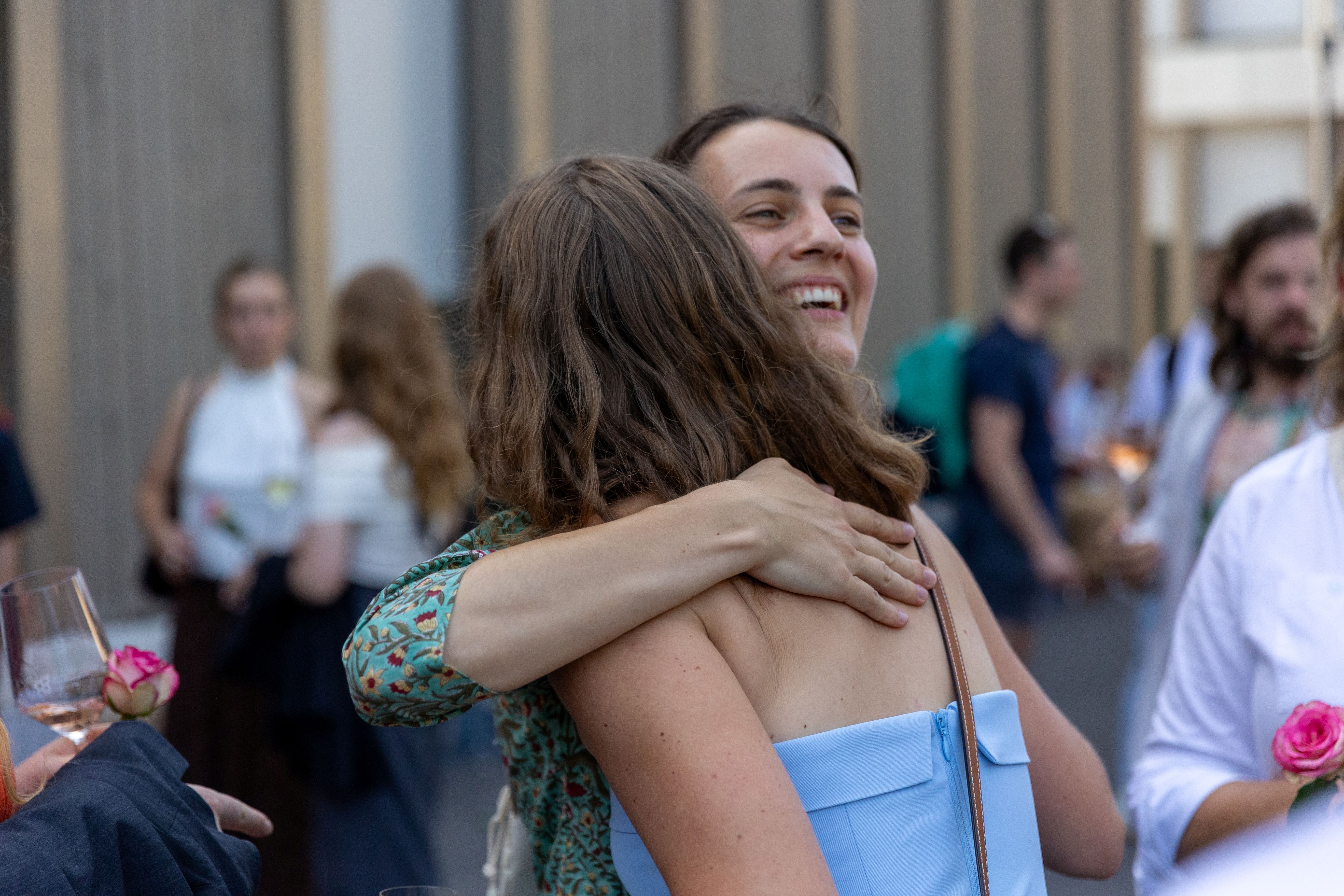
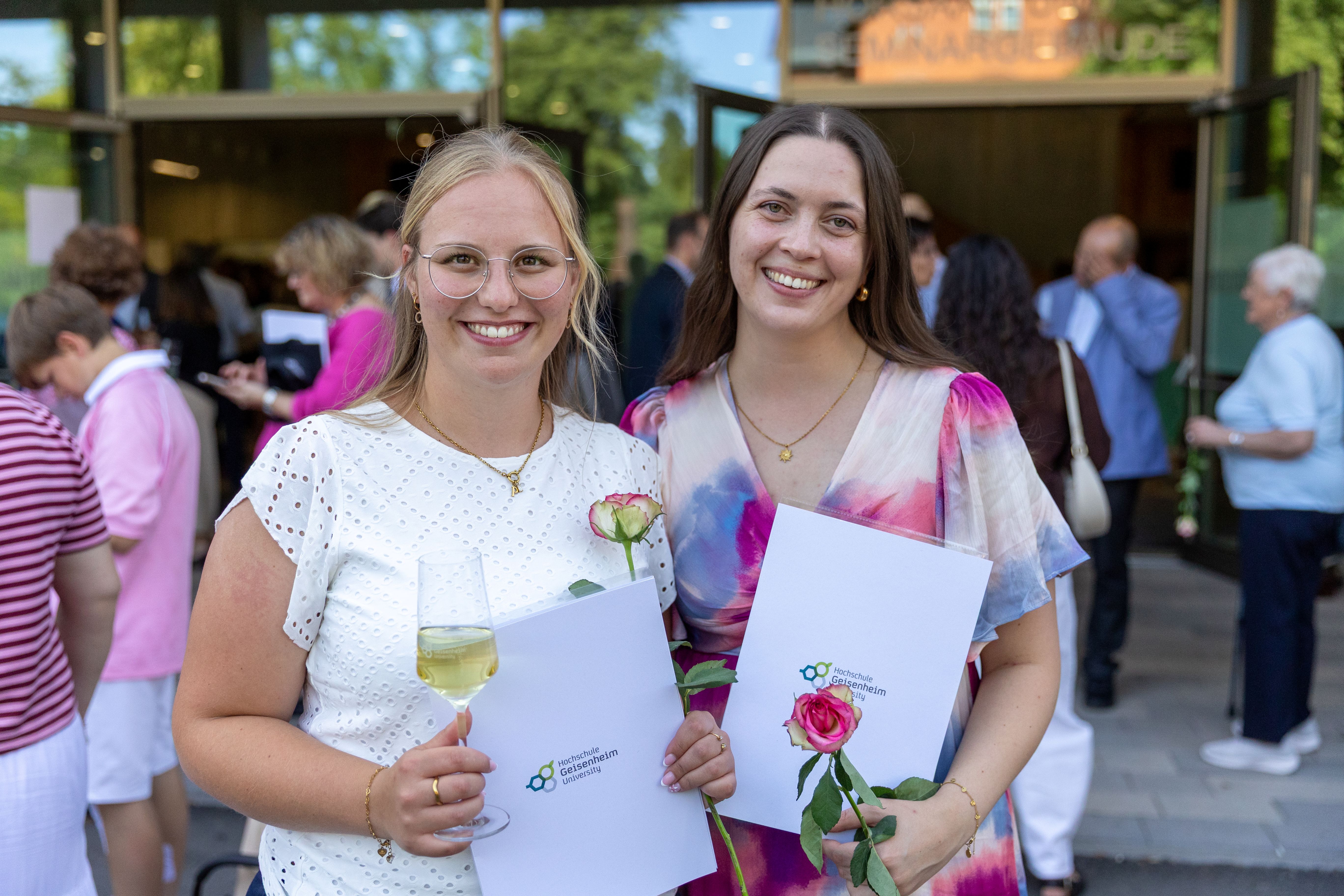
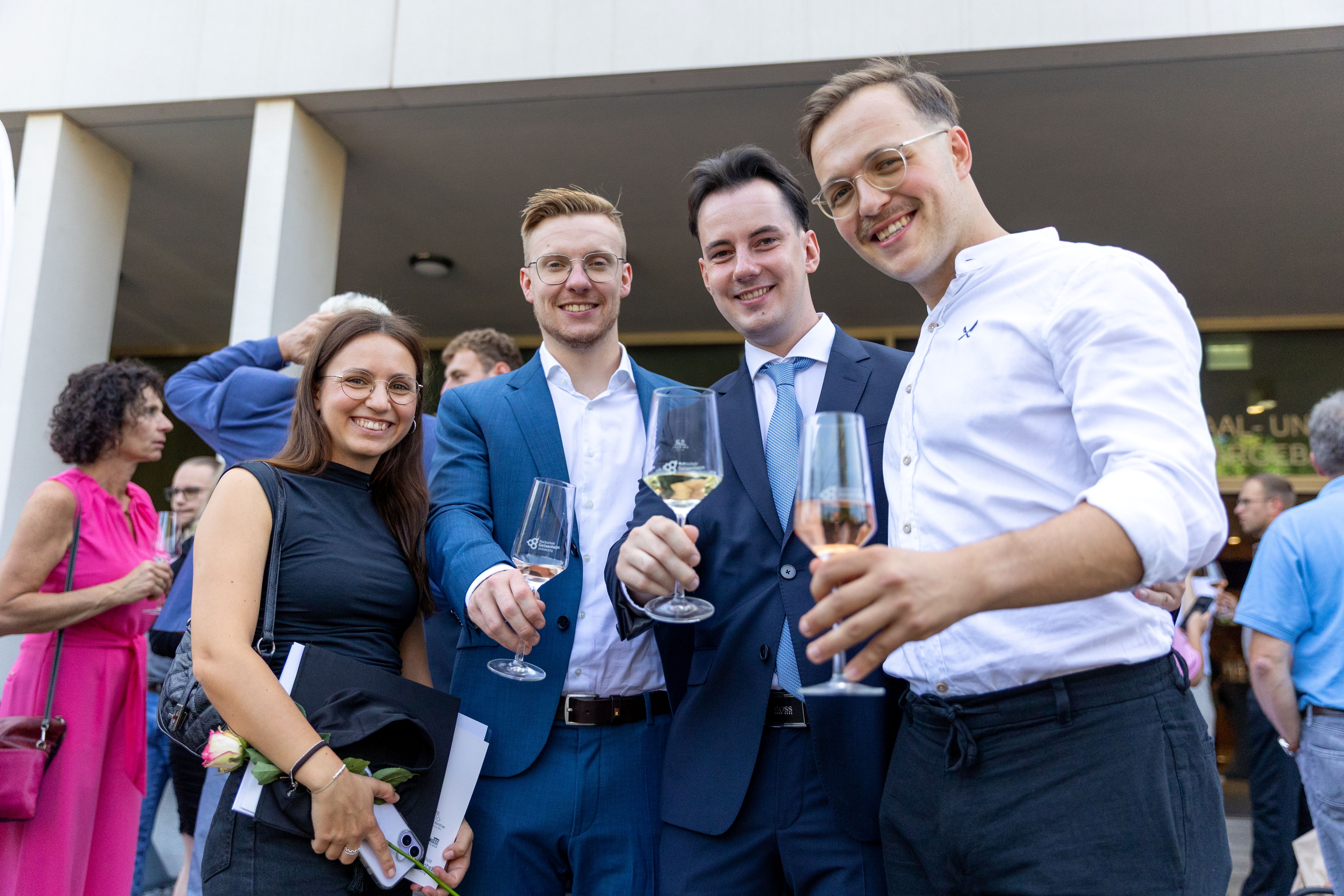
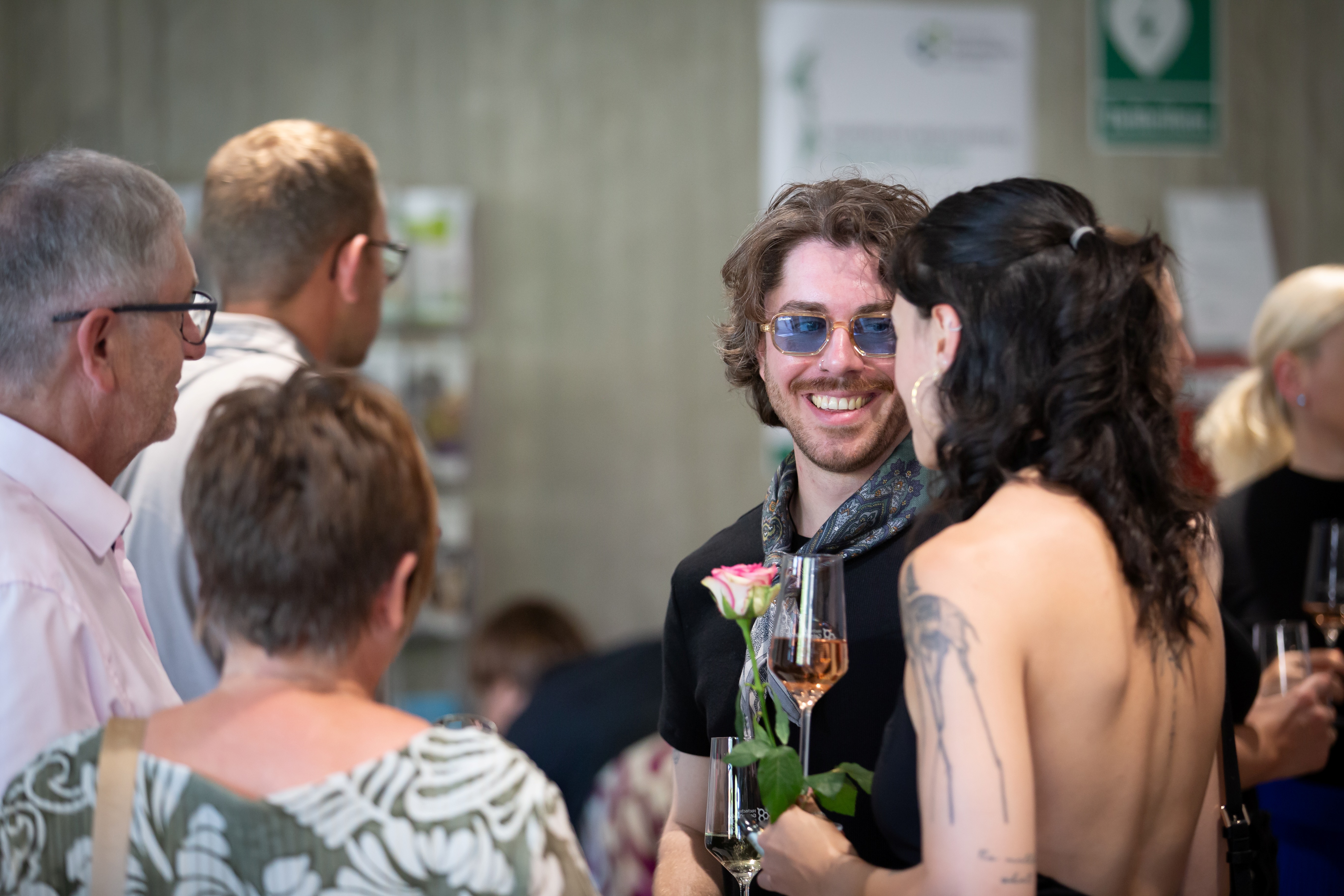
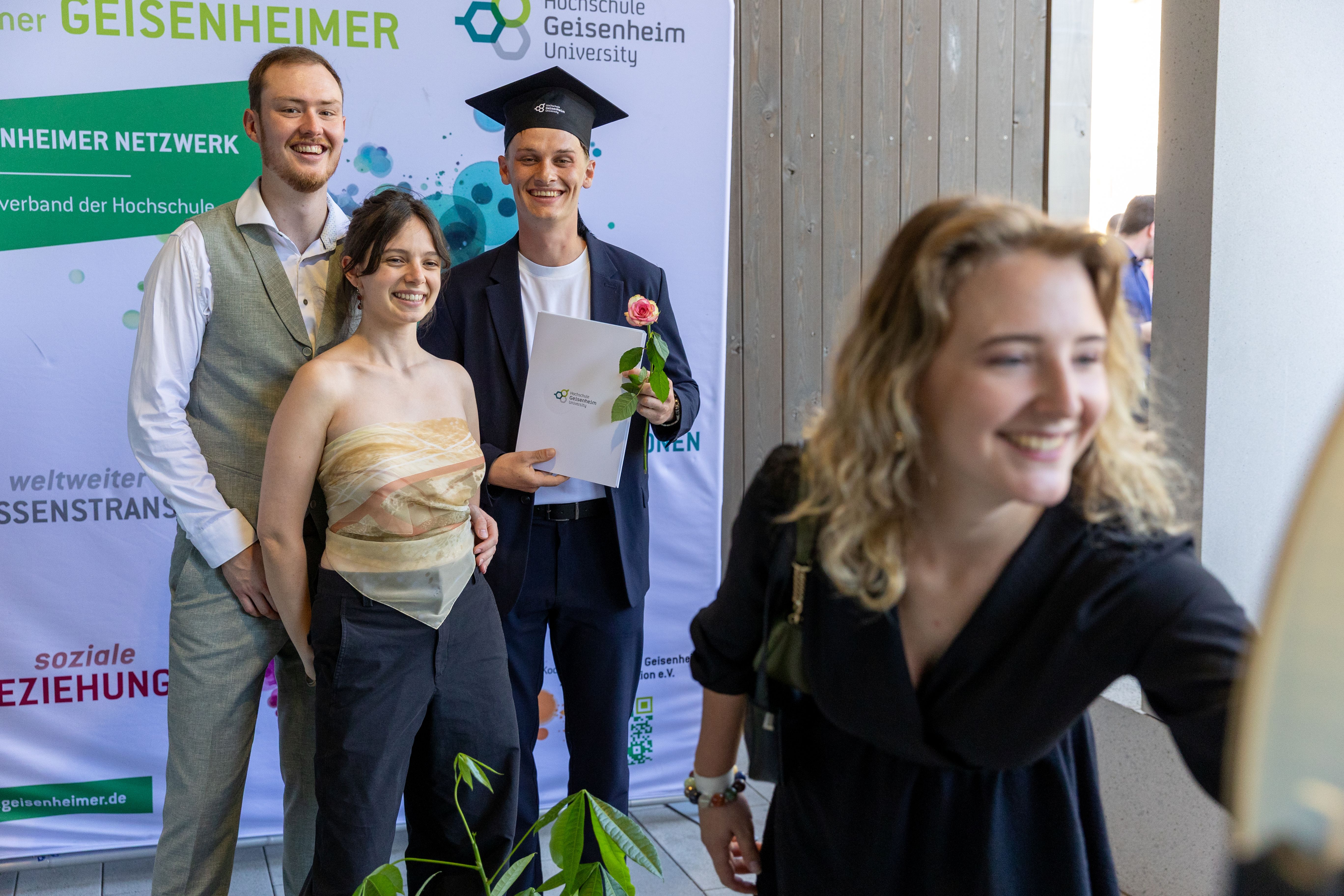
On July 24, 2026, Hochschule Geisenheim University bid farewell to 156 graduates and three doctorate holders at its summer graduation ceremony. Numerous guests including family, friends and members of the university community attended the ceremony to watch the graduates receive their certificates.

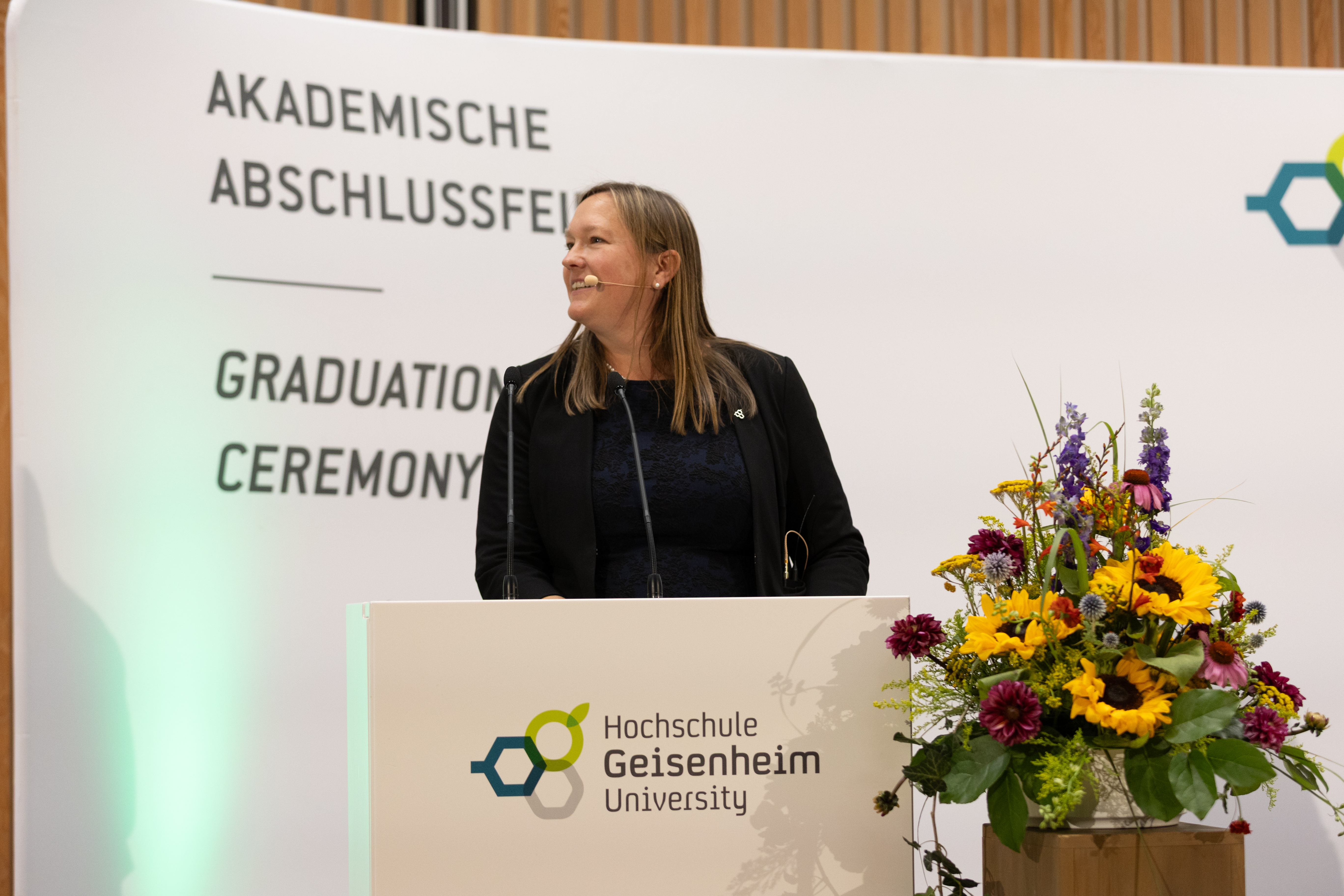
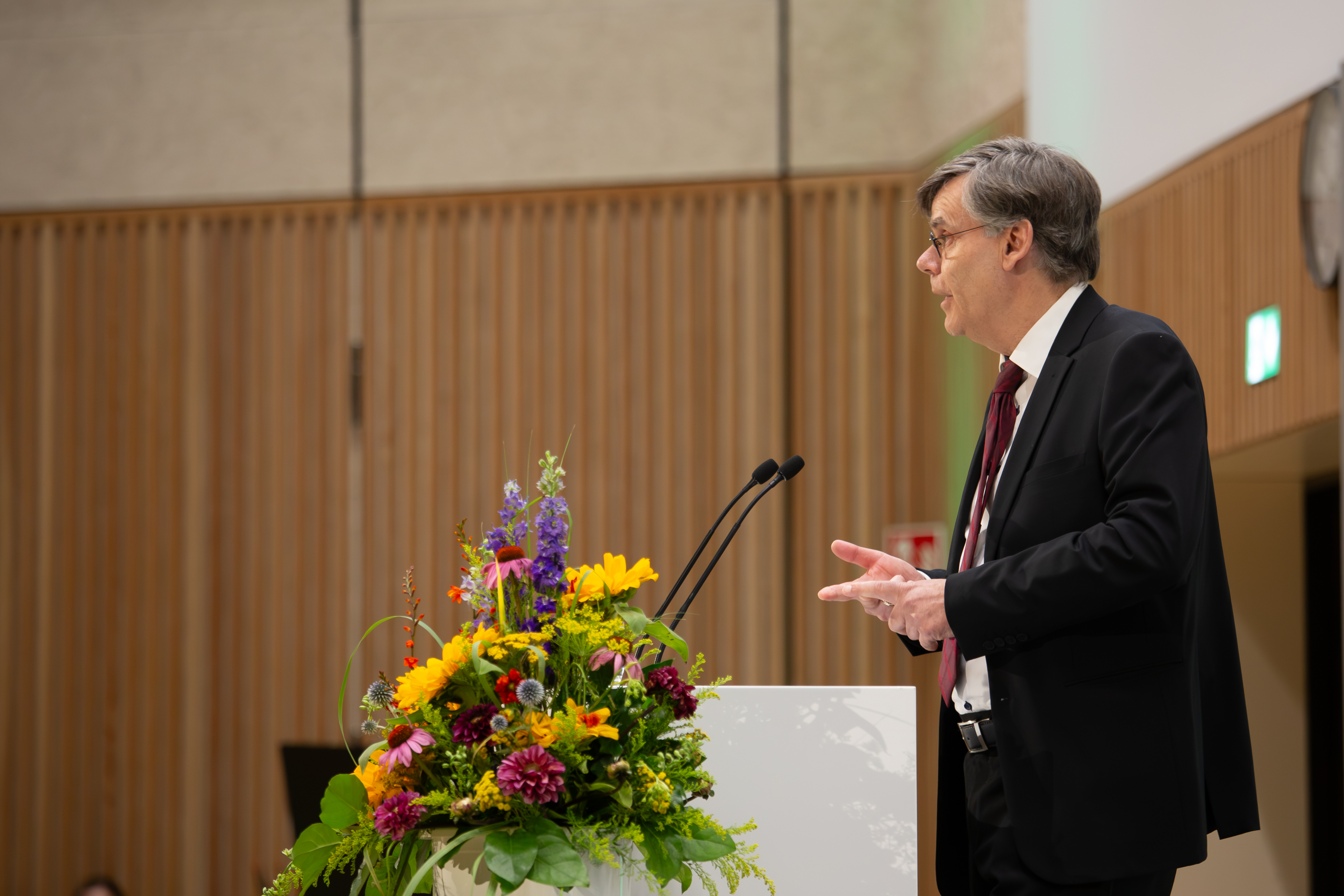
The ceremony kicked off with speeches by the university’s President, Professor Karl H. Mühling, and the Vice-President of Academic and Student Affairs, Professor Mirjam Hey, who welcomed the graduates of the university’s core disciplines: wine and beverages, food products, horticulture, and landscape architecture.

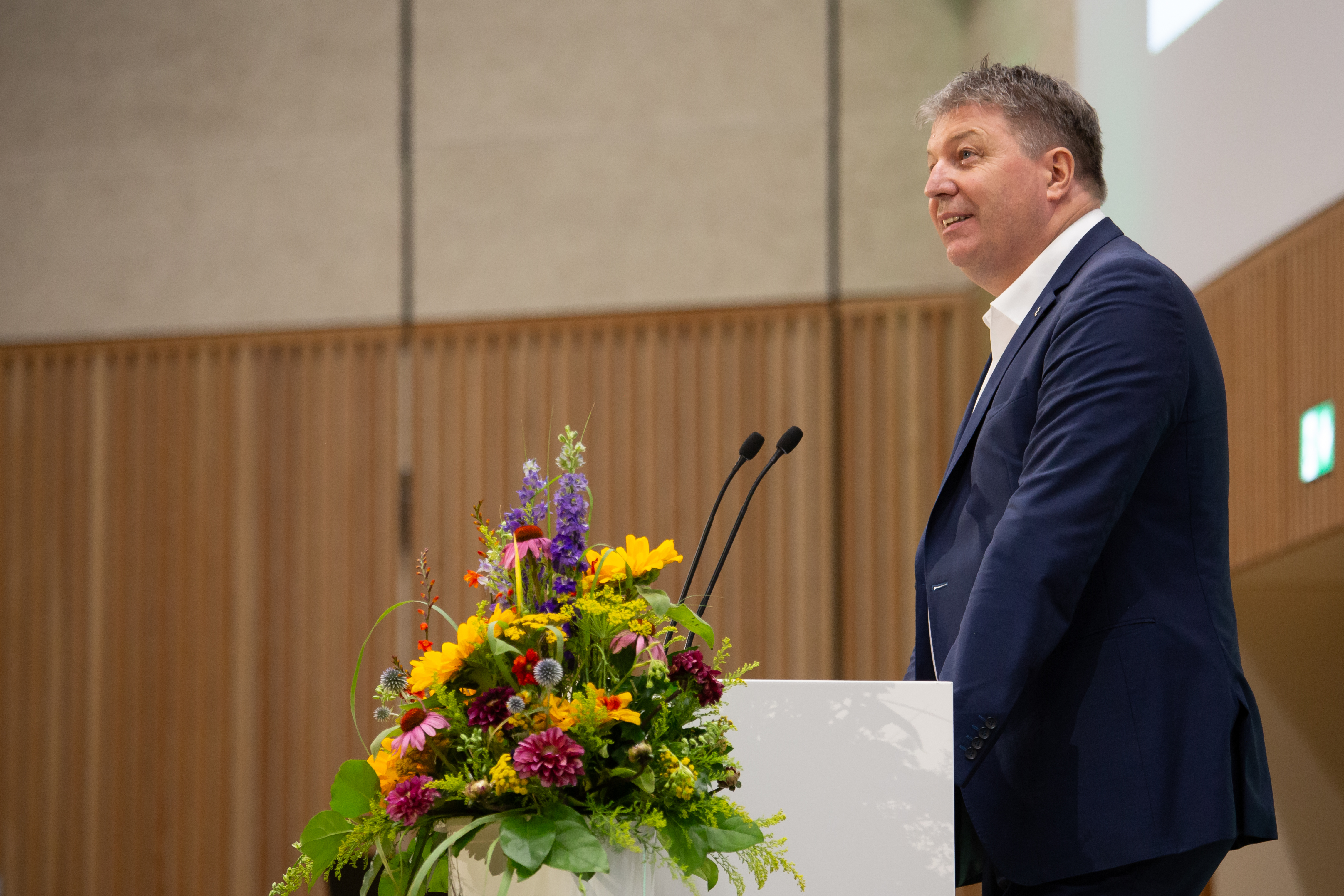
In his speech, Prof. Mühling congratulated them on their achievements and emphasized the importance of interconnected scientific thinking. “Anyone who studies plants, food, or landscapes quickly learns that sustainable solutions require a comprehensive understanding of the systems. In Geisenheim, you’ve been introduced to this way of interconnected thinking. I hope you’ll maintain this scientific perspective and match it with creativity and a sense of responsibility, because that’s exactly what we’ll need in the future.”

Prof. Mirjam Hey recognized the graduates' successful completion of their studies as a special milestone: “Your graduation marks the end of an important chapter in your lives, but also the beginning of a new era. Whether in viticulture, the wine industry, food safety, landscape architecture, or horticulture: You’ve acquired specialized knowledge, practical experience, and the ability to handle even new and challenging situations with confidence. For your future, we hope you’ll trust your talents and find joy in your next steps. We wish you all the best as you move forward on your path and hope that you’ll stay in touch.”

Dipl.-Ing. Robert Lönarz, President of the Geisenheim Alumni Association, likewise congratulated the graduates and invited them to stay in touch and join the alumni network, which acts as a platform for personal and professional exchange. 

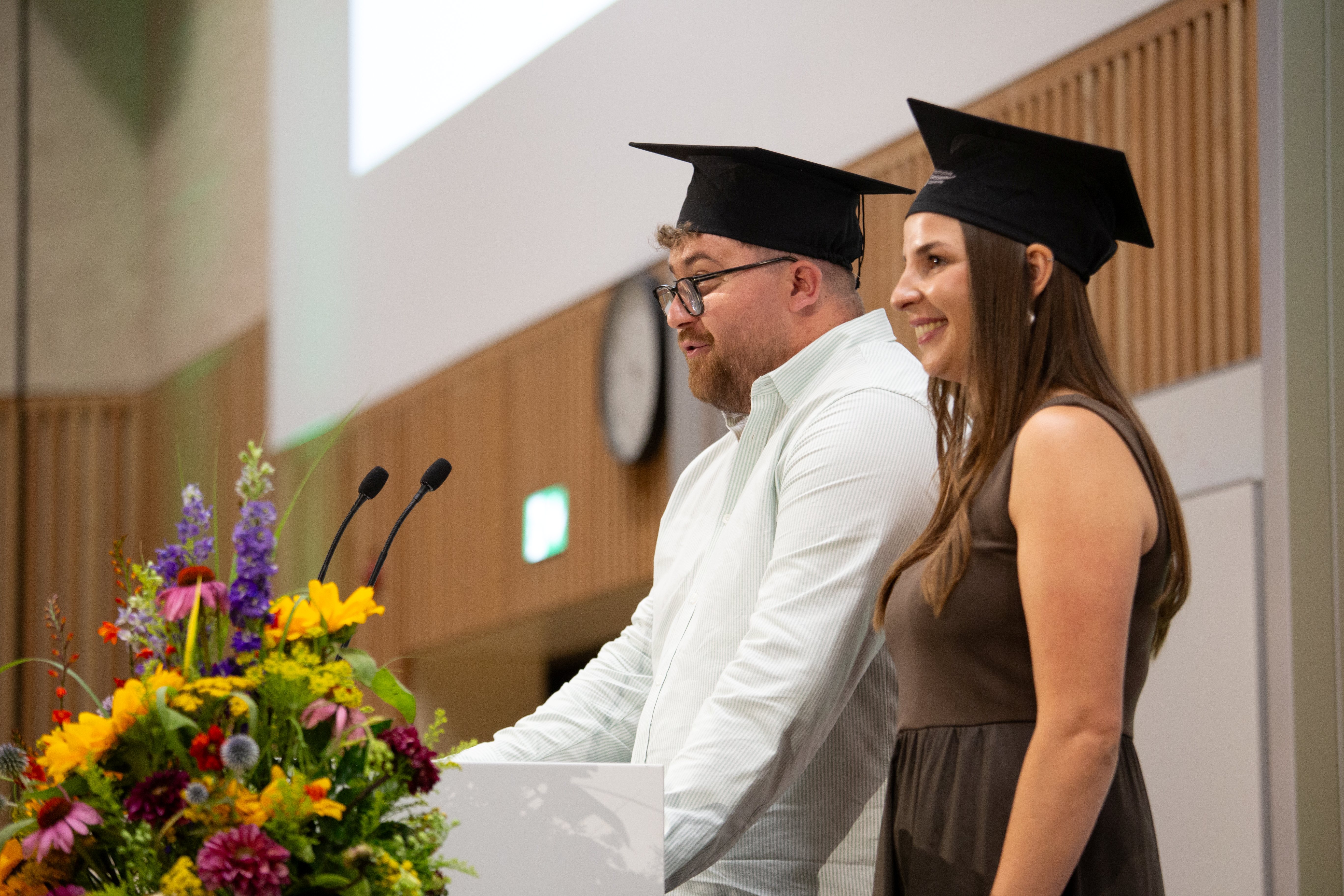
The graduates themselves also actively contributed to the ceremony by sharing personal anecdotes. In short speeches, they recollected their time at university and thanked faculty and staff members. 

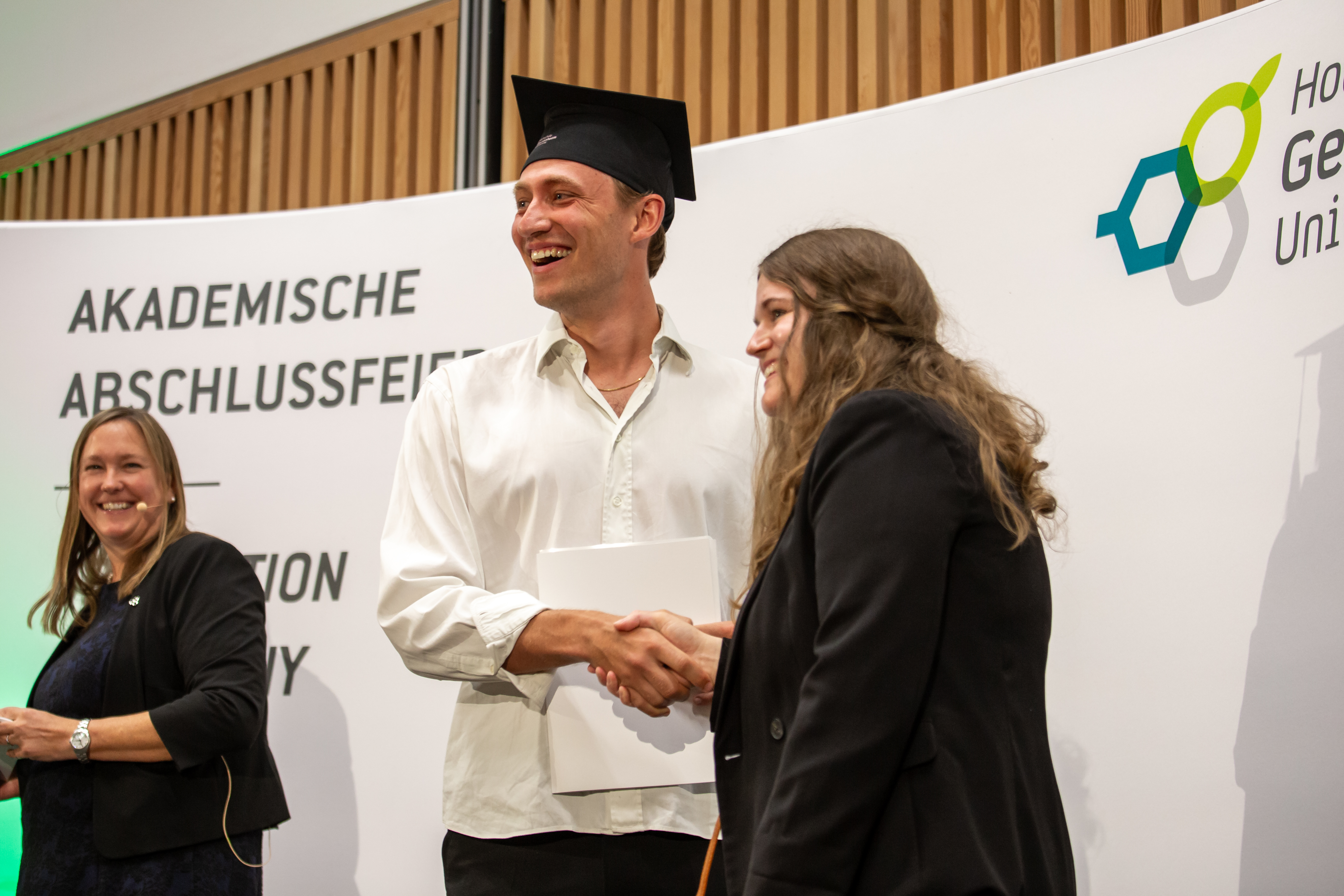
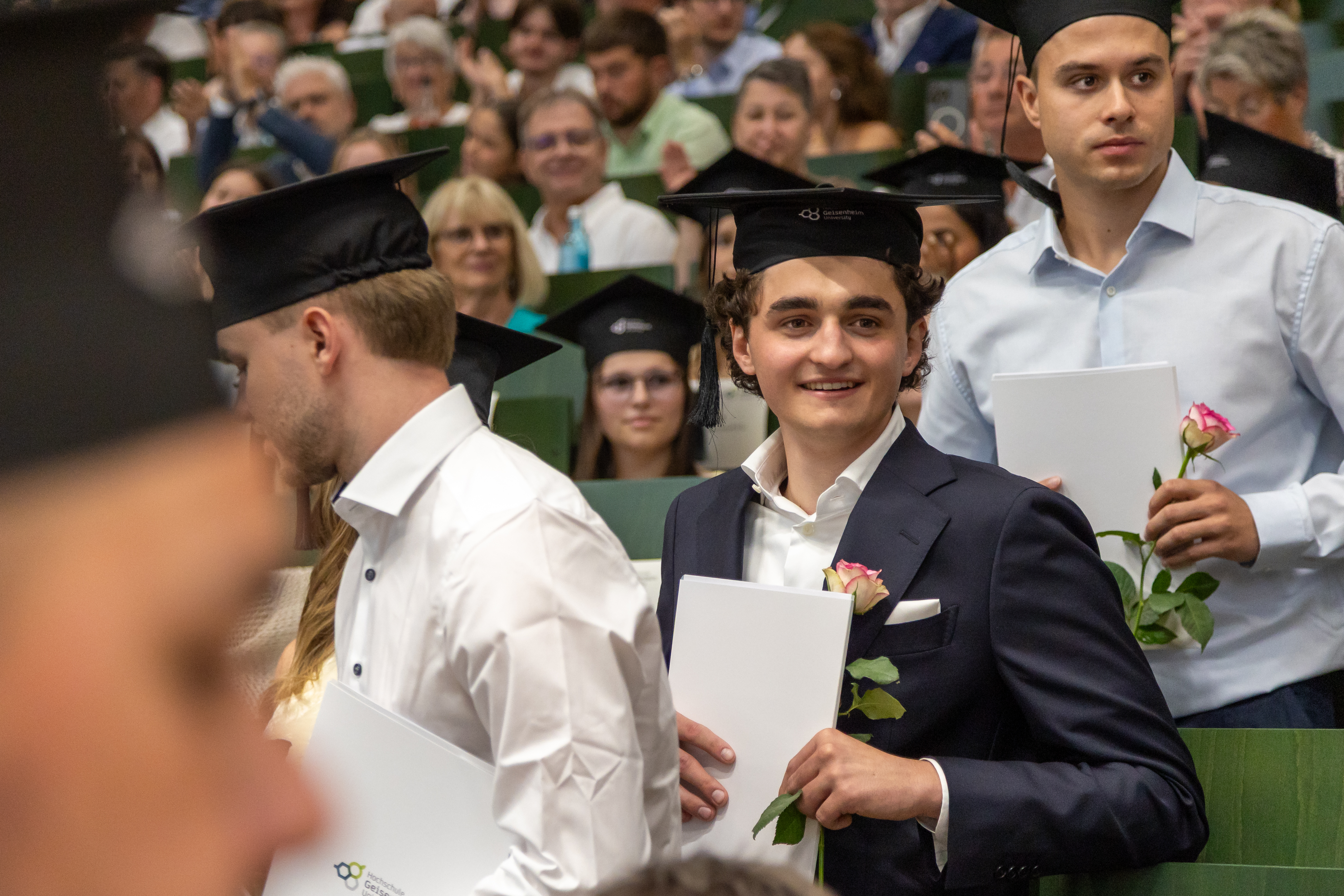
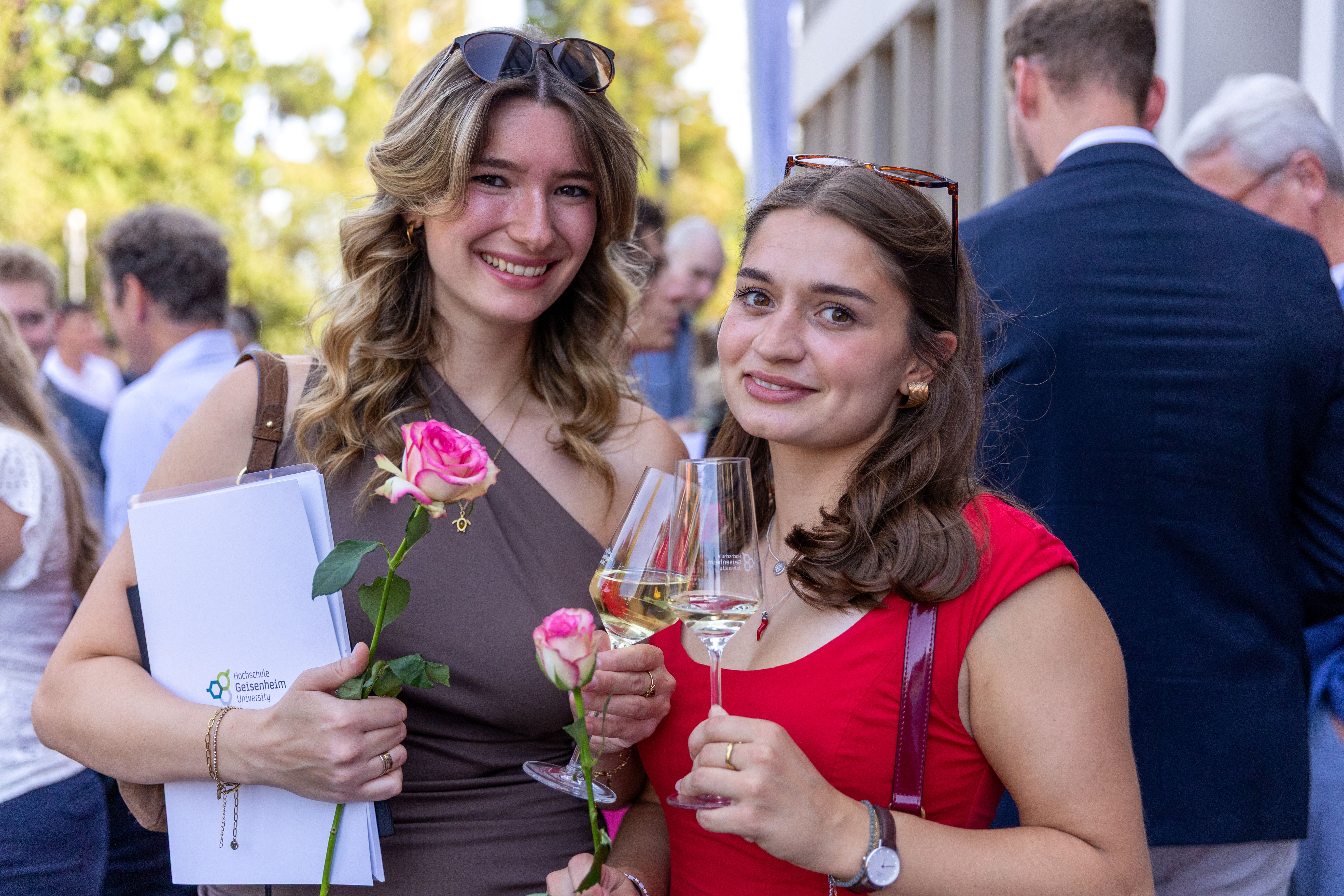
The highlight of the ceremony was the presentation of the certificates by the heads of the degree programs. Traditionally, board members of the alumni association joined the graduates on stage to present them with a rose. New members of the association also received a university pin to welcome them to the network. 

Presentation of Doctoral Certificates

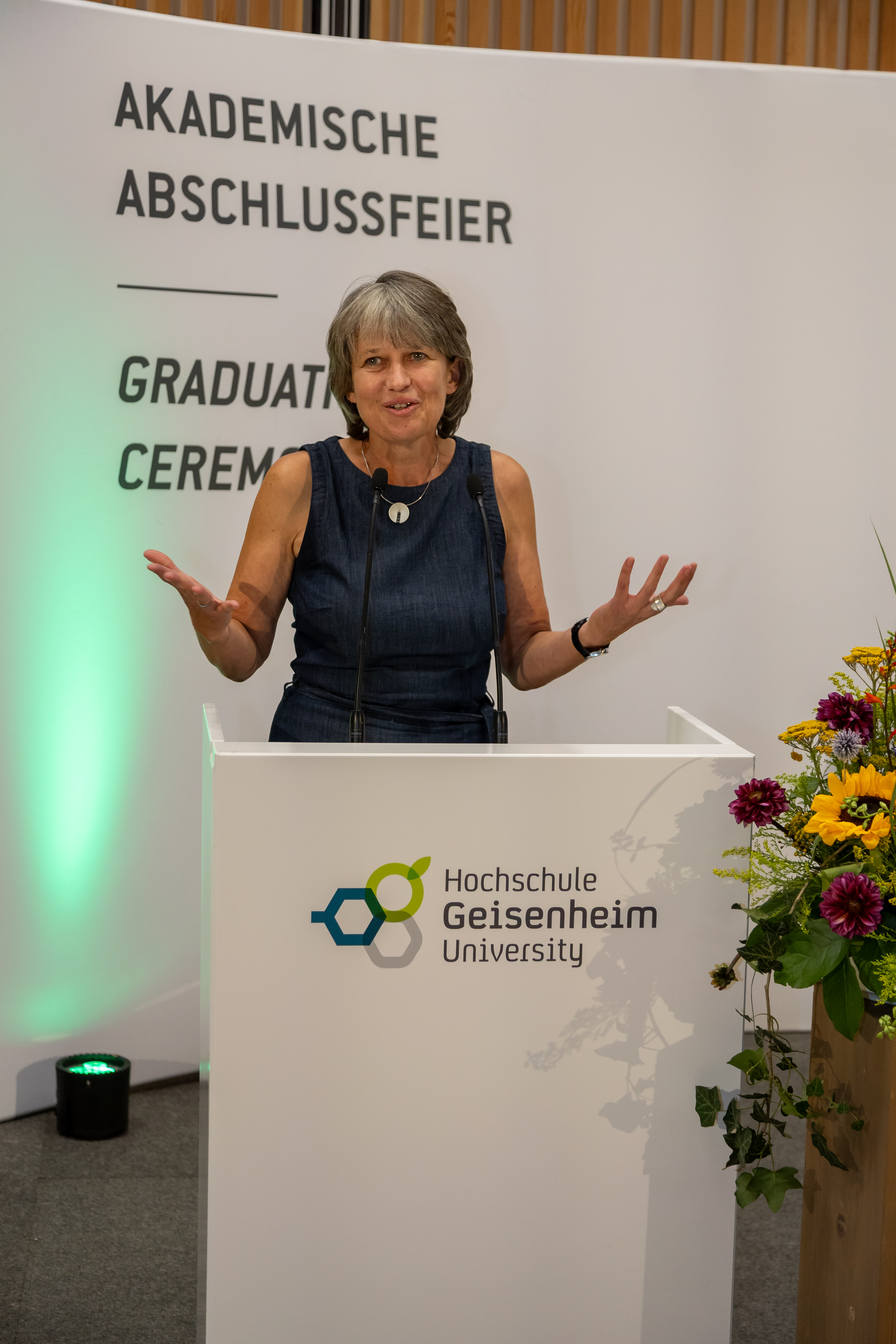
As part of the ceremony, Prof. Annette Reineke, Vice-President of Research, awarded three researchers with their doctoral certificates:

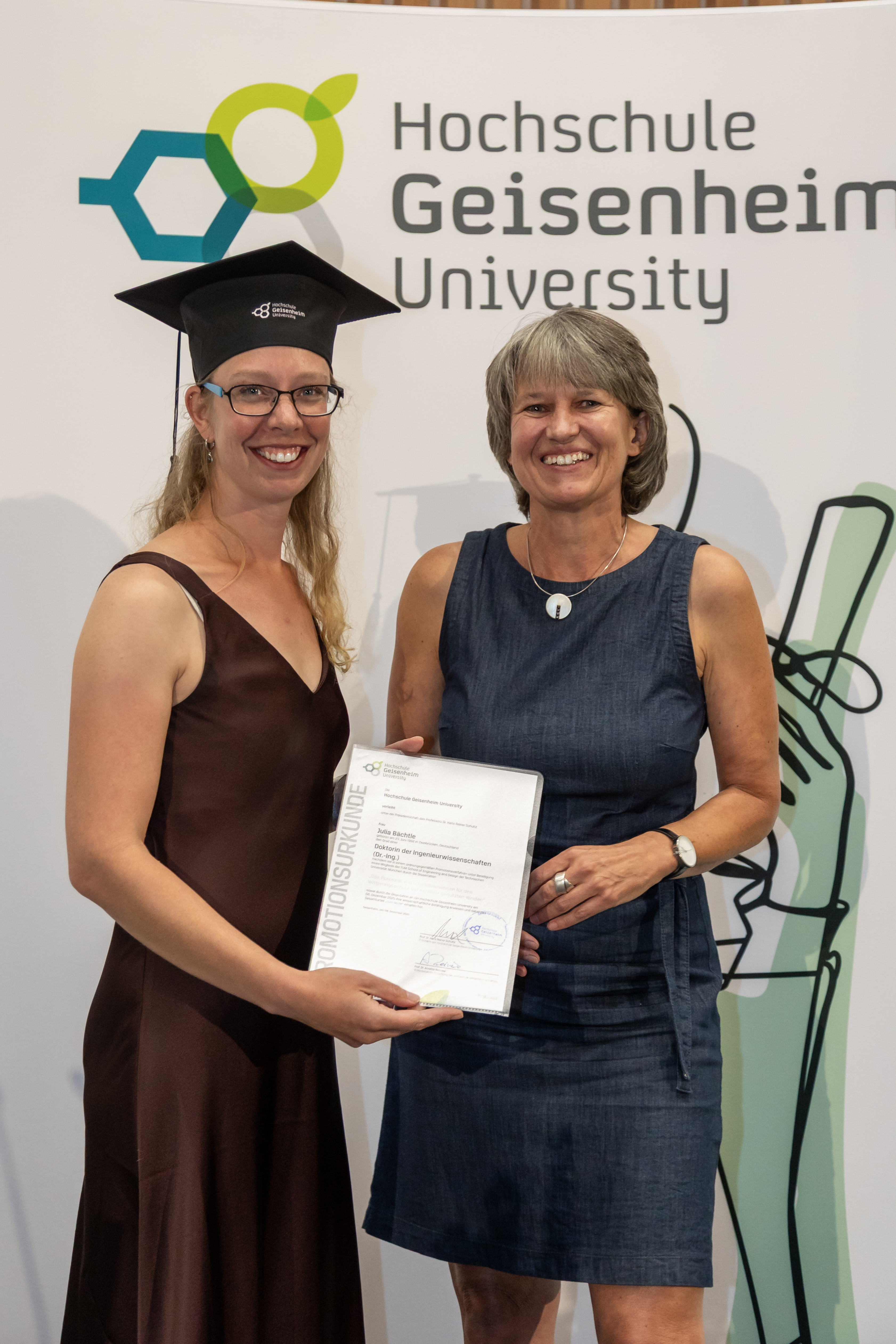
Dr. Julia Bächtle for her dissertation entitled “Das Potenzial von Lebendbauweisen für den Witterungsschutz auf extensiv genutzten Weiden 

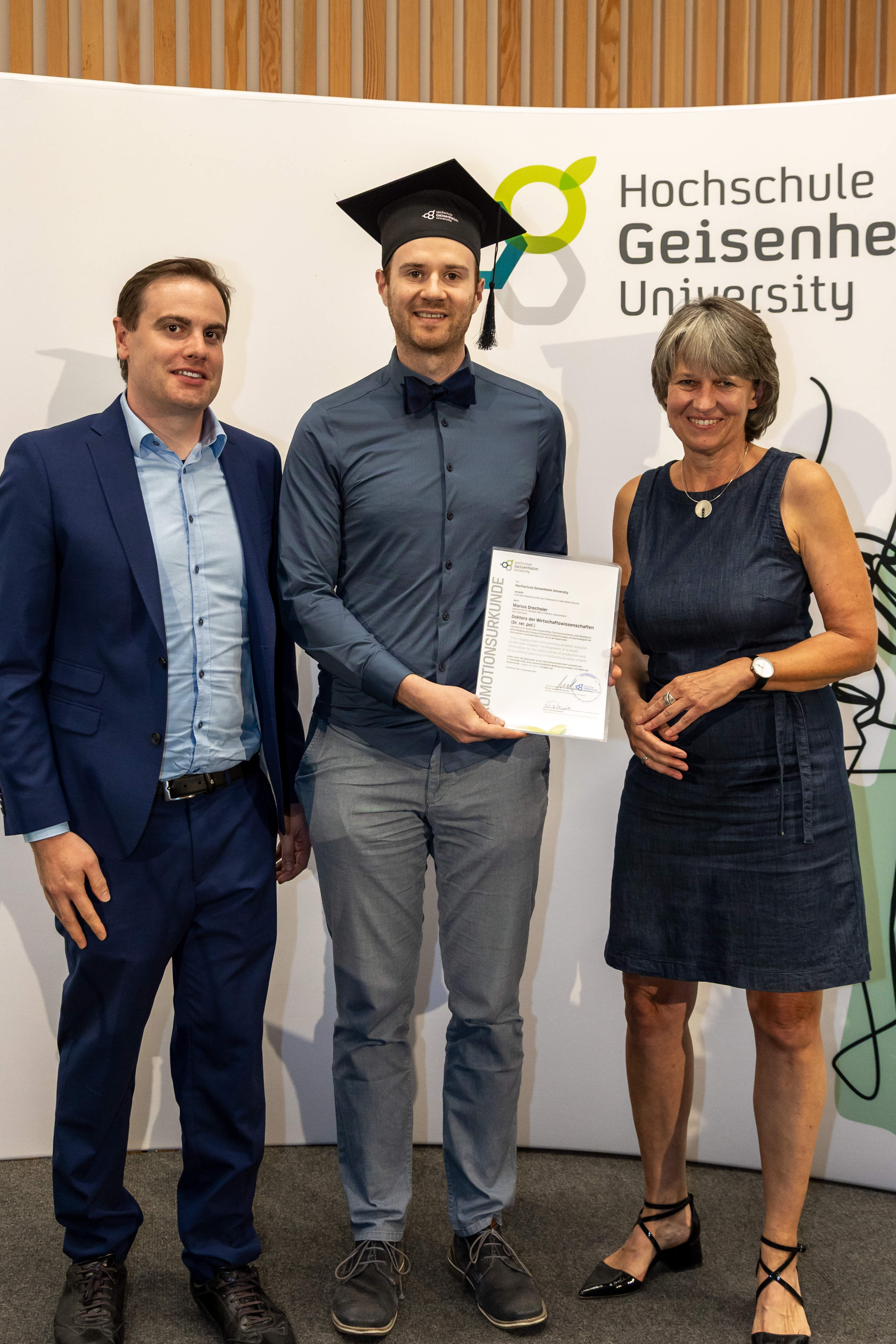
Dr. Marius Drechsler: “From supply chain and planning problem analysis to decision support: Development of a model formulation for the optimization of production and procurement planning in horticultural value chains“.

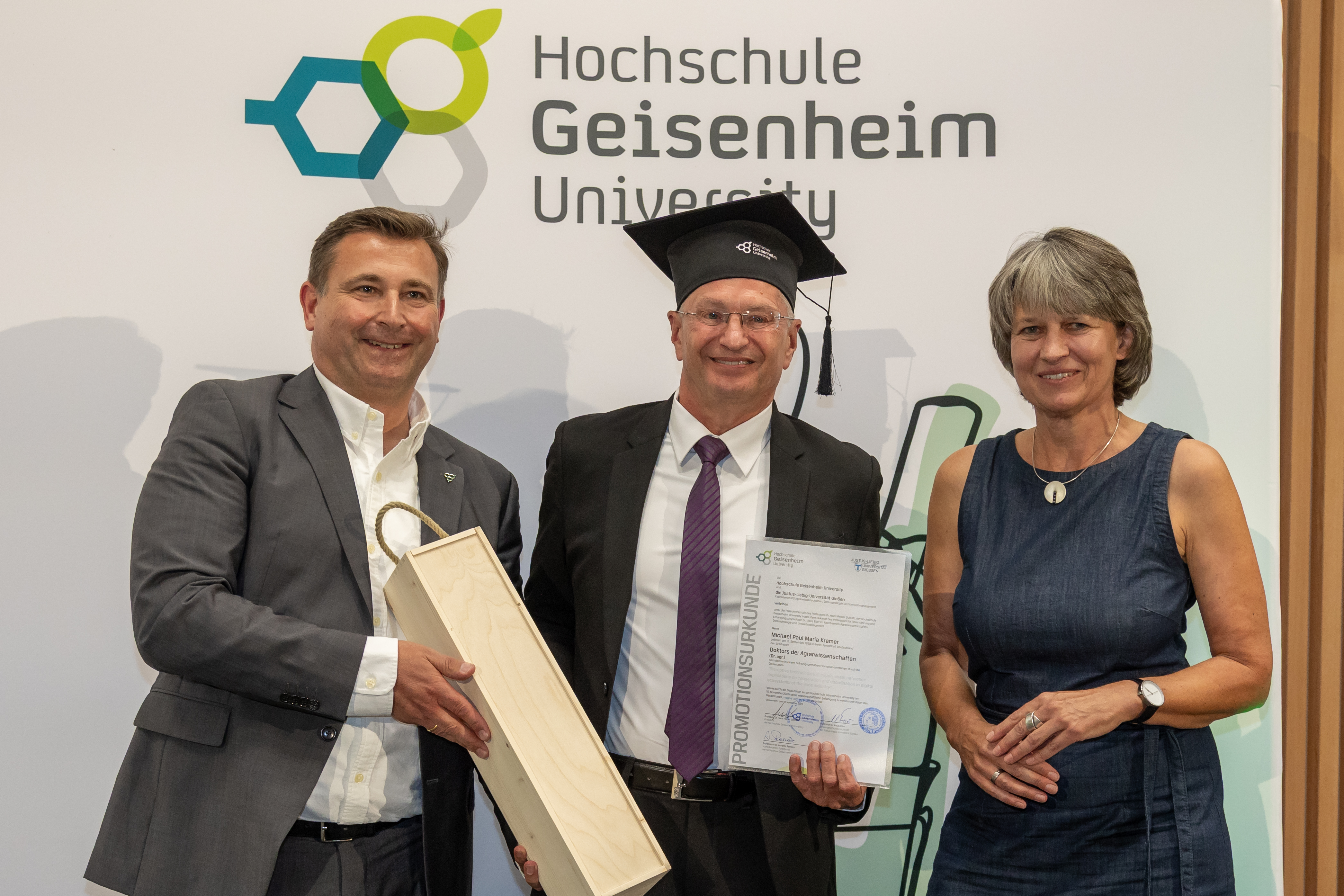
Dr. Michael Kramer: “Disruptive technologies in supply chain networks: implications on cooperation and coordination in digital ecosystems of the wine industry”.

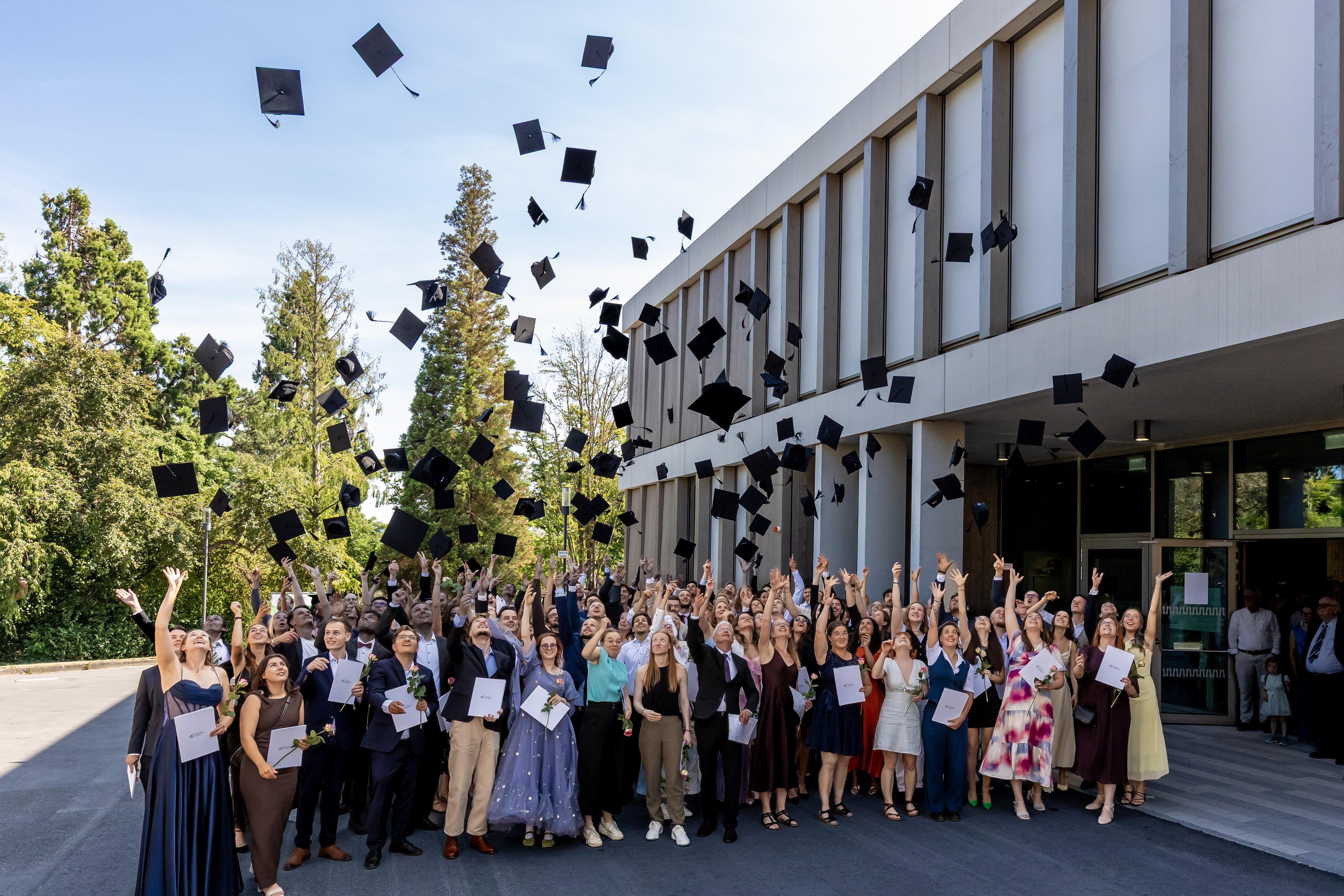
The official ceremony concluded with the traditional tossing of the graduation caps (see photo), followed by a sparkling wine reception.

Hochschule Geisenheim University warmly congratulates all graduates and wishes them every success in the future.

Note on the total number of graduates:

The total number of graduates can still increase until the end of the semester on September 30, 2026. 
Categories: Zentralredaktion, MyHGU-App, Mein-Netzwerk, Akademische Feier, STUDIUM, HOCHSCHULE, FORSCHUNG

Images

(c) Hochschule Geisenheim / Oliver Plick
Prof. Dr. Mirjam Hey, Vice-President of Academic and Student Affairs, welcomes graduates and guests. (c) Hochschule Geisenheim / Oliver Plick
(c) Hochschule Geisenheim / Oliver Plick
Prof. Dr. Karl H. Mühling during his speech (c) Hochschule Geisenheim / Oliver Plick
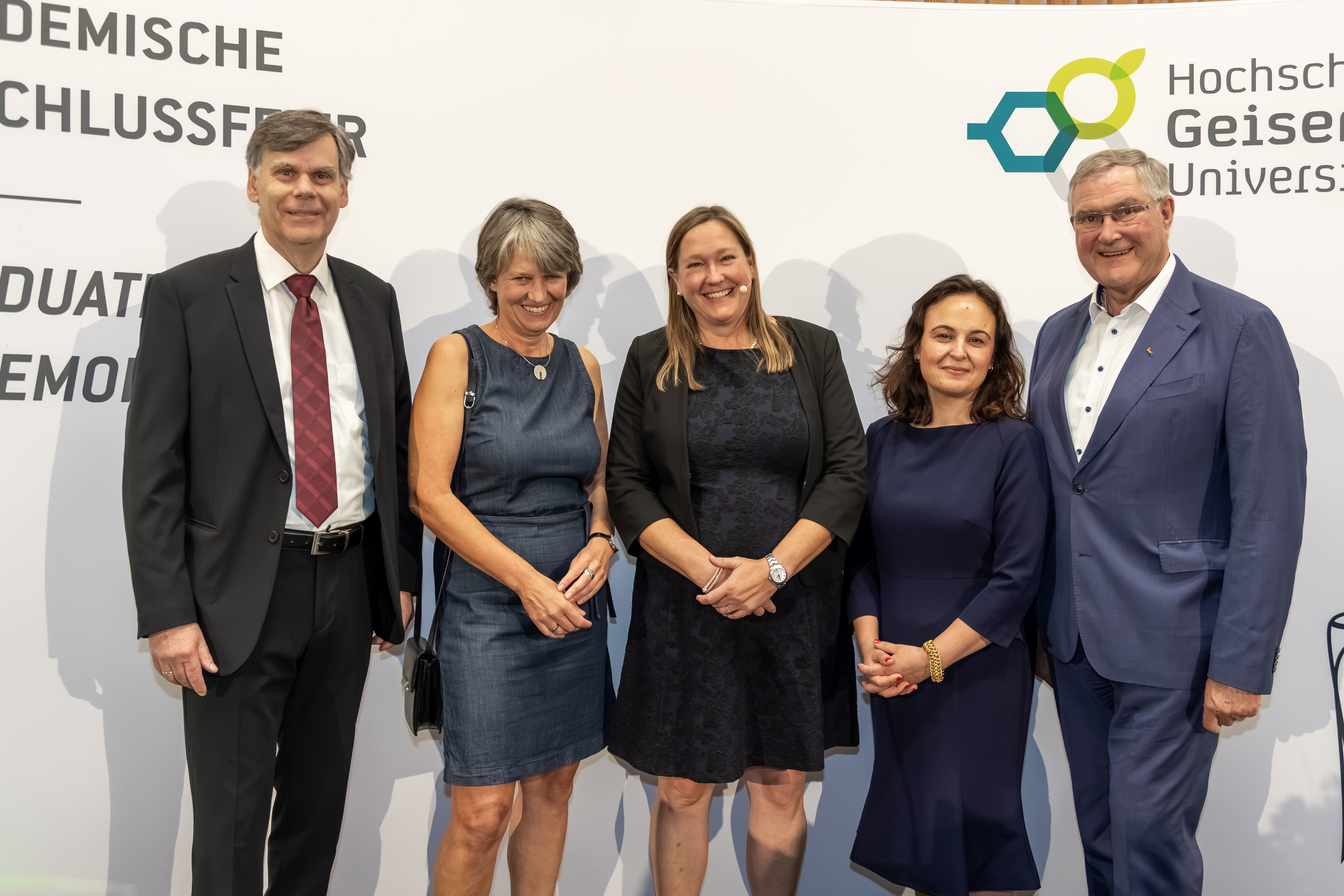
From left to right. Prof. Dr. Karl H. Mühling, University President, Prof. Dr. Annette Reineke, Vice-President of Research, Prof. Dr. Mirjam Hey, Vice-President of Academic and Student Affairs, Ayşe Asar, member of the federal parliament, Franz-Josef Jung, former Defence Minister (c) Hochschule Geisenheim / Oliver Plick
Robert Lönarz, VEG President (c) Hochschule Geisenheim
(c) Hochschule Geisenheim / Oliver Plick
Prof. Dr. Annette Reineke congratulates the doctorate holders (c) Hochschule Geisenheim
Dr. Julia Bächtle received her doctoral certificate from Prof. Dr. Annette Reinke, Vice-President of Research (c) Hochschule Geisenheim / Oliver Plick
Dr. Marius Drechsler received his doctoral certificate from Prof. Dr. Annette Reineke, Vice-President of Research, and his supervisor Prof. Dr. Andreas Holzapfel (c) Hochschule Geisenheim / Oliver Plick
Dr. Michael Kramer received his doctoral certificate from Prof. Dr. Annette Reineke, Vice-President of Research, and his supervisor Dr. Jon Hanf (c) Hochschule Geisenheim / Oliver Plick
(c) Hochschule Geisenheim / Oliver Plick

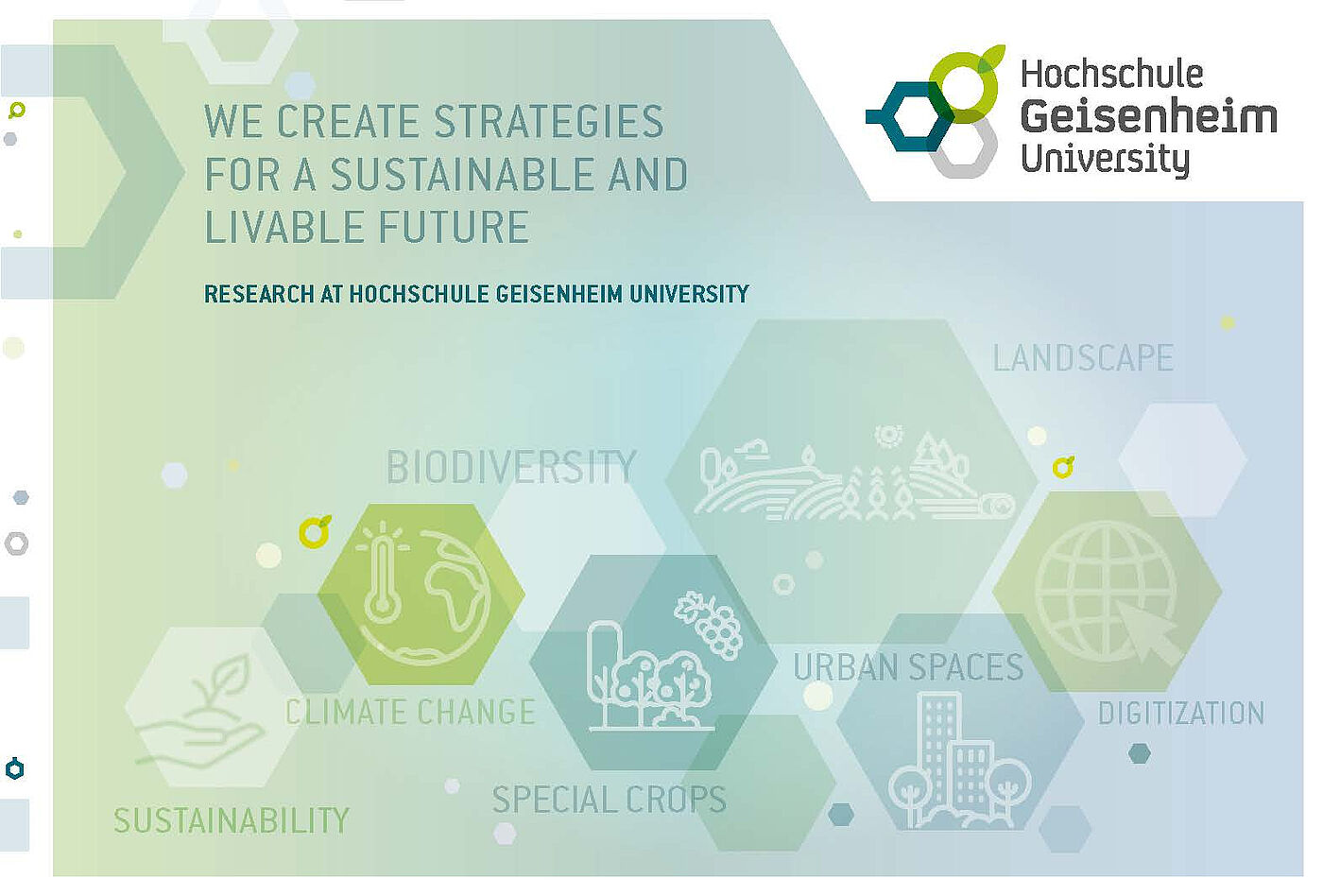
Research brochure (click to enlarge)

Our University has unique opportunities to conduct scientifically recognized and applied research along the entire value chain of special crops. In doing so, we benefit both from a strong network of national and international partners and our own excellent research infrastructure at Geisenheim. Vice-President of Research Professor Annette Reineke