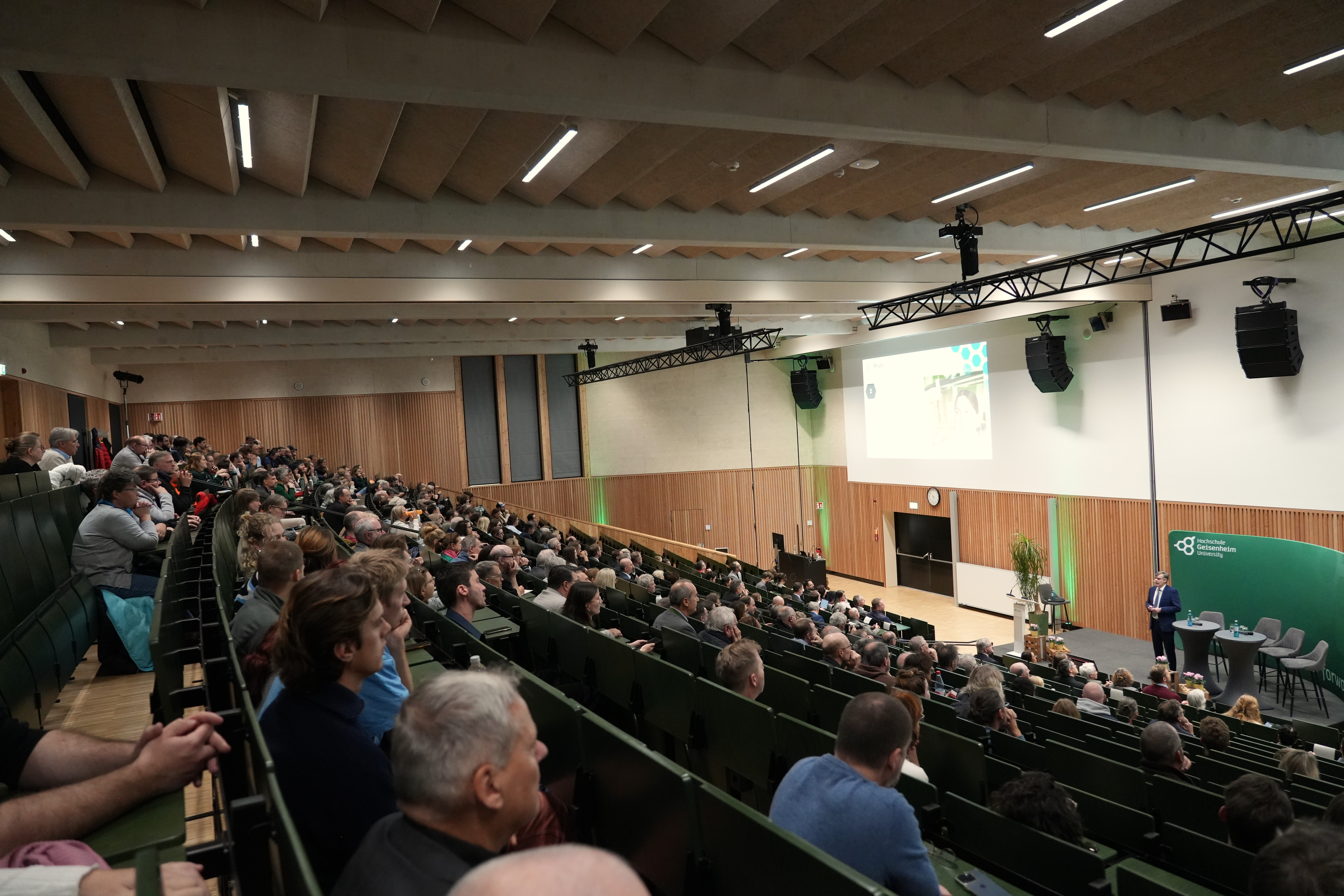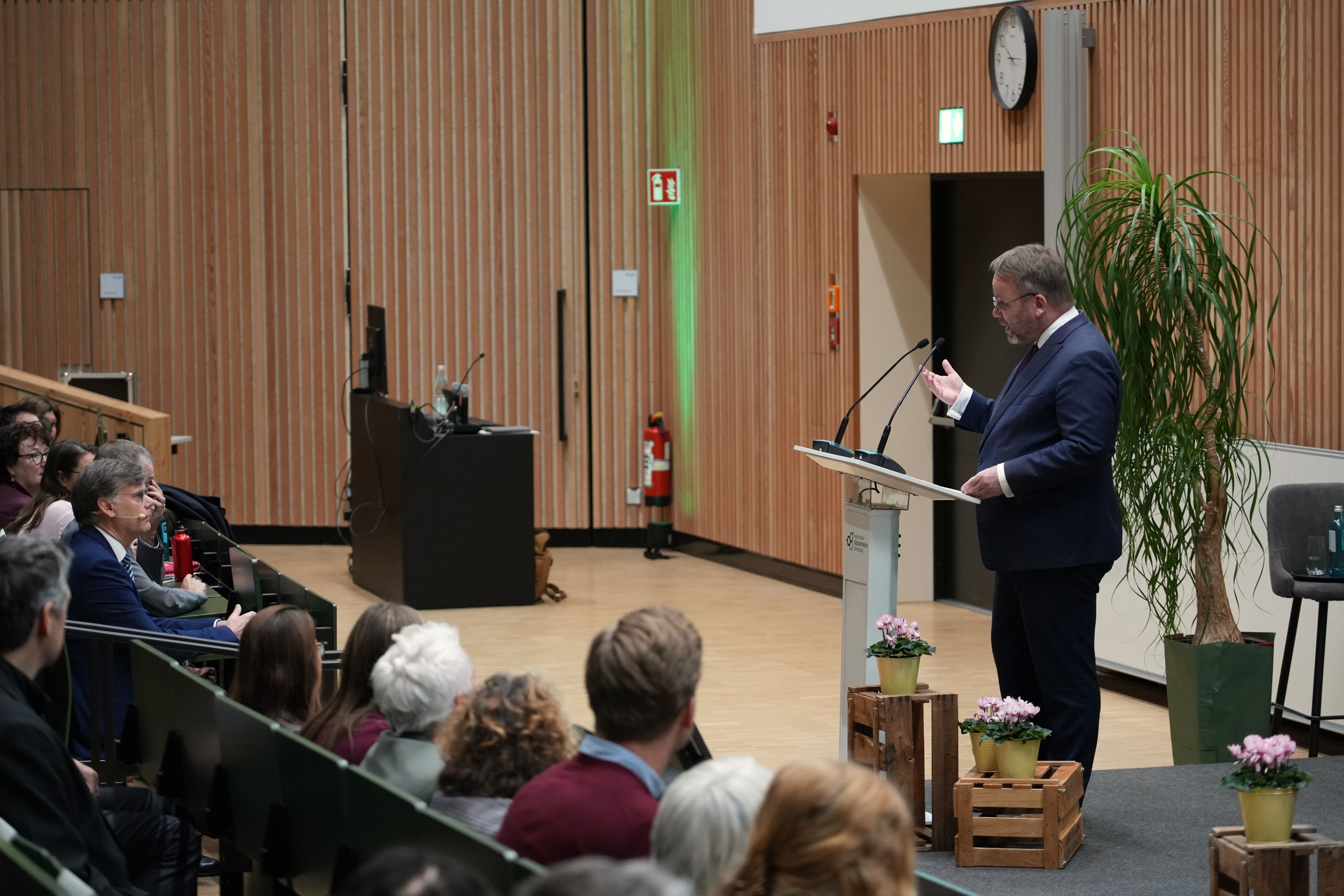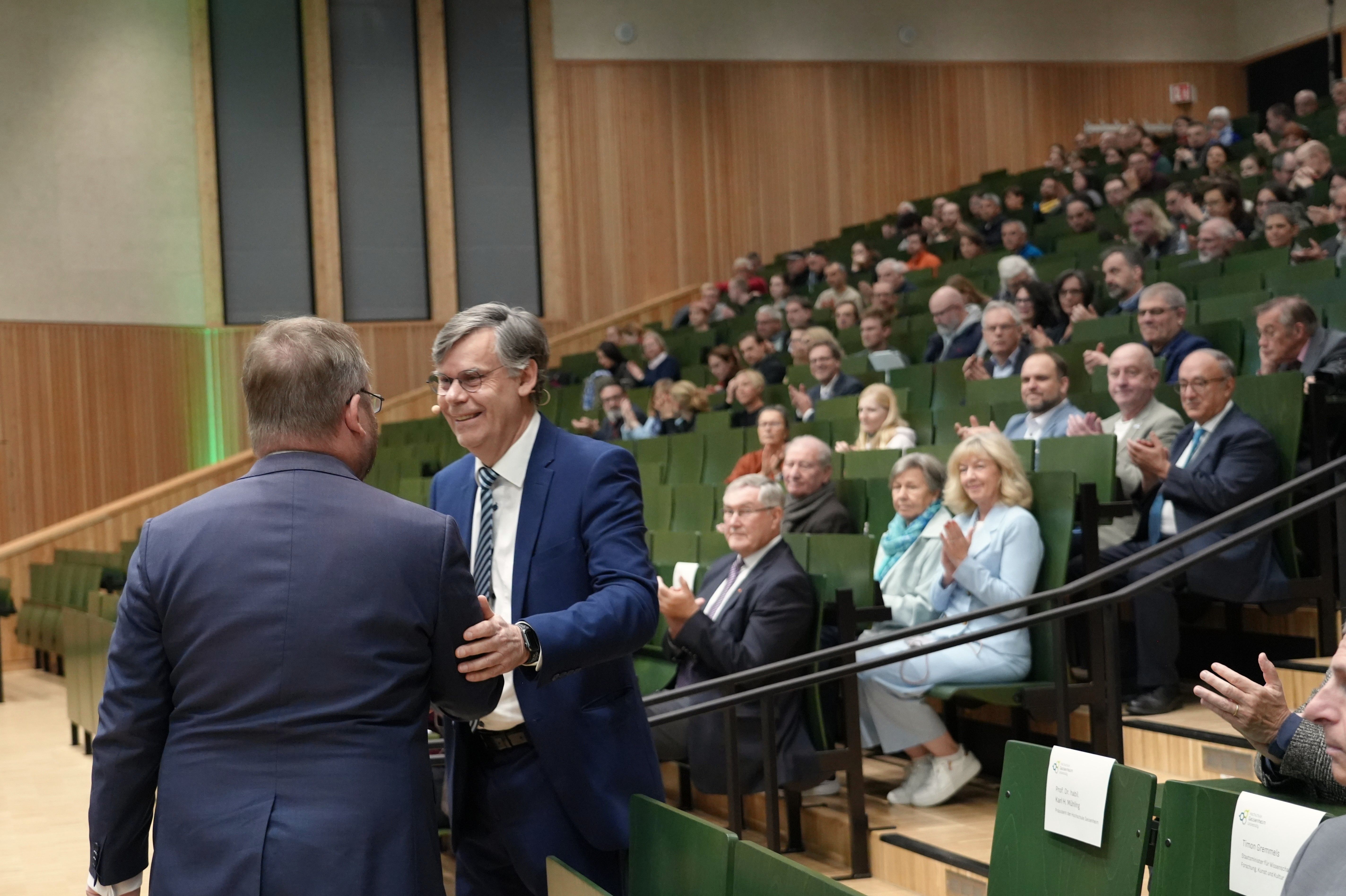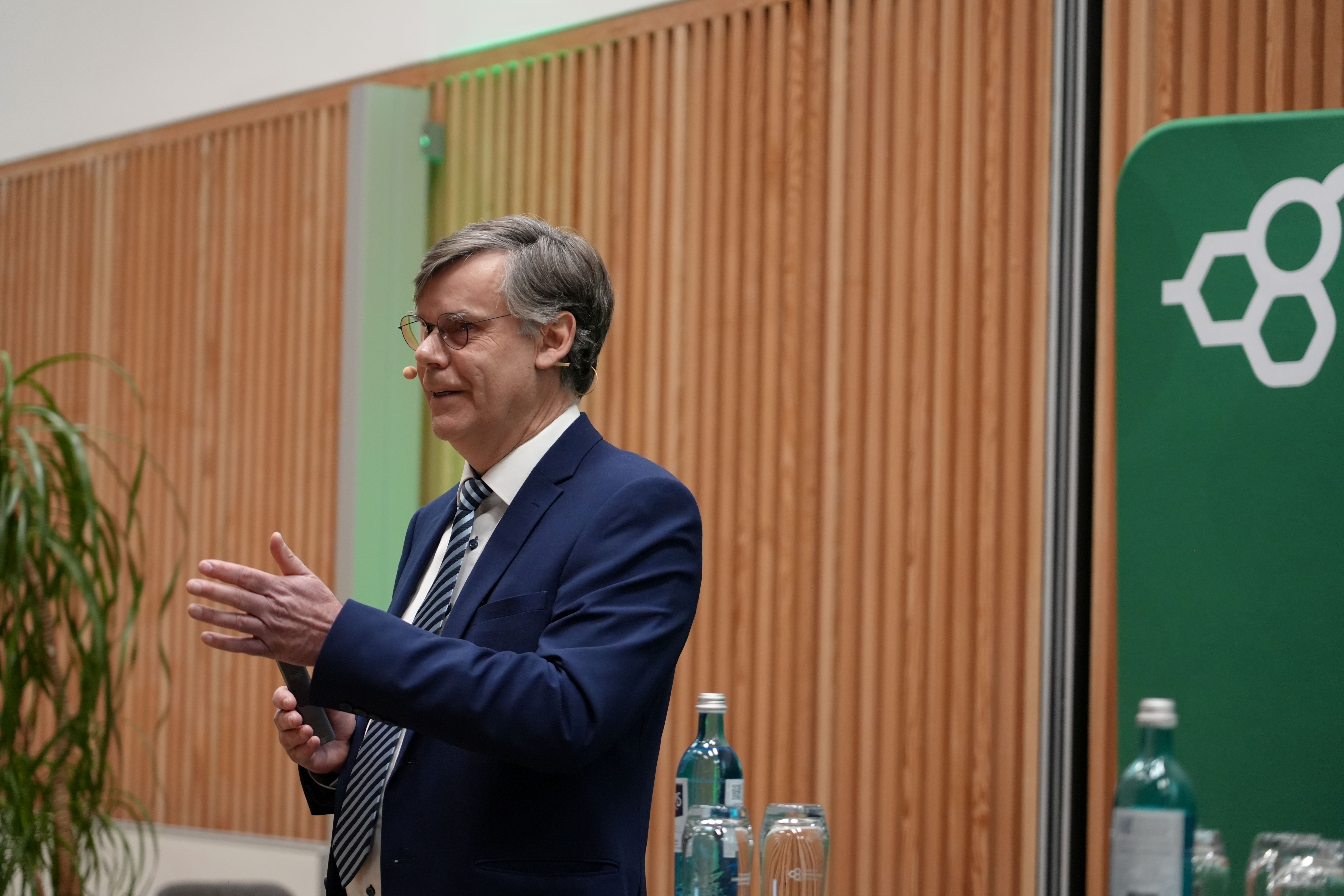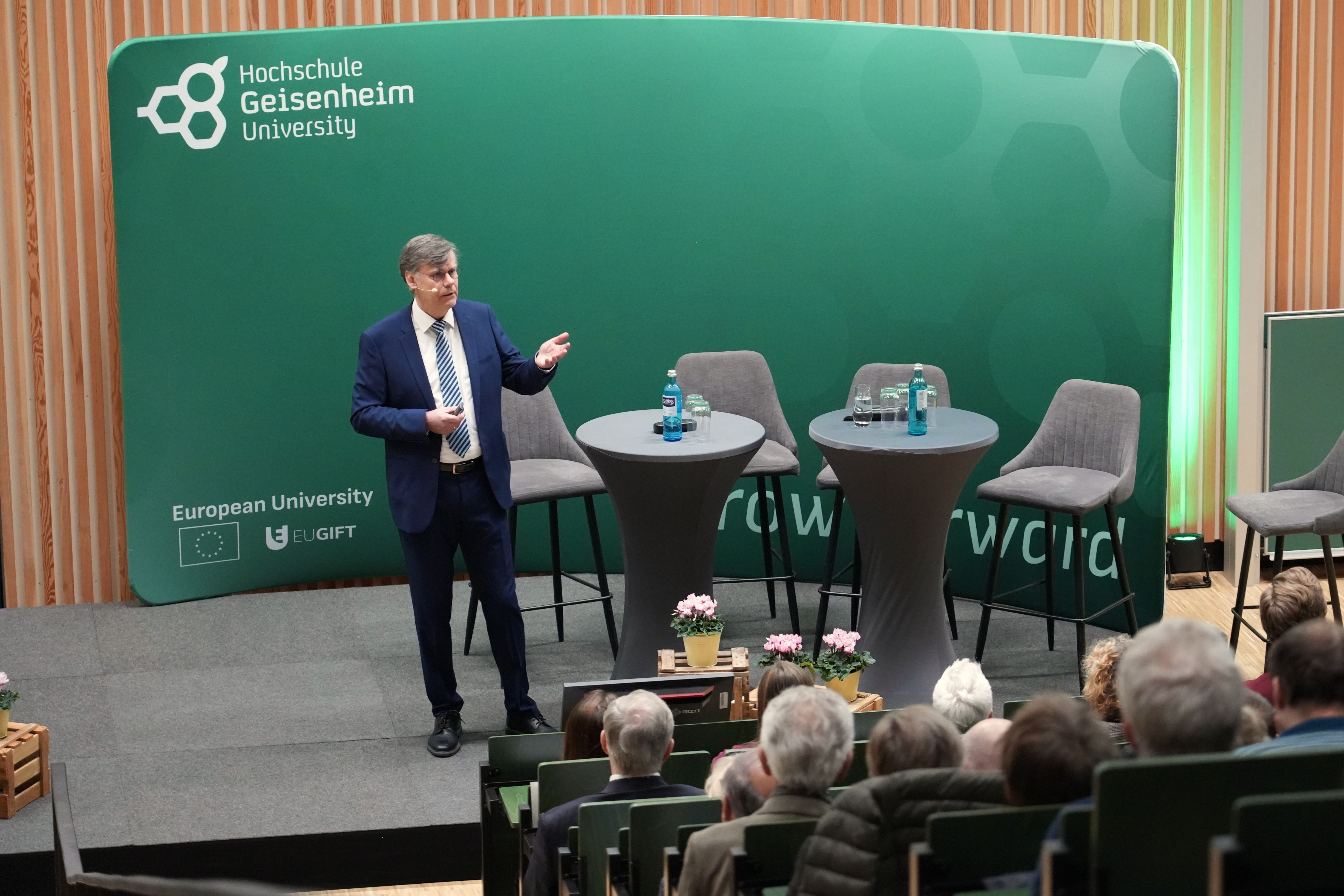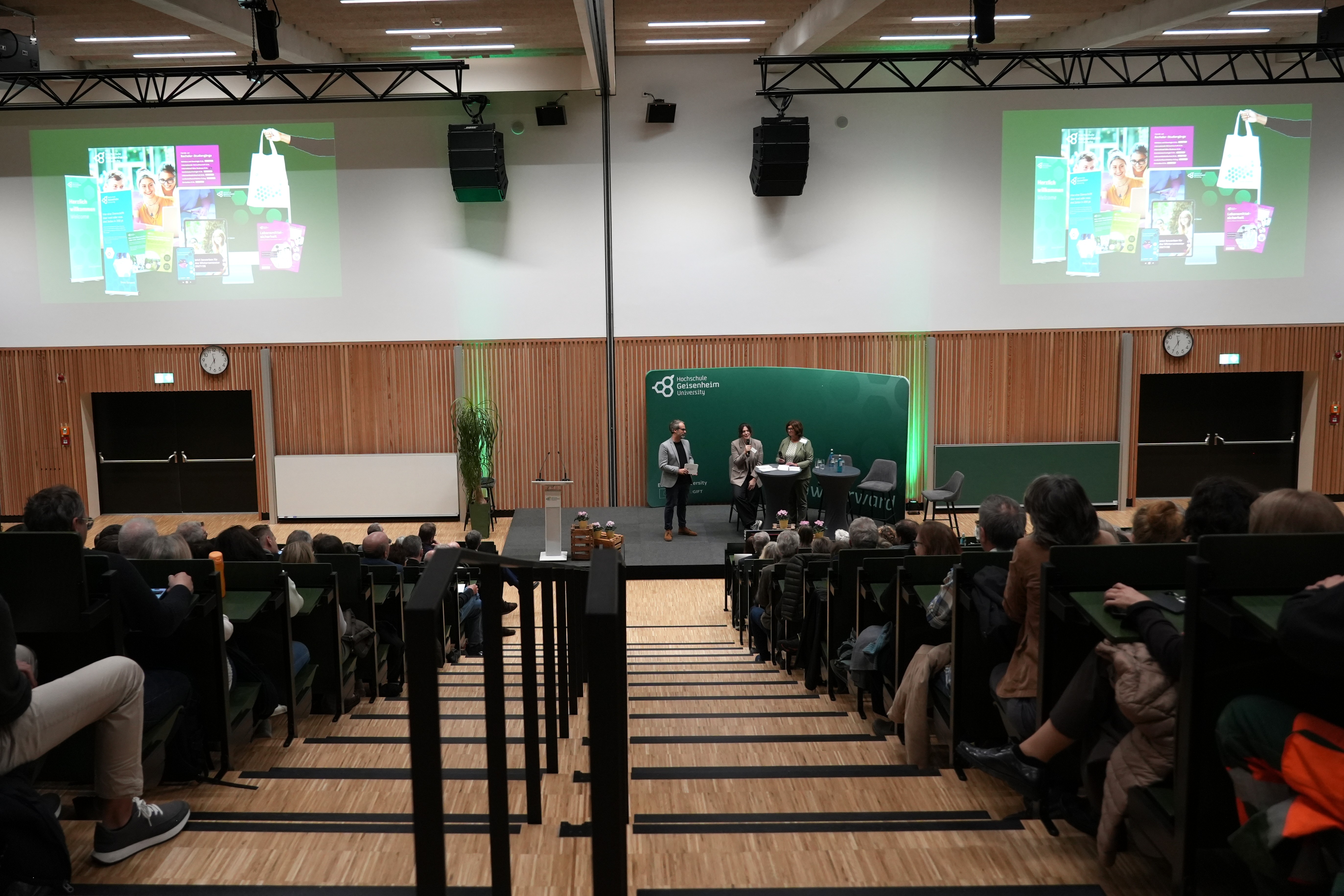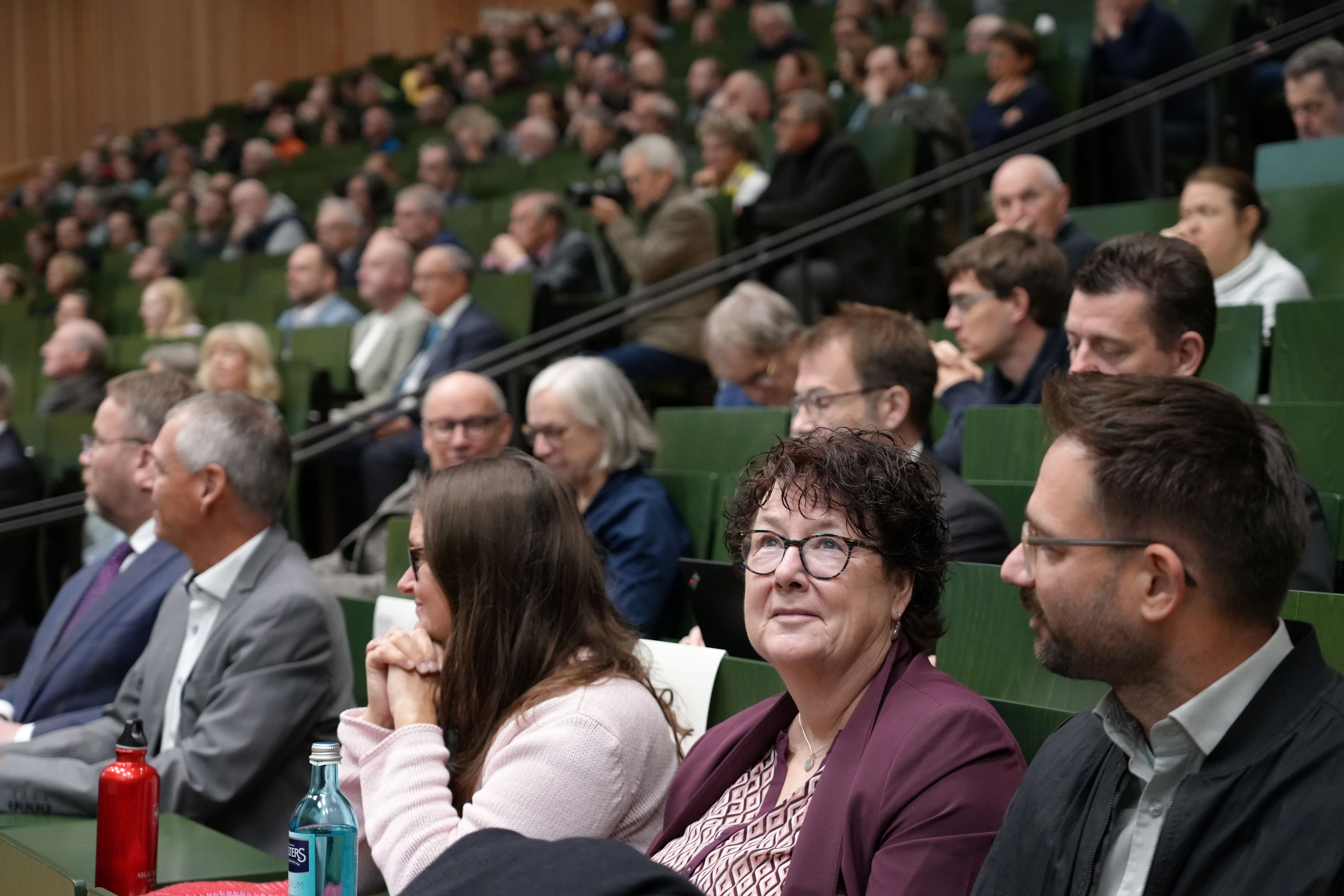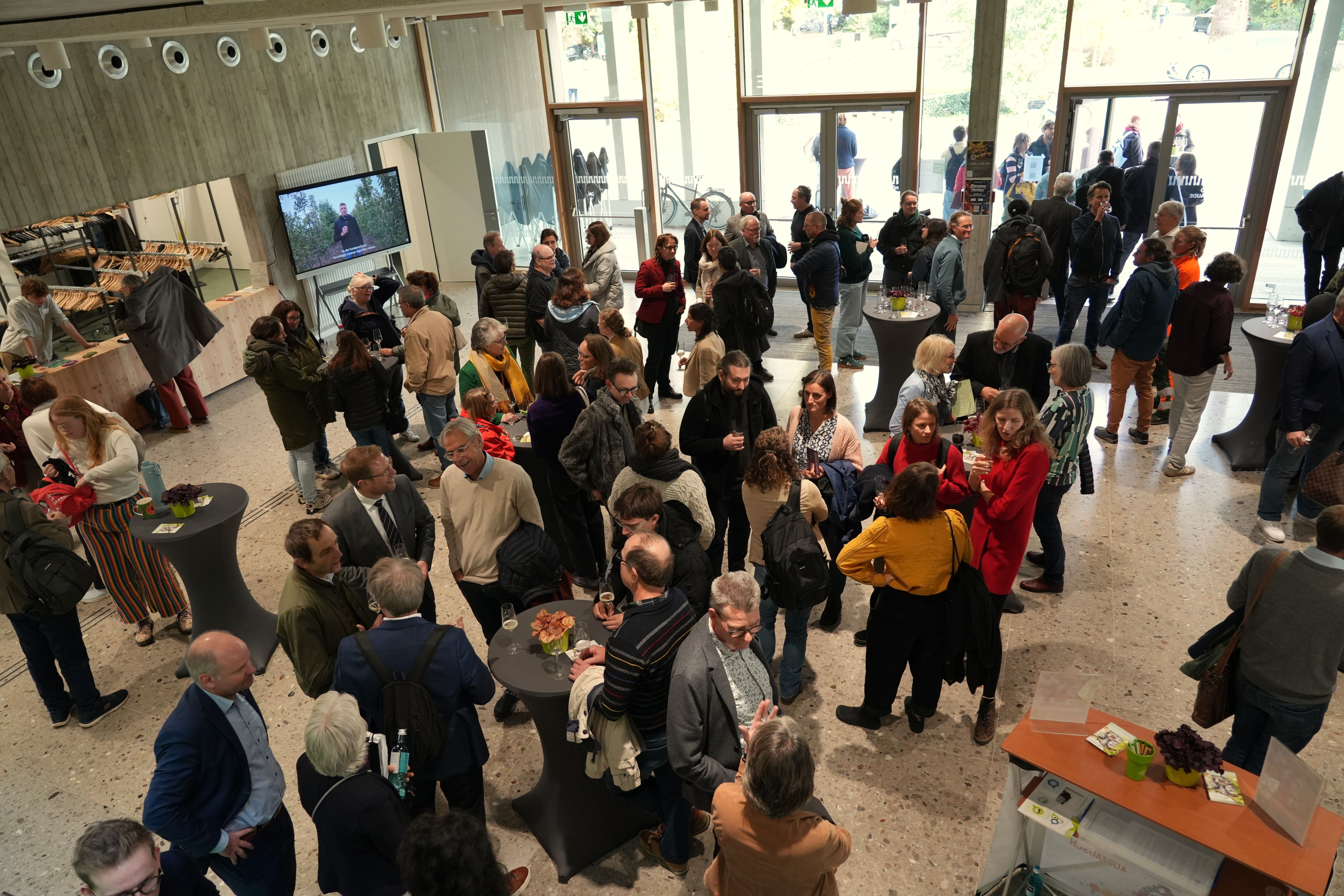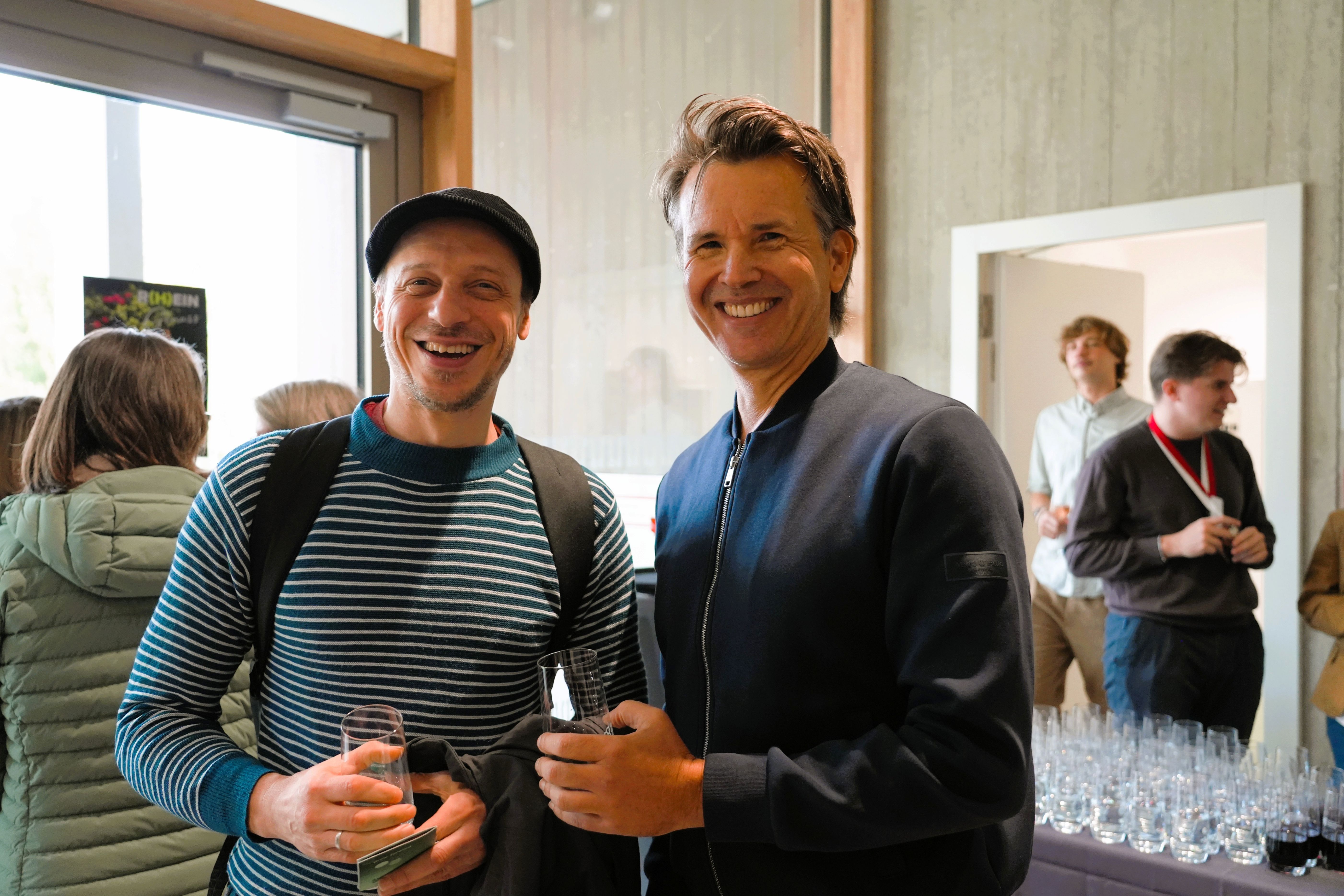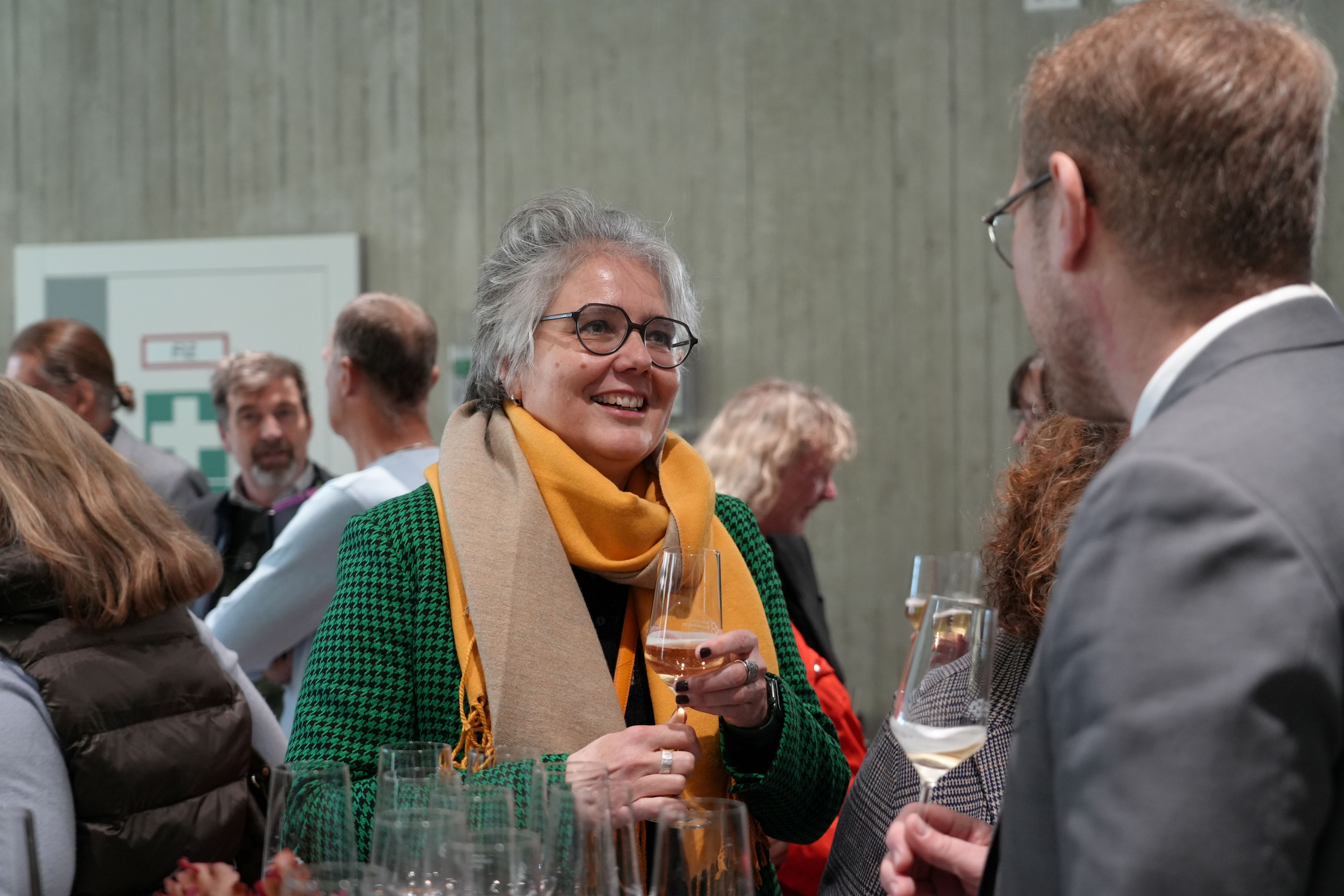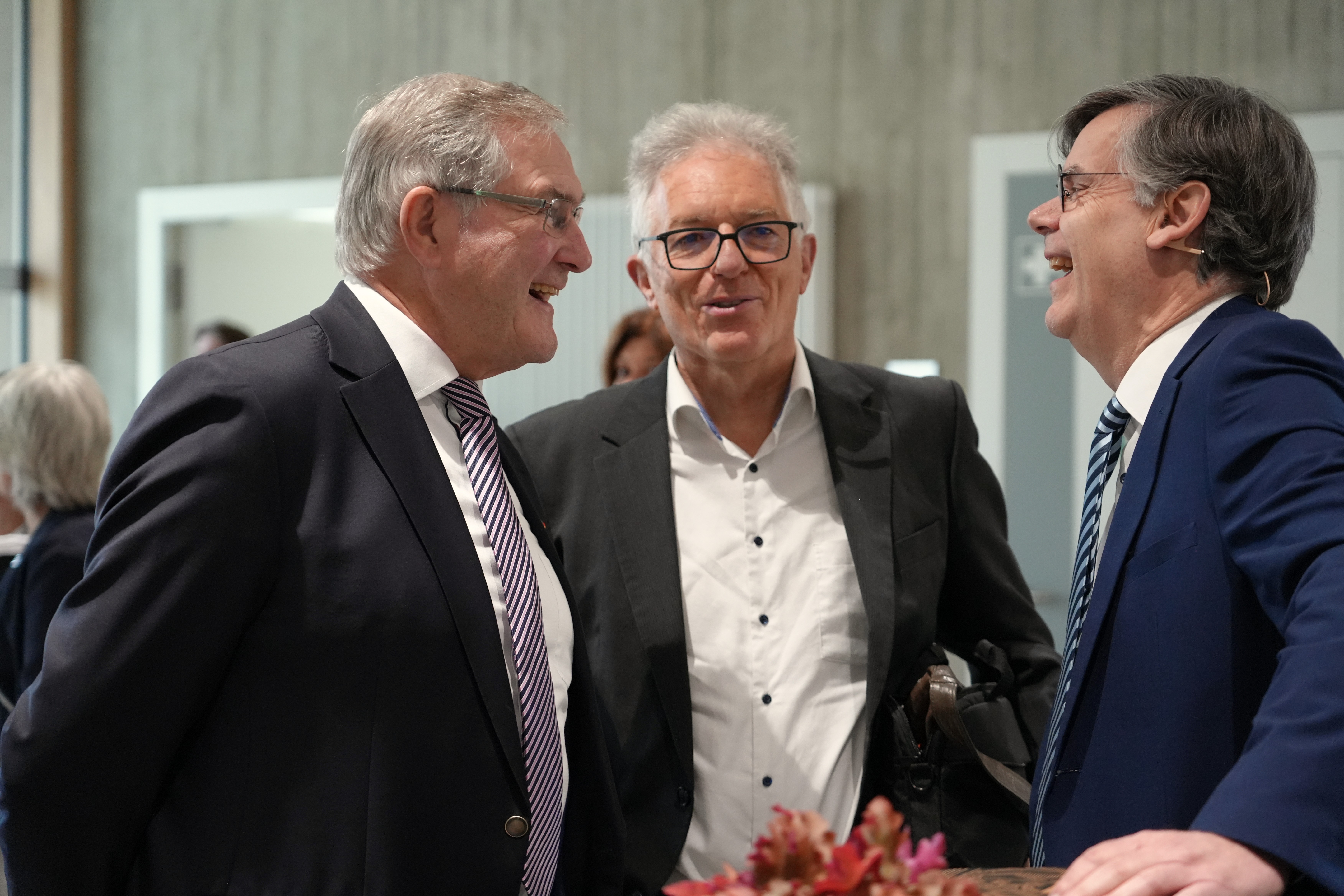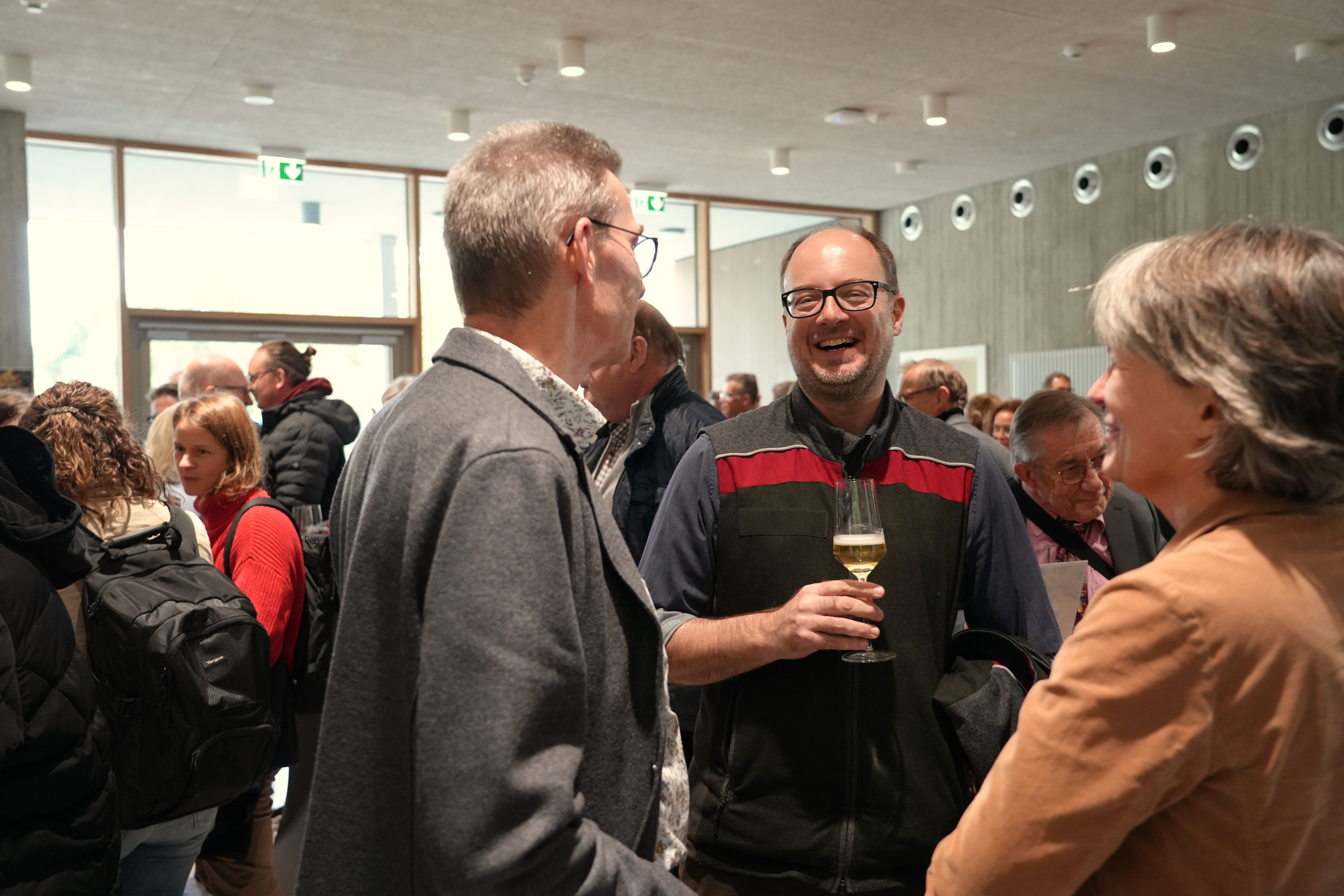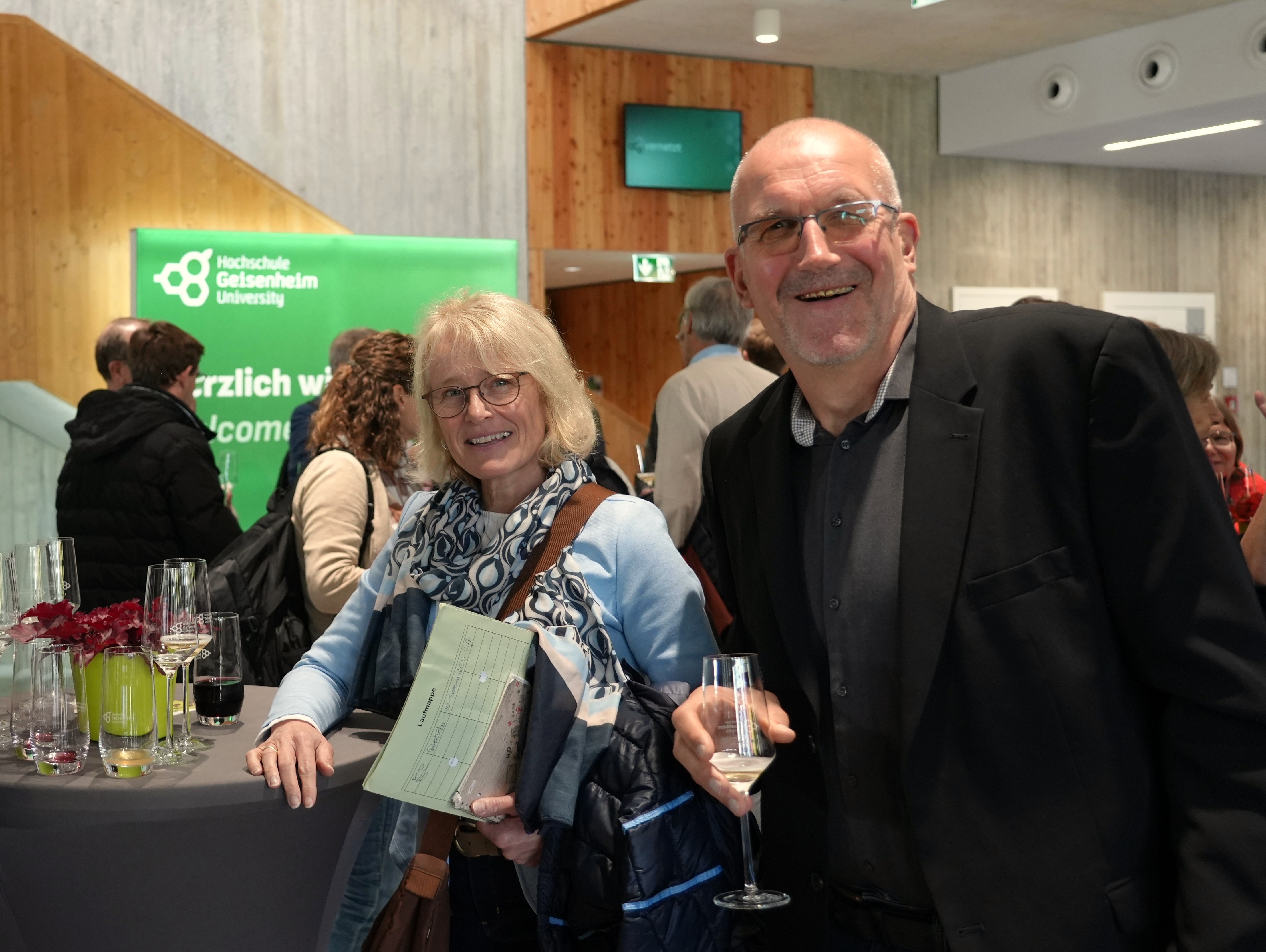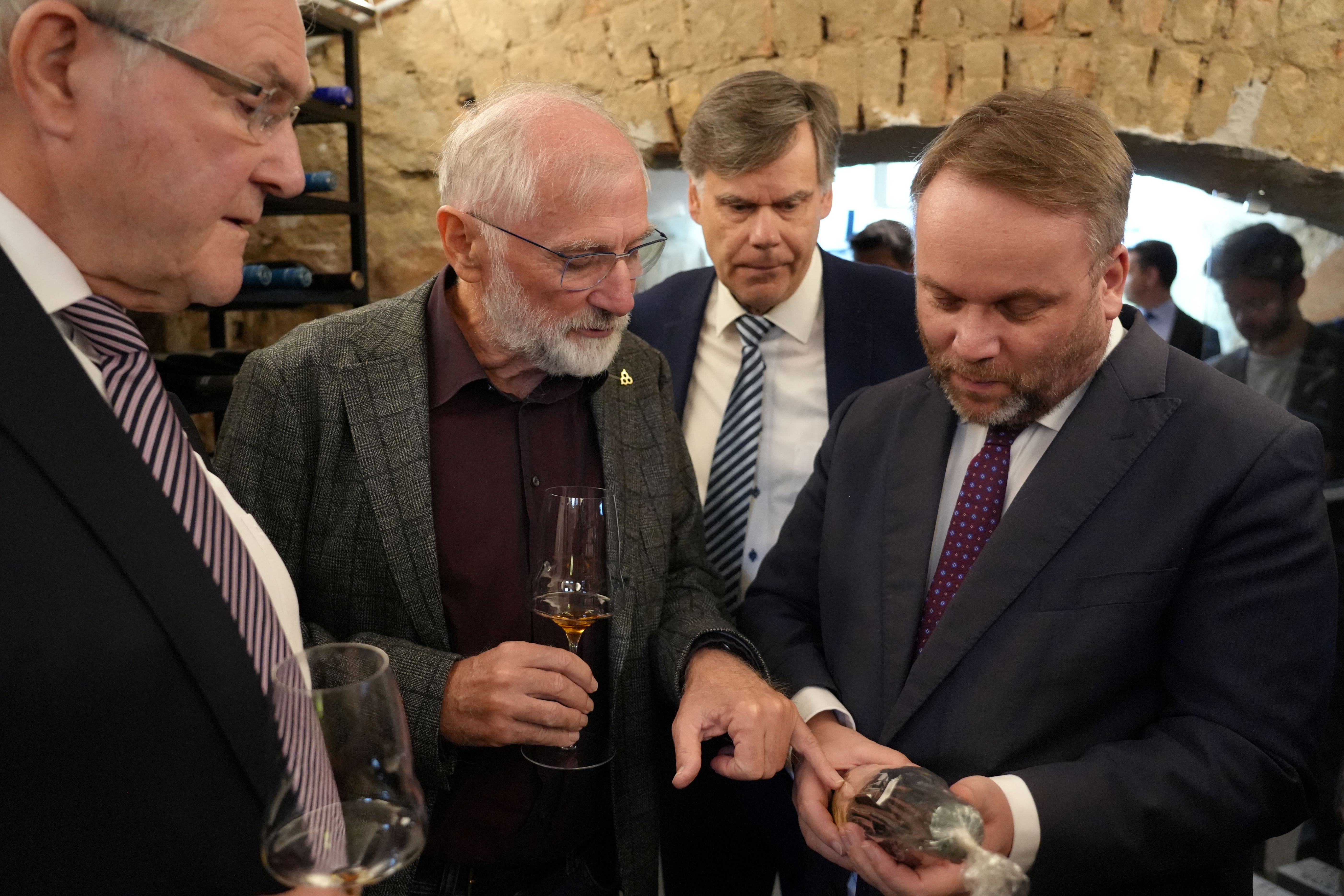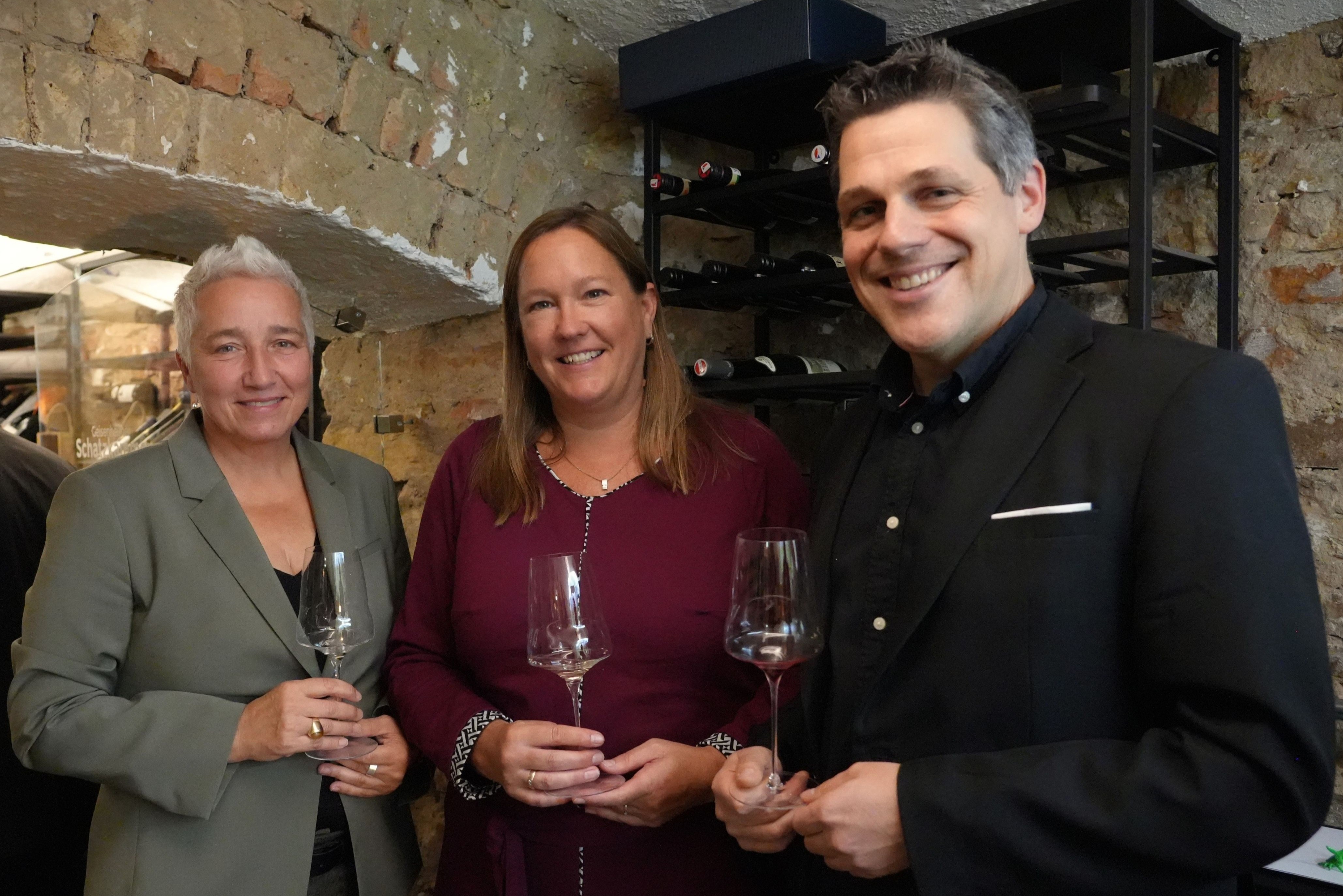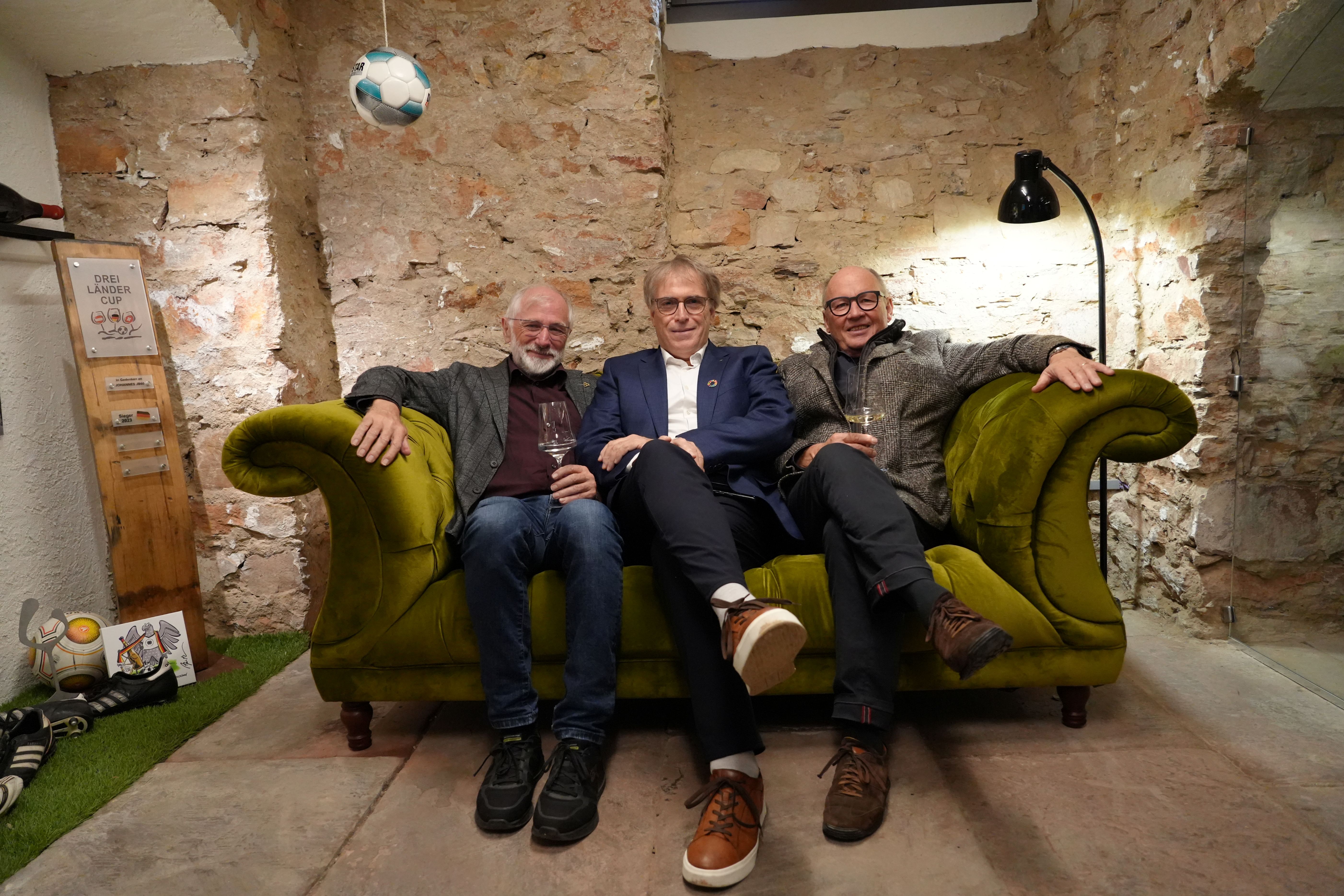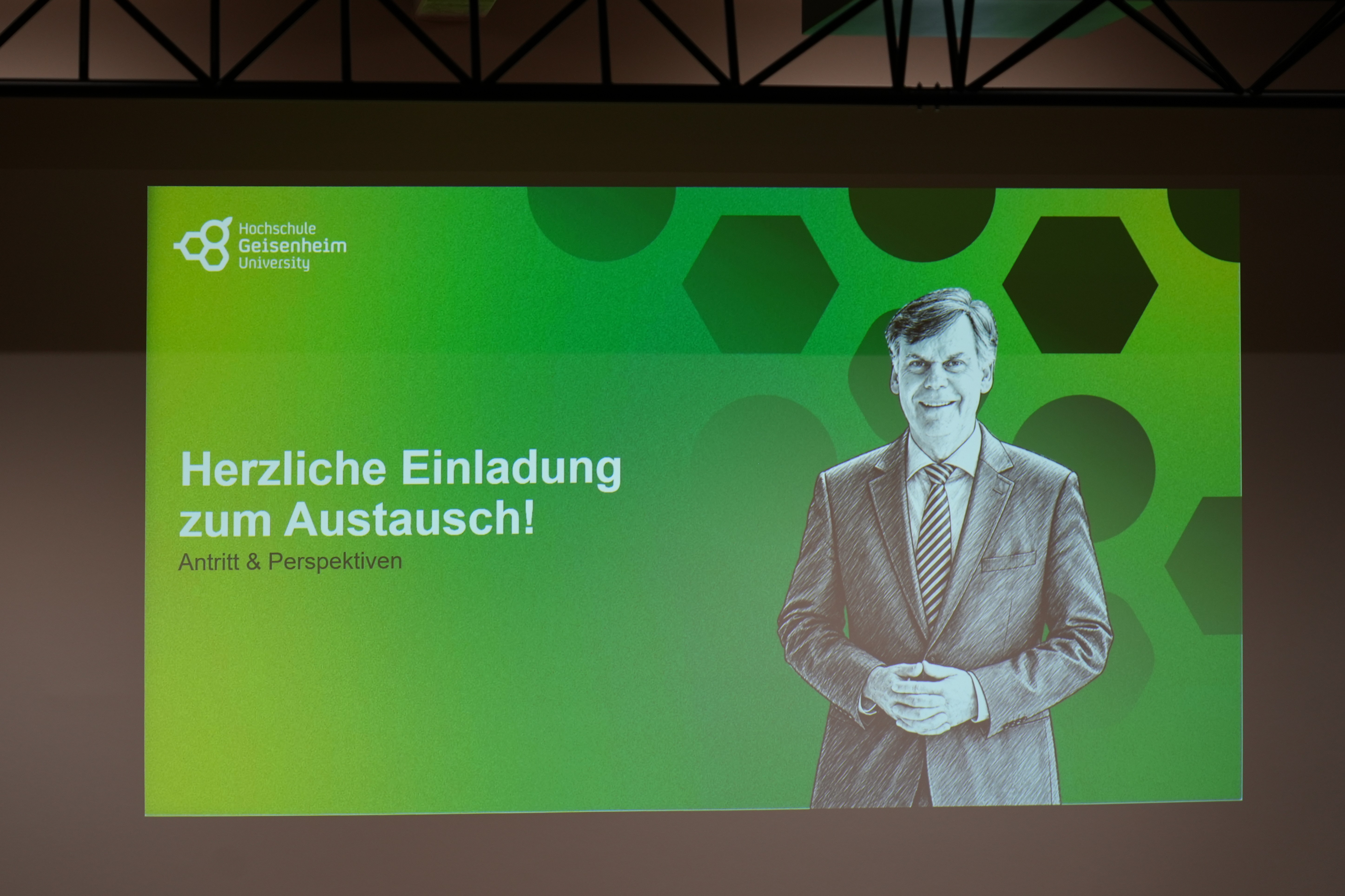
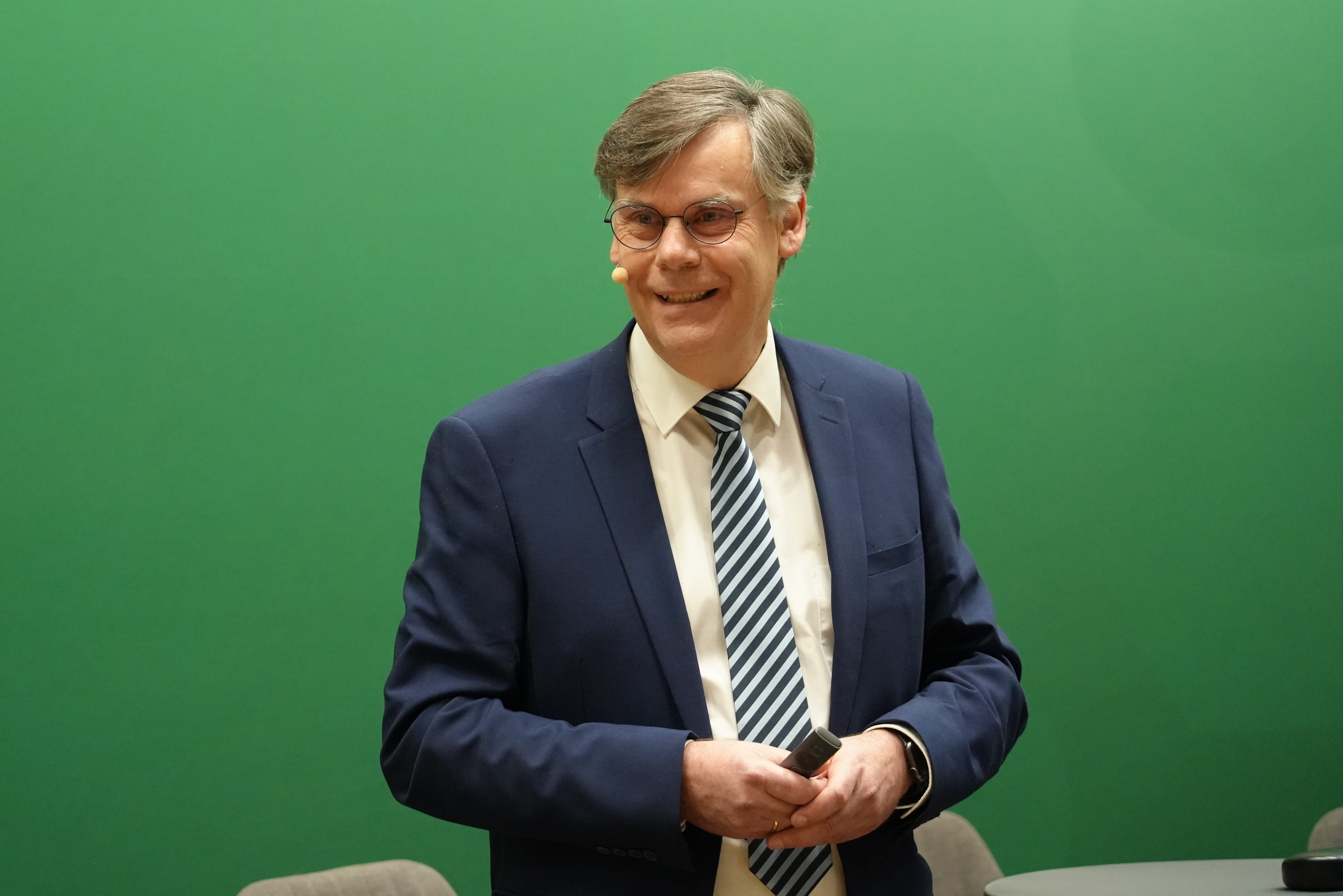
New degree programs, a stronger international focus, and driving research and industry partnerships – Prof. Dr. habil. Karl H. Mühling shared his strategic vision for the future of Hochschule Geisenheim University during an academic reception held on October 26, 2026. About five months after taking office, the president outlined how he intends to strengthen the university’s unique profile and open up new opportunities. Among the guests was the Hessian Minister of Science, Timon Gremmels, who delivered the opening remarks. As part of the event, the university re-launched its brand, which had been refined in terms of both content and visual design. About 250 guests from academia, industry, the local region and the university community attended the event, while a further 100 guests watched online.
“We combine scientific basics with real-world questions – from landscapes to food production and marketing. These are our strengths we want to build on: with a broader, more international range of degree programs, even stronger research, and partnerships that translate scientific findings into practical solutions”, explained Mühling.
As an independent, “new type” university, Geisenheim combines university research with hands-on education since 2013. Degree programs and research activities address wine, beverages, food, horticulture and landscape architecture. State-of-the-art teaching and research facilities – including the Beverage Technology Center and the new Viticulture Adaptation Center – provide excellent conditions for academic education, research and collaborations.
The Hessian Minister of Science, Timon Gremmels, emphasized: “The university has a clear academic focus, combined with strong research that address key questions for the future: How can we ensure food security, adapt agriculture, landscapes, and cities to climate change, and manage natural resources responsibly? With his vision for stronger international collaboration and a close exchange with business and society, Prof. Mühling builds on these strengths.”
Driving interdisciplinarity, internationality & research excellence – enhancing practical focus & efficiency
In terms of academic teaching, Mühling strives to foster closer ties between disciplines and enhance their international focus. His vision includes establishing a cross-disciplinary B.Sc. program (Studium Generale), new English-taught M.Sc. programs, for example in horticulture, food security and liquid foods, dual work-study M.Sc. programs and additional programs for lifelong learning. With these initiatives, Mühling aims to reach new target groups and attract more students. The European university alliance EU-GIFT is intended to further strengthen international cooperation in teaching and research.
With regard to research, Prof. Mühling shared his goal of securing more funding and increasing the university’s involvement in research alliances. Additional programs for doctoral students will support early-career researchers. In terms of collaborations with private partners, Mühling intends to focus on long-term partnerships and real-world laboratories. Start-up support and a greater engagement with society will also take on a more important role.
According to Mühling, a successful future development requires resource-efficient campus operations, a viable digital infrastructure and more efficient administration. In this context, sustainability is to be equally integrated in research, teaching and university operations.
Brand relaunch
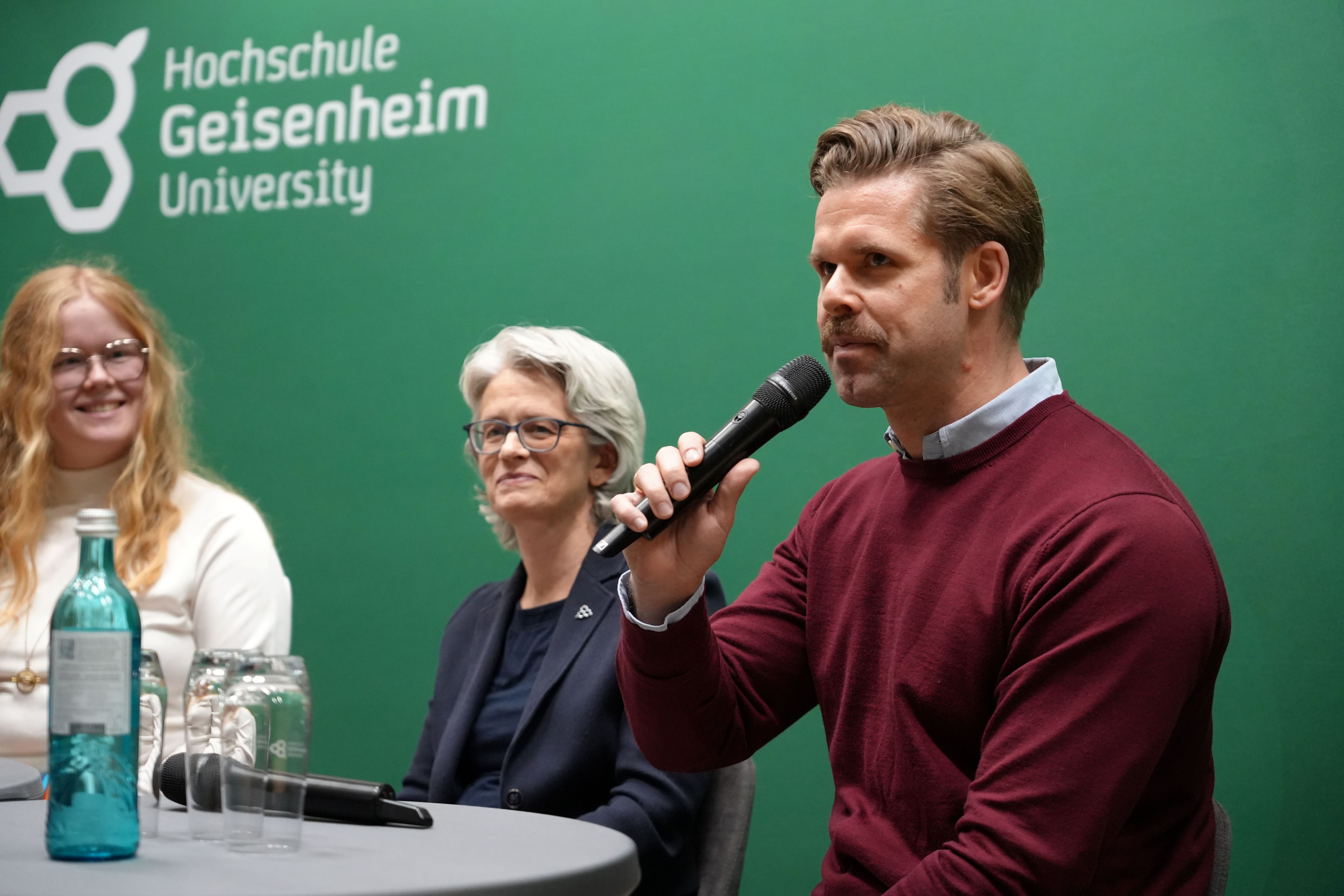
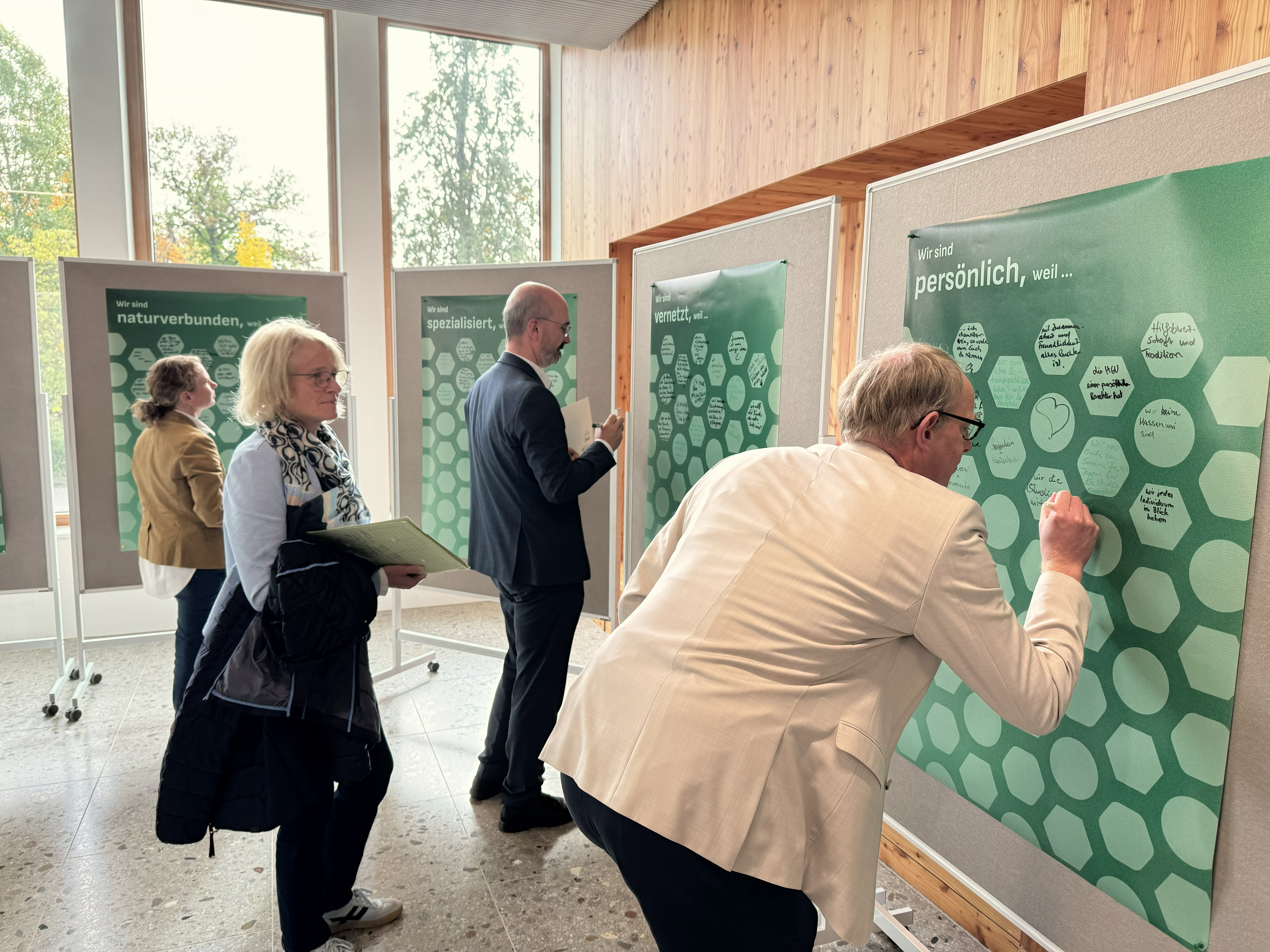
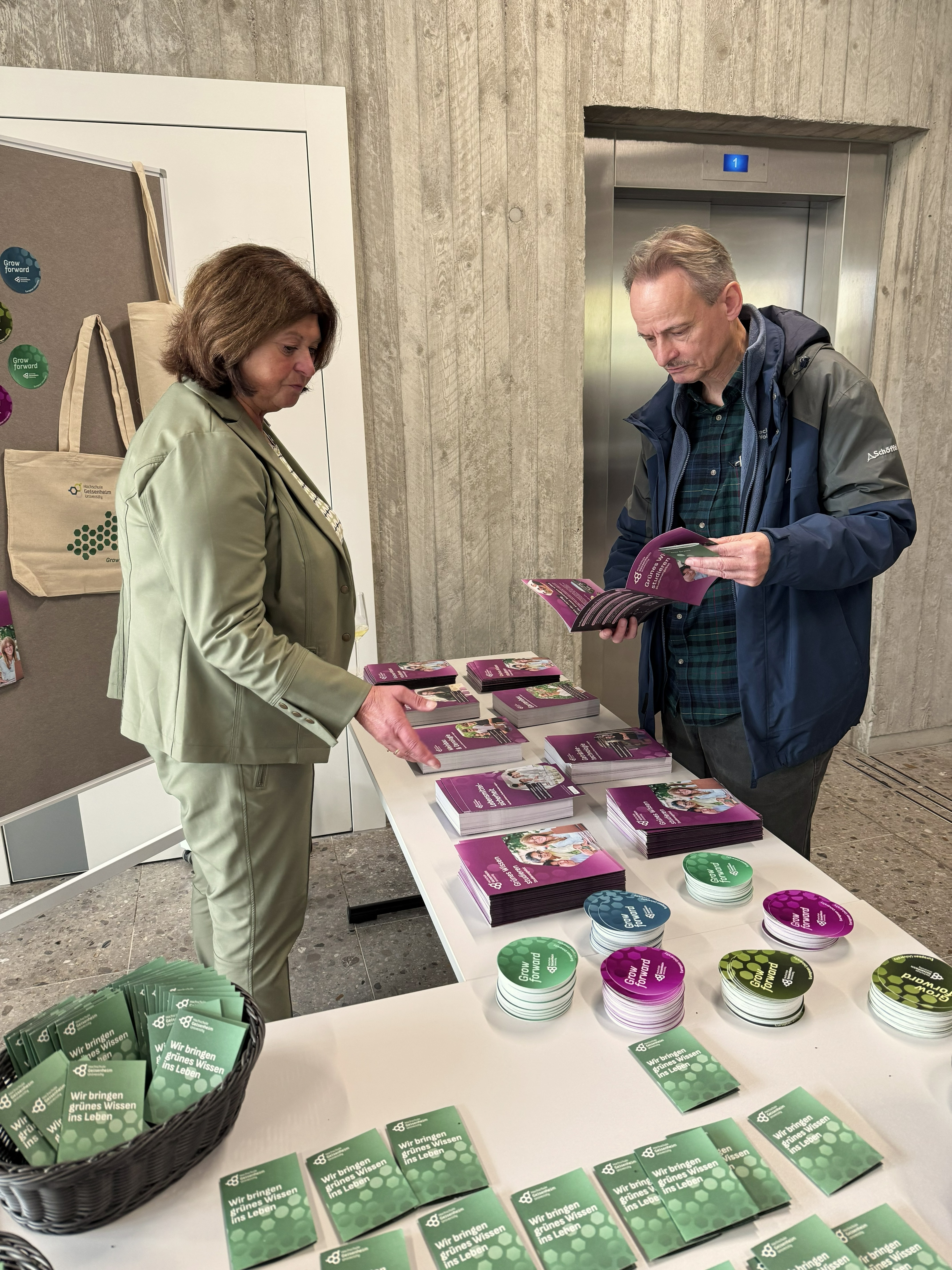
Prof. Mühling’s strategic vision for the future of the university perfectly aligned with the presentation of the revised university brand. To summarize its mission, the university has chosen “Bringing Green Knowledge to Life” as a headline, emphasizing the active role as a guide and supporter during a time of transformation in agriculture, landscaping and urban planning. This is also reflected in the new claim “Grow forward”. The terms "specialized”, “close to nature”, “connected” and “personal” were used to describe the university’s unique approach. The presentation of the revised brand was supported by a new image video, roundtable discussions with members of the President’s Council, and videos featuring voices from the university as well as insights into the brand’s design and rollout.
The brand’s relaunch is the result of a broad participatory process which started in 2025. The process was based on surveys of employees, students, and industry representatives, supplemented by workshops and interviews, as well as a trend and competitive analysis. An interdisciplinary project team and a university-wide working group supported the development process in collaboration with the design agency Schwarz+Matt.
More information
- Presentation by Prof. Karl H. Mühling: PDF (in German)
- Alle videos about the revised brand: https://www.youtube.com/playlist?list=PLYVgr9ZRNuPI
Photos: Hochschule Geisenheim / Tina Kissinger