Research at Hochschule Geisenheim University

Creating Strategies for a Sustainable and Livable Future

Climate Change, Biodiversity Loss, Sustainability Targets – We're Meeting the Planet's Most Urgent Challenges

Our mission is to develop resource-efficient, innovative, and sustainable solutions in the area of agriculture and food. Our work spans a broad range of key issues: advancing organic, climate-resilient cultivation strategies for specialty crops, developing sustainable production and marketing methods, and designing livable cultural landscapes and urban regions. By uniting ecology, profitability, and a focus on quality of life, we aim to create a sustainable future in which society and nature can flourish together.

Our Focus Areas

Sustainable Cultivation Systems for Specialty Crops

Cultivating grapevines, fruit, vegetables, and ornamentals is particularly resource intensive – as such, a careful balance between producing the highest quality products possible and ensuring sustainable practices needs to be struck.

Through our research, we are developing innovative, ecofriendly strategies that ensure healthy harvests and preserve resources. We breed varieties and growth forms that are optimally adapted to climate change, environmental factors, and potential pests and pathogens. Modern sensor systems help control water and nutrient supply with pinpoint accuracy, alternative plant protection strategies – such as the use of antagonists – strengthen plants and their environments, and new digital techniques make precise management measures possible. Together with our partners, we are establishing diverse cultivation strategies that promote biodiversity and preserve ecosystem functions, creating an economically and ecologically sustainable future for viticulture and horticulture.

Innovative and Safe Processing and Marketing for Plant Products

Sustainability in food production spans the entire journey, from cultivation and processing to the moment the product reaches the customer. At every stage, product quality and safety needs to be guaranteed. The bioeconomy plays a key role in this context, enabling the more efficient use of resources, processes, and systems, while supporting the livelihood of the businesses that produce them. 

Through our research, we develop energy and resource-efficient methodologies for processing plant products and extracting valuable ingredients from crops and by-products. We examine microorganisms as natural protective cultures, evaluate the health effects of plant-based ingredients, and conduct sensory tests with our university panel. Market research, consumer behavior analyses, and industry data deliver essential insights for sustainable marketing strategies, particularly in the wine industry. We also analyze the logistical processes, from packing to distribution, and boost the efficiency and sustainability of the entire value chain with the help of modern, digital technologies.

Livable Cultural Landscapes and Urban Regions

Intensified land use has reduced valuable landscape features and biodiversity in many areas. Urban regions are also under pressure to maintain quality of life through green infrastructure such as parks and green belts.

Through our research, we develop methods to optimize and assess urban open spaces and enhance their social sustainability. We create techniques for greening sites with limited soil and for using plants in urban areas in a targeted manner, particularly in the context of climate change. For viticultural landscapes, we design strategies to adapt to climate change and preserve rare species. Additionally, we develop concepts for multifunctional, ecologically valuable, and attractive landscapes that enable new, sustainable production scenarios.

Questions about Our Research?

Please get in touch!

Christiane Jost
Dr. Christiane Jost
Building 5924
Room 01.01
Phone +49 6722 502 6334
Christiane.Jost(at)hs-gm.de Details

News & Latest Projects

EU Alliance Strenghtens Hochschule Geisenheim University's European Collaboration

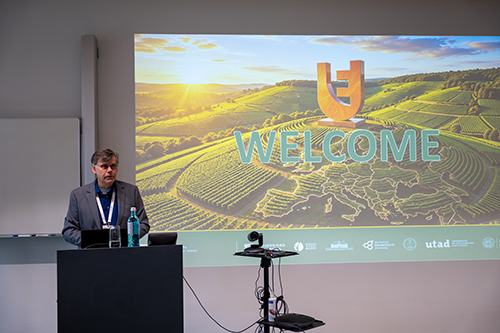
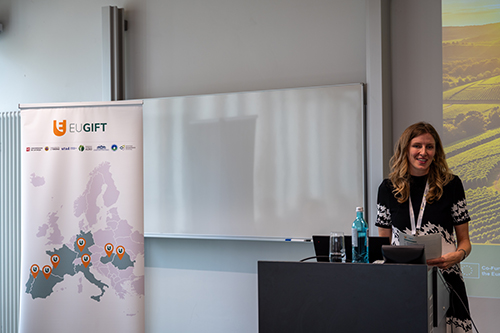
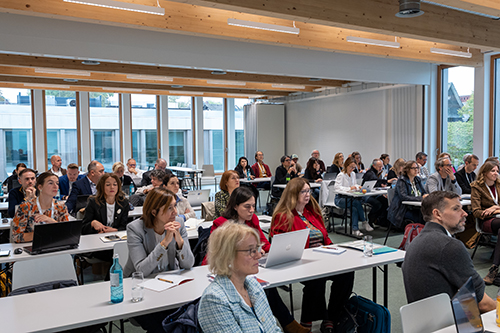
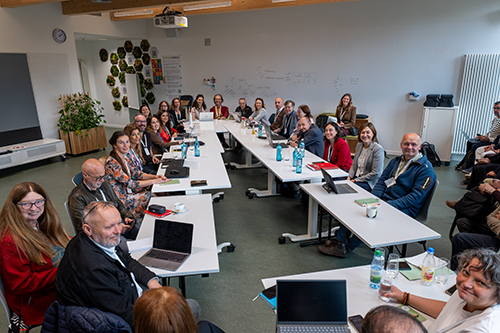
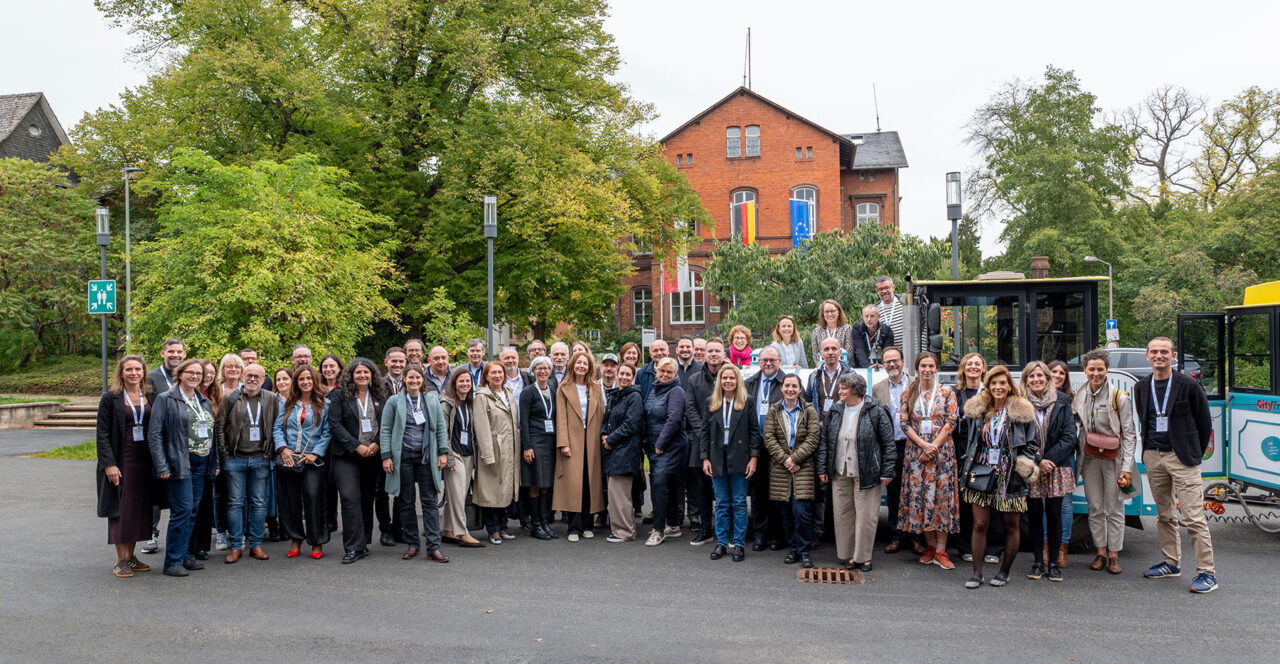
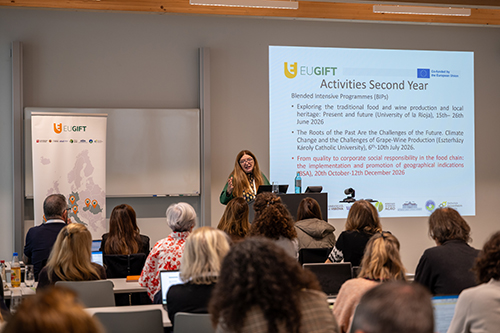
Hochschule Geisenheim University (HGU) is expanding its European collaboration in teaching, research and knowledge transfer. From October 12–14, 2026, the university hosted a working meeting for EU-GIFT – its joint alliance with six other European universities. Representatives from the partner institutions discussed joint research and teaching activities, the development of a virtual campus, and the alliance’s next steps. The collaboration allows HGU to combine its expertise more closely with European partners and unlock new opportunities for students, researchers and the regional economy. 

“Through EU-GIFT, we are supporting agricultural transformation while establishing our institution as a European university. Connecting our expertise across Europe drives new opportunities for students and researchers and strengthens our contribution to our partner industries and regions”, explains University President Prof. Dr. habil. Karl H. Mühling during the kick-off event.  

The alliance brings together the following partners: University of Bordeaux Sciences Agro (France), University of Agricultural Sciences and Veterinary Medicine Cluj-Napoca (Romania), Eszterhazy Karoly Catholic University (Hungary), University of La Rioja (Spain), University of Tras-os-Montes and Alto Douro (Portugal), University of Verona (Italy) and Hochschule Geisenheim University (Germany). 

Virtual Campus and Joint Teaching and Research Activities 

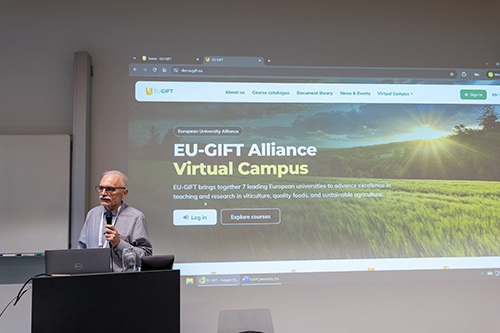
Refining the virtual campus project was a key focus of the meeting. The partners discussed the content and how to develop joint teaching and research programs. For Hochschule Geisenheim University, these are important building blocks which will make it much easier for students and staff to access the expertise and programs offered by the European partners.

As leader of the “Inclusion, Sustainability and Third Mission“ work package, HGU is taking on a special responsibility, shaping how the alliance integrates inclusion and sustainability and strengthens the exchange with businesses and society. Ultimately, the goal is to extend the benefits of European cooperation beyond universities, delivering real value to industries and regions. In the joint sessions, the partners discussed topics such as sustainability and inclusion in research. 

Insights into Research Infrastructure

The meeting also provided the opportunity to present Geisenheim’s research infrastructure and application-oriented work. Tours of the Beverage Technology Center and the Department of Agricultural Engineering, as well as a visit to the agri-photovoltaics system gave guests insights into topics and facilities that could spark further collaboration.

In addition to advancing the project, the partners reviewed recent progress and coordinated priorities for the coming month. They also discussed preparations for the interim evaluation and plans for the third year of the project.

More information
https://www.hs-geisenheim.de/profil/projekte/eu-gift

https://eu-gift.com/

Categories: Zentralredaktion, Mein-Netzwerk, Veranstaltungen, Studierende, Dashboard, HOCHSCHULE, EU-GIFT, Presse und Kommunikation, FORSCHUNG, Nachrichten

Images

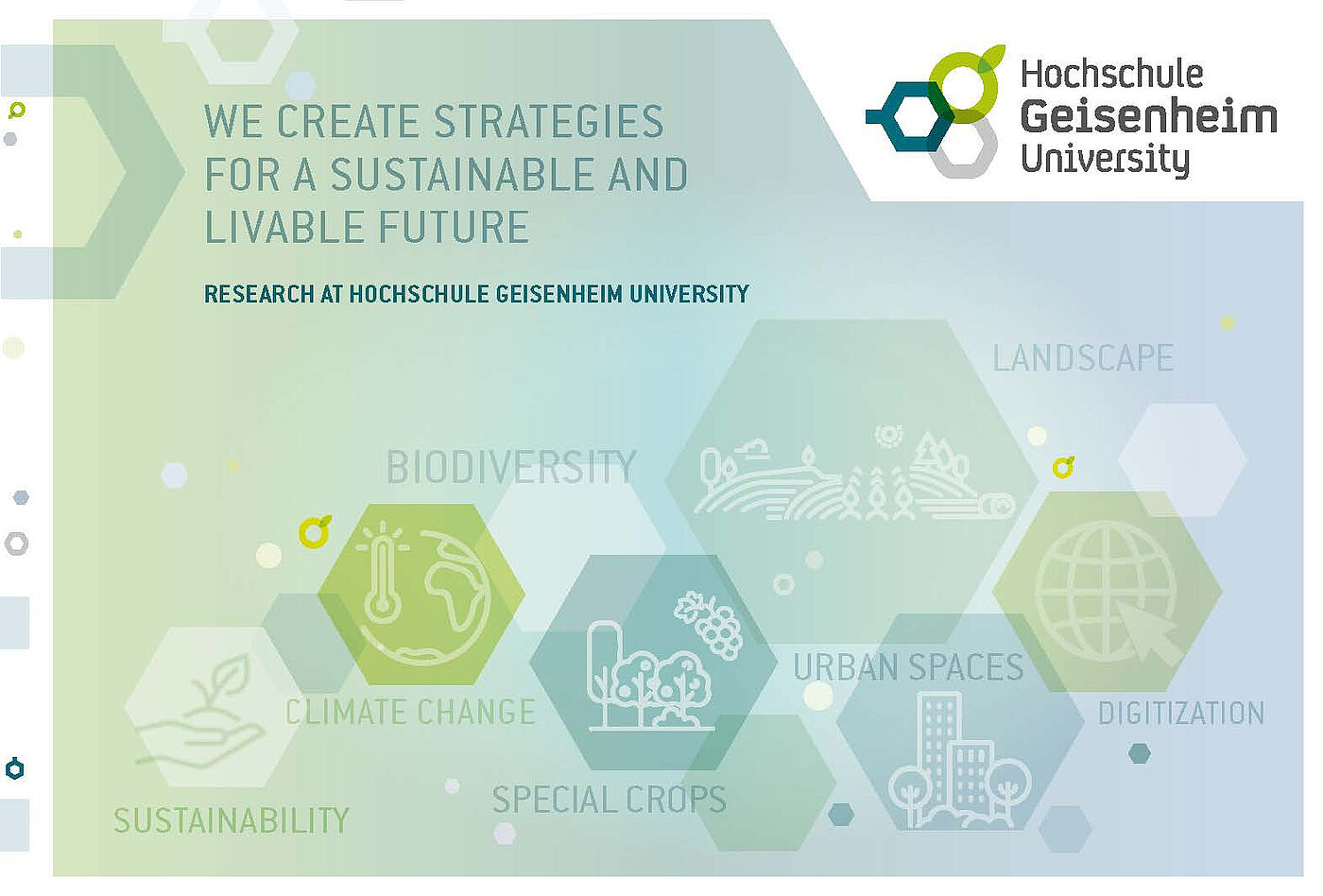
Research brochure (click to enlarge)

Our University has unique opportunities to conduct scientifically recognized and applied research along the entire value chain of special crops. In doing so, we benefit both from a strong network of national and international partners and our own excellent research infrastructure at Geisenheim. Vice-President of Research Professor Annette Reineke